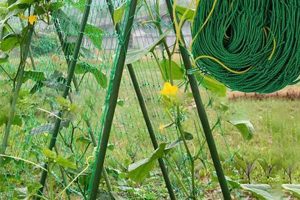
A garden structure often crafted from wood or metal, designed to support climbing plants. These structures create shaded walkways, focal points, or entrances within outdoor spaces. An example is a curved framework over a pathway, covered in climbing roses, creating a fragrant and visually appealing tunnel.
These garden features enhance the aesthetic appeal of landscapes and provide vertical growing space for plants. Historically, they served as architectural elements in formal gardens, offering shade and privacy. They contribute to biodiversity by attracting pollinators and providing habitats for small wildlife.
The following sections will explore the selection, construction, and maintenance considerations for integrating such structures into garden design, as well as detailing suitable plant choices and relevant safety protocols.
Garden Arbor
Effective integration of a garden structure requires careful planning and execution. The following tips address key aspects to ensure longevity, safety, and aesthetic coherence.
Tip 1: Material Selection: Consider weather resistance. Opt for treated lumber, cedar, or metal to withstand environmental factors. Untreated wood is susceptible to rot and insect damage.
Tip 2: Structural Integrity: Ensure adequate support. Anchor posts deeply into the ground, especially in windy areas. Use concrete footings for enhanced stability. Diagonal bracing can further strengthen the framework.
Tip 3: Proper Plant Support: Provide suitable climbing surfaces. Install trellises or wires to guide plant growth. Avoid plants that may damage the structure through aggressive root systems or excessive weight.
Tip 4: Regular Maintenance: Conduct routine inspections. Repair any damage promptly. Apply sealant or paint periodically to protect against the elements. Prune plants to prevent overgrowth and maintain structural integrity.
Tip 5: Site Selection: Evaluate sunlight exposure. Choose plants that thrive in the available light conditions. Consider proximity to existing structures and utilities. Ensure adequate space for both the structure and plant growth.
Tip 6: Design Coherence: Harmonize the design with the surrounding landscape. Select a style that complements the existing architecture and garden layout. Consider scale and proportion to avoid overwhelming the space.
Tip 7: Safety Precautions: Prioritize safety during construction and use. Ensure the structure is stable and secure. Avoid using hazardous materials or construction techniques. Consider the potential for tripping hazards or obstructions.
By adhering to these guidelines, optimal integration and long-term enjoyment can be achieved. Structural integrity, suitable plant selection, and regular maintenance are paramount.
The following sections will address suitable plant selection and design integration in greater detail.
1. Structure and Material
The selection of appropriate structural design and materials is paramount to the functionality, longevity, and aesthetic appeal of any garden feature. The garden element is inherently a physical structure intended to support plant growth and create a visual focal point. Consequently, its stability and resistance to environmental factors are directly dependent on the chosen materials and the engineering principles employed in its construction. Failure to consider these factors can result in structural collapse, premature decay, and ultimately, the failure of the feature to serve its intended purpose.
For instance, a garden feature constructed from untreated softwood in a humid climate will be susceptible to rot and insect infestation, leading to structural failure within a relatively short period. Conversely, a framework constructed from pressure-treated lumber, cedar, or metal will exhibit superior resistance to these elements, significantly extending its lifespan. The structural design must also account for the weight of the mature plants it is intended to support, as well as potential wind loads. A poorly designed structure may be unable to bear these loads, leading to deformation or collapse. Consideration must also be given to the method of joinery. Weak joints are a common point of failure, therefore, appropriate fasteners and techniques should be employed.
In conclusion, the relationship between structure and material is fundamental to the successful integration of garden elements. Careful consideration of environmental factors, load-bearing requirements, and material properties is essential for ensuring a durable, safe, and aesthetically pleasing outdoor feature. Ignoring these principles can result in costly repairs or complete failure, underscoring the critical importance of informed material selection and sound structural design.
2. Plant Selection

Plant selection is a critical determinant of the success and aesthetic impact of any garden structure. The choice of plants directly influences the visual appeal, maintenance requirements, and structural integrity of the feature. Careful consideration must be given to several key factors to ensure harmonious integration and long-term viability.
- Growth Habit and Support Needs
Climbing plants exhibit diverse growth habits. Some, like wisteria, can become extremely heavy and woody, requiring robust support structures. Others, like annual vines, are relatively lightweight and suitable for less substantial supports. Understanding the mature size and growth characteristics of a plant is crucial for selecting a structure that can adequately accommodate it. Failure to do so can lead to structural damage or necessitate frequent and labor-intensive pruning.
- Aesthetic Considerations
Plant selection directly dictates the visual impact of the structure. Factors such as flower color, foliage texture, and seasonal changes contribute to the overall aesthetic. The structure can be used to create a focal point in the garden, frame a view, or provide shade. The plant selection should complement the architectural style of the structure and the surrounding landscape. For example, climbing roses can create a romantic, traditional ambiance, while clematis offers a more diverse range of colors and forms.
- Environmental Suitability
Plants must be suited to the local climate and soil conditions. Factors such as sunlight exposure, temperature extremes, and soil drainage significantly influence plant health and vigor. Selecting plants that are adapted to the specific environment minimizes the need for supplemental watering, fertilization, and pest control. This not only reduces maintenance requirements but also promotes sustainable gardening practices.
- Maintenance Requirements
Different plants require varying levels of maintenance. Some climbing plants, such as trumpet vine
, can be highly aggressive and require regular pruning to prevent them from becoming invasive. Others, such as honeysuckle, are relatively low-maintenance. Considering the amount of time and effort that can be dedicated to plant care is essential for selecting plants that are both aesthetically pleasing and manageable.
In summary, plant selection profoundly affects the function and aesthetic of a garden feature. A well-considered selection process accounts for the plant’s growth habit, the desired aesthetic, environmental suitability, and maintenance needs, maximizing the structure’s potential and ensuring long-term satisfaction.
3. Design Integration

Design integration, in the context of a garden structure, refers to the seamless incorporation of the structure within the existing landscape and architectural environment. It extends beyond mere placement and encompasses a holistic approach to ensure visual harmony, functional coherence, and overall enhancement of the outdoor space.
- Architectural Harmony
Architectural harmony dictates that the structure’s style, materials, and proportions should complement the existing buildings and landscape features. For example, a rustic, wooden structure might integrate well with a cottage garden and a traditional farmhouse, while a sleek, metal framework could be more appropriate for a modern home with minimalist landscaping. Disregarding architectural harmony can result in a jarring visual disconnect and detract from the overall aesthetic appeal. The scale of the arbor must also be considered; a disproportionately large structure can overwhelm a small garden, while a diminutive structure may be lost in a larger landscape.
- Spatial Functionality
Spatial functionality concerns the role of the structure within the garden’s overall layout and usage patterns. It should serve a specific purpose, such as defining a pathway, creating a shaded seating area, or framing a particular view. The placement of the structure should consider pedestrian traffic flow, sunlight exposure, and the proximity to other garden features. A structure obstructing a frequently used pathway or situated in a location with inadequate sunlight would be considered a design failure. Furthermore, the structure should enhance the usability of the garden, rather than detracting from it.
- Planting Scheme Coherence
Planting scheme coherence refers to the compatibility between the structure and the plants it supports. The chosen plants should complement the structure’s design and contribute to the overall aesthetic vision. For instance, a formal garden might feature symmetrical plantings of climbing roses or wisteria, while a more informal garden could incorporate a mix of flowering vines and trailing plants. The plants’ growth habits, color palettes, and seasonal interest should be carefully considered to ensure a visually appealing and cohesive design. Plant selection must account for sun exposure, soil condition, and the potential for the plant to damage the structure.
- Material Consistency
Material consistency ensures a unified aesthetic by echoing the materials used in existing structures. If the home features brick accents, incorporating brick pillars or a brick base into the garden structure establishes a visual connection. Conversely, incorporating contrasting materials can create a focal point, but should be done deliberately and sparingly to avoid visual discord. A balanced approach ensures the arbor feels like an intentional extension of the property, rather than an afterthought. The texture and color of the materials also play a critical role in this consistency.
These facets of design integration collectively contribute to a successful garden design. When architectural harmony, spatial functionality, planting scheme coherence, and material consistency are thoughtfully addressed, the structure seamlessly blends into its environment, enhancing the beauty and functionality of the outdoor space. Disregarding these principles can result in a visually jarring and functionally flawed addition to the garden.
4. Site Suitability

The long-term viability and aesthetic integration of a garden structure are inextricably linked to the careful assessment of site suitability. Site suitability encompasses a range of environmental and spatial considerations that dictate the structure’s potential for success. Ignoring these factors can lead to structural instability, plant health issues, and ultimately, a diminished aesthetic outcome. The selection of an inappropriate location represents a significant impediment to achieving the desired design and functional objectives. For instance, placing a climbing rose-covered structure in a location with minimal sunlight will result in poor flowering and stunted growth, negating the intended visual impact. Similarly, constructing a heavy structure on unstable soil without proper foundation support can lead to subsidence and structural failure.
Evaluating soil composition, drainage patterns, and sunlight exposure is paramount. Soil must be capable of supporting the plant life intended to adorn the structure. Poorly drained soil can lead to root rot, while excessively sandy soil may not retain sufficient moisture. Amending the soil to meet the specific needs of the chosen plants is often necessary. Sunlight exposure directly influences the health and vigor of climbing plants. Different species have varying light requirements, and selecting a location that provides adequate sunlight is crucial for optimal growth and flowering. The orientation of the structure relative to prevailing winds must also be considered. A structure situated in an area with high winds may require additional bracing or anchoring to prevent damage. Furthermore, proximity to underground utilities, property lines, and existing trees must be carefully assessed to avoid potential conflicts or safety hazards. A real-world example is observed in residential areas where improperly planned garden structures obstruct utility access, resulting in costly relocation expenses during routine maintenance.
In conclusion, the connection between site suitability and the success of a garden structure is undeniable. Thorough evaluation of environmental factors, spatial constraints, and potential conflicts is essential for ensuring structural integrity, plant health, and long-term aesthetic appeal. By prioritizing site suitability, it is possible to create a garden element that enhances the beauty and functionality of the outdoor space while minimizing the risk of costly repairs or premature failure.
5. Maintenance Practices
Consistent and appropriate upkeep is essential for preserving the structural integrity, aesthetic appeal, and longevity of a garden structure. Neglecting routine maintenance can lead to accelerated deterioration, compromising safety and diminishing the intended visual impact.
- Structural Inspections and Repairs
Regular inspections are crucial for identifying signs of damage or decay. Wood structures are susceptible to rot, insect infestation, and weathering, while metal structures may corrode. Promp
tly addressing any issues, such as replacing damaged components or reinforcing weak points, prevents further deterioration and ensures structural stability. For example, failing to replace a rotted support beam can lead to the collapse of a section of the structure, posing a safety hazard. - Plant Management and Pruning
Climbing plants can exert significant stress on the structure. Regular pruning is necessary to control growth, prevent excessive weight, and maintain a desired aesthetic. Overgrown plants can block sunlight, promote moisture retention, and contribute to structural damage. For instance, aggressive vines like wisteria can strangle support posts and weaken joints if not properly managed. Correct pruning techniques are vital to preserve both the health of the plants and the integrity of the framework.
- Surface Treatments and Preservation
Applying protective coatings, such as paint, stain, or sealant, shields the structure from environmental damage. These treatments prevent moisture penetration, reduce the risk of decay, and protect against UV degradation. Regularly reapplying these coatings, as recommended by the manufacturer, extends the structure’s lifespan and maintains its visual appeal. Consider that untreated wood will degrade much faster than treated wood, diminishing the benefits of a well-designed feature.
- Foundation Stability and Soil Management
Maintaining the stability of the foundation is essential for preventing settling or shifting. Inspecting the base of the structure for signs of erosion or movement is a key maintenance activity. Addressing soil issues, such as poor drainage or compaction, can also help to prevent foundation problems. Ensuring that the surrounding soil supports the plant life without undermining the structure is a balanced strategy.
These maintenance facets collectively contribute to the continued success and enjoyment of the garden structure. Diligence in these practices safeguards the investment and ensures it remains a beautiful and functional element within the landscape for years to come. Neglecting any aspect of maintenance jeopardizes the feature’s long-term health and aesthetic value.
Frequently Asked Questions
This section addresses common inquiries regarding the selection, installation, and maintenance of garden structures designed to support climbing plants and enhance outdoor spaces.
Question 1: What are the primary benefits of incorporating a garden structure into a landscape design?
These structures provide vertical growing space, enhance aesthetic appeal, and create shaded areas within a garden. They can also serve as focal points or define entrances.
Question 2: What materials are most suitable for construction, and why?
Weather-resistant materials such as treated lumber, cedar, and metal are recommended due to their durability and resistance to rot, insects, and corrosion. Untreated wood is generally unsuitable due to its susceptibility to degradation.
Question 3: How is structural integrity ensured during construction?
Adequate support is achieved by anchoring posts deeply into the ground, preferably with concrete footings. Diagonal bracing and appropriate joinery techniques further enhance stability.
Question 4: What factors should be considered when selecting climbing plants for a garden structure?
Considerations include the plant’s growth habit, mature size, support needs, aesthetic characteristics, and environmental suitability. Aggressive or overly heavy plants may damage the structure.
Question 5: What maintenance practices are essential for long-term preservation?
Routine inspections, prompt repairs, periodic application of protective coatings, and appropriate pruning are crucial for preventing deterioration and maintaining structural integrity.
Question 6: How can the garden structure be effectively integrated into the existing landscape design?
The structure’s style, materials, and scale should complement the surrounding architecture and garden layout. It should serve a specific purpose and enhance the overall functionality of the outdoor space.
In summary, careful planning, appropriate material selection, proper construction techniques, and consistent maintenance are essential for realizing the full potential of a garden structure.
The following section will delve into specific design considerations for integrating garden structures into various landscape styles.
Conclusion
This exploration has detailed the multifaceted considerations essential for successful integration of a garden arbor. From material selection and structural integrity to plant selection and site suitability, each element contributes to the longevity, safety, and aesthetic value of the feature. Diligent maintenance practices further ensure its continued functionality and visual appeal within the landscape.
Adherence to these principles enables the creation of outdoor spaces that are both functional and visually compelling. The garden arbor, when thoughtfully implemented, transcends mere decoration, becoming an integral element that enhances the overall quality and enjoyment of the garden environment. Therefore, the informed application of these guidelines is crucial for maximizing the potential of this architectural element.