Outdoor seating crafted from metal and possessing characteristics of a bygone era are often sought after for their durability and aesthetic appeal. These items represent a category of furniture designed for exterior use, typically in garden or patio settings, exhibiting age and design elements reflective of past manufacturing periods. Examples include wrought iron benches from the Victorian era or cast iron chairs popular during the early 20th century.
The enduring appeal of such pieces stems from their robust construction, resistance to weathering, and historical significance. Their presence can enhance the visual landscape of outdoor spaces, providing not only functional seating but also a tangible connection to design trends of former generations. These furnishings frequently showcase intricate details and craftsmanship rarely found in modern mass-produced items. Their acquisition and preservation contribute to the appreciation and continuation of traditional metalworking techniques.
The following discussion will delve into identifying characteristics, restoration techniques, considerations for acquisition, and prevalent styles associated with this category of outdoor furniture, providing a comprehensive overview for collectors, enthusiasts, and those seeking to incorporate elements of historical design into their gardens or patios.
Acquiring and Maintaining Metal Outdoor Seating from Past Eras
This section provides guidance on the acquisition and preservation of metal outdoor seating reflecting earlier periods. Adherence to these points ensures informed decision-making and prolongs the lifespan of these valuable items.
Tip 1: Verify Authenticity. Prior to purchase, examine the item for hallmarks, maker’s marks, or date stamps indicative of its period of origin. Consult reputable sources and experts to confirm the piece’s legitimacy and avoid reproductions misrepresented as genuine artifacts.
Tip 2: Assess Structural Integrity. Thoroughly inspect the item for signs of rust, corrosion, cracks, or weakened joints. Address any structural concerns before purchase, as extensive repairs can be costly and compromise the item’s original design.
Tip 3: Evaluate Existing Finishes. Determine the original finish and its condition. Preservation of the original paint or patina, if intact and aesthetically pleasing, can enhance the item’s value. Consider professional restoration if the existing finish is severely damaged or detracts from the overall appearance.
Tip 4: Implement Rust Prevention Strategies. Apply a protective coating designed for metal outdoor furniture to prevent rust and corrosion. Regularly inspect the item and reapply the coating as needed, particularly in environments with high humidity or exposure to salt.
Tip 5: Employ Proper Storage Techniques. During periods of inclement weather, store the item indoors or cover it with a waterproof material to minimize exposure to the elements. This practice extends the item’s lifespan and reduces the need for frequent maintenance.
Tip 6: Seek Professional Restoration. For significant damage or deterioration, engage a qualified metal restoration specialist. A professional assessment ensures the use of appropriate techniques and materials that preserve the item’s historical integrity.
Tip 7: Document Provenance. If possible, research and document the item’s history, including its origins, previous owners, and any relevant historical context. This information enhances the item’s value and contributes to its historical narrative.
By meticulously evaluating potential acquisitions, implementing preventative maintenance, and seeking expert assistance when necessary, one can effectively safeguard and appreciate these pieces.
The subsequent segments will explore specific styles and notable manufacturers.
1. Material composition

The substance from which outdoor seating of a bygone era is constructed plays a pivotal role in determining its durability, aesthetic characteristics, and historical significance. An understanding of material types and their associated properties is therefore crucial for collectors, restorers, and enthusiasts.
- Wrought Iron
Characterized by its malleability and fibrous structure, wrought iron was a prevalent material in the 19th and early 20th centuries. Its ability to be shaped into intricate designs made it a favored choice for Victorian-era furnishings. An example is the elaborate filigree work often found on benches and chairs from this period. The relatively low carbon content of wrought iron makes it resistant to corrosion, though surface rust can still develop over time. Its longevity contributes to the survival of many examples today.
- Cast Iron
Cast iron, with its higher carbon content, is more brittle than wrought iron but offers greater strength in compression. This made it suitable for mass production of furniture components. Ornate garden chairs and benches with repeating patterns were commonly produced using cast iron molds during the late 19th and early 20th centuries. Its susceptibility to rust necessitates regular maintenance and protective coatings.
- Steel
Steel’s increased tensile strength compared to iron made it a desirable material for furniture requiring greater structural integrity. Steel chairs started to gain popularity in the early 20th century and later. The use of tubular steel allowed for lighter and more streamlined designs. However, steel is prone to corrosion and requires protective finishes like galvanization or paint.
- Aluminum
Aluminum is lightweight, corrosion-resistant, and easily cast or extruded into complex shapes. Although aluminum outdoor seating did not become popular until the mid-20th century, its durability and low maintenance requirements have made it a common choice for modern garden furniture. Early examples are valued by collectors of mid-century modern design.
The choice of material in older examples reflects both the technological capabilities and aesthetic preferences of the era. Identifying the composition of these metal garden items is essential for proper restoration and preservation, ensuring their continued enjoyment for generations to come. The interplay between material properties and manufacturing techniques defines the unique character of each piece.
2. Historical Period

The chronological context of metal outdoor seating profoundly influences its design, construction, and intrinsic value. The historical period during which a chair or bench was manufactured dictates the materials employed, the prevailing aesthetic sensibilities, and the manufacturing techniques utilized. For instance, ornate wrought iron chairs are largely associated with the Victorian era (1837-1901), reflecti
ng the periods penchant for elaborate ornamentation and intricate metalwork. Conversely, simpler, more geometric designs in tubular steel are characteristic of the Art Deco period (1920s-1930s), mirroring its emphasis on streamlined forms and modern materials. Without considering the historical context, accurate identification and valuation become significantly more difficult.
The historical period not only affects the design but also impacts the rarity and collectibility of such items. Limited production runs, specific wartime material restrictions, or the short-lived popularity of a particular style can contribute to scarcity, thereby increasing the value of surviving examples. For instance, metal garden furniture produced during World War II might exhibit design compromises due to the diversion of metal resources to military production, making these pieces distinctively marked by their historical circumstances. Furthermore, understanding the historical provenance of a piece can reveal information about its potential ownership and use, adding to its historical narrative and desirability.
In summary, the historical period serves as a fundamental determinant in assessing metal outdoor seating. Its influence extends from the choice of materials and design motifs to the item’s rarity and cultural significance. A comprehensive appreciation of the historical context is essential for accurate identification, valuation, and responsible preservation of these artifacts, allowing for informed acquisition decisions and ensuring their continued enjoyment and study for future generations.
3. Design Style

The aesthetic principles and visual characteristics inherent in outdoor metal seating from previous eras constitute a vital aspect of their identity and value. Recognition of distinct design styles enables accurate categorization, dating, and assessment of these pieces, informing both collectors and restorers.
- Victorian Era Elaborateness
Victorian-era (1837-1901) specimens often feature intricate, curvilinear designs, reflecting the period’s affinity for ornate decoration. Wrought iron was a common material, allowing for elaborate scrolls, floral motifs, and depictions of natural elements. An example includes a bench with grape vine patterns interwoven within the metal framework. The presence of such details is a hallmark of this style.
- Art Nouveau’s Organic Forms
Emerging in the late 19th century, Art Nouveau influenced furniture design with its emphasis on flowing lines and naturalistic forms. Metal garden chairs exhibiting this style may incorporate stylized depictions of plants, insects, or flowing water. The asymmetry and whiplash curves are characteristic features. The use of cast iron or steel allows replicating more complex and flowing designs than other materials.
- Art Deco’s Geometric Precision
In contrast to the organic forms of Art Nouveau, Art Deco (1920s-1930s) favored geometric shapes, symmetry, and streamlined designs. Metal garden furniture from this period often displays angular lines, stepped patterns, and stylized motifs inspired by industrial forms. An example includes chairs with tubular steel frames and geometric patterned seats or backs. The material used for this style allows it to be lightweight with modern and clean look.
- Mid-Century Modern Simplicity
Mid-century modern designs (1940s-1960s) embraced simplicity, functionality, and the use of new materials. Metal garden chairs from this era may feature clean lines, minimalist forms, and the use of materials such as aluminum or painted steel. Designs often prioritize comfort and practicality over elaborate ornamentation. As an example, a simple metal chair with rounded edges and a slatted seat reflects the style.
By recognizing the design styles prevalent in different historical periods, enthusiasts can better understand the aesthetic and cultural context of antique metal outdoor seating. Each style represents a distinct approach to form and function, influencing the materials, construction techniques, and decorative elements employed in creating these objects. The interplay between style and historical period allows one to place these pieces within a larger narrative of design evolution.
4. Manufacturer's marks

The presence of manufacturer’s marks on metal outdoor seating originating from earlier periods serves as a critical indicator of authenticity, provenance, and value. These marks, typically stamped, cast, or etched into the metal, provide verifiable evidence of the item’s origin, linking it to a specific manufacturer and potentially a specific production period. The absence of such marks, conversely, raises concerns about the item’s genuineness and may suggest reproduction or later fabrication. An example would be the “J.W. Fiske Iron Works” stamp found on cast iron garden furniture manufactured in New York during the late 19th and early 20th centuries. This mark not only confirms the chair’s origin but also enhances its collectibility due to the company’s recognized reputation for quality and design.
Further, manufacturer’s marks often provide insights into the historical context of the item. Marks may include patent dates, design numbers, or company logos that correspond to specific periods in the manufacturer’s history. This information can be cross-referenced with historical records to establish a more precise dating of the piece. In practical terms, knowing the manufacturer and production period can inform appropriate restoration techniques and materials, ensuring that repairs are historically accurate and preserve the item’s original character. For instance, using period-correct paint colors or metal alloys during restoration maintains the integrity of the piece and enhances its overall value.
In conclusion, manufacturer’s marks are indispensable for authenticating and valuing metal outdoor seating from previous eras. While their presence alone does not guarantee an item’s worth, they provide crucial data points for establishing provenance and historical context. The challenge lies in accurately interpreting and verifying these marks, often requiring specialized knowledge and access to historical archives. Accurate assessment contributes significantly to responsible collection, preservation, and appreciation of these artifacts, enriching the understanding of design history and industrial craftsmanship.
5. Condition

The physical state of metal outdoor seating from past eras significantly influences its value, structural integrity, and aesthetic appeal. A comprehensive assessment of condition is essential for both prospective buyers and those seeking to preserve existing pieces. The overall condition dictates the extent of restoration required and, ultimately, the longevity of the item.
- Structural Integrity
The foundational stability of outdoor seating is paramount. Cracks, breaks, or weakened joints in the metal framework compromise safety and diminish value. For example, a cast iron chair with a fractured leg is structurally unsound and requires professional repair. The extent of the damage directly correlates with the cost and complexi
ty of restoration, potentially impacting the item’s market price. - Surface Corrosion (Rust)
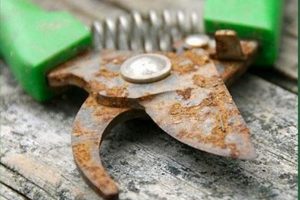
Rust, a common affliction of metal exposed to the elements, significantly degrades the material. The degree of corrosion ranges from superficial surface rust, which is often treatable, to deep pitting that weakens the metal. Extensive rust can compromise structural integrity, necessitating metal replacement or rendering the piece irreparable. Early detection and treatment are critical to prevent escalating damage.
- Original Finish
The preservation of the original paint or finish contributes substantially to an item’s historical authenticity and value. Intact original finishes provide insights into the manufacturing techniques and aesthetic preferences of the period. However, peeling, chipping, or extensive weathering detract from the visual appeal and necessitate restoration. The decision to preserve, restore, or replace the finish requires careful consideration of the item’s historical significance and desired aesthetic.
- Completeness and Originality
The presence of all original components, such as bolts, slats, or decorative elements, enhances value and simplifies restoration efforts. Missing or replaced parts detract from authenticity and may require sourcing replacements, which can be challenging and costly. A chair with mismatched or non-original components is less desirable than one with all original elements in comparable condition.
The interplay between these factors determines the overall condition assessment of outdoor metal seating. A thorough evaluation, often involving expert consultation, is essential for informed decision-making regarding acquisition, restoration, and long-term preservation. Understanding these intricacies contributes to responsible stewardship of these historical artifacts.
6. Restoration

The process of restoration is inextricably linked to metal outdoor seating from previous eras, representing a critical intervention aimed at preserving these artifacts for future generations. Neglect, exposure to environmental elements, and inherent material degradation contribute to the deterioration of such pieces over time. Restoration, therefore, becomes necessary to address structural deficiencies, combat corrosion, and reinstate aesthetic qualities. This process encompasses a range of interventions, from basic cleaning and rust removal to complex structural repairs and replication of missing components. A wrought iron bench from the Victorian era, exhibiting severe rust and a broken support, exemplifies the need for restoration. Without intervention, the bench would continue to deteriorate, ultimately becoming unusable and losing its historical value. Restoration aims to stabilize the item, preventing further decay and recovering as much of its original character as possible.
The practical application of restoration principles varies depending on the condition of the metal pieces, available budget, and desired outcome. Some owners may prioritize the preservation of original patina, opting for minimal intervention focused on stabilization. Others may seek a more comprehensive restoration, involving complete stripping, repair of structural damage, and reapplication of protective coatings. Consider a cast iron chair from the Art Deco period with peeling paint and minor surface rust. A conservative restoration might involve gentle cleaning, rust removal with non-abrasive methods, and spot-painting to protect exposed metal. A more aggressive restoration could entail complete paint removal, sandblasting to remove rust, and repainting with historically accurate colors. The choice depends on the item’s historical significance, the owner’s aesthetic preferences, and the intended use of the piece.
The restoration of metal outdoor seating presents numerous challenges, including sourcing authentic replacement parts, replicating historical finishes, and balancing preservation with functionality. Accurate assessment of the item’s original materials and construction techniques is crucial for successful restoration. The choice of restoration methods directly impacts the item’s historical integrity and long-term durability. Despite these challenges, effective restoration not only extends the lifespan of these garden items but also enhances their aesthetic value and preserves a tangible connection to past design trends and manufacturing practices.
7. Market value

The monetary worth assigned to metal outdoor seating from previous eras is a complex calculation influenced by a confluence of factors. Understanding these variables is essential for both buyers and sellers seeking to engage in informed transactions.
- Historical Provenance and Rarity
The verifiable history and scarcity of a particular item directly correlate with its value. A chair documented as having originated from a significant historical estate, or one manufactured in limited quantities, will command a higher price. For example, a signed example of a chair from a short production run of a renowned foundry is likely to be more valuable than a mass produced piece from the same period.
- Condition and Restoration Status
The physical state of the seating and any restoration work undertaken significantly impact its market value. An item in pristine, original condition, or one that has been professionally restored to its original state using historically accurate materials and techniques, will garner greater interest. Conversely, chairs with significant damage or poorly executed repairs will depreciate in value.
- Design and Aesthetic Appeal
The design style and aesthetic qualities of the metal seating play a crucial role in determining its market price. Pieces exhibiting unique, desirable, or representative designs of a particular era tend to be more sought after by collectors. For instance, chairs reflecting the Art Deco era, known for its geometric shapes and streamlined designs, may hold greater value than those of more common or less visually striking styles.
- Manufacturer and Maker’s Marks
The presence of verifiable maker’s marks or the reputation of the manufacturing company contribute to the perceived value. Items produced by well-known or highly regarded manufacturers typically command a premium. For example, a cast iron bench bearing the signature of a celebrated foundry such as J.W. Fiske will be more valuable than an unmarked piece of similar design and condition.
The aforementioned factors collectively establish the market value of outdoor metal seating. Fluctuations in demand, collector preferences, and economic conditions can also influence prices. Thorough research and professional appraisals are recommended for accurate valuation of these garden seating pieces.
Frequently Asked Questions
The subsequent questions address common inquiries regarding metal outdoor seating originating from earlier periods. The responses aim to provide clarity and informed perspectives on related topics.
Question 1: How can the authenticity of metal outdoor seating be verified?
Authenticity verification involves a multi-faceted approach. Examine the item for maker’s marks, hallmarks, and design characteristics consistent with its purported period of origin. Consult reputable sources, such as antique g
uides or experts specializing in metal furniture. Compare the item to known examples from the period and assess the materials and construction techniques employed. Discrepancies may indicate a reproduction.
Question 2: What are the most common types of metal used in such seating?
Wrought iron, cast iron, steel, and aluminum are frequently encountered. Wrought iron, prevalent in the Victorian era, is known for its malleability and ornate designs. Cast iron, often used for mass production, is characterized by its strength in compression. Steel offers superior tensile strength, while aluminum provides corrosion resistance and lightweight properties. Identifying the metal type aids in dating and evaluating the piece.
Question 3: What are the key considerations when purchasing such seating?
Assess structural integrity, look for rust or corrosion, evaluate the condition of the original finish, and consider any missing or replaced components. Determine the item’s authenticity, provenance, and overall aesthetic appeal. Factor in the cost of restoration and the item’s potential market value. Prioritize pieces that align with one’s aesthetic preferences and restoration capabilities.
Question 4: What are the essential steps in restoring vintage metal outdoor seating?
Restoration typically begins with cleaning to remove dirt and debris. Remove rust via chemical or mechanical means. Repair structural damage, such as cracks or weakened joints. Apply a protective coating to prevent future corrosion. Consider the historical accuracy of restoration materials and techniques. Engage qualified professionals for complex repairs.
Question 5: How can the lifespan of metal outdoor seating be extended?
Implement preventative maintenance measures, including regular cleaning and application of protective coatings. Store the item indoors or under cover during periods of inclement weather. Address rust or corrosion promptly to prevent further damage. Inspect and repair any structural weaknesses. Avoid using abrasive cleaners that can damage the finish.
Question 6: What factors influence the market value of metal outdoor seating from previous eras?
Market value is affected by historical provenance, rarity, condition, restoration status, design style, manufacturer, and overall aesthetic appeal. Items with documented histories, limited production runs, and exceptional designs typically command higher prices. Professional appraisals provide informed assessments of market value.
These FAQs offer foundational guidance for navigating the complexities of outdoor seating from past eras. Careful consideration of these points contributes to responsible acquisition, preservation, and appreciation of these historical artifacts.
The subsequent section will cover specific resources for further research.
Conclusion
The preceding discussion has examined essential facets pertaining to metal outdoor seating from bygone eras. A comprehensive understanding of materials, historical context, design styles, manufacturer’s marks, condition assessment, restoration principles, and market dynamics provides a solid foundation for both collectors and enthusiasts. The inherent value of these pieces transcends mere functionality, representing tangible links to design history and industrial craftsmanship.
Continued diligence in research, responsible preservation practices, and informed acquisition strategies are paramount to ensure the survival of these artifacts. The ongoing appreciation for craftsmanship, design heritage, and the meticulous stewardship of these pieces will perpetuate their enjoyment and study for generations to come.