Stones engraved with personal details or sentiments, intended for placement within a garden setting, serve as enduring memorials or celebratory markers. These customized items often feature names, dates, quotes, or symbols significant to the individual or event being commemorated. As an example, a stone might bear the name and birthdate of a beloved pet nestled among flowerbeds, or a meaningful phrase etched onto a paver alongside a garden path.
The incorporation of these individualized markers into outdoor spaces offers several benefits. They provide a tangible and lasting tribute, allowing for reflection and remembrance within a peaceful environment. Furthermore, they contribute to the aesthetic value of the garden, adding a personalized touch that reflects the owner’s history and values. Historically, the use of stones as memorials dates back centuries, with different cultures employing stone markers to honor the deceased or mark significant events in outdoor locations.
The subsequent sections will delve into the various types of materials used in crafting these markers, discuss the prevalent methods of engraving and personalization, and offer guidance on appropriate placement within a garden design to maximize both their visual impact and commemorative significance.
Guidance for Integrating Engraved Garden Stones
The following provides essential considerations for the effective selection and integration of inscribed stones within garden environments. Attention to these details ensures both longevity and aesthetic harmony.
Tip 1: Material Selection: Opt for durable materials such as granite, slate, or fieldstone. These withstand weathering and erosion, ensuring legibility of engravings for extended periods. Avoid softer stones prone to chipping or fading.
Tip 2: Engraving Method: Consider the engraving technique. Deeply carved inscriptions offer superior resistance to wear compared to surface etchings. Sandblasting or laser engraving are viable alternatives that provide lasting results.
Tip 3: Inscription Clarity: Prioritize legibility. Use clear, concise lettering styles and ensure adequate contrast between the stone’s color and the engraved text. Proofread carefully for accuracy before finalizing the inscription.
Tip 4: Strategic Placement: Position the stone in a location complementary to the garden’s overall design. Consider visibility from key vantage points and avoid areas prone to excessive moisture or foot traffic.
Tip 5: Scale and Proportion: Select a stone size appropriate for the intended location and inscription length. Overly large stones may overwhelm smaller gardens, while undersized stones may be easily overlooked.
Tip 6: Integration with Landscaping: Harmonize the stone with surrounding plants and features. Use it as a focal point within a flowerbed, a marker along a path, or an accent near a water feature. Consider the interplay of textures and colors.
Tip 7: Maintenance and Care: Periodically clean the stone to remove dirt, moss, or algae buildup. Use a soft brush and mild detergent, avoiding harsh chemicals that may damage the engraving or the stone’s surface.
Effective implementation of these considerations yields an enduring and aesthetically pleasing addition to any garden, serving as a lasting tribute or meaningful marker.
The subsequent section presents a summary of the overall article and offers concluding thoughts.
1. Enduring Materiality

Enduring materiality is a foundational aspect in the selection and implementation of memorial stones intended for garden placement. The intrinsic property of permanence inherent in specific materials directly influences the long-term effectiveness of the commemorative object within an outdoor environment. Material selection profoundly affects the stone’s resistance to environmental degradation and its capacity to retain legible inscriptions over extended periods.
- Weather Resistance of Stone Type
Certain geological formations, such as granite and slate, exhibit superior resistance to weathering processes including freeze-thaw cycles, acid rain, and prolonged exposure to ultraviolet radiation. Conversely, softer sedimentary stones are more susceptible to erosion and physical damage. A granite memorial stone, for instance, might maintain its structural integrity and inscription clarity for generations, while a sandstone marker could show signs of deterioration within a few decades, directly impacting the longevity of the memorial.
- Inscription Durability
The chosen material dictates the method of inscription and its subsequent durability. Deeply carved or sandblasted inscriptions into hard stones offer greater resistance to erosion compared to surface etchings on softer materials. For example, laser-etched inscriptions on slate can provide a lasting visual presence, even when subjected to fluctuating environmental conditions, while similar techniques on limestone might fade more quickly.
- Resistance to Biological Growth
Some stone types are more porous and thus more susceptible to the growth of moss, algae, and lichen. These biological organisms can obscure inscriptions and accelerate the deterioration of the stone’s surface. Non-porous materials like polished granite are less prone to such biological colonization, thereby preserving the inscription’s legibility and the stone’s aesthetic appeal over time. Regular maintenance is still recommended but is less frequently required.
- Structural Integrity and Stability
The material’s inherent strength and weight contribute to the stone’s stability within the garden setting. Heavier, more durable stones are less likely to be displaced by wind, vandalism, or accidental impacts. A solid granite memorial stone, securely positioned, provides a sense of permanence and resilience, reflecting the enduring nature of the memory it represents.
In conclusion, the selection of materials possessing enduring materiality is paramount to ensuring the long-term viability and commemorative value of garden memorial stones. By prioritizing durable, weather-resistant materials, the memorial can serve as a lasting tribute, withstanding the test of time and environmental factors within the outdoor environment.
2. Personalized Inscriptions

The inclusion of personalized inscriptions on memorial stones intended for garden placement elevates these objects beyond mere decorations. These inscriptions serve as the primary means of conveying individual sentiments, histories, and tributes, directly impacting the emotional resonance and commemorative value of the stone.
- Name and Dates
The most common form of personalization involves the inclusion of names and significant dates.
This practice establishes a direct connection between the stone and the individual being memorialized, anchoring the memory in a tangible and readily identifiable form. A stone bearing the name “Eleanor Vance, 1932-2018” transforms a simple object into a specific memorial, instantly evoking a personal history. Such inscriptions are critical for clarity and direct association. - Quotations and Epitaphs
The addition of meaningful quotations or epitaphs allows for a more nuanced expression of sentiment. These phrases can encapsulate the individual’s personality, beliefs, or their impact on others. For example, a stone inscribed with “She loved the garden” offers a glimpse into the deceased’s passions, adding depth to the memorial. The selection of appropriate phrasing is crucial for conveying the intended emotion and reflecting the individual’s character.
- Symbols and Emblems
Beyond textual inscriptions, the incorporation of symbols or emblems provides a visual language for expressing personal connections. A carved image of a rose may signify love, while a religious symbol denotes faith. Such visual elements contribute to the aesthetic appeal of the stone while adding layers of meaning. The strategic use of symbolism allows for conveying complex emotions and affiliations concisely.
- Personal Messages
Inscriptions may also include brief, personal messages from family or loved ones. These messages offer a direct expression of affection, remembrance, or gratitude. A stone inscribed with “Forever in our hearts” provides a tangible expression of enduring love. Such messages are often deeply personal and serve as a comforting reminder for those who visit the memorial.
The efficacy of memorial stones in a garden setting rests heavily on the thoughtful and deliberate application of personalized inscriptions. These inscriptions transform inert objects into meaningful tributes, facilitating remembrance and fostering a connection with the past.
3. Garden Integration

The successful integration of memorial stones within a garden landscape is a critical determinant of their overall impact and effectiveness. A well-integrated stone enhances the garden’s aesthetic while simultaneously providing a fitting and respectful setting for remembrance. Conversely, a poorly integrated stone can appear incongruous, detracting from both the garden’s beauty and the intended commemorative purpose. The placement, scale, and style of the stone must harmonize with the existing design elements, including plant selections, pathways, and other structural features. For instance, a rustic fieldstone inscribed with a simple epitaph might seamlessly blend into a naturalistic garden setting, while a highly polished granite marker could be more appropriately placed within a formal garden featuring geometric layouts.
Consider the practical implications of garden integration concerning accessibility and maintenance. The stone’s location should allow for easy visitation without disrupting the surrounding plants. It should be situated in a manner that facilitates regular cleaning and prevents the accumulation of debris. Furthermore, the stone’s relationship to sunlight and shade patterns must be carefully considered. Excessive sun exposure can cause fading of inscriptions on certain materials, while persistent shade may promote the growth of moss or algae, obscuring the engraving. As an example, locating a slate stone beneath a deciduous tree provides dappled sunlight, minimizing direct exposure while still ensuring visibility and allowing for seasonal variations in the surrounding foliage.
In conclusion, garden integration is not merely an aesthetic consideration but a functional imperative that directly impacts the longevity, visibility, and overall impact of memorial stones. By carefully considering the placement, accessibility, and relationship of the stone to the surrounding landscape, it is possible to create a harmonious and meaningful memorial space that honors the memory of loved ones while enhancing the beauty and tranquility of the garden. Overlooking garden integration would diminish memorial impact.
4. Commemorative Function
The commemorative function is the foundational purpose underpinning the utilization of stones within a garden setting. The stone serves as a tangible representation of remembrance, its very presence acting as a constant reminder of an individual, event, or sentiment. The selection of a garden, a space often associated with tranquility and growth, amplifies the emotional impact. The physical marker provides a focal point for reflection, offering a designated location for contemplation and connection with the past. A stone placed near a rose bush planted in memory of a loved one exemplifies this connection. The continued growth of the rose, juxtaposed with the enduring solidity of the stone, symbolizes the lasting nature of remembrance.
Without the commemorative function, these objects are merely decorative elements, devoid of deeper meaning. The inscription, material, and placement are all secondary considerations contingent upon this primary purpose. The act of selecting a stone, inscribing it with personal details, and carefully positioning it within the garden constitutes a deliberate act of memorialization. A family choosing a specific type of stone that mirrors the personality of the deceased, or a couple engraving their wedding date on a paver along their garden path, demonstrates the active role individuals take in shaping the commemorative function. This active participation solidifies the stone’s significance as more than just an object; it becomes a repository of memory.
The effectiveness of the commemorative function is linked to the clarity and personalization of the inscription, the durability of the material, and the harmony of the stone within the garden environment. These elements work in concert to create a lasting and meaningful tribute. Challenges may arise in ensuring the inscription remains legible over time, in selecting a location that is both aesthetically pleasing and accessible, and in preserving the integrity of the stone against environmental factors. However, a thorough understanding of the commemorative function allows for proactive mitigation of these challenges, ensuring the memorial stone fulfills its intended role for years to come. The stone serves as a place for someone to reflect on loved ones, and creates a place of reflection.
5. Weather Resistance
The durability and longevity of memory stones intended for outdoor garden placement are inextricably linked to their inherent weather resistance. Environmental factors, including fluctuating temperatures, precipitation, solar radiation, and freeze-thaw cycles, exert constant stress on these commemorative markers. Consequently, material selection and protective treatments directly influence the stone’s capacity to withstand degradation and maintain legibility of inscriptions over extended periods. A stone lacking adequate weather resistance will exhibit accelerated deterioration, rendering the inscription illegible and diminishing its commemorative value. For example, a memory stone composed of porous s
andstone positioned in a region with heavy rainfall and frequent freeze-thaw cycles would likely experience significant cracking, erosion, and biological growth, ultimately compromising its intended purpose.
The impact of weather resistance extends beyond the physical integrity of the stone. Fading inscriptions, surface discoloration, and structural damage detract from the aesthetic appeal of the garden and undermine the emotional significance of the memorial. Selecting inherently durable materials, such as granite or slate, coupled with appropriate engraving techniques (e.g., deep carving or sandblasting) and protective sealants, can mitigate these risks. Furthermore, strategic placement within the garden to minimize direct exposure to harsh elements can contribute to the long-term preservation of the memory stone. For instance, positioning a stone beneath the canopy of a deciduous tree provides partial shade, reducing exposure to intense sunlight and precipitation, while also creating a peaceful and contemplative setting.
In summary, weather resistance is a critical attribute that directly influences the effectiveness and longevity of garden memory stones. Prioritizing durable materials, appropriate engraving methods, and strategic placement within the garden are essential considerations for ensuring that these commemorative markers endure as lasting tributes, unaffected by the detrimental effects of the environment.
6. Aesthetic Enhancement

The integration of memorial stones into garden landscapes offers a distinct opportunity for aesthetic enhancement, extending beyond mere commemoration. Careful consideration of design principles and material selection ensures that these stones not only serve as lasting tributes but also contribute positively to the overall visual appeal of the outdoor space.
- Material Harmony
The selection of materials should complement the existing garden design. For example, using natural fieldstone in a rustic garden or polished granite in a more formal setting ensures visual cohesion. The color, texture, and form of the stone should harmonize with surrounding plants, pathways, and structural elements to create a unified and balanced aesthetic. Mismatched materials can disrupt the visual flow and detract from the overall appeal of the garden.
- Inscription Style and Legibility
The choice of font, lettering size, and engraving technique significantly impacts the stone’s aesthetic value. Clear, legible inscriptions enhance the stone’s visual appeal, while ornate or illegible lettering can detract from it. Selecting a font style that complements the garden’s overall design aesthetic is crucial. For example, a simple sans-serif font might be appropriate for a modern garden, while a more traditional serif font could suit a classic garden design. Ensuring adequate contrast between the inscription and the stone’s surface enhances readability and visual impact.
- Placement and Composition
The strategic placement of memorial stones can create focal points and enhance the garden’s spatial composition. Placing a stone near a water feature or at the end of a path can draw the eye and create visual interest. The arrangement of multiple stones can form a memorial garden or create a sense of narrative within the landscape. Careful consideration of sightlines and spatial relationships ensures that the stones integrate seamlessly into the garden design, enhancing its overall aesthetic appeal.
- Integration with Planting Schemes
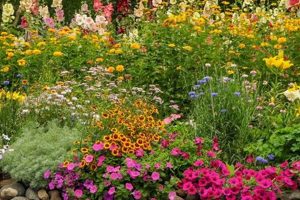
Incorporating plants around memorial stones can soften their appearance and create a more integrated landscape. Planting flowers or shrubs with symbolic meaning can add depth to the memorial. For example, planting forget-me-nots around a stone inscribed with a loved one’s name can create a poignant and visually appealing tribute. The selection of plants should consider their color, texture, and growth habits to ensure they complement the stone and contribute to the overall aesthetic harmony of the garden.
The judicious application of these principles ensures that memorial stones serve not only as tributes but also as integral elements contributing to the aesthetic enhancement of the garden landscape. By carefully considering material harmony, inscription style, placement, and integration with planting schemes, one can create a meaningful and visually appealing memorial space.
7. Symbolic Representation
The deployment of symbolic representation within memorial stones situated in garden settings transcends mere personalization; it establishes a profound connection between the tangible marker and intangible concepts of remembrance, identity, and enduring values. The chosen symbols, deliberately embedded within the stone’s design, transform it into a repository of layered meanings, resonating deeply with those who interact with the memorial.
- Floral Symbolism
The incorporation of floral motifs, such as roses signifying love or lilies representing purity, leverages established botanical symbolism to communicate specific sentiments. A stone adorned with a carved oak leaf might denote strength and longevity, reflecting attributes ascribed to the deceased. The strategic deployment of floral symbols enriches the memorial stone’s narrative, providing a visual shorthand for complex emotions and characteristics.
- Geometric and Abstract Forms
Geometric shapes and abstract designs can convey symbolic meanings that transcend literal representation. A circle might symbolize eternity, while a labyrinthine pattern could represent life’s journey. These forms, often open to interpretation, encourage personal reflection and engagement with the memorial. Their abstract nature allows for a more nuanced and individualized understanding of the symbolic intent.
- Animal Representations
The inclusion of animal figures can evoke qualities associated with specific species. A carving of a butterfly may symbolize transformation and rebirth, while a depiction of a loyal dog could represent companionship and unwavering devotion. The selection of animal representations provides a tangible means of expressing abstract concepts, grounding the memorial in relatable imagery.
- Cultural and Religious Symbols
The use of cultural or religious symbols, such as a Celtic knot or a Star of David, establishes a connection to shared heritage and belief systems. These symbols provide a sense of belonging and continuity, linking the individual memorialized to a broader community. Their inclusion acknowledges the importance of cultural and spiritual identity in shaping individual lives and legacies.
Through the deliberate and thoughtful employment of symbolic representation, memorial stones within garden settings become potent vehicles for conveying personal narratives, cultural values, and enduring emotions. The careful selection of symbols transforms the stone from a mere marker into a rich tapestry of meaning, inviting contemplation and fostering a deeper connection with the past.
Frequently Asked Questions
The following addresses common inquiries concerning memory stones intended for garden settings, providing factual and objective responses. These questions explore fundamental aspects of material selection, inscription met
hods, placement considerations, maintenance practices, and long-term preservation.
Question 1: What materials are most suitable for crafting memory stones designed for outdoor garden environments?
Durable and weather-resistant materials such as granite, slate, and fieldstone are preferred. These options exhibit superior resistance to weathering, erosion, and biological growth, ensuring longevity and legibility of inscriptions.
Question 2: Which engraving methods provide the most enduring and legible inscriptions for garden memory stones?
Deeply carved or sandblasted inscriptions are recommended. These techniques create indentations that are less susceptible to wear and erosion compared to surface etchings, ensuring the inscription remains visible over time.
Question 3: What factors should be considered when selecting a location for placing a memory stone within a garden?
Considerations include visibility from key vantage points, accessibility for visitation, proximity to complementary plants or features, and exposure to sunlight and moisture. The location should enhance both the aesthetic appeal of the garden and the commemorative significance of the stone.
Question 4: How should memory stones be maintained to preserve their appearance and legibility over time?
Regular cleaning with a soft brush and mild detergent is recommended to remove dirt, moss, or algae buildup. Harsh chemicals should be avoided as they can damage the stone’s surface or inscription. Protective sealants can be applied to enhance weather resistance.
Question 5: What inscription details are most appropriate for personalizing a garden memory stone?
Names, dates, significant quotations, and symbolic emblems are commonly used to personalize memory stones. Inscriptions should be concise, legible, and reflective of the individual or event being commemorated.
Question 6: How can the symbolic representation of flowers, geometric patterns or animal forms enchance the garden memory stones?
Floral motifs, geometric patterns and animal forms may leverage recognized symbology to convey sentiment, represent a life or convey a set of traits. They help to make a stone more personal by conveying more about a person that just a name and dates.
These responses provide a foundational understanding of the key considerations involved in selecting, personalizing, placing, and maintaining memory stones within garden environments. Additional research may be necessary to address specific circumstances or preferences.
The subsequent section will present a case study illustrating the successful integration of memory stones into a residential garden, highlighting best practices and potential challenges.
Memory Stones for Garden
This exploration of memory stones for garden has illuminated their multifaceted role as enduring markers, personalized tributes, and integral components of garden design. The preceding sections have detailed the importance of material selection, inscription methods, strategic placement, and ongoing maintenance in ensuring the longevity and commemorative value of these stones. The integration of symbolic representation and aesthetic enhancement further elevates their significance, transforming them from simple objects into potent vehicles for remembrance.
The thoughtful incorporation of memory stones into garden landscapes provides a tangible link to the past, fostering reflection and preserving legacies for future generations. By carefully considering the principles outlined herein, individuals can create meaningful and lasting memorials that enhance both the beauty and the emotional depth of their outdoor spaces. The enduring nature of stone, coupled with the personal touch of inscription, ensures that these memorials will continue to resonate for years to come.