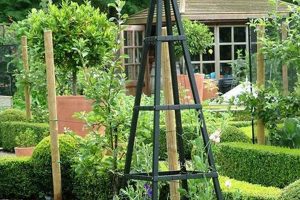
Wall coverings featuring botanical and floral designs intended to evoke the aesthetic of outdoor spaces are a common interior decorating choice. These depictions range from photorealistic landscapes to stylized representations of flora and fauna. An example includes a wall covering depicting a climbing rose trellis against a soft blue sky, creating the illusion of a garden view.
The employment of nature-inspired motifs in interior design contributes to a sense of tranquility and connection with the outdoors, particularly beneficial in urban environments or during seasons of limited access to natural settings. Historically, such decorations provided a means for individuals to incorporate elements of the natural world into their homes, reflecting both personal taste and prevailing design trends. The application of verdant imagery can psychologically benefit occupants by reducing stress and promoting a feeling of well-being.
Subsequent sections will explore the various styles and materials used in the production of these decorative elements, alongside considerations for their selection, application, and maintenance within different interior spaces. The analysis will also encompass the impact of evolving printing technologies on the accessibility and design possibilities within this decorative category.
Selection and Application Guidance
The following recommendations are intended to aid in the judicious selection and effective implementation of decorative wall coverings that emulate garden environments.
Tip 1: Evaluate Room Size and Lighting: Smaller spaces benefit from patterns with a lighter color palette and smaller, less dense botanical motifs to prevent overwhelming the area. Rooms with limited natural light may necessitate brighter, more vibrant designs to compensate.
Tip 2: Consider the Existing Dcor: The selected design should complement the existing furniture, flooring, and architectural style of the room. A cohesive aesthetic is achieved by aligning the color schemes and design styles.
Tip 3: Assess the Quality of the Wall Surface: Prior to installation, ensure the wall surface is smooth, clean, and free of imperfections. Uneven surfaces may require patching and sanding to guarantee proper adhesion and a flawless finish.
Tip 4: Choose Appropriate Material: The material should be chosen based on the intended use and environment. Vinyl options are suitable for areas prone to moisture, such as bathrooms, while non-woven materials offer better breathability.
Tip 5: Implement Pattern Matching Techniques: When installing designs with intricate repeats, meticulous pattern matching is essential to ensure a seamless appearance. This requires careful planning and precise application.
Tip 6: Prioritize Professional Installation for Complex Designs: For intricate patterns or large-scale applications, engaging a professional installer is recommended to avoid errors and ensure a high-quality result.
Tip 7: Consider the Psychological Impact: Different botanical motifs can evoke distinct emotions. Consider the desired atmosphere when choosing a design. For example, calming greens and blues can create a serene environment.
Careful consideration of these guidelines will contribute to the selection of a design that enhances the aesthetic appeal of the space and provides lasting satisfaction.
The subsequent sections will further elaborate on the specific design trends and maintenance procedures associated with these decorative wall coverings.
1. Botanical Motifs

Botanical motifs constitute a primary element in the definition and aesthetic impact of garden-themed wall coverings. The selection and execution of these motifs directly influence the visual coherence and perceived realism of the overall design. The presence of botanically accurate depictions contributes to the creation of an immersive environment, simulating the experience of being within a garden. Conversely, stylized or abstract representations offer a more interpretive and artistic approach, allowing for greater flexibility in color palette and pattern arrangement. For instance, a wall covering featuring detailed illustrations of various fern species evokes a sense of lushness and naturalism, while a design incorporating simplified floral shapes in muted tones creates a more subtle and contemporary effect.
The implementation of botanical motifs further impacts the psychological response to the space. Specific plant species may be associated with particular emotions or memories, contributing to the overall ambiance of the room. The scale, density, and arrangement of the motifs can either enhance or detract from the sense of spaciousness and tranquility. Furthermore, advancements in printing technology have enabled increasingly intricate and realistic botanical representations, expanding the creative possibilities for interior design. For example, three-dimensional printing techniques allow for textured surfaces that mimic the tactile qualities of leaves or petals, enhancing the sensory experience.
In summary, botanical motifs are indispensable components of decorative wall coverings aimed at evoking garden environments. The careful consideration of botanical accuracy, stylistic interpretation, and printing techniques is crucial for achieving the desired aesthetic and psychological impact. Understanding the relationship between these motifs and the overall design allows for informed selection and application, resulting in interior spaces that are both visually appealing and emotionally resonant.
2. Color Palettes

The selection of color palettes exerts a profound influence on the efficacy of evoking the desired aesthetic and emotional response when utilizing garden-themed wall coverings. Color choices dictate the perceived realism, vibrancy, and overall atmosphere of the depicted garden environment. Inappropriate color combinations can result in a discordant or unconvincing visual representation, undermining the intended effect. For instance, a palette dominated by artificial, highly saturated hues may detract from the naturalism typically associated with garden settings, rendering the decoration less effective. Conversely, employing nuanced gradations of greens, browns, and floral accents can convincingly simulate the organic complexity of a natural landscape. The inherent connection between color palette and the success of the decorative element is undeniable.
Consider the impact of specific color schemes. A cool, muted palette of blues, greens, and grays can evoke a serene and tranquil atmosphere, reminiscent of a shaded woodland garden. This is frequently employed in bedrooms or spaces intended for relaxation. Alternatively, a vibrant palette of reds, yellows, and oranges can create an energetic and stimulating environment, suggestive of a sun-drenched floral display. This is often implemented in living rooms or areas where social int
eraction is encouraged. The deliberate manipulation of color palettes allows interior designers to precisely control the emotional impact of the decorative wall covering and tailor it to the intended use of the space. Real-world examples in luxury hotels, for instance, frequently employ subtle, sophisticated color schemes to enhance the sense of relaxation and immersion in a curated garden setting.
In conclusion, color palettes serve as a fundamental determinant in the effectiveness of garden-themed wall coverings. The strategic application of appropriate color combinations is crucial for creating a realistic, evocative, and emotionally resonant environment. Challenges in this domain arise from the need to balance artistic expression with the faithful representation of natural color variations. However, a thorough understanding of color theory and the psychological effects of different hues remains paramount in realizing the full potential of such decorative elements.
3. Material Durability

The longevity and aesthetic appeal of wall coverings featuring garden themes are directly contingent upon the durability of the materials used in their construction. The selection of appropriate materials is not merely an aesthetic consideration, but a practical necessity to ensure resistance to environmental factors, wear and tear, and the maintenance of visual integrity over extended periods. Substandard materials will lead to premature degradation, resulting in fading, tearing, or detachment from the wall surface, thereby negating the intended visual impact and necessitating costly replacements. For example, in high-humidity environments, the use of non-vinyl based papers can result in the growth of mold and mildew, rendering the wall covering unsightly and potentially hazardous to health. Conversely, durable vinyl options, properly installed and maintained, can withstand moisture and cleaning, preserving the design for years.
Further, the practical applications of understanding material durability extend to informing consumer choices and guiding the development of improved products. In commercial settings, such as restaurants or hotels employing garden-themed wall decor, high-traffic areas demand materials with superior abrasion resistance and cleanability. The ability of a material to withstand repeated scrubbing and exposure to cleaning agents without degradation is crucial. Similarly, residential applications, particularly in homes with children or pets, benefit from materials that are resistant to scratches, stains, and impact damage. Product development in the wall covering industry is increasingly focused on incorporating advanced coatings and substrates that enhance durability without compromising aesthetic appeal, resulting in longer lifespans and reduced lifecycle costs.
In summary, material durability is a critical determinant of the overall value and lifespan of garden-themed wall coverings. The informed selection of appropriate materials, based on environmental conditions and usage patterns, is essential for preserving the visual integrity and minimizing the need for frequent replacements. The challenge lies in balancing aesthetic considerations with the practical requirements of durability, a challenge that is being addressed through ongoing innovation in materials science and manufacturing techniques, benefiting both consumers and the environment through increased product longevity and reduced waste.
4. Pattern Scale

The visual impact and spatial perception of garden-themed wall coverings are significantly influenced by the pattern scale. An inappropriate scale can disrupt the intended aesthetic and compromise the overall design coherence of the interior space. Careful consideration of pattern scale is therefore paramount in achieving a harmonious and visually pleasing environment.
- Room Size and Pattern Density
Smaller rooms typically benefit from smaller-scale patterns to avoid overwhelming the space. Dense, large-scale botanical prints can visually shrink a room, creating a claustrophobic effect. Conversely, expansive spaces can accommodate larger, more intricate designs without sacrificing the perception of spaciousness. Failure to consider the room size can result in a disorienting or visually cluttered environment.
- Furniture and Architectural Elements
The scale of the pattern should complement the existing furniture and architectural features of the room. Large-scale floral patterns may clash with ornate furniture or intricate moldings, creating a discordant aesthetic. Simpler, smaller-scale designs tend to integrate more seamlessly with diverse furnishings and architectural styles, fostering a more unified and balanced look.
- Viewing Distance and Detail Perception
The distance from which the wall covering will be viewed influences the perception of detail and the overall impact of the pattern. A large-scale design viewed from a close distance may appear pixelated or overwhelming, while a smaller-scale pattern may lose its detail when viewed from afar. Optimizing the pattern scale relative to the viewing distance ensures that the design is both visually engaging and aesthetically pleasing.
- Psychological Effects and Mood
Pattern scale can subtly influence the psychological atmosphere of a room. Large-scale, bold patterns can create a sense of energy and excitement, while smaller-scale, delicate designs tend to promote a feeling of tranquility and relaxation. The choice of pattern scale should align with the intended mood and purpose of the space, contributing to a cohesive and emotionally resonant interior environment.
The interplay between pattern scale and the surrounding environment is critical in determining the success of garden-themed wall coverings. By carefully considering the room size, furniture, viewing distance, and desired mood, it is possible to select a pattern scale that enhances the aesthetic appeal of the space and creates a visually harmonious and emotionally satisfying environment.
5. Installation Technique

The efficacy and longevity of garden-themed wall coverings are inextricably linked to the chosen installation technique. Improper installation can undermine the aesthetic intent, leading to premature failure and necessitating costly remediation. Adherence to established best practices is therefore paramount to realizing the full potential of such decorative elements.
- Surface Preparation
Adequate surface preparation is foundational to successful wall covering installation. The substrate must be clean, dry, smooth, and free of any contaminants that could impede adhesion. Failure to properly prepare the surface can result in bubbles, wrinkles, or delamination of the wall covering. Priming the surface with an appropriate product is often necessary to ensure optimal adhesion and prevent moisture migration. For instance, existing glossy paint must be sanded or treated with a deglosser to provide a suitable bonding surface. The implications of neglecting this step are readily apparent in installations where the wall covering begins to peel away within a short period.
- Adhesive Selection
The selection of an appropriate adhesive is crucial for ensuring the long-term integrity of the installation. Different wall covering materials require different types of adhesive, and using the wrong adhesive can lead to adhesion failures, staining, or discoloration. For example, heavy, non-woven wall coverings necessitate a high-strength adhesive specifically formulated for such materials. Consult manufacturer guidelines and industry standards to determine the optimal adhesive for the specific wall covering being used. The consequences of improper adhesive selection are frequently manifested in wall coverings that bubble or sag over time.
- Pattern Matching
Garden-themed wall coverings often feature intricate patterns that require precise matching during installation. Failure to accurately align the pattern can result in a visually jarring and unprofessional appearance. Careful planning, precise measurements, and meticulous attention to detail are essential. Utilizing a plumb bob or laser level can assist in maintaining vertical alignment. In complex patterns, the amount of waste material generated during pattern matching should be factored into the initial material purchase. Examples of poorly matched patterns detract significantly from the overall aesthetic and demonstrate a lack of professional execution.
- Seam Treatment
Proper seam treatment is critical for creating a seamless and aesthetically pleasing finish. Seams should be tightly butted together and rolled with a seam roller to ensure a strong bond and prevent lifting or curling. Using a seam adhesive can further enhance the integrity of the seams. Overlapping seams should be avoided, as they create a visible ridge and can trap dirt and moisture. The application of a sealant can prevent moisture penetration and protect the seams from wear and tear. Properly treated seams are virtually invisible and contribute significantly to the overall quality of the installation. Conversely, poorly treated seams are readily apparent and detract from the finished product.
These installation techniques are directly relevant to the successful implementation of garden-themed wall coverings. Mastery of these techniques is essential for achieving a professional and aesthetically pleasing result that will endure over time. Neglecting these fundamental principles will invariably lead to dissatisfaction and the need for costly repairs or replacements.
6. Room Ambiance

Room ambiance, defined as the overall atmosphere or feeling of an interior space, is profoundly impacted by the selection and application of decorative wall coverings, particularly those incorporating garden themes. These wall coverings exert a significant influence on the emotional and sensory experience within a room, necessitating a careful consideration of their aesthetic properties. The intended function of the space, personal preferences, and existing design elements must be harmonized to achieve a cohesive and desirable ambiance.
- Color and Light Interaction
The color palette of the wall covering, in conjunction with the room’s lighting conditions, fundamentally shapes the ambiance. Light colors and reflective surfaces can enhance brightness and create a sense of spaciousness, while darker tones can evoke a feeling of intimacy and warmth. Garden-themed wall coverings incorporating greens and blues, for example, can mimic the calming effect of nature, while brighter floral patterns may energize a space. Insufficient natural light may necessitate lighter, more reflective colors to compensate for the lack of illumination. The interaction of natural and artificial light with the wall covering’s texture and color is critical to achieving the desired ambiance.
- Pattern Scale and Visual Complexity
The scale and complexity of the pattern directly influence the perceived density and visual interest of the room. Large-scale, bold patterns can dominate a space, creating a dramatic and visually stimulating ambiance. Smaller-scale, more delicate patterns tend to foster a sense of tranquility and subtlety. Overly complex or busy patterns can lead to visual fatigue and a feeling of clutter. Garden-themed wall coverings with intricate botanical illustrations may be appropriate for larger rooms, while simpler, more abstract designs are often better suited for smaller spaces. The selection of pattern scale should align with the desired level of visual stimulation and the overall design aesthetic.
- Textural Elements and Tactile Sensation
The tactile qualities of the wall covering contribute to the overall sensory experience and can subtly influence the ambiance. Textured wall coverings, such as those with embossed patterns or natural fibers, add depth and dimension to a room, creating a more engaging and inviting atmosphere. Smooth, non-textured surfaces tend to be more minimalist and contemporary in their effect. Garden-themed wall coverings can incorporate textures that mimic the feel of leaves, flowers, or other natural elements, enhancing the immersive quality of the design. The selection of textural elements should complement the other sensory components of the room, such as lighting, sound, and scent, to create a cohesive and harmonious ambiance.
- Psychological Associations and Emotional Response
Certain motifs and colors are inherently associated with specific emotions and psychological states. Garden-themed wall coverings can evoke feelings of relaxation, peace, and connection with nature. Green hues are often associated with calmness and tranquility, while floral patterns can inspire feelings of joy and optimism. The choice of specific botanical elements, such as lavender, known for its calming properties, or roses, associated with romance, can further enhance the emotional impact of the wall covering. The selection of motifs should align with the desired psychological effect and the intended purpose of the space, creating an ambiance that is conducive to well-being and positive emotional experiences.
The connection between room ambiance and garden-themed wall coverings is multifaceted, encompassing visual, tactile, and psychological dimensions. The strategic selection of color, pattern scale, texture, and motifs is essential for creating a cohesive and desirable ambiance that enhances the overall sensory experience and fosters a sense of well-being. Further examples include the strategic use of panoramic garden scenes to visually expand a confined space or the implementation of muted, earthy tones to create a soothing and meditative atmosphere. These design choices must be integrated to maximize the potential of the space.
7. Design Trends
The evolving landscape of interior design exerts a substantial influence on the aesthetic characteristics and consumer demand for garden-themed wall coverings. Shifts in design trends directly affect the motifs, color palettes, and material preferences associated with these decorative elements. Cause and effect are readily observable; for example, the rise of biophilic design, emphasizing the connection between humans and nature, has spurred increased demand for wall coverings featuring realistic botanical prints and verdant color schemes. This trend prioritizes natural elements and seeks to reduce stress by bringing the outdoors in. Understanding these trends is paramount for manu
facturers and retailers seeking to cater to contemporary consumer preferences and maintain market relevance. Recent examples include the surge in popularity of “cottagecore,” a design trend celebrating rustic charm and natural beauty, which has led to increased demand for wall coverings featuring floral patterns, pastoral scenes, and delicate color palettes. The practical significance lies in the ability to anticipate and capitalize on emerging trends, optimizing product development and marketing strategies.
Further analysis reveals a cyclical nature to design trends, with recurring themes often reinterpreted through a contemporary lens. For instance, the resurgence of Art Deco influences has led to the incorporation of stylized botanical motifs and geometric patterns in garden-themed wall coverings. These modern interpretations often feature metallic accents and bold color combinations, reflecting a departure from the more traditional depictions of natural landscapes. Practical applications include the customization of wall coverings to align with specific design trends, catering to niche markets and creating unique selling propositions. The collaboration between designers and manufacturers is critical in translating abstract trend forecasts into tangible and marketable products. Consider the example of Pantone’s Color of the Year; its selection frequently influences color palettes across various industries, including interior design, prompting the adoption of corresponding hues in wall covering designs.
In conclusion, design trends are a fundamental driver of innovation and consumer demand in the realm of garden-themed wall coverings. Understanding the nuances of these trends, from the influence of biophilic design to the cyclical nature of aesthetic preferences, is essential for manufacturers and retailers seeking to maintain competitiveness. Challenges arise in accurately predicting and interpreting emerging trends, necessitating robust market research and close collaboration with design professionals. Addressing these challenges requires a proactive approach to trend forecasting, enabling the development of products that resonate with contemporary consumer tastes and contribute to the creation of visually compelling and emotionally resonant interior spaces. This knowledge links to the broader theme of how cultural shifts and aesthetic preferences shape the design and consumption of decorative elements in the built environment.
Frequently Asked Questions Regarding Garden Wallpaper
The subsequent questions and answers address common inquiries and misconceptions pertaining to decorative wall coverings featuring botanical or floral motifs intended to evoke the aesthetic of outdoor spaces.
Question 1: What distinguishes “garden wallpaper” from other floral or botanical wall coverings?
The term “garden wallpaper” specifically refers to wall coverings designed to create an immersive environment reminiscent of a garden setting. This often involves depictions of landscapes, intricate floral arrangements, or patterns that mimic the structure and elements of a cultivated garden. Other floral or botanical wall coverings may focus on individual flowers or plants without necessarily conveying the overall ambiance of a garden.
Question 2: Is “garden wallpaper” suitable for all rooms within a dwelling?
The suitability of decorative wall coverings featuring botanical motifs depends on the room’s size, lighting, and intended function. Smaller rooms may benefit from designs with smaller-scale patterns and lighter color palettes to prevent visual overcrowding. Rooms with limited natural light may require brighter, more vibrant designs to compensate. High-humidity environments, such as bathrooms, necessitate materials with moisture resistance.
Question 3: What are the primary considerations when selecting an adhesive for “garden wallpaper” installation?
The selection of an adhesive is contingent upon the type of wall covering material. Heavy, non-woven materials require a high-strength adhesive specifically formulated for such applications. Vinyl wall coverings may necessitate an adhesive with moisture resistance. Consultation of manufacturer guidelines and adherence to industry standards are essential to ensure proper adhesion and prevent delamination.
Question 4: How does pattern scale affect the perceived size of a room when “garden wallpaper” is utilized?
Large-scale patterns can visually shrink a room, creating a more intimate but potentially claustrophobic environment. Smaller-scale patterns tend to create a sense of spaciousness and openness. The pattern scale should be proportional to the room size to achieve a harmonious and visually balanced effect.
Question 5: What maintenance procedures are recommended to prolong the lifespan of “garden wallpaper?”
Maintenance procedures vary depending on the material. Vinyl wall coverings can typically be cleaned with a damp cloth and mild detergent. Non-woven materials may require more delicate cleaning methods to prevent damage. Regular dusting and prompt removal of stains are essential to maintain the visual integrity of the wall covering.
Question 6: Do contemporary trends favor realistic or abstract botanical depictions in “garden wallpaper” designs?
Both realistic and abstract botanical depictions are prevalent in contemporary designs. The choice between realistic and abstract styles depends on personal preferences and the overall aesthetic of the interior space. Biophilic design principles favor realistic depictions that evoke a strong connection with nature, while minimalist or contemporary designs may incorporate more abstract or stylized patterns.
In summary, successful implementation of botanical-themed wall coverings requires careful consideration of material selection, adhesive compatibility, pattern scale, and appropriate maintenance procedures. Adherence to these guidelines will contribute to the creation of visually appealing and enduring interior spaces.
The next section will provide specific instructions on how to choose the most appropriate style for a room.
Conclusion
This exposition has presented a comprehensive analysis of garden wallpaper, detailing its aesthetic properties, material considerations, installation techniques, and the influence of design trends. Key points encompassed the significance of botanical motifs, the impact of color palettes, the importance of material durability, the role of pattern scale, and the influence of installation methods on the longevity and visual impact of these wall coverings. Additionally, the discussion highlighted the critical relationship between these decorative elements and the overall ambiance of interior spaces.
The judicious selection and application of garden wallpaper, informed by the principles outlined herein, represent a powerful tool for enhancing interior environments and fostering a connection with the natural world. As design innovations continue to evolve, a continued emphasis on informed decision-making will remain paramount in realizing the full potential of this decorative medium. Further exploration of emerging printing technologies and sustainable material options will undoubtedly shape the future of garden wallpaper and its role in interior design.