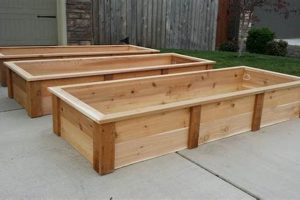
The selection of plants suitable for cultivation within elevated garden structures is a significant consideration for horticulturists and home gardeners alike. This choice is dictated by factors such as soil composition, sunlight exposure, and regional climate. For example, a gardener in a temperate zone might opt for cool-season vegetables like lettuce and spinach, while someone in a warmer climate could successfully cultivate tomatoes or peppers.
The deliberate selection of appropriate flora maximizes the yield and health of the garden. Raised beds offer improved drainage and soil control, leading to enhanced root development and overall plant vigor. Historically, these structures have been utilized to overcome challenges associated with poor native soil quality or limited space, allowing for increased food production and ornamental cultivation in diverse environments.
Therefore, subsequent sections will delve into specific categories of plants well-suited for these controlled environments, examining optimal growing conditions and offering practical guidance for successful cultivation and maintenance. These categories will include vegetables, herbs, flowers, and fruits, highlighting their individual needs and potential benefits within a raised garden setting.
Cultivation Strategies for Elevated Garden Structures
Effective utilization of elevated garden structures necessitates careful consideration of several key cultivation strategies. Adherence to these principles will optimize plant health and maximize yields.
Tip 1: Soil Composition is Paramount: Employ a well-draining soil mix rich in organic matter. A blend of compost, peat moss, and vermiculite is generally recommended. Avoid heavy clay soils that can impede drainage and root development.
Tip 2: Optimize Sunlight Exposure: Orient the bed to maximize sunlight exposure, ideally at least six hours per day for sun-loving vegetables such as tomatoes and peppers. Shade-tolerant options like lettuce and spinach can thrive with less direct sunlight.
Tip 3: Implement Vertical Growing Techniques: Utilize trellises, cages, or stakes to support vining plants such as cucumbers and beans. This maximizes space utilization and improves air circulation, reducing the risk of fungal diseases.
Tip 4: Strategic Companion Planting: Plant compatible species together to deter pests, attract pollinators, and enhance nutrient uptake. For example, basil planted near tomatoes can deter tomato hornworms and improve tomato flavor.
Tip 5: Regular Watering and Fertilization: Monitor soil moisture levels regularly and water deeply when the top inch of soil feels dry. Supplement with a balanced fertilizer according to plant needs and soil test results.
Tip 6: Crop Rotation Practices: Implement a crop rotation strategy to minimize soil-borne diseases and nutrient depletion. Avoid planting the same plant family in the same location year after year.
Tip 7: Pest and Disease Management: Regularly inspect plants for signs of pests or diseases. Employ organic pest control methods such as insecticidal soap or neem oil as needed. Remove diseased plant material promptly to prevent spread.
By implementing these strategies, cultivators can significantly enhance the productivity and longevity of their elevated garden structures, leading to increased yields and improved plant health. Success hinges on a combination of appropriate plant selection, meticulous soil management, and proactive pest and disease control.
The following sections will explore common challenges associated with these structures, as well as strategies to mitigate these issues.
1. Soil Requirements

Soil composition exerts a profound influence on plant health and productivity within a raised garden bed. Consequently, aligning soil characteristics with the specific demands of the cultivated species is of paramount importance. The selection of plants for such a structure should be predicated on the inherent soil properties and the capacity to amend the soil effectively to meet the plants’ needs. For instance, root vegetables such as carrots and radishes require loose, well-drained soil to facilitate unobstructed root development. Planting these in compacted or clay-heavy soil would likely result in stunted growth or misshapen roots. The cause-and-effect relationship is direct: inappropriate soil leads to suboptimal plant performance. Understanding this dependency is essential for successful gardening.
The practical significance of comprehending soil requirements extends beyond mere growth; it impacts nutrient availability. Plants extract essential minerals from the soil, and their accessibility is contingent on pH levels and soil composition. Acid-loving plants, like blueberries, thrive in soil with a lower pH, whereas other plants prefer alkaline conditions. Ignoring these specific needs can lead to nutrient deficiencies, even if the nutrients are present in the soil. Furthermore, soil texture affects water retention and drainage, impacting root health and the risk of root rot. An example includes the cultivation of lavender, a drought-tolerant herb, which necessitates well-drained soil to prevent overwatering, a condition often fatal to the plant.
In summary, the connection between soil requirements and plant selection within raised garden beds cannot be overstated. Addressing soil composition, pH levels, and drainage capabilities is critical for fostering plant health and maximizing yields. Neglecting these fundamental aspects will invariably lead to challenges, undermining the overall success of the gardening endeavor. The practical application of this knowledge ensures a thriving ecosystem within the controlled environment of the raised garden bed, emphasizing the integral role of soil in determining “what to grow.”
2. Sunlight Exposure

Sunlight exposure is a critical determinant of plant health and productivity within the context of “what to grow in raised garden beds.” The quantity and duration of sunlight received directly influence photosynthetic rates, impacting plant growth, flowering, and fruiting. A mismatch between a plant’s light requirements and the actual sunlight exposure can result in stunted growth, reduced yields, or complete failure to thrive. For instance, sun-loving vegetables such as tomatoes, peppers, and eggplants require a minimum of six to eight hours of direct sunlight daily to achieve optimal yields. Conversely, shade-tolerant plants like lettuce, spinach, and certain herbs can flourish with only three to four hours of direct sunlight or in dappled shade. The selection of appropriate plant species must therefore be predicated on a thorough assessment of the available sunlight within the raised garden bed’s location.
The practical implications of understanding sunlight exposure extend to the strategic placement of plants within the raised bed itself. Taller plants should be positioned in a manner that does not cast excessive shade on shorter, sun-sensitive species. Furthermore, the orientation of the raised bed relative to the sun’s path throughout the day is a crucial consideration. In the Northern Hemisphere, a south-facing orientation generally provides the greatest amount of sunlight exposure. Seasonal variations in sunlight intensity and duration must also be accounted for, potentially necessitating adjustments in planting schedules or the use of supplemental lighting during periods of reduced sunlight. Real-world examples abound: a gardener attempting to grow tomatoes in a shaded area might observe spindly growth, delayed fruit set, and reduced fruit size, highlighting the direct consequence of insufficient sunlight. Conversely, planting shade-loving greens in full sun can lead to leaf scorch and bolting, rendering them unpalatable.
In summary, the alignment of sunlight exposure with plant-specific requirements is fundamental to successful cultivation in raised garden beds. Recognizing the interplay between light availability, plant physiology, and environmental factors allows for informed decision-making regarding plant selection and garden layout. A failure to adequately address sunlight requirements represents a significant obstacle to maximizing the productivity and aesthetic appeal of a raised garden bed, underscoring its importance within the broader context of “what to grow.” Overcoming this challenge relies on careful observation, accurate assessment, and a willingness to adapt planting strategies to optimize sunlight utilization.
3. Space Constraints

The inherent limitations of physical area within elevated garden structures, frequently termed “space constraints,” represent a primary determinant influencing the selection of suitable plant species. This necessitates a strategic approach to garden planning, prioritizing plant varieties that maximize yield relative to their spatial footprint. Failure to adequately address spatial limitations can result in overcrowding, reduced air circulation, increased susceptibility to disease, and diminished overall productivity.
- Plant Size and Growth Habit
The mature size and growth habit of a plant significantly impact its suitability for raised bed cultivation. Compact varieties, such as bush beans versus pole beans or determinate versus indeterminate tomatoes, are generally preferred to minimize spatial demands. For example, a sprawling squash vine can quickly overwhelm a small raised bed, whereas a more contained variety, such as a zucchini bush, is a more practical choice. Careful consideration of these factors ensures that each plant has adequate room to develop without compromising the growth of neighboring species.
- Vertical Gardening Techniques
Implementing vertical gardening techniques, such as trellising or staking, provides a means of maximizing space utilization within a limited area. Vining plants, including cucumbers, peas, and certain types of squash, can be trained to grow vertically, thereby reducing their horizontal footprint. The use of vertical structures not only conserves space but also improves air circulation and sunlight penetration, contributing to overall plant health and productivity. Real-world illustrations include the successful cultivation of climbing roses or grapevines on trellises within a confined raised bed setting.
- Succession Planting and Intercropping
Employing succession planting and intercropping strategies allows for the efficient utilization of space and resources throughout the growing season. Succession planting involves planting successive crops of the same vegetable in the same space, staggering planting dates to ensure a continuous harvest. Intercropping, on the other hand, entails planting compatible species together in close proximity, taking advantage of differences in growth habit and nutrient requirements. An illustration involves planting fast-growing radishes between rows of slower-growing carrots, utilizing the available space before the carrots mature and fill in the area.
- Root Systems and Nutrient Competition
The root systems of different plant species vary considerably in their extent and depth. When selecting plants for a raised bed, it is essential to consider potential competition for water and nutrients. Plants with shallow root systems may be better suited for intercropping with deep-rooted species, reducing the likelihood of resource depletion. Examples include pairing leafy greens with root vegetables or herbs, creating a mutually beneficial environment within the confines of the raised bed.
The strategic management of space constraints is paramount to optimizing the productivity of raised garden beds. By carefully considering plant size, implementing vertical gardening techniques, employing succession planting and intercropping strategies, and understanding root system dynamics, gardeners can maximize yields within a limited area. These practices, when effectively implemented, contribute to a thriving and sustainable garden ecosystem, exemplifying the importance of spatial awareness in determining “what to grow.”
4. Regional Climate

Regional climate exerts a fundamental influence on the selection of suitable plant species for cultivation within raised garden beds. The prevailing temperature patterns, precipitation levels, and growing season length inherent to a particular geographic region dictate the types of plants that can successfully thrive. Attempting to cultivate species ill-suited to the local climate often results in stunted growth, reduced yields, or complete crop failure. For example, attempting to grow tropical fruits in a region with prolonged freezing temperatures is demonstrably unsustainable without significant artificial intervention. Conversely, cultivating cool-season vegetables during the heat of summer may lead to premature bolting or heat stress. The effectiveness of raised garden beds, therefore, hinges on meticulous plant selection aligned with the limitations and opportunities presented by the prevailing regional climate.
The practical significance of understanding regional climate extends to the selection of appropriate plant varieties within a given species. For instance, within the species Lycopersicon esculentum (tomato), numerous varieties exhibit varying degrees of heat tolerance, disease resistance, and maturation times. Gardeners in regions with short growing seasons may opt for early-maturing tomato varieties to ensure a harvest before the onset of frost. Similarly, those in humid climates may prioritize disease-resistant varieties to mitigate the risk of fungal infections. Climate data, including average frost dates, historical temperature ranges, and precipitation patterns, serves as a crucial resource for informed plant selection, enabling gardeners to maximize yields and minimize the risk of crop losses. The implementation of microclimate manipulation techniques, such as the use of row covers or shade cloth, can further extend the growing season and protect plants from extreme weather conditions.
In summary, regional climate represents a primary constraint on “what to grow in raised garden beds.” Successful cultivation necessitates a comprehensive understanding of local climate conditions and a corresponding selection of plant species and varieties adapted to those conditions. Ignoring the influence of regional climate can undermine the effectiveness of raised bed gardening, rendering efforts futile and resources wasted. While raised beds can offer some degree of environmental control, their utility is ultimately limited by the broader climatic context. Therefore, integrating climate considerations into the planning and execution of raised bed gardening is essential for achieving sustainable and productive outcomes, underscoring the crucial role that understanding regional climate plays in making informed decisions about “what to grow.”
5. Companion Planting

The practice of companion planting, the strategic association of different plant species for mutual benefit, is particularly relevant within the controlled environment of raised garden beds. This intercropping technique leverages synergistic relationships to enhance growth, deter pests, and improve overall garden health, thereby influencing the range of “what to grow in raised garden beds” and how these species are combined.
- Pest Deterrence and Attraction
Certain plant combinations can naturally deter harmful insects or attract beneficial predators, reducing the need for chemical interventions. For instance, planting marigolds alongside tomatoes can repel nematodes and other soil-borne pests. Similarly, the inclusion of dill or fennel attracts beneficial insects like ladybugs and lacewings, which prey on aphids and other garden pests. This reduces the pressure on the primary crop and facilitates the sustainable management of pests, broadening the possibilities for successful cultivation within a contained space.
- Nutrient Cycling and Soil Improvement
Companion planting can also improve nutrient availability and soil structure. Leguminous plants, such as beans and peas, fix nitrogen in the soil, enriching it for nitrogen-demanding crops like corn or leafy greens. Deep-rooted plants can draw nutrients from lower soil layers, making them accessible to shallow-rooted species. The decomposition of organic matter from certain companion plants can improve soil structure and drainage, creating a more favorable environment for a wider variety of crops.
- Support and Physical Protection
Some plants can provide physical support or protection to others. Taller plants can offer shade to sun-sensitive species, preventing leaf scorch and reducing water stress during hot weather. Vining plants can utilize sturdy companions as natural trellises, maximizing space utilization and improving air circulation. Examples include planting corn stalks to support climbing beans or using sunflowers to provide shade for lettuce during the hottest part of the day.
- Weed Suppression and Ground Cover
Certain companion plants can effectively suppress weed growth by providing ground cover or releasing allelopathic compounds that inhibit weed germination. Low-growing plants, such as clover or thyme, can act as living mulches, preventing weeds from establishing and competing for resources. Allelopathic plants, such as rye or buckwheat, release chemicals into the soil that suppress weed growth, reducing the need for manual weeding and creating a more manageable environment for the desired crops.
The integration of companion planting principles into the planning and execution of raised garden beds allows for a more diverse and productive garden ecosystem. By carefully selecting plant combinations that offer mutual benefits, gardeners can enhance plant health, reduce pest pressure, improve soil fertility, and maximize space utilization. These synergistic interactions ultimately expand the range of “what to grow in raised garden beds” and improve the overall sustainability of the gardening endeavor.
Frequently Asked Questions
This section addresses common inquiries concerning plant selection and cultivation practices in raised garden beds, offering concise and authoritative responses.
Question 1: What soil composition is optimal for general use in raised garden beds?
A well-draining soil mix rich in organic matter is generally recommended. A blend of equal parts compost, peat moss (or coconut coir as a sustainable alternative), and vermiculite provides adequate drainage, aeration, and nutrient retention for a wide range of plant species. Amendment with aged manure or other organic materials can further enhance soil fertility.
Question 2: How frequently should raised garden beds be watered?
Watering frequency depends on several factors, including plant species, soil type, climate, and stage of growth. A general guideline is to water deeply when the top inch of soil feels dry to the touch. Overwatering should be avoided, as it can lead to root rot and other fungal diseases. The use of a soil moisture meter can assist in determining optimal watering schedules.
Question 3: What are effective strategies for managing pests in raised garden beds without resorting to chemical pesticides?
Implementing integrated pest management (IPM) techniques is crucial. This includes regular monitoring for pests, hand-picking insects, using insecticidal soap or neem oil, employing physical barriers such as row covers, and attracting beneficial insects with companion planting. Maintaining healthy soil and ensuring adequate air circulation can also reduce pest susceptibility.
Question 4: Can raised garden beds be used for year-round gardening in regions with cold winters?
With appropriate modifications, raised garden beds can facilitate year-round gardening in colder climates. The use of cold frames, hoop houses, or other protective structures can extend the growing season and protect plants from frost and freezing temperatures. Selecting cold-hardy plant varieties and implementing proper mulching techniques are also essential.
Question 5: How can the potential for soil-borne diseases be minimized in raised garden beds?
Crop rotation is a fundamental strategy for reducing the risk of soil-borne diseases. Avoiding planting the same plant family in the same location year after year can disrupt the life cycles of pathogens and prevent their buildup in the soil. Soil solarization, the process of covering the soil with clear plastic during the hottest months of the year, can also help to sterilize the soil and eliminate pathogens.
Question 6: What is the optimal depth for raised garden beds?
The optimal depth depends on the types of plants being grown. A minimum depth of 12 inches is generally recommended for most vegetables and herbs, allowing adequate room for root development. Deeper beds, ranging from 18 to 24 inches, are preferable for root vegetables or for individuals with mobility limitations, as they reduce the need for bending and kneeling.
In summary, success in raised garden bed cultivation hinges on informed decision-making, a thorough understanding of plant needs, and the implementation of sustainable gardening practices. Careful attention to soil composition, watering schedules, pest management, and other key factors will contribute to a thriving and productive garden ecosystem.
The subsequent section will explore advanced techniques for maximizing yield and extending the growing season in raised garden beds.
What to Grow in Raised Garden Beds
The foregoing exploration has elucidated the multifaceted considerations inherent in selecting flora appropriate for elevated garden structures. The success of any such endeavor is contingent upon a comprehensive understanding of regional climate, soil composition, sunlight exposure, spatial limitations, and the potential benefits of companion planting strategies. Each element operates in concert to influence plant health, yield, and overall sustainability of the raised bed ecosystem. A deviation from these core principles invariably leads to suboptimal results.
Therefore, a deliberate and informed approach to plant selection is not merely advisable, but essential. Further research, careful observation, and continuous adaptation are requisite for maximizing the potential of these specialized growing environments. The informed application of these principles ensures the enduring productivity and horticultural value of raised garden beds, and encourages sustainable cultivation practices within domestic settings.