



A device that increases the pressure of water flowing through a garden hose facilitates numerous outdoor tasks. This equipment operates by drawing water from a source, such as a well, rainwater harvesting system, or municipal supply, and then boosting its pressure for delivery through the hose. This enhanced pressure allows for more effective watering, cleaning, and irrigation.
The application of such technology offers significant advantages, including improved water efficiency, especially in large gardens or agricultural settings. It also allows users to perform tasks that require higher water pressure, such as washing vehicles or cleaning patios, more effectively. Historically, similar devices were manually operated, but modern versions predominantly use electric power for increased convenience and consistent performance.
Further discussion will explore the different types of these devices, their specific applications, selection criteria, and installation considerations. Detailed analysis will also cover performance metrics, maintenance procedures, and potential troubleshooting scenarios.
Essential Usage Considerations
Optimal utilization of the specified equipment requires careful attention to several key factors to ensure both effectiveness and longevity.
Tip 1: Priming Procedure: Before initial operation or after periods of disuse, ensure the mechanism is properly primed. This involves filling the pump chamber with water to displace any air, which prevents cavitation and damage to internal components.
Tip 2: Suction Lift Limitations: Be cognizant of the maximum suction lift capacity. Exceeding this specification can result in reduced performance or complete failure. Consult the manufacturer’s guidelines for specific limitations.
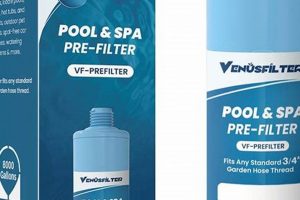
Tip 3: Filtration Implementation: Install a pre-filter at the water intake. This prevents debris from entering the pump, which can clog impellers and reduce efficiency, as well as cause extensive damage.
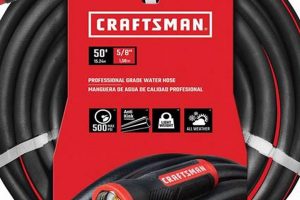
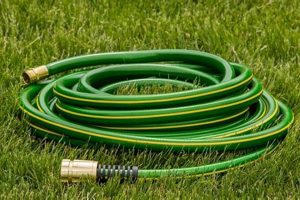
Tip 4: Hose Diameter Optimization: Use a garden hose with an appropriate diameter. A hose that is too narrow can create excessive backpressure, straining the motor and reducing flow rate. Match the hose diameter to the pump’s output specifications.
Tip 5: Electrical Supply Conformity: Verify the electrical supply matches the voltage and amperage requirements. Incorrect electrical input can cause overheating, motor failure, or create a fire hazard.
Tip 6: Freeze Protection Measures: During periods of freezing temperatures, drain the device completely to prevent ice formation. Ice expansion can crack the pump housing and damage internal components.
Tip 7: Regular Inspection and Maintenance: Conduct routine inspections of seals, connections, and hoses for leaks or damage. Replace worn parts promptly to maintain optimal performance and prevent costly repairs.
Adhering to these recommendations will maximize the functionality and lifespan of the equipment. Implementing these practices ensures consistent water delivery and minimizes the risk of equipment failure.
The following sections will delve into troubleshooting common issues and providing advanced operational guidelines.
1. Pressure Boosting Capability

Pressure boosting capability is a fundamental attribute of a device engineered to augment water pressure specifically for use with a garden hose. This characteristic directly influences the effectiveness of various tasks, from simple watering to more demanding applications.
- Impeller Design and Function
The design of the impeller within the pump is crucial for pressure generation. Impellers with larger diameters or more aggressive vane angles can impart greater kinetic energy to the water, resulting in higher output pressure. For example, a multi-stage impeller system can sequentially increase water pressure for applications requiring significant force, such as pressure washing.
- Motor Power and Performance
The electric motor driving the pump must possess sufficient power to maintain the desired pressure and flow rate. A more powerful motor can sustain higher pressures under load, preventing pressure drops when multiple outlets are used simultaneously. Insufficient motor power will lead to reduced performance and potential motor burnout.
- Pump Housing Material and Construction
The pump housing must withstand the pressure generated internally. Materials like cast iron or reinforced polymers provide the necessary structural integrity to prevent leaks or bursts under high-pressure conditions. Inadequate housing construction compromises safety and reduces the lifespan of the equipment.
- Pressure Regulation and Control
Integrated pressure regulation mechanisms maintain a consistent output pressure, preventing over-pressurization that could damage the hose or connected devices. Pressure sensors and control valves modulate motor speed or bypass water flow to achieve the desired pressure. The absence of effective pressure regulation can lead to inconsistent performance and potential damage.
The pressure boosting capability, achieved through impeller design, motor performance, housing construction, and pressure regulation, dictates the overall utility for diverse scenarios. An effective device can substantially improve watering efficiency, cleaning power, and overall user satisfaction, making it a valuable tool for any home or garden.
2. Water source compatibility

Water source compatibility is a critical determinant of the operational effectiveness and longevity of equipment designed to enhance water pressure for garden hose applications. Selecting a mechanism suited to the available water source is essential for preventing damage and ensuring consistent performance.
- Well Water Suitability
Pumps intended for well water must be capable of generating sufficient suction to draw water from the well depth. Submersible pumps are typically preferred for deeper wells, while jet pumps may be suitable for shallower installations. The presence of sediment in well water necessitates the use of filtration systems to prevent impeller damage and clogging.
- Rainwater Harvesting Systems
Devices connected to rainwater harvesting systems must be compatible with the relatively low pressure often associated with these setups. Self-priming models are advantageous for drawing water from storage tanks, as they can remove air from the intake line without manual intervention. The potential presence of organic matter in rainwater necessitates pre-filtration to protect internal components.
- Municipal Water Supply Connection
When utilizing a municipal water supply, t
he device must be installed with appropriate backflow prevention measures to safeguard the public water system from contamination. The pump should be selected to augment, rather than excessively elevate, the existing water pressure to prevent damage to plumbing fixtures. Pressure regulators may be required to maintain safe operating parameters. - Surface Water Sources (Ponds, Streams)
Equipment drawing water from surface sources requires robust filtration to remove debris, algae, and other contaminants. Intake screens and sediment filters are essential to prevent clogging and impeller damage. The device must be appropriately sealed to prevent electrical hazards when operating near open water sources.
The selection of equipment that is inherently compatible with the designated water source, coupled with the implementation of appropriate filtration and safety measures, ensures reliable and sustainable operation. Incompatibility can lead to reduced performance, premature failure, and potential contamination of water sources. Careful consideration of water source characteristics is, therefore, paramount in the design and implementation of effective systems.
3. Hose connection specifics
Proper hose connection specifics are vital to the efficient and safe operation when using this water device. The interface between the device and the hose dictates pressure integrity, flow rate efficiency, and the prevention of leaks, directly impacting overall performance.
- Thread Compatibility
Thread compatibility is paramount for a secure, leak-proof seal. Garden hoses typically utilize a standardized -inch Garden Hose Thread (GHT). Mismatched thread types or sizes will lead to leaks and inefficient water delivery. Adapters may be necessary to reconcile differing thread standards, but their use introduces additional potential failure points.
- Connection Material Integrity
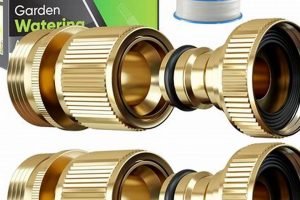
The material composition of the connection points impacts its durability and resistance to corrosion. Brass or high-grade plastic fittings offer superior resistance to degradation from water exposure compared to inferior materials. Damaged or corroded fittings compromise the seal and necessitate replacement to maintain optimal performance.
- Sealing Mechanisms
Effective sealing mechanisms, such as rubber washers or O-rings, create a watertight barrier between the pump outlet and the hose inlet. Worn or missing seals permit water leakage, reducing pressure and wasting water. Regular inspection and replacement of seals are essential for maintaining a leak-free connection.
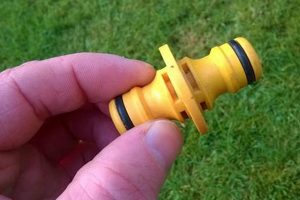
- Quick-Connect Systems
Quick-connect systems offer a convenient alternative to threaded connections, enabling rapid attachment and detachment of hoses. However, these systems must be properly sized and maintained to ensure a secure seal. Over time, the internal locking mechanisms can wear, leading to leaks or detachment under pressure.
The implementation of compatible, high-quality connection components, coupled with diligent maintenance of sealing mechanisms, ensures efficient and reliable water delivery. Neglecting these specifics results in diminished performance, water wastage, and potential damage, thereby emphasizing their crucial role in the effective use of a water-pressure-enhancing device.
4. Power supply requirements

The power supply requirements represent a critical operational parameter for water-pressure-enhancing devices intended for garden hose applications. These requirements dictate the type and capacity of electrical input necessary for reliable and effective function, directly influencing performance and safety.
- Voltage Compatibility
Voltage compatibility denotes the specific electrical potential (measured in volts) that the device is designed to accept. Most residential devices operate on standard voltages (e.g., 120V in North America, 230V in Europe). Supplying an incorrect voltage can result in immediate damage, motor burnout, or create a significant fire hazard. For example, connecting a 120V pump to a 230V supply will likely cause catastrophic failure. Verification of voltage compatibility before operation is paramount.
- Amperage Rating
The amperage rating indicates the amount of electrical current (measured in amperes) that the device draws during operation. The power source (e.g., electrical outlet, generator) must be capable of supplying at least the rated amperage to prevent circuit overloading and potential damage. Exceeding the circuit’s amperage capacity can trip circuit breakers or, in extreme cases, cause electrical fires. A device rated at 10 amps requires a circuit capable of providing at least 10 amps continuously.
- Power Cord Specifications
Power cord specifications include the gauge (thickness) of the wiring and the type of insulation. Undersized wiring can overheat under load, leading to insulation breakdown and fire hazards. Outdoor-rated cords with appropriate insulation are essential for protection against moisture and abrasion. Using extension cords should be minimized, and when necessary, they must be of sufficient gauge to handle the device’s amperage requirements.
- Grounding Requirements
Grounding is a critical safety measure that provides a path for stray electrical current to return to the source, preventing electrical shock hazards. Devices intended for outdoor use must be properly grounded, typically through a three-prong plug connected to a grounded outlet. Removing the grounding pin or using ungrounded adapters bypasses this safety feature and significantly increases the risk of electrical shock.
Adherence to specified power supply requirements is not merely a recommendation but a fundamental prerequisite for safe and effective operation. Incorrect power input can compromise performance, damage the device, and, most importantly, create potentially lethal electrical hazards. Consequently, careful attention to voltage, amperage, cord specifications, and grounding is essential when utilizing water-pressure-enhancing equipment.
5. Material construction durability

Material construction durability significantly influences the lifespan, reliability, and overall value of any water-pressure-enhancing device designed for garden hose applications. The selection of appropriate materials and construction techniques directly impacts the device’s ability to withstand environmental stressors and operational demands.
- Housing Material Resistance to Corrosion
The housing material, often exposed to moisture, sunlight, and chemicals, is susceptible to corrosion. Stainless steel, brass, and certain reinforced polymers offer superior resistance to corrosion compared to less durable materials like untreated steel or low-grade plastics. Corrosion can weaken the housing, leading to leaks, structural failure, and reduced performance. For example, a housing constructed from untreated steel in a coastal environment wil
l degrade much faster than one made of stainless steel. - Impeller Material Strength and Wear Resistance
The impeller, the rotating component responsible for increasing water pressure, is subjected to abrasive wear from suspended particles in the water. Materials like brass, stainless steel, or reinforced nylon provide better wear resistance than softer materials, ensuring consistent performance and extending the impeller’s lifespan. A nylon impeller operating in water containing sand or sediment will experience significantly more wear than a stainless steel impeller.
- Seal Material Longevity and Chemical Compatibility
Seals, responsible for preventing leaks, must maintain their integrity under pressure and exposure to various chemicals commonly found in water sources. Materials like EPDM rubber or Viton offer excellent resistance to chemical degradation and maintain their sealing properties over extended periods. Seals made from inferior materials may swell, crack, or degrade, leading to leaks and reduced pump efficiency. For example, seals exposed to chlorinated water must be made from chlorine-resistant materials to prevent premature failure.
- Motor Enclosure Protection Against Environmental Factors
The motor enclosure must protect the electrical components from moisture, dust, and other environmental contaminants. NEMA-rated enclosures (e.g., NEMA 4X) provide varying degrees of protection against these factors, ensuring reliable motor operation and preventing electrical hazards. A motor with an inadequate enclosure operating in a damp or dusty environment is more likely to experience premature failure due to corrosion or electrical shorts.
The interplay between material selection and construction techniques directly determines the resilience of a water-pressure-enhancing device. Prioritizing durable materials and robust construction methods translates to increased longevity, reduced maintenance requirements, and enhanced overall value. This consideration is particularly crucial in environments where the equipment is subjected to harsh conditions or frequent use.
6. Flow rate characteristics

Flow rate characteristics are a critical performance metric defining the volume of water a device designed to enhance water pressure for garden hose applications can deliver over a specific period. This metric directly influences the effectiveness and suitability of the device for various tasks, ranging from light watering to more demanding applications such as irrigation or pressure washing.
- Maximum Flow Rate Specification
The maximum flow rate specification, typically expressed in gallons per minute (GPM) or liters per minute (LPM), indicates the theoretical upper limit of water delivery under ideal conditions. This value is often determined by the impeller design, motor power, and internal plumbing diameter. However, the actual flow rate achieved in real-world scenarios may be lower due to factors such as hose length, elevation changes, and input water pressure. For example, a device with a specified maximum flow rate of 10 GPM might only deliver 7 GPM when connected to a long or partially obstructed hose.
- Flow Rate vs. Pressure Relationship
An inverse relationship exists between flow rate and pressure. As the output pressure increases, the flow rate typically decreases, and vice versa. This relationship is governed by the pump’s performance curve, which illustrates the trade-off between flow rate and pressure at different operating points. Understanding this relationship is crucial for selecting a device that can deliver the desired flow rate at the required pressure for a specific application. A device optimized for high pressure may deliver a lower flow rate than one designed for higher flow at lower pressure.
- Impact of Hose Diameter and Length on Flow Rate
The diameter and length of the garden hose significantly impact the flow rate. Smaller diameter hoses create greater frictional resistance, reducing the flow rate at the outlet. Longer hoses exacerbate this effect, further decreasing the flow rate due to increased friction loss. Using a larger diameter hose and minimizing its length can improve the flow rate and overall performance of the device. For example, replacing a -inch hose with a -inch hose can substantially increase the flow rate, particularly over longer distances.
- Flow Rate Consistency and Stability
Flow rate consistency and stability refer to the device’s ability to maintain a relatively constant flow rate under varying conditions. Fluctuations in input water pressure or changes in the connected load can affect the flow rate. Devices with pressure regulation mechanisms and robust motor control systems tend to exhibit greater flow rate stability. Consistent flow rates are essential for applications requiring precise water delivery, such as drip irrigation systems, where variations in flow can lead to uneven watering.
The flow rate characteristics, encompassing maximum flow rate specifications, the flow rate vs. pressure relationship, the impact of hose parameters, and flow rate consistency, directly influence the suitability of equipment designed to enhance water pressure for garden hose applications. A comprehensive understanding of these characteristics is essential for selecting a device that can effectively meet the specific demands of the intended application, ensuring optimal performance and efficient water usage.
7. Portability considerations

Portability, in the context of water-pressure-enhancing devices for garden hose applications, refers to the ease with which the equipment can be transported and deployed in various locations. This characteristic is particularly relevant for users who require the device for multiple sites or applications, influencing the selection process and overall utility.
- Weight and Size Dimensions
Weight and size directly affect the ease of transport and storage. Lighter and more compact devices are easier to carry, maneuver, and store in limited spaces. Larger, heavier units may require specialized transport equipment, such as dollies or carts. For instance, a small electric pump weighing less than 10 pounds can be easily carried by hand, while a larger gas-powered unit exceeding 50 pounds may necessitate mechanical assistance.
- Handle Design and Ergonomics
The design and ergonomics of the handle significantly impact comfort and ease of handling during transport. A well-designed handle should provide a secure grip, distribute weight evenly, and minimize strain on the user. Ergonomic features, such as contoured grips and padded surfaces, enhance comfort during extended transport. An awkwardly positioned or poorly designed handle can make even a relatively lightweight device difficult to carry.
- Power Source Dependence
The type of power source (e.g., electric, gas, battery) influences portability considerations. Electric-powered devices require access to a power outlet, limiting their use in remote locations. Gas-powered units offer greater portability due to their independence from electrical infrastructure, but they necessitate fuel management. Battery-powered models provide a compromise, offering cordless operat
ion with limited run time. For example, a battery-powered device is suitable for applications where access to power is limited, while a gas-powered unit is more appropriate for remote locations lacking electrical infrastructure. - Wheel and Mobility Features
The inclusion of wheels or other mobility features, such as integrated carts, enhances portability for heavier or bulkier devices. Wheeled units can be easily moved across various terrains, reducing the physical strain on the user. The type and size of the wheels should be appropriate for the intended operating environment. Small, hard wheels may be suitable for smooth surfaces, while larger, pneumatic tires are better suited for uneven or rough terrain. A device equipped with large pneumatic tires can be easily transported across a lawn or gravel path, whereas a unit with small, hard wheels may struggle in the same conditions.
These portability considerationsweight, size, handle design, power source dependence, and mobility featurescollectively influence the overall ease with which a water-pressure-enhancing device can be transported and deployed. Selecting a device that balances performance with portability is crucial for users who require flexibility and mobility in their applications.
Frequently Asked Questions
This section addresses common inquiries regarding the utilization, functionality, and selection of devices designed to enhance water pressure for garden hose applications. The information provided aims to clarify misconceptions and offer practical guidance.
Question 1: What are the primary applications of a water-pressure-enhancing device for garden hoses?
These devices serve a multitude of purposes, including boosting water pressure for effective irrigation, improving the performance of cleaning equipment (e.g., pressure washers), facilitating water transfer from storage tanks, and enhancing water flow in areas with low municipal water pressure.
Question 2: How does one determine the appropriate size and capacity of a water-pressure-enhancing device?
Selection depends on specific application requirements, including the desired flow rate (gallons per minute or liters per minute) and output pressure (pounds per square inch or bar). The source water pressure and the length of the garden hose must also be considered. Consulting performance charts provided by manufacturers is advisable.
Question 3: What are the potential risks associated with improper installation or operation?
Improper installation can lead to electrical hazards, water leaks, and damage to the device itself. Over-pressurizing the system can damage plumbing fixtures and garden hoses. Running the mechanism dry can damage internal components. Adhering to manufacturer’s instructions is paramount.
Question 4: What maintenance procedures are required to ensure the longevity of the device?
Regular maintenance includes inspecting and cleaning filters, checking for leaks, ensuring proper ventilation, and protecting the device from freezing temperatures. Lubricating moving parts, as specified by the manufacturer, is also essential. Periodic inspection by a qualified technician is recommended.
Question 5: What safety precautions should be observed when operating a water-pressure-enhancing device?
Ensure the device is properly grounded to prevent electrical shock. Never operate the device near flammable materials. Disconnect the power supply before performing any maintenance. Wear appropriate personal protective equipment, such as safety glasses, when working with pressurized water systems.
Question 6: What are common signs that a water-pressure-enhancing device is malfunctioning?
Common indicators of malfunction include reduced water pressure, unusual noises, leaks, overheating, and failure to start. If any of these symptoms are observed, the device should be inspected by a qualified technician.
These responses provide a foundational understanding of frequently encountered questions regarding devices designed to enhance water pressure. Addressing these concerns promotes informed decision-making and safe operation.
The following section will delve into troubleshooting common issues encountered during operation.
Conclusion
This exploration of the water pump for a garden hose has illuminated its essential role in augmenting water pressure for diverse applications. Key aspects examined include functional components, pressure boosting capabilities, compatibility considerations, and maintenance requirements. Understanding these elements is crucial for effective utilization and informed decision-making when selecting and operating these devices.
The strategic implementation of a suitable water pump for a garden hose promises enhanced operational efficiency and prolonged equipment lifespan. Continued adherence to safety protocols and proactive maintenance are vital to ensuring optimal performance and mitigating potential hazards. It is advisable to consult qualified professionals for complex installations and troubleshooting to safeguard against operational risks and maximize the device’s benefits.
![Best 2 Inch Garden Hose For [X] & Reviews | The Ultimate Gardening Guide: Grow a Thriving Garden Year-Round](https://MyGardenPatch.com/wp-content/uploads/2025/07/th-5631-300x200.jpg "Best 2 Inch Garden Hose For [X] & Reviews The Ultimate Gardening Guide: Grow a Thriving Garden Year-Round")