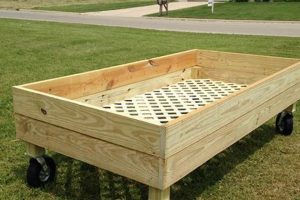
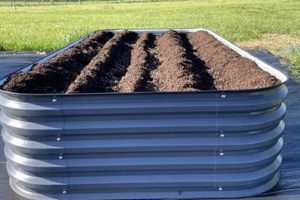
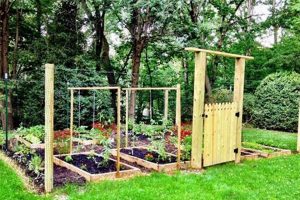
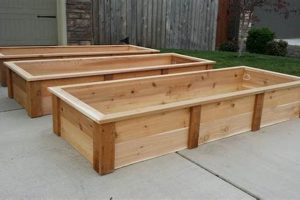
Cultivating plants within a contained structure elevated above ground level, often in an urban environment, constitutes a specific approach to gardening. This method utilizes constructed planters, typically made of wood, metal, or composite materials, to create a defined growing space. An example is a rectangular wooden frame filled with soil and positioned on a patio in a city apartment complex.
This approach to horticulture offers several advantages. It improves soil drainage and aeration, mitigates soil compaction, and facilitates weed control. Furthermore, it allows for customized soil mixtures tailored to specific plant needs. Historically, such methods were employed to overcome poor soil conditions or to extend the growing season in regions with challenging climates. The accessibility they provide also makes gardening possible for individuals with limited mobility.
The following sections will delve into optimal construction techniques, suitable plant choices, maintenance strategies, and resource considerations relevant to this gardening practice. Success hinges on careful planning and execution, resulting in a flourishing and productive yield.
Essential Guidance for Elevated Urban Cultivation
Optimizing this specific gardening approach requires attention to several critical factors. The following guidelines provide a framework for establishing and maintaining a successful and productive growing environment.
Tip 1: Material Selection is Paramount: Choose durable, weather-resistant materials for construction. Untreated wood will degrade rapidly. Consider cedar, redwood, or composite lumber for extended longevity. Metal options should be rust-resistant or properly coated.
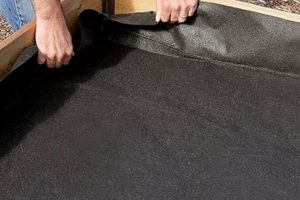
Tip 2: Drainage is Non-Negotiable: Ensure adequate drainage to prevent waterlogging. Drill drainage holes in the base or incorporate a layer of gravel at the bottom before adding soil. Consider landscape fabric to prevent soil erosion through the drainage holes.
Tip 3: Soil Composition Dictates Success: Utilize a well-draining soil mix specifically formulated for these structures. A blend of topsoil, compost, and peat moss or coco coir provides optimal aeration, water retention, and nutrient availability. Avoid using garden soil directly, as it compacts easily.
Tip 4: Sunlight Exposure is Crucial: Position the bed in a location receiving at least six hours of direct sunlight daily. Insufficient sunlight leads to leggy growth and reduced yields. Monitor light patterns throughout the day to ensure adequate exposure.
Tip 5: Irrigation Strategies Must be Considered: Implement an efficient irrigation system to conserve water and prevent underwatering or overwatering. Drip irrigation or soaker hoses deliver water directly to the roots, minimizing water loss through evaporation. Check soil moisture regularly to adjust irrigation accordingly.
Tip 6: Plant Selection Should be Deliberate: Choose plant varieties that thrive in contained spaces and are suitable for the local climate. Compact, bush-type vegetables and herbs are generally well-suited. Consider companion planting to maximize space and deter pests.
Tip 7: Vertical Gardening Amplifies Space: Maximize growing area by incorporating vertical gardening techniques. Trellises, cages, or vertical planters can support climbing plants such as tomatoes, cucumbers, and beans.
Careful consideration of these principles allows for a productive and aesthetically pleasing gardening experience. Consistent application of these techniques ensures long-term success.
The ensuing section will address common challenges and effective troubleshooting methods encountered in this specific gardening context.
1. Dimensions

The physical dimensions of a planting structure are a critical determinant of its utility and success within the context of urban cultivation. Dimensions directly influence several factors, including soil volume, root space, accessibility, and overall aesthetic integration with the surrounding environment. Insufficient depth restricts root development, potentially stunting growth and limiting yield. Conversely, excessive width can impede accessibility for maintenance tasks such as weeding and harvesting. The length of the structure determines the quantity of plants that can be accommodated. For example, a small balcony may only accommodate a narrow, elongated bed, while a larger rooftop terrace could support a wider, more expansive design. The selection of dimensions is inextricably linked to the available space, the intended crops, and the gardener’s physical capabilities.
Specific examples illustrate the practical significance of dimensional considerations. A shallow bed, less than 12 inches deep, is generally unsuitable for root vegetables like carrots or potatoes, which require significant vertical space. Taller structures, reaching waist height, alleviate strain on the back and knees, enhancing accessibility for individuals with mobility limitations. Furthermore, the overall footprint of the bed must be carefully considered to ensure adequate pathways for movement and access to other areas of the urban landscape. Overly large structures can overwhelm a small space, creating a cluttered and inefficient environment. Smaller structure can’t accomodate many plants.
In conclusion, the selection of appropriate dimensions constitutes a fundamental aspect of planning an effective planting space. Balancing space limitations, plant requirements, and user accessibility is essential for maximizing the potential of this specific gardening approach. Neglecting dimensional considerations can lead to reduced yields, increased maintenance challenges, and a less aesthetically pleasing outcome, highlighting the intrinsic connection between the physical size and the overall functionality of a system.
2. Materials

The selection of appropriate construction materials is paramount in determining the longevity, functionality, and environmental impact of elevated planting structures. Material choice directly influences structural integrity, resistance to degradation, and potential for soil contamination, thereby affecting the overall success of the horticultural endeavor.
- Wood Durability and Treatment
Untreated wood, while initially cost-effective, is susceptible to rot, insect infestation, and rapid decomposition when exposed to moisture and soil contact. Pressure-treated lumber offers increased resistance to these factors, but concerns exist regarding potential leaching of chemicals into the soil. Alternative wood options such as cedar and redwood possess natural decay resistance, but may be more expensive. The type of wood and its treatment directly affect the lifespan of the structure and the safety of the grown produce.
- Metal Corrosion and Coating
Metal offers structural strength and durability but is prone to corrosion, particularly when exposed to fluctuating moisture levels and soil acidity. Galvanized steel provides a protective zinc coating that retards rust formation. Powder coating provides an additional barrier against corrosion and allows for aesthetic customization. The selection of metal and its protective coating dictates the structural integrity and aesthetic appeal of the structure over time.
- Composite Material Composition and Stability
Composite materials, typically consisting of recycled plastic and wood fibers, offer a balance of durability, weather resistance, and sustainability. These materials are resistant to rot, insects, and UV degradation. However, the specific composition of the composite material influences its structural stability and potential for leaching of plastic compounds. Selecting high-quality composite materials ensures long-term performance and minimizes environmental risks.
- Liner Material and Soil Contact
Regardless of the primary construction material, the use of a liner can extend the lifespan of the structure and prevent direct contact between soil and the structural components. Liners made from durable, food-grade plastic create a barrier that protects the structure from moisture damage and prevents potential leaching of chemicals from the materials into the soil. This separation ensures the integrity of the soil and the quality of the grown plants.
Ultimately, the optimal material selection hinges on a careful evaluation of factors including budget, desired lifespan, environmental concerns, and aesthetic preferences. Informed decisions regarding material choice are crucial for establishing a sustainable and productive environment for urban gardening. Failing to consider these aspects can lead to premature degradation, structural failure, and potential contamination of the growing medium, thereby compromising the overall success of the gardening endeavor.
3. Soil Composition

Soil composition is a foundational element influencing the success of horticulture. In the context of elevated planting structures, the selection and management of soil media assume heightened importance due to the confined and artificial nature of the growing environment.
- Drainage and Aeration
The physical structure of the soil dictates its drainage capacity and aeration levels. In elevated beds, proper drainage is critical to prevent waterlogging, which can lead to root rot and nutrient deficiencies. A well-aerated soil allows for optimal root respiration and nutrient uptake. For example, a soil mix comprised predominantly of clay will retain excessive moisture and impede air circulation, while a sandy soil will drain too rapidly, resulting in dehydration and nutrient loss. The ideal soil composition balances water retention with adequate drainage and aeration.
- Nutrient Availability
The chemical composition of the soil determines the availability of essential nutrients required for plant growth. In elevated beds, the soil is typically isolated from the surrounding native soil, necessitating the addition of amendments to provide essential macronutrients (nitrogen, phosphorus, potassium) and micronutrients (iron, manganese, zinc). Compost, manure, and other organic matter sources contribute nutrients and improve soil structure. Regular soil testing is recommended to monitor nutrient levels and adjust amendments accordingly. Nutrient deficiencies or imbalances can significantly impact plant health and productivity.
- pH Level
The pH level of the soil influences the solubility and availability of nutrients. Most plants thrive in a slightly acidic to neutral pH range (6.0-7.0). However, certain plants exhibit preferences for more acidic or alkaline conditions. In elevated beds, the pH level can be adjusted through the addition of lime (to raise pH) or sulfur (to lower pH). Monitoring soil pH is crucial for ensuring optimal nutrient uptake and preventing nutrient lock-out, a condition in which nutrients are present but unavailable to plants due to improper pH levels. For example, blueberries require acidic soil, while lavender prefers alkaline conditions.
- Organic Matter Content
Organic matter plays a vital role in improving soil structure, water retention, and nutrient availability. In elevated beds, the addition of compost, peat moss, or coco coir enhances the soil’s ability to retain moisture and release nutrients gradually. Organic matter also supports beneficial microbial activity, which further improves soil health and nutrient cycling. The percentage of organic matter in the soil directly correlates with plant growth and overall soil fertility.
The factors outlined above underscore the intimate connection between soil composition and the success of cultivation within elevated planting structures. Diligent management of soil physical and chemical properties is essential for creating a thriving environment conducive to robust plant growth and optimal yields. The artificial nature of elevated soil necessitates a proactive approach to soil management, emphasizing the importance of regular testing, amendment, and observation to maintain optimal growing conditions.
4. Sunlight

Solar irradiance constitutes a critical environmental factor influencing plant growth within an urban environment. The strategic placement of an elevated planting structure to maximize sunlight exposure directly impacts photosynthetic efficiency, ultimately determining yield and overall plant health.
- Photosynthetic Requirements
The process of photosynthesis relies on the absorption of light energy by chlorophyll molecules within plant leaves. Different plant species exhibit varying light requirements, ranging from full sun (6 or more hours of direct sunlight daily) to partial shade (2-6 hours) to full shade (less than 2 hours). Insufficient sunlight limits photosynthetic rates, resulting in stunted growth, reduced flowering, and diminished fruit production. For example, fruiting vegetables like tomatoes and peppers necessitate full sun, while leafy greens such as lettuce and spinach can tolerate partial shade. Understanding species-specific light requirements is essential for selecting appropriate plant varieties and positioning the bed accordingly.
- Urban Obstructions and Light Mapping
Urban environments are often characterized by buildings, trees, and other structures that obstruct sunlight penetration. These obstructions create shaded areas that shift throughout the day and across seasons. Mapping the daily and seasonal sunlight patterns within a given urban space is crucial for identifying locations that receive adequate solar exposure. Utilizing tools such as sun charts or smartphone applications can assist in assessing sunlight availability. Accurate light mapping informs the optimal placement of the elevated structure to maximize sunlight interception.
- Reflected Light and Albedo
In addition to direct sunlight, reflected light can contribute significantly to overall light intensity within a planting structure. Light reflected from buildings, pavement, and other surfaces can supplement direct sunlight, particularly in shaded areas. The albedo, or reflectivity, of surrounding surfaces influences the amount of reflected light. Light-colored surfaces exhibit higher albedo values than dark-colored surfaces. Strategically positioning the structure near reflective surfaces can enhance light availability, but excessive reflected light can also cause heat stress and leaf burn. Careful consideration of reflected light patterns is necessary to optimize light exposure while mitigating potential negative impacts.
- Artificial Light Supplementation
In situations where natural sunlight is limited, artificial light supplementation can extend the growing season and enhance plant growth. Grow lights emit specific wavelengths of light that are absorbed by chlorophyll, stimulating photosynthesis. Different types of grow lights, such as LED, fluorescent, and high-pressure sodium, offer varying light intensities and spectral compositions. Selecting the appropriate type of grow light depends on the plant species, desired growth stage, and available budget. Artificial light supplementation can be particularly beneficial during winter months or in indoor gardening environments where natural sunlight is insufficient.
The interplay between sunlight and the specific needs of plants grown in elevated structures is paramount for horticultural success. Understanding solar patterns, optimizing light exposure, and supplementing with artificial light when necessary are all critical components of a well-planned and executed gardening endeavor within urban landscapes. Neglecting the importance of sunlight can lead to suboptimal growth, reduced yields, and increased susceptibility to pests and diseases, underscoring the need for meticulous attention to this essential environmental factor.
5. Watering

Effective irrigation practices are paramount in cultivating thriving plants within elevated structures. The artificial environment created by these beds necessitates careful management of moisture levels to prevent both drought stress and waterlogging.
- Frequency and Volume
The frequency and volume of irrigation are contingent upon several factors, including plant species, soil composition, climate, and the stage of plant development. Overwatering can lead to anaerobic soil conditions, promoting root rot and hindering nutrient uptake. Conversely, insufficient irrigation results in dehydration, stunted growth, and reduced yields. Monitoring soil moisture levels using techniques such as the “finger test” or moisture meters enables informed irrigation decisions. Certain plant species, such as succulents and drought-tolerant herbs, require infrequent watering, while others, such as leafy greens and moisture-loving vegetables, demand more frequent irrigation. Careful observation of plant health and soil conditions is essential for determining the appropriate irrigation schedule.
- Irrigation Methods
Various irrigation methods can be employed, each with its own advantages and disadvantages. Hand watering provides direct control over water application but can be time-consuming and inefficient. Drip irrigation delivers water slowly and directly to the root zone, minimizing water loss through evaporation and runoff. Soaker hoses offer a similar approach, distributing water along the length of the hose. Overhead sprinklers provide broad coverage but can lead to water loss through evaporation and increase the risk of fungal diseases. Sub-irrigation, where water is supplied from below, promotes deep root growth and reduces surface evaporation. The selection of an appropriate irrigation method depends on factors such as bed size, plant density, water availability, and personal preferences.
- Water Quality
The quality of irrigation water significantly impacts plant health and soil composition. Tap water often contains chlorine and other chemicals that can be detrimental to beneficial soil microbes. Rainwater is generally preferred due to its purity and slightly acidic pH. Well water may contain minerals that can accumulate in the soil over time, affecting pH and nutrient availability. Greywater, or recycled household water, can be used for irrigation after proper treatment to remove contaminants. Regular water testing is recommended to assess water quality and identify potential issues. Addressing water quality concerns is crucial for maintaining healthy soil and thriving plants.
- Water Conservation
Water conservation is an important consideration in urban gardening, particularly in regions with limited water resources. Implementing water-saving techniques such as mulching, which reduces evaporation from the soil surface, can significantly decrease water consumption. Installing rain barrels to collect rainwater provides a sustainable source of irrigation water. Grouping plants with similar water requirements together minimizes overwatering or underwatering of individual plants. Regularly checking irrigation systems for leaks and making necessary repairs prevents water waste. Adopting water-wise gardening practices promotes environmental sustainability and reduces water bills.
These interconnected facets of watering in the context of elevated structures highlight the necessity for careful and informed management. Consistent attention to irrigation frequency, methods, water quality, and conservation ensures optimal growing conditions and maximizes the potential of gardening within an urban environment. Neglecting proper watering practices can lead to plant stress, reduced yields, and ultimately, the failure of the gardening endeavor.
Frequently Asked Questions
The following addresses common inquiries regarding elevated planting structures in urban settings. The information presented aims to clarify key aspects and address potential challenges.
Question 1: What is the ideal height for an elevated structure?
The optimal height is contingent upon user needs and physical capabilities. A height of 24-36 inches generally provides comfortable access for most individuals, minimizing strain on the back and knees. Taller structures may be necessary for individuals with mobility limitations. Consider also the mature height of the plants being grown to ensure adequate vertical space.
Question 2: What type of soil is best suited for elevated beds?
A well-draining soil mix specifically formulated for container gardening is recommended. A blend of topsoil, compost, and peat moss or coco coir provides optimal aeration, water retention, and nutrient availability. Avoid using garden soil directly, as it compacts easily and may contain pathogens.
Question 3: How frequently should elevated beds be watered?
Watering frequency depends on factors such as plant species, soil composition, climate, and season. Regularly monitor soil moisture levels and water when the top inch of soil feels dry to the touch. Avoid overwatering, which can lead to root rot. Drip irrigation systems can automate watering and conserve water resources.
Question 4: What are the best materials for constructing an elevated structure?
Durable, weather-resistant materials are essential. Cedar, redwood, and composite lumber offer longevity and resistance to decay. Metal structures should be galvanized or powder-coated to prevent corrosion. Consider the environmental impact of the material selection and opt for sustainable options whenever possible.
Question 5: How can pest infestations be prevented in elevated structures?
Implement preventative measures such as companion planting, crop rotation, and regular inspection for pests. Introduce beneficial insects to control pest populations. Avoid using broad-spectrum pesticides, which can harm beneficial organisms. Maintain a healthy soil ecosystem to promote plant resistance to pests and diseases.
Question 6: How can elevated beds be protected during winter months?
Protect plants from frost and freezing temperatures by covering the structure with blankets or plastic sheeting. Mulch the soil surface to insulate the roots. Move tender plants indoors or provide supplemental heating. Consider growing cold-hardy crops that can withstand winter conditions.
These answers provide a foundational understanding of key considerations for successful cultivation in elevated structures. Addressing these common questions proactively will contribute to a more rewarding and productive gardening experience.
The following section will explore case studies of successful applications of this gardening method in various urban environments.
Conclusion
The preceding analysis has explored the multifaceted aspects of the “urban gardener raised garden bed.” From construction materials and soil composition to sunlight requirements and irrigation techniques, the successful implementation of this method hinges on a thorough understanding of its inherent intricacies. Maximizing productivity within a confined space necessitates informed decision-making and consistent adherence to established best practices.
As urban populations continue to grow and access to green spaces diminishes, the adoption of effective cultivation strategies becomes increasingly vital. Embracing informed practices not only enhances the availability of fresh produce but also contributes to the overall well-being and environmental sustainability of urban communities. Continued research and knowledge dissemination are essential for unlocking the full potential of this approach, fostering a more resilient and verdant urban landscape.