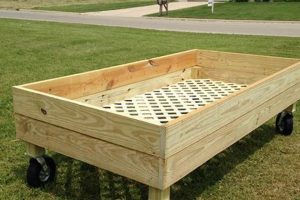
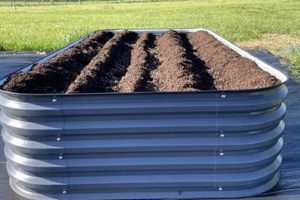
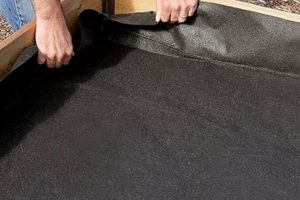
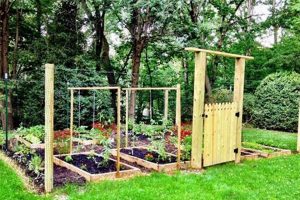
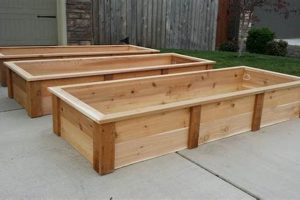
The uppermost layer of soil, crucial for plant health, is a primary component of successful elevated gardening structures. This material, typically rich in organic matter and nutrients, provides a foundation for root development and access to essential resources. Its composition directly impacts the water retention, drainage, and overall fertility of the growing medium within the contained space.
Utilizing a suitable growing medium in these structures offers numerous advantages. Plants grown in this manner often exhibit increased yields and improved health due to better control over soil conditions. Historically, this method of cultivation has been employed to overcome challenges posed by poor native soil, limited space, or accessibility issues, facilitating food production in diverse environments. The practice promotes efficient water usage and reduces the need for synthetic fertilizers and pesticides.
Selecting the appropriate soil blend and understanding its properties are vital considerations for achieving optimal plant growth in elevated planters. This guide explores the various types of soil, amendment options, and best practices for creating a thriving environment for vegetables, flowers, and herbs.
Practical Guidance for Optimal Elevated Garden Soil
Achieving success with elevated garden beds necessitates careful attention to the growing medium. The following guidance offers practical advice for selecting, preparing, and maintaining soil to foster robust plant growth.
Tip 1: Soil Testing: Prior to planting, conduct a soil test to determine pH levels and nutrient deficiencies. This information is crucial for amending the soil appropriately to meet the specific requirements of the intended crops. Results will inform necessary adjustments in lime for reducing acidity.
Tip 2: Blending for Drainage: Combine topsoil with compost, peat moss, or coconut coir to improve drainage and aeration. A mixture of these elements prevents compaction and ensures adequate oxygen supply to plant roots. A ratio of 1:1:1 is a good starting point.
Tip 3: Organic Matter Incorporation: Regularly incorporate compost or well-rotted manure to enhance soil fertility and structure. Organic matter improves water retention, provides essential nutrients, and supports beneficial microbial activity. Consider a side dressing of compost every few weeks during the growing season.
Tip 4: Avoid Compaction: Minimize foot traffic on the soil surface to prevent compaction, which restricts root growth and reduces water infiltration. Utilize designated pathways and avoid excessive tilling or digging.
Tip 5: Mulching Practices: Apply a layer of organic mulch, such as straw or wood chips, to conserve moisture, suppress weed growth, and regulate soil temperature. Mulch also decomposes over time, adding organic matter to the soil.
Tip 6: Monitor Moisture Levels: Maintain consistent soil moisture by regularly checking the soil and watering as needed. Avoid overwatering, which can lead to root rot, and underwatering, which can stress plants. Drip irrigation is a recommended system.
Tip 7: Nutrient Replenishment: Replenish nutrients regularly through the application of organic fertilizers or compost tea. Monitor plant growth for signs of nutrient deficiencies and adjust fertilization accordingly. Slow-release fertilizers are a good method.
Selecting and maintaining suitable soil is crucial for maximizing the productivity and longevity of elevated garden beds. Following these guidelines will provide a foundation for healthy plants and abundant harvests.
The subsequent sections will delve into specific considerations for different types of plants and common soil-related challenges in elevated gardening.
1. Nutrient availability

Nutrient availability within elevated gardening structures is directly influenced by the quality of the soil employed. Soil acts as a reservoir for essential plant nutrients, including nitrogen, phosphorus, and potassium, along with micronutrients such as iron, manganese, and zinc. These nutrients are vital for plant growth, development, and reproduction. Deficiencies in any of these elements can manifest as stunted growth, chlorosis (yellowing of leaves), or reduced fruit production. Therefore, the inherent nutrient composition and the soil’s capacity to retain and release nutrients are critical determinants of plant health in an elevated garden. For example, if the chosen growing medium lacks sufficient nitrogen, leafy vegetables may exhibit pale foliage and slow growth. The selection of a nutrient-rich growing medium, coupled with appropriate fertilization strategies, is therefore fundamental to achieving optimal yields.
The availability of nutrients is not solely determined by their initial presence in the soil; it is also affected by soil pH, organic matter content, and microbial activity. Soil pH influences the solubility of various nutrients, making them more or less accessible to plant roots. Organic matter serves as a slow-release nutrient source and enhances the soil’s ability to retain nutrients, preventing them from being leached away by irrigation or rainfall. Beneficial soil microbes contribute to nutrient cycling by decomposing organic matter and converting nutrients into plant-available forms. A practical example is the addition of compost to the growing medium, which not only provides nutrients but also improves soil structure and supports microbial activity.
In summary, ensuring adequate nutrient availability within elevated garden beds requires careful consideration of soil selection, amendment strategies, and ongoing monitoring of plant health. Soil testing, the incorporation of organic matter, and the judicious use of fertilizers are essential practices for maintaining a balanced nutrient supply and promoting vigorous plant growth. Failure to address nutrient deficiencies can severely limit the productivity of elevated gardens. Understanding the relationship between the medium’s composition and nutrient dynamics is therefore critical for successful elevated gardening.
2. Drainage characteristics

The drainage properties of soil directly impact the success of elevated garden beds. Soil that drains poorly retains excessive moisture, creating an anaerobic environment detrimental to root health. Root rot, fungal diseases, and nutrient deficiencies are common consequences of inadequate drainage. Conversely, excessively well-draining soil may not retain sufficient moisture for optimal plant growth, leading to drought stress and nutrient leaching. The ideal growing medium strikes a balance, allowing for adequate water infiltration while retaining enough moisture to support plant needs. For example, a mixture of clay and organic matter will provide necessary drainage while the organic matter will assist in water retention for the plants.
Achieving appropriate drainage in elevated garden beds requires careful selection and amendment. Heavy clay soils can be amended with coarse sand, perlite, or compost to improve drainage and aeration. Sandy soils can be improved by adding organic matter, such as peat moss or compost, to increase water retention. The size and depth of the bed also influence drainage characteristics; deeper beds generally require coarser materials at the bottom to facilitate water flow. Utilizing containers with drainage holes is essential to prevent waterlogging. Adding a layer of gravel to the bottom of the bed is a common misconception that will reduce space for growing. It is always better to amend your soil with a mix that will have the drainage capabilities you are seeking.
In conclusion, drainage characteristics are a critical consideration when preparing elevated garden beds. Understanding the relationship between soil composition, drainage, and plant health is essential for creating a thriving growing environment. Regular monitoring of soil moisture levels and adjustments to soil composition as needed are key to preventing drainage-related problems. By optimizing drainage, one can mitigate the risk of root rot and nutrient deficiencies, leading to healthier plants and improved yields.
3. Organic matter content

Organic matter content is a crucial determinant of soil quality within elevated garden beds. It represents the fraction of soil composed of decomposed plant and animal residues, along with living microorganisms. This component significantly influences soil structure, water retention, nutrient availability, and overall biological activity. The absence of sufficient organic matter leads to compacted soil, poor drainage, reduced nutrient-holding capacity, and diminished plant growth. Conversely, an adequate level of organic matter fosters a thriving root environment, promoting robust plant development and increased yields. A practical example involves amending clay-heavy soil in a raised bed with compost; the added organic matter loosens the soil structure, improving drainage and aeration, thereby mitigating the risk of root rot.
The incorporation of organic matter into the soil of elevated garden beds can be achieved through various methods. Composting, the process of decomposing organic waste into a nutrient-rich amendment, provides a sustainable and cost-effective means of improving soil quality. The addition of well-rotted manure, leaf mold, or cover crops also contributes to increased organic matter levels. Mulching, the practice of covering the soil surface with organic materials such as straw or wood chips, serves to suppress weed growth, conserve moisture, and gradually release nutrients as the mulch decomposes. Regular application of these techniques ensures a continuous supply of organic matter, maintaining soil health and fertility over time. For example, incorporating aged manure into the topsoil before planting introduces essential nutrients while improving the soil’s water-holding capacity.
In summary, organic matter content is an indispensable element for successful utilization of soil within elevated garden beds. Its impact on soil structure, nutrient availability, and water retention makes it a critical factor in promoting healthy plant growth. By adopting sustainable practices such as composting, mulching, and the incorporation of organic amendments, gardeners can optimize the soil environment within their elevated beds, leading to increased productivity and reduced reliance on synthetic fertilizers. Understanding and actively managing organic matter content is therefore essential for maximizing the benefits of elevated gardening.
4. pH level stability
pH level stability is a critical factor governing nutrient availability within elevated garden beds. Soil pH, a measure of its acidity or alkalinity on a scale of 0 to 14, significantly influences the solubility of essential plant nutrients. Most plants thrive within a slightly acidic to neutral pH range (approximately 6.0 to 7.0). Fluctuations in soil pH can render certain nutrients unavailable to plants, even if they are present in the growing medium. For example, iron, a crucial micronutrient for chlorophyll synthesis, becomes less soluble at higher pH levels, potentially leading to iron deficiency (chlorosis) in plants. Similarly, phosphorus, essential for root development and flowering, exhibits reduced availability in highly acidic or alkaline soils. Therefore, maintaining pH stability within the optimal range is essential for ensuring that plants can effectively absorb the nutrients they require.
The choice of growing medium and amendments significantly influences pH stability in elevated garden beds. Certain materials, such as peat moss, tend to be acidic, while others, like lime, increase alkalinity. The buffering capacity of the soil, its ability to resist pH changes, is also a crucial consideration. Soils with high organic matter content generally exhibit greater buffering capacity than those low in organic matter. Regular monitoring of soil pH is essential, particularly in elevated beds where the limited soil volume makes them more susceptible to pH fluctuations. Soil testing kits or professional laboratory analysis can provide accurate pH measurements. Amendments such as lime or sulfur can be used to adjust pH as needed, but it is crucial to apply them carefully and monitor the results to avoid overcorrection. For instance, adding too much lime can raise the pH to an alkaline level, hindering the uptake of micronutrients like manganese and zinc.
In summary, pH level stability is a fundamental aspect of successful elevated gardening. By selecting appropriate soil mixes, incorporating organic matter, and regularly monitoring and adjusting pH levels, gardeners can create an environment that promotes optimal nutrient availability and plant growth. Neglecting pH stability can lead to nutrient deficiencies, reduced yields, and increased susceptibility to pests and diseases. Therefore, a thorough understanding of the relationship between soil pH and plant nutrition is essential for maximizing the productivity and health of elevated garden beds.
5. Weight consideration
Weight considerations are paramount when utilizing soil in elevated garden beds. The imposed load can significantly impact the structural integrity of the raised bed itself and any supporting structures. Understanding the weight characteristics of different soil types and amendments is critical for preventing damage, ensuring safety, and optimizing the longevity of the garden.
- Soil Density Variations
Different soil types possess varying densities, directly affecting their weight per unit volume. Clay-rich soils, for example, are typically denser and heavier than sandy or loamy soils. The addition of amendments, such as perlite or vermiculite, can reduce the overall weight of the growing medium. A cubic foot of dry topsoil can weigh between 75 and 100 pounds, while the same volume when saturated with water can exceed 120 pounds. Ignoring these density variations can lead to overestimation of the structural capacity of the raised bed.
- Moisture Content Influence
The water content of soil dramatically increases its weight. Water fills pore spaces within the soil matrix, adding substantial mass. A fully saturated soil can weigh significantly more than dry soil. Elevated garden beds, particularly those on balconies or rooftops, must be designed to accommodate the maximum anticipated weight, accounting for rainfall or irrigation. Insufficient consideration of water-induced weight increase can result in structural failure.
- Structural Load Limits
The load-bearing capacity of the raised bed structure and its supporting elements is a primary constraint. The material of construction (wood, metal, or composite) and the design of the structure dictate the maximum weight it can safely support. Overloading can lead to deformation, cracking, or collapse. Before constructing or installing an elevated garden bed, it is imperative to consult with a structural engineer or experienced builder to assess load limits and ensure adequate support.
- Weight Distribution Strategies
Even distribution of weight within the elevated garden bed is essential for preventing localized stress concentrations. Utilizing a level base and avoiding uneven soil compaction can help distribute the load evenly across the structure. In large elevated beds, internal supports or dividers can further distribute weight and prevent bowing or sagging. Strategic placement of heavier elements, such as large rocks or containers, should be avoided to minimize the risk of structural damage.
Ignoring weight considerations when selecting and managing soil for elevated garden beds can have serious consequences, ranging from structural damage to catastrophic failure. Careful planning, accurate estimation of soil weight, and adherence to structural load limits are crucial for ensuring the safety and longevity of the elevated gardening system. Failure to account for these factors can undermine the benefits of elevated gardening and pose a significant risk.
6. Contamination absence

The absence of contaminants in soil used for elevated garden beds is not merely a desirable attribute, but a critical necessity. Soil acts as the direct interface between plants and the environment, mediating the uptake of nutrients and water. When contaminated with heavy metals, pesticides, industrial byproducts, or other harmful substances, the growing medium can become a vector for transferring these toxins into the food chain. This contamination can result in health risks for consumers who ingest produce grown in such soil, rendering the entire gardening effort counterproductive. Elevated garden beds, often used in urban environments where soil contamination is prevalent, are particularly vulnerable if the quality of the introduced medium is not carefully controlled. For example, using soil sourced from construction sites may introduce lead, arsenic, or asbestos fibers, negating the benefits of raised-bed gardening.
The implications of soil contamination extend beyond human health. Plants grown in contaminated soil may exhibit reduced growth, increased susceptibility to diseases, and altered nutrient uptake. Certain contaminants can disrupt soil microbial activity, hindering the decomposition of organic matter and nutrient cycling. Furthermore, the long-term accumulation of contaminants in the soil can render it unsuitable for future cultivation, diminishing the sustainability of the gardening practice. Therefore, verifying the absence of contaminants through soil testing and sourcing from reputable suppliers is crucial for ensuring the long-term health and productivity of elevated garden beds. Selecting certified organic soil or conducting independent lab tests for common contaminants provides a degree of assurance against unintended exposure.
In conclusion, the absence of contamination is an indispensable component of responsible topsoil selection for elevated garden beds. Prioritizing soil quality through rigorous testing and sourcing practices safeguards human health, promotes plant vigor, and ensures the sustainability of urban agriculture initiatives. Recognizing the potential risks associated with contaminated soil and implementing proactive measures to mitigate them is essential for realizing the full benefits of elevated gardening, transforming it from a potential hazard into a safe and productive endeavor.
7. Water retention

Water retention within topsoil is a critical determinant of plant survival and productivity in elevated garden beds. The capacity of the soil to retain water directly influences the availability of moisture to plant roots, affecting nutrient uptake, transpiration, and overall plant health. Inadequate water retention leads to drought stress, reduced yields, and increased irrigation requirements. Proper management of water retention is therefore essential for optimizing the performance of elevated gardening systems.
- Soil Composition and Texture
The composition and texture of topsoil profoundly influence its ability to retain water. Soils with a high proportion of clay particles possess a greater surface area, enhancing water-holding capacity. However, clay-rich soils may also exhibit poor drainage, leading to waterlogging. Sandy soils, conversely, drain rapidly but retain minimal moisture. Loamy soils, a balanced mixture of sand, silt, and clay, generally offer the best compromise between drainage and water retention. Adding organic matter, such as compost or peat moss, improves the water-holding capacity of both sandy and clay soils. The integration of these components creates a superior medium for cultivation.
- Organic Matter Content
Organic matter plays a vital role in enhancing water retention in topsoil. Decomposed organic materials act like a sponge, absorbing and retaining water within the soil matrix. Organic matter also improves soil structure, creating pore spaces that facilitate water infiltration and storage. Furthermore, organic matter releases water slowly over time, providing a sustained source of moisture to plant roots. A topsoil with high organic matter content will require less frequent irrigation and exhibit greater resilience to drought conditions. The practice of incorporating compost into elevated garden beds is an effective strategy for improving water retention.
- Mulching Techniques
Mulching, the application of a layer of organic material on the soil surface, significantly reduces water loss through evaporation. Mulch acts as a physical barrier, shielding the soil from direct sunlight and wind, thus minimizing moisture loss. Mulch also moderates soil temperature, reducing stress on plant roots. Organic mulches, such as straw, wood chips, or shredded leaves, decompose over time, adding organic matter to the soil and further enhancing water retention. Effective mulching strategies can substantially decrease irrigation needs and improve water use efficiency in elevated garden beds.
- Irrigation Strategies
Appropriate irrigation strategies are essential for maximizing water retention in topsoil. Overwatering can lead to waterlogging and nutrient leaching, while underwatering results in drought stress. Drip irrigation systems deliver water directly to plant roots, minimizing water loss through evaporation and runoff. Monitoring soil moisture levels using sensors or manual techniques allows for precise irrigation scheduling. Selecting drought-tolerant plant species and grouping plants with similar water requirements further optimizes water use efficiency. Applying water during cooler parts of the day reduces evaporation and ensures that more water is absorbed by the soil.
These interconnected facets highlight the importance of water retention in topsoil for elevated garden beds. A holistic approach that considers soil composition, organic matter content, mulching techniques, and irrigation strategies is essential for creating a thriving growing environment. Optimized water retention not only conserves water resources but also promotes plant health, increases yields, and enhances the sustainability of elevated gardening practices.
Frequently Asked Questions
This section addresses common inquiries regarding the selection and utilization of topsoil in elevated gardening environments, providing clear and concise answers to assist in informed decision-making.
Question 1: What constitutes suitable topsoil for raised garden beds?
Suitable topsoil for raised garden beds generally consists of a balanced mixture of mineral particles (sand, silt, and clay), organic matter, and beneficial microorganisms. The composition should facilitate adequate drainage, water retention, and nutrient availability.
Question 2: Is native topsoil always appropriate for raised garden beds?
Native topsoil may or may not be appropriate. Testing the soil’s pH, nutrient content, and presence of contaminants is essential to determine its suitability. Amendment with compost or other organic matter may be necessary to improve its characteristics.
Question 3: How does soil weight impact the construction of raised garden beds?
Soil weight is a critical consideration for structural integrity. Saturated soil is significantly heavier than dry soil. The raised bed structure must be designed to withstand the maximum anticipated weight, accounting for both soil density and water content.
Question 4: What are the potential risks associated with using contaminated soil in raised garden beds?
Contaminated soil can introduce harmful substances, such as heavy metals or pesticides, into the food chain. These contaminants can accumulate in plants and pose health risks to consumers. Soil testing is recommended to ensure safety.
Question 5: How can drainage be improved in raised garden beds with heavy clay soil?
Drainage can be improved by incorporating coarse sand, perlite, or compost into the soil. These amendments create pore spaces that facilitate water flow and prevent waterlogging. Elevated beds with drainage holes are also crucial.
Question 6: What role does organic matter play in the performance of raised garden beds?
Organic matter enhances water retention, improves soil structure, provides essential nutrients, and supports beneficial microbial activity. Regular incorporation of compost or other organic amendments is recommended for maintaining soil health and fertility.
In summary, selecting and managing topsoil for elevated garden beds requires careful consideration of soil composition, weight, potential contaminants, drainage characteristics, and organic matter content. Proper attention to these factors is essential for creating a thriving growing environment.
The following section will explore the maintenance and long-term management of raised garden beds.
Conclusion
The preceding examination of topsoil for raised garden beds underscores the complexity inherent in cultivating productive elevated growing spaces. Key considerations, including nutrient availability, drainage characteristics, organic matter content, pH level stability, weight, contamination absence, and water retention, collectively dictate the success or failure of such endeavors. A thorough understanding of these interconnected factors is essential for informed decision-making and effective soil management.
Optimal utilization of topsoil in raised garden beds is a continuous process, demanding vigilance and adaptability. Regular monitoring, testing, and amendment are necessary to maintain soil health and maximize yield. The mindful application of acquired knowledge will enable individuals to cultivate thriving gardens, promoting sustainable food production and environmental stewardship. The benefits of diligence and careful planning will reward growers with abundance and contribute to the long-term viability of elevated gardening practices.