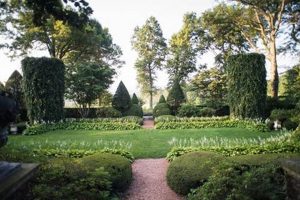
The inquiry-driven green space fosters discovery and active learning through immersive experiences. For instance, a neglected urban rooftop transformed into a flourishing ecosystem showcases this concept, attracting local wildlife and engaging community members in hands-on environmental stewardship.
Such environments cultivate a deeper understanding of ecological principles and promote environmental awareness. Historically, these spaces have served as vital resources for scientific observation and horticultural education, influencing design and promoting sustainable practices across various sectors.
This approach leads to exploration of key aspects such as habitat creation, biodiversity enhancement, and the role of interactive design in nurturing a sense of connection with the natural world. The following sections will delve into these areas, offering practical strategies for implementation and highlighting successful applications.
Cultivating Exploration
The following guidelines facilitate the development of environments that encourage exploration and discovery in the natural world. Implementation requires careful planning and a commitment to fostering interaction.
Tip 1: Prioritize Accessibility. Ensure physical access for individuals of all abilities. Pathways should be wide and level, and raised beds can accommodate individuals with mobility limitations.
Tip 2: Integrate Sensory Elements. Incorporate plants with diverse textures, fragrances, and visual appeal. Sounds, such as flowing water or rustling leaves, can also enhance the experience.
Tip 3: Design for Interactivity. Include elements that invite direct engagement. Examples include interactive exhibits, tools for observation (magnifying glasses, binoculars), and areas for hands-on activities like planting and watering.
Tip 4: Foster Biodiversity. Select a diverse range of plant species to attract a variety of insects, birds, and other wildlife. This creates a dynamic ecosystem that promotes observation and learning.
Tip 5: Provide Educational Resources. Offer informative signage, pamphlets, or guided tours to enhance understanding of the environment. Consider incorporating QR codes that link to online resources.
Tip 6: Encourage Observation. Designate quiet areas for observation and reflection. Benches, observation blinds, or strategically placed seating can facilitate this process.
Tip 7: Promote Sustainability. Implement sustainable practices such as rainwater harvesting, composting, and the use of native plants. This demonstrates responsible environmental stewardship and educates visitors about sustainable living.
Effective application of these recommendations will result in a learning environment that encourages curiosity, fosters a deeper connection with nature, and promotes environmental awareness. Careful consideration and planning are essential for successful implementation.
The subsequent sections will expand upon these concepts, exploring case studies and offering further insights into the creation of effective and engaging environments.
1. Exploration

Exploration serves as the foundational catalyst within a space intended for discovery. The inherent drive to investigate unknown areas, observe unfamiliar organisms, and interact with novel environmental features fuels the learning process. Without the element of exploration, the capacity of such a space to stimulate curiosity and foster a deeper understanding is significantly diminished. For instance, an area designed with hidden pathways or interactive exhibits incentivizes visitors to delve further, uncovering new knowledge and developing a greater appreciation for the intricacies of the ecosystem.
The practical significance of understanding this connection manifests in strategic design choices. By incorporating elements that naturally encourage investigation diverse plant life, strategically placed observation points, or even constructed features like miniature caves or hidden streams designers enhance the opportunity for experiential learning. Furthermore, educational programs that emphasize guided exploration, such as scavenger hunts or nature walks, leverage this innate human desire to discover, turning a passive observation into an active learning experience. The Eden Project in Cornwall, UK, exemplifies this, utilizing biomes housing diverse global ecosystems to foster exploratory learning about plant life and sustainability.
In conclusion, exploration is not merely a tangential aspect but an integral component of an effective environment designed to encourage curiosity. Its intentional cultivation through strategic design and educational initiatives is essential for maximizing the learning potential of such a space. Challenges may include balancing structured learning with unstructured exploration, and catering to diverse learning styles. Nevertheless, recognizing and leveraging the power of exploration remains paramount in creating truly enriching and transformative experiences.
2. Discovery

Discovery, within the context of an inquiry-driven natural space, transcends mere observation; it represents an active process of gaining knowledge through direct experience and investigation. The essence of such an environment lies in its capacity to elicit a sense of wonder and inspire individuals to seek understanding of the surrounding ecosystem. The physical design and the careful curation of plant and animal life contribute directly to the opportunities for discovery. The inherent unpredictability of the natural world ensures that each visit offers the potential for novel encounters and insights. For instance, the observation of a rare insect species or the uncovering of a hidden root system fosters a tangible connection to the environment and reinforces the value of active exploration.
The deliberate integration of interactive elements further enhances the potential for discovery. Features such as magnifying glasses, identification guides, and hands-on exhibits empower visitors to engage directly with the environment and draw their own conclusions. Educational programs, including guided tours and citizen science initiatives, can also play a crucial role in facilitating meaningful discovery. By providing structured learning opportunities, these programs enable individuals to build upon their existing knowledge and develop a deeper appreciation for the complexities of the natural world. The design of Royal Botanic Garden, Kew, exemplifies this with its diverse plant collections and educational programs, each promoting active investigation and discovery of the plant kingdom.
In summary, discovery is not simply a desirable outcome but a fundamental element that defines an environment of exploration. Its successful integration requires a thoughtful approach to design, programming, and resource provision. While challenges exist in balancing structured learning with unstru
ctured exploration, and in catering to diverse learning styles, the potential rewards are significant. A space that prioritizes discovery empowers individuals to become active participants in their own learning and fosters a lifelong appreciation for the natural world.
3. Interconnection

Within a space designed to stimulate inquiry, the concept of interconnection highlights the interdependent relationships between its various components. This facet emphasizes that no single element exists in isolation; rather, each contributes to the overall health and functionality of the ecosystem. A comprehensive understanding of these interwoven connections is essential for appreciating the complexities and inherent value of such an environment.
- Pollination Networks
Flowering plants rely on pollinators, such as bees, butterflies, and birds, for reproduction. These pollinators, in turn, depend on the plants for nectar and pollen, which provide sustenance. This reciprocal relationship is a fundamental example of interconnection. In a natural setting, the presence of diverse plant species ensures a stable food source for pollinators, while the pollinators contribute to the genetic diversity and propagation of the plant population. Disruption of this delicate balance, through habitat loss or pesticide use, can have cascading effects on the entire ecosystem.
- Nutrient Cycling
Decomposition of organic matter, such as fallen leaves and dead organisms, releases nutrients into the soil. These nutrients are then absorbed by plants, supporting their growth. The process of nutrient cycling involves a complex web of interactions between decomposers (bacteria, fungi, insects), plants, and the soil. A healthy soil ecosystem is crucial for maintaining plant health and overall ecosystem productivity. Sustainable practices, such as composting and mulching, can enhance nutrient cycling and promote long-term sustainability.
- Predator-Prey Relationships
Predator-prey relationships play a vital role in regulating population sizes and maintaining ecosystem stability. Predators, such as insects or birds, control the populations of their prey, preventing any single species from dominating the environment. This intricate balance ensures that resources are distributed equitably and promotes biodiversity. Introduction of invasive species or removal of apex predators can disrupt these relationships and lead to ecological imbalances.
- Symbiotic Associations
Symbiotic associations represent mutually beneficial relationships between different species. Mycorrhizal fungi, for instance, form symbiotic relationships with plant roots, enhancing their ability to absorb water and nutrients. In return, the fungi receive carbohydrates from the plant. This type of association is particularly important in nutrient-poor soils, where it can significantly improve plant growth and survival. Other examples of symbiotic associations include nitrogen-fixing bacteria that live in the roots of legumes.
These interconnected elements exemplify the delicate balance and intrinsic value. By fostering an understanding of these relationships, it encourages responsible stewardship and promotes a deeper appreciation for the natural world. Recognizing and celebrating these interdependencies is paramount to creating spaces that educate, inspire, and contribute to the long-term health of our planet.
4. Adaptation

Adaptation, within the framework of an exploratory natural environment, represents the capacity of organisms to adjust to changing conditions. This process is critical for survival and contributes significantly to the overall dynamism of the space. The curious garden, conceived as a microcosm of broader ecological principles, showcases adaptation in its various forms, from the physiological adjustments of plants to the behavioral modifications of animals.
The careful selection of plant species suited to the local climate and soil conditions exemplifies adaptation in action. Native plants, for instance, are often better adapted to the environment than introduced species, requiring less maintenance and providing more suitable habitat for local fauna. Furthermore, the design of microclimates within the area – creating areas of shade or increased humidity – allows for the cultivation of a wider range of species, each exhibiting unique adaptations to their specific niche. The Sonoran Desert Museum, for example, displays many adaptations of desert life. They show their unique survival strategies in the desert, allowing visitors to understand the relationship of living things and the environment.
Ultimately, an understanding of adaptation is crucial for fostering a sustainable and resilient exploratory environment. By appreciating the intricate ways in which organisms respond to their surroundings, it encourages informed decision-making regarding resource management, conservation efforts, and the overall design and maintenance of the space. The incorporation of educational elements highlighting adaptation can further enhance the learning experience, promoting a deeper appreciation for the interconnectedness and resilience of natural systems.
5. Imagination

Imagination, within the realm of a space designed for exploration, transcends simple visualization; it represents the cognitive capacity to conceive alternative possibilities, foster creative problem-solving, and cultivate a deeper connection with the natural world. This intrinsic human ability is crucial for maximizing the learning potential and enriching the overall experience within such an environment.
- Storytelling and Narrative
Imagination allows one to construct narratives around the elements, transforming a collection of plants and organisms into a living story. This narrative approach can enhance engagement and facilitate a deeper understanding of ecological concepts. For instance, a space can be designed to represent a specific ecosystem, with each element playing a role in a broader narrative about adaptation, interdependence, or resilience. The Lost Gardens of Heligan, for example, utilize historical narratives to guide visitors through diverse horticultural landscapes, sparking curiosity and imaginative engagement.
- Creative Problem-Solving
Exploration necessitates a mindset open to novel solutions and creative approaches. By presenting opportunities for hands-on experimentation and problem-solving, a space can stimulate imagination and foster a more innovative approach to environmental stewardship. Challenges such as designing a sustainable irrigation system or creating a habitat for a specific species require imaginative thinking and practical application of ecological principles. Design thinking workshops focused on solving real-world challenges are an applicable technique.
- Sensory Enrichment
Engaging the senses through diverse textures, aromas, and visual stimuli can stimulate imagination and enhance the overall experience. The strategic incorporation of sensory elements, such as fragrant flowers, rustling grasses, and tactile sculptures, can create a more immersive and memorable envir
onment. The sensory can contribute to narrative building, stimulating emotional connections to plant life. - Future envisioning
Imagination will allow one to consider potential futures in a garden and the planet as a whole. Discussions surrounding sustainability, climate change, and our effects on the planet will require imagination to solve these problems. Future envisioning can also inspire action and change to create these envisioned futures.
The cultivation of imagination is essential for maximizing the potential of a space designed for exploration. By fostering creative thinking, encouraging narrative construction, and engaging the senses, such environments can inspire a deeper connection with the natural world and promote a more sustainable future. Furthermore, challenges related to the integration of imaginative elements can enhance its functionality, contributing to enhanced learning for the space’s visitors.
Frequently Asked Questions
The subsequent questions address common inquiries regarding the application, benefits, and underlying principles of environments designed to foster exploration and discovery.
Question 1: What are the primary distinctions between a conventional garden and a “curious garden?”
A conventional garden primarily emphasizes aesthetics and horticulture. A “curious garden” prioritizes exploration, discovery, and active learning through interactive elements and a focus on ecological principles.
Question 2: How can the incorporation of interactive elements enhance the educational value of this type of environment?
Interactive elements, such as magnifying glasses, identification guides, and hands-on exhibits, encourage direct engagement with the environment, fostering a deeper understanding of ecological concepts and promoting active learning.
Question 3: What role does biodiversity play in the success of a space designed for exploration and discovery?
Biodiversity is essential for creating a dynamic and resilient ecosystem that supports a wide range of plant and animal life. A diverse environment offers more opportunities for observation, learning, and understanding of ecological relationships.
Question 4: How can sustainable practices be integrated into the design and maintenance of such a space?
Sustainable practices, such as rainwater harvesting, composting, and the use of native plants, minimize environmental impact, promote resource conservation, and provide valuable learning opportunities for visitors.
Question 5: What are the key considerations for ensuring accessibility in a “curious garden?”
Accessibility should be a primary consideration in the design process. Pathways should be wide and level, and raised beds can accommodate individuals with mobility limitations. Sensory elements should also be incorporated to engage visitors with diverse abilities.
Question 6: How can a space designed for exploration and discovery promote environmental awareness and responsible stewardship?
By fostering a deeper connection with nature and providing opportunities for hands-on learning, these environments can inspire a sense of environmental responsibility and empower individuals to become active stewards of the planet.
These inquiries serve to clarify the core principles and practical applications of environments designed to encourage exploration, promoting a greater understanding of their potential benefits.
The subsequent section will delve into specific case studies, providing concrete examples of successful implementation.
The Curious Garden
This exploration has underscored the multifaceted nature of a space designed for inquiry. From fostering exploration and discovery to emphasizing interconnection, adaptation, and imagination, its elements are integral to creating an environment that promotes a deeper understanding of the natural world. The integration of interactive elements, sustainable practices, and accessible design further enhances its educational value and broadens its reach.
The cultivation of such spaces represents a significant investment in environmental literacy and responsible stewardship. The future success of these initiatives hinges upon continued innovation in design, programming, and community engagement, ensuring that the seeds of curiosity sown today yield a more informed and ecologically conscious society tomorrow. Further research is needed to assess the long-term effects of these spaces.