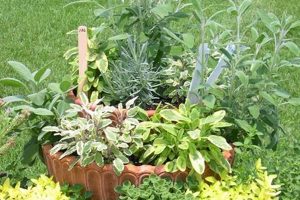
A plot cultivated primarily for the production of edible plants, rather than ornamental flora, defines a specific type of cultivated space. These areas are designed to yield a variety of produce, from fruits and vegetables to herbs and edible flowers. A common example would include a backyard area organized with raised beds containing rows of lettuce, tomato plants, and various herbs like basil and rosemary.
The significance of such spaces extends beyond mere food production. They offer substantial benefits regarding sustainable living by reducing reliance on external food sources and promoting localized consumption. Historically, these types of gardens have played crucial roles in ensuring food security, particularly during times of economic hardship or limited access to commercial markets, providing sustenance and nutritional diversity to families and communities.
The subsequent sections will delve into topics such as the planning and design considerations for these specialized plots, the selection of appropriate plant varieties, and optimal cultivation techniques to maximize yields and ensure the health and vitality of the plants within the garden.
Cultivation Strategies for Edible Landscapes
Optimizing the yield and quality of edible landscapes requires a strategic approach. The following recommendations, derived from established horticultural practices, offer guidance for successful cultivation.
Tip 1: Conduct Thorough Soil Analysis. Prior to planting, a comprehensive soil test is essential. Analyzing pH levels and nutrient composition informs amendments needed to create an optimal growing environment. For example, if the test reveals a nitrogen deficiency, incorporating composted manure is recommended.
Tip 2: Implement Crop Rotation. Rotating crop families annually minimizes pest and disease buildup within the soil. A suggested rotation plan could involve transitioning from leafy greens to root vegetables to legumes over a three-year cycle.
Tip 3: Utilize Companion Planting. Strategically pairing compatible plants can enhance growth and deter pests. Planting basil near tomato plants is a well-documented example, as basil repels tomato hornworms and improves tomato flavor.
Tip 4: Practice Consistent Watering Techniques. Implementing a consistent watering schedule, ideally in the early morning, reduces water loss through evaporation and minimizes the risk of fungal diseases. Soaker hoses or drip irrigation systems are particularly effective for delivering water directly to the root zone.
Tip 5: Employ Organic Pest Control Methods. Avoid synthetic pesticides. Instead, introduce beneficial insects like ladybugs or use horticultural oils to manage pest infestations. Regularly inspecting plants for early signs of pests allows for timely intervention.
Tip 6: Optimize Sunlight Exposure. Ensuring adequate sunlight exposure is crucial for plant growth and fruit development. Most vegetables require at least six hours of direct sunlight daily. Adjust planting locations or provide supplemental lighting if necessary.
Tip 7: Mulch Appropriately. Applying a layer of organic mulch, such as straw or wood chips, helps retain soil moisture, suppress weed growth, and regulate soil temperature. Mulch also decomposes over time, enriching the soil with organic matter.
These cultivation strategies, when implemented diligently, contribute to increased productivity, improved plant health, and a more sustainable edible landscape. The principles outlined serve as a foundation for successful cultivation.
The subsequent section will discuss methods for maximizing yield and extending the growing season, including techniques such as succession planting and season extension strategies.
1. Plant Selection

The selection of plant varieties forms the foundational step in establishing a space dedicated to the cultivation of edible produce. This initial decision profoundly influences the potential yield, nutritional value, and overall success of the endeavor. Careful consideration of various factors is paramount to optimizing the functionality and productivity of the area.
- Climate Adaptability
The chosen plants must be capable of thriving within the specific climatic conditions of the region. Selecting varieties that are naturally suited to the local temperature ranges, rainfall patterns, and growing season length is essential for minimizing stress and maximizing yield. For instance, heat-tolerant tomato varieties are preferable in arid climates, while cold-hardy greens are suitable for regions with shorter growing seasons.
- Space Optimization
The available space must be factored into the selection process. Compact varieties are advantageous in smaller areas, allowing for greater diversity and minimizing competition for resources. Bush beans, for example, occupy less space than pole beans, making them suitable for limited areas. Vertical gardening techniques can further optimize space utilization by growing vining plants like cucumbers and squash on trellises.
- Nutritional Value
Selecting plant varieties with high nutritional content enhances the health benefits derived from the harvest. Heirloom varieties, often prized for their unique flavors and textures, can also offer superior nutritional profiles compared to commercially bred counterparts. Examples include selecting dark leafy greens like spinach and kale for their high vitamin and mineral content.
- Pest and Disease Resistance
Choosing plants with inherent resistance to common pests and diseases reduces the need for chemical interventions and promotes a more sustainable and environmentally friendly growing environment. Disease-resistant tomato varieties, for example, can minimize the risk of fungal infections and ensure a healthier harvest. Companion planting strategies can further enhance pest control by attracting beneficial insects and deterring harmful pests.
The strategic selection of plant varieties, tailored to the specific environmental conditions, spatial constraints, and nutritional objectives, is critical for maximizing the potential and ensuring the long-term success of edible cultivation. This initial step sets the stage for a productive and sustainable endeavor.
2. Soil Health

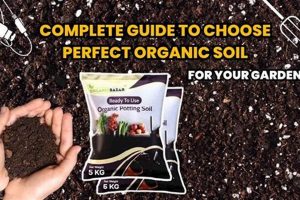
Soil health constitutes the cornerstone of any successful effort to cultivate edible plants. Its impact on plant growth, nutrient uptake, and overall yield cannot be overstated. Prioritizing soil health is essential for producing high-quality, flavorful, and nutritious produce.
- Nutrient Availability and Uptake
Healthy soil contains a balanced profile of essential nutrients, including nitrogen, phosphorus, and potassium, as well as micronutrients like iron and zinc. These elements are vital for plant growth, develop
ment, and fruit production. For instance, nitrogen deficiency can result in stunted growth and yellowing leaves, directly impacting the yield and vitality of crops. Soil rich in organic matter enhances nutrient availability, ensuring plants receive the necessary sustenance for optimal growth. - Water Retention and Drainage
The structure of healthy soil facilitates both efficient water retention and adequate drainage. This balance prevents waterlogging, which can suffocate roots, and ensures plants have access to sufficient moisture during dry periods. Sandy soils, for example, drain quickly but retain little water, while clay soils retain water excessively but can impede drainage. A well-structured soil, enriched with organic matter, optimizes water availability for plant uptake, promoting robust growth and consistent yields.
- Microbial Activity and Nutrient Cycling
Healthy soil teems with beneficial microorganisms, including bacteria, fungi, and protozoa, which play a crucial role in nutrient cycling. These organisms decompose organic matter, releasing nutrients in forms that plants can readily absorb. Mycorrhizal fungi, for instance, form symbiotic relationships with plant roots, enhancing nutrient uptake, particularly phosphorus. The presence of a diverse and thriving microbial community is indicative of soil health and contributes significantly to plant nutrition.
- Disease Suppression and Pest Resistance
Healthy soil harbors beneficial microorganisms that can suppress plant diseases and deter pests. These organisms compete with pathogenic microbes, reducing the risk of disease outbreaks, and can also produce compounds that repel or inhibit pests. Suppressing soil borne diseases and decreasing pest populations directly influences the plant’s health and its ability to produce in abundance. A robust soil ecosystem promotes plant vigor and resilience.
The correlation between soil health and the productivity of edible plants is undeniable. Cultivating and maintaining healthy soil through practices such as composting, cover cropping, and minimizing tillage is fundamental to achieving high yields of nutritious and flavorful produce. Recognizing the importance of soil health is the basis for productive gardening.
3. Sunlight Exposure

Sufficient light plays a critical role in cultivating edible plants, directly influencing photosynthetic rates, growth, and overall yield. Understanding the relationship between light availability and plant requirements is essential for optimizing production within an area intended for edibles.
- Photosynthesis and Carbohydrate Production
Adequate light levels are indispensable for photosynthesis, the process by which plants convert light energy into chemical energy in the form of carbohydrates. These carbohydrates serve as the primary fuel source for plant growth, flowering, and fruit development. Insufficient light limits carbohydrate production, resulting in stunted growth, reduced yields, and diminished fruit quality. For example, tomatoes grown in shaded locations produce smaller fruits with lower sugar content compared to those exposed to full sunlight.
- Flowering and Fruiting Initiation
Light intensity and duration, known as photoperiod, influence the timing of flowering and fruit production in many plant species. Some plants require long days (more than 12 hours of sunlight) to initiate flowering, while others require short days. Manipulating light exposure, either through supplemental lighting or shading, can be used to control the timing of harvests and extend the growing season. For instance, providing supplemental light to spinach during winter months promotes growth and prevents premature bolting.
- Nutrient Uptake and Water Use Efficiency
Light availability influences nutrient uptake and water use efficiency in plants. Plants exposed to sufficient light exhibit higher rates of transpiration, drawing water and nutrients from the soil more effectively. This increased nutrient uptake supports vigorous growth and enhances resistance to pests and diseases. Conversely, plants grown in low-light conditions exhibit reduced transpiration rates, leading to nutrient deficiencies and increased susceptibility to stress. Adequate sunlight exposure therefore supports optimal plant physiology and resource utilization.
- Flavor Development and Nutritional Content
Light intensity directly impacts the flavor and nutritional content of edible plants. Sunlight promotes the synthesis of secondary metabolites, such as volatile organic compounds and antioxidants, which contribute to the distinctive flavors and aromas of fruits, vegetables, and herbs. Plants grown in full sunlight tend to have higher concentrations of these beneficial compounds, resulting in more flavorful and nutritious produce. For example, basil grown under intense light develops a stronger, more complex flavor profile compared to basil grown in shade.
These factors highlight the central role of sunlight in supporting the biological processes that result in high-quality produce. Carefully considering light requirements when planning and managing areas designed for growing edibles is paramount for maximizing yields, enhancing flavor, and ensuring the nutritional value of the harvest.
4. Water Management
Water management is a critical determinant in the success of any plot dedicated to producing edible plants. The availability and regulation of moisture directly influence plant health, yield, and the ultimate flavor profile of the harvest. Efficient water management techniques are essential for maximizing productivity and minimizing resource waste.
- Irrigation Techniques and Water Use Efficiency
The selection of appropriate irrigation techniques is paramount for optimizing water use. Drip irrigation and soaker hoses deliver water directly to the root zone, minimizing evaporation and reducing water waste compared to overhead sprinklers. Implementing water-wise irrigation strategies based on plant needs and soil conditions ensures that plants receive the necessary moisture without overwatering. Monitoring soil moisture levels with sensors and adjusting irrigation schedules accordingly further enhances water use efficiency. For example, a tomato plant requires consistent soil moisture during fruit development to prevent blossom-end rot, but overwatering can lead to root diseases.
- Water Quality and Salinity Management
The quality of irrigation water significantly impacts plant health and soil conditions. Water with high salinity levels can accumulate in the soil, inhibiting water uptake and leading to plant stress. Regular testing of irrigation water for salinity and pH is recommended. Amending the soil with organic matter can improve drainage and reduce the accumulation of salts. Using rainwater harvesting systems or filtering water sources can also provide a source of clean, low-salinity water for irrigation. For instance, irrigating with well water containing high levels of sodium can damage salt-sensitive plants like beans and lettuce.
- Rainwater Harvesting and Water Conservation
Rainwater harvesting offers a sustainable and cost-effective solution for supplementing irrigation needs. Collecting rainwater in bar
rels or cisterns reduces reliance on municipal water sources and conserves water resources. Designing the plot with rain gardens and swales can further enhance water infiltration and reduce runoff. Mulching around plants with organic materials like straw or wood chips helps retain soil moisture and reduces the need for frequent irrigation. Implementing these strategies contributes to a water-wise and environmentally responsible approach to cultivating edible plants. - Drainage and Root Zone Health
Proper drainage is essential for maintaining healthy root zones and preventing waterlogging. Poorly drained soils can lead to anaerobic conditions, which suffocate roots and promote the growth of disease-causing pathogens. Improving soil structure with organic matter and ensuring adequate drainage channels are crucial for preventing root rot and other water-related diseases. Raised beds and container gardening can also provide better drainage in areas with heavy clay soils. The effective drainage directly effects the plants ability to take up nutrition, therefore, impacting flavor, size and yield of its harvest.
Implementing effective water management strategies is vital for promoting plant health, maximizing yields, and producing high-quality crops. Careful consideration of irrigation techniques, water quality, water conservation, and drainage is essential for creating a sustainable and productive plot of edible plants. Balancing water availability with plant needs ensures that water resources are used efficiently and effectively, resulting in healthy and flavorful produce.
5. Pest Control

Effective pest control is a critical aspect of maintaining a plot intended for producing edible plants, as pest infestations can significantly reduce yields, compromise plant health, and diminish the overall quality and marketability of the harvest.
- Identification of Pests and Early Detection
Accurate identification of pests is the foundational step in developing an effective control strategy. Early detection prevents minor infestations from escalating into widespread problems. Regular monitoring of plants for signs of damage, such as leaf discoloration, holes, or the presence of insects, is essential. For example, aphids, small sap-sucking insects, can rapidly multiply and weaken plants. Early detection allows for targeted interventions before significant damage occurs, ensuring sustained productivity.
- Integrated Pest Management (IPM) Strategies
Integrated Pest Management (IPM) employs a multifaceted approach that combines biological, cultural, and chemical controls to minimize pest damage while minimizing the environmental impact. IPM strategies prioritize non-chemical methods, such as introducing beneficial insects like ladybugs to control aphid populations. Cultural controls include crop rotation and companion planting to disrupt pest life cycles and deter infestations. Chemical controls, such as insecticides, are used only as a last resort and are selected for their specificity and minimal impact on beneficial organisms. A well-implemented IPM program maintains a balanced ecosystem within the growing space, reducing the reliance on synthetic pesticides and promoting long-term sustainability.
- Organic Pest Control Methods
Organic pest control methods rely on natural substances and biological controls to manage pests without the use of synthetic chemicals. Examples include using neem oil, a naturally occurring insecticide, to control a wide range of pests, and employing insecticidal soap to target soft-bodied insects like aphids and whiteflies. Diatomaceous earth, a naturally occurring powder, can be used to control crawling insects by disrupting their exoskeletons. These methods are generally safer for humans, beneficial insects, and the environment, making them suitable for use in plots intended for food production. Furthermore, the use of organic techniques aligns with a growing consumer demand for sustainably grown produce.
- Preventative Measures and Habitat Management
Preventative measures are crucial for minimizing pest pressure within a area designated for edibles. Maintaining a clean and weed-free environment reduces habitat for pests and diseases. Selecting disease-resistant plant varieties and ensuring proper soil drainage and aeration can further reduce susceptibility to infestations. Creating a diverse ecosystem by planting flowers and herbs that attract beneficial insects provides a natural form of pest control. Implementing these practices proactively reduces the likelihood of pest outbreaks and minimizes the need for reactive interventions, ensuring the continued health and productivity of the plants.
These multifaceted strategies, when implemented cohesively, contribute to a healthier and more productive plot of edible plants by mitigating the detrimental impacts of pests. Successfully managing pests, especially through organic and preventative methods, not only safeguards the yield but also enhances the overall quality and appeal of the harvested produce.
6. Harvesting Practices
The methodologies employed during harvest significantly influence the quality, flavor, and shelf life of produce derived from any plot intended for edible plants. Meticulous harvesting practices are essential for ensuring the optimal expression of desirable traits and minimizing post-harvest losses.
- Timing and Maturity Assessment
Determining the precise moment of ripeness is crucial. Harvesting fruits and vegetables before or after their optimal maturity can compromise flavor, texture, and nutritional content. Visual cues, such as color changes, size, and shape, serve as indicators of ripeness. Physical assessments, including firmness and ease of detachment from the plant, provide additional information. For instance, harvesting tomatoes too early results in a bland, acidic flavor, while harvesting them when overripe leads to a mushy texture and diminished shelf life. Proper timing ensures that the produce reaches its peak flavor and nutritional value.
- Gentle Handling and Minimizing Damage
Harvesting should be conducted with care to minimize physical damage to the produce. Bruises, cuts, and abrasions provide entry points for pathogens, accelerating spoilage and reducing shelf life. Gentle handling techniques, such as using appropriate tools and avoiding dropping or squeezing fruits and vegetables, are essential. For example, harvesting delicate berries like raspberries requires careful hand-picking to prevent crushing. Minimizing damage during harvest maintains the integrity of the produce, preserving its appearance, flavor, and nutritional content.
- Appropriate Storage and Preservation Methods
Proper storage and preservation techniques extend the shelf life of harvested produce and maintain its quality. Refrigeration slows down respiration and enzymatic activity, delaying spoilage. Proper ventilation prevents the buildup of ethylene gas, which can accelerate ripening and decay. Preservation methods, such as canning, freezing, and drying, allow for long-term storage of seasonal produce. For instance, canning tomatoes preserves them for use throughout the year. Implementing appropriate storage and preservation methods ensures that the bounty of the harvest can be enjoyed long after the growing
season has ended. - Sanitation and Hygiene Practices
Maintaining proper sanitation and hygiene during harvest is critical for preventing contamination and ensuring food safety. Washing hands thoroughly before and after handling produce reduces the risk of spreading pathogens. Using clean harvesting tools and containers prevents contamination from surfaces. Avoiding harvesting produce that has come into contact with soil or animal waste minimizes the risk of microbial contamination. Implementing these practices ensures that the harvested produce is safe for consumption and reduces the risk of foodborne illnesses. Furthermore, it assures high-quality harvested produce for customers.
The adoption of meticulous harvesting practices elevates the potential of any plot producing edible crops, ensuring that the resulting produce not only possesses superior flavor and nutritional value but also enjoys an extended shelf life. The culmination of careful cultivation lies in the harvesting process, where the grower’s efforts are realized in the form of high-quality, palatable products.
7. Seasonal Planning

Effective seasonal planning is fundamental to maximizing productivity in a plot intended for cultivating edible plants. Aligning planting schedules with the natural cycles of the year ensures that crops are cultivated under optimal environmental conditions, leading to enhanced growth, yields, and flavor profiles.
- Crop Rotation and Soil Health
Seasonal planning dictates the sequence of crops grown in a specific area. Implementing crop rotation schedules that alternate between plant families minimizes pest and disease buildup in the soil while improving nutrient availability. For example, rotating nitrogen-fixing legumes with heavy-feeding vegetables can naturally replenish soil fertility, reducing the need for synthetic fertilizers. This approach ensures the long-term health and productivity of the cultivation space.
- Succession Planting and Continuous Harvests
Strategic seasonal planning allows for succession planting, where multiple crops are planted in sequence to ensure a continuous harvest throughout the growing season. This involves planting fast-maturing crops alongside slower-growing varieties or staggering planting dates to avoid periods of scarcity. For example, planting radishes and lettuce early in the spring, followed by tomatoes and peppers, provides a steady supply of fresh produce. This strategy maximizes resource utilization and extends the period of peak yield.
- Climate Considerations and Variety Selection
Seasonal planning requires careful consideration of local climate conditions, including temperature ranges, rainfall patterns, and frost dates. Selecting plant varieties that are well-suited to the prevailing climate ensures that crops thrive under the expected environmental conditions. For example, planting heat-tolerant tomato varieties in regions with hot summers prevents blossom drop and maximizes fruit production. Matching plant varieties to the appropriate seasonal conditions optimizes growth potential and minimizes the risk of crop failure.
- Season Extension Techniques
Seasonal planning incorporates techniques for extending the growing season beyond the typical frost-free period. This involves using tools such as row covers, cold frames, and greenhouses to protect plants from extreme temperatures and extend the harvest window. For example, using row covers to protect early spring crops from frost allows for earlier planting and extends the period of production. Employing season extension strategies maximizes productivity and provides access to fresh produce for a longer period.
These aspects of seasonal planning underscore its importance in shaping the success and sustainability of cultivation dedicated to edible plants. By aligning planting schedules with environmental cycles and incorporating strategic techniques, growers can optimize yields, enhance crop quality, and ensure a consistent supply of fresh, flavorful produce throughout the year.
Frequently Asked Questions about Cultivating Edible Plant Spaces
This section addresses common inquiries regarding the establishment, maintenance, and optimization of areas designated for the production of edible plants. The information provided is intended to offer clarity and guidance based on established horticultural principles.
Question 1: What constitutes the essential distinction between a conventional ornamental plot and an area designed for edible crops?
The primary distinction lies in the intended purpose. While conventional ornamental plots are primarily designed for aesthetic enjoyment and the display of non-edible plant species, areas intended for edibles are specifically cultivated to produce crops for human consumption. This dictates the selection of plant varieties, soil management practices, and pest control strategies employed.
Question 2: What are the fundamental considerations when initiating a fresh area focused on producing edibles?
Key considerations encompass site selection based on sunlight exposure and soil quality, the selection of appropriate plant varieties suited to the local climate, and the implementation of sustainable irrigation and pest control measures. A comprehensive soil analysis is crucial to determine any necessary amendments prior to planting.
Question 3: How does one optimize the yield from a limited space allocated for edible plants?
Optimizing yields within constrained spaces involves utilizing techniques such as vertical gardening, companion planting, and intensive planting methods. Selecting compact plant varieties and implementing succession planting strategies can further enhance productivity within a limited area.
Question 4: What sustainable methodologies are available for controlling pests within these spaces?
Sustainable pest control methods include the introduction of beneficial insects, the application of organic pesticides (such as neem oil and insecticidal soap), and the implementation of cultural practices such as crop rotation and companion planting. The goal is to minimize the use of synthetic chemicals and promote a balanced ecosystem within the cultivation area.
Question 5: How does seasonal planning influence the effectiveness of this type of plot?
Seasonal planning is critical for aligning planting schedules with optimal environmental conditions and maximizing yields throughout the year. This involves selecting appropriate plant varieties for each season, implementing succession planting strategies, and utilizing season extension techniques to prolong the growing period.
Question 6: What steps can be taken to ensure the soil within this area remains healthy and productive over an extended period?
Maintaining long-term soil health involves regular soil testing, the incorporation of organic matter (such as compost and manure), the implementation of crop rotation practices, and the avoidance of excessive tillage. These practices promote a balanced soil ecosystem and ensure the sustained availability of essential nutrients.
These frequently asked questions address fundamental considerations related to the development and management of these spaces, highlighting the importance of informed decision-making for successful cultivation.
The subsequent section will delve into advanced techniques for maximizing the aesthetic appeal while maintainin
g a primary focus on utility.
Conclusion
This exploration of the “tasty garden” concept has illuminated the various factors critical to its successful implementation. From strategic planning and plant selection to diligent soil management and pest control, each element plays a pivotal role in maximizing the yield and nutritional value derived from these cultivated spaces. The integration of sustainable practices further enhances their long-term viability and ecological impact.
The cultivation of “tasty garden” represents a commitment to fresh, locally sourced produce and a more sustainable approach to food production. Continued research and refinement of cultivation techniques will further optimize their potential, contributing to food security and promoting healthier lifestyles within communities. Further dedication and proper execution will maximize yields.