This outdoor furnishing emulates the appearance of natural wicker, but it’s constructed from man-made materials like polyethylene or PVC. A typical application involves patio sets designed for outdoor use, offering an aesthetic similar to traditional wicker without its inherent vulnerabilities.
The value of these furnishings stems from their durability and resistance to weather. Unlike natural wicker, these pieces are impervious to moisture, preventing rot and decay. This characteristic provides a longer lifespan, reduced maintenance demands, and sustained aesthetic appeal. Early adoption of plastics in outdoor furniture addressed the shortcomings of natural materials, leading to the widespread popularity of these long-lasting alternatives.
The subsequent sections will delve into the manufacturing processes, varieties available, maintenance procedures, and environmental considerations associated with selecting this type of outdoor furniture. These areas will give a detailed understanding of its composition, use, and long-term impact.
Selection and Upkeep Guidance
The following recommendations provide insights into the proper selection and maintenance of outdoor furniture designed to resemble natural wicker, but composed of synthetic materials.
Tip 1: Material Composition Assessment: Prior to purchase, examine the composition of the material used. High-density polyethylene (HDPE) offers enhanced durability and resistance to UV degradation compared to PVC alternatives. Verify material specifications provided by the manufacturer.
Tip 2: Frame Construction Evaluation: The underlying frame directly influences structural integrity. Seek furniture constructed with powder-coated aluminum or rust-proof steel. These materials provide a stable base and prevent corrosion, extending the furniture’s usable life.
Tip 3: Weave Density Examination: Higher weave density indicates superior material usage and increased strength. Closely examine the weave pattern for uniformity and tightness. Avoid pieces exhibiting loose or uneven weaving, as these are prone to unraveling.
Tip 4: UV Resistance Verification: Prolonged sun exposure can degrade the color and structural integrity of some synthetic materials. Request information regarding UV inhibitors used in the manufacturing process. Opt for furniture specifically treated to resist fading and cracking.
Tip 5: Cleaning Protocol Implementation: Regular cleaning prevents the accumulation of dirt and mildew. Utilize a mild soap solution and a soft brush to gently scrub the surface. Avoid abrasive cleaners or pressure washers, as these can damage the weave.
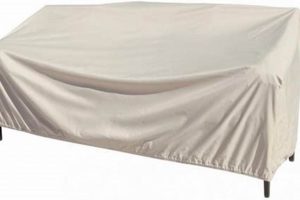
Tip 6: Storage Considerations During Off-Season: During periods of non-use, store the furniture in a dry, sheltered location. Alternatively, employ protective covers to minimize exposure to the elements. This reduces the risk of damage from moisture, freezing temperatures, and debris.
Tip 7: Cushion Maintenance Practices: Cushions should be constructed from water-resistant or water-repellent fabrics. Regularly clean any spills or stains to prevent permanent discoloration. Store cushions indoors during inclement weather to extend their lifespan.
Adhering to these guidelines ensures the selection of durable, long-lasting outdoor furnishings and facilitates the preservation of their aesthetic appeal and structural integrity over extended periods.
The concluding section will offer a comprehensive overview of the environmental implications associated with these types of outdoor furnishings and explore options for responsible disposal or recycling.
1. Weather Resistance

Weather resistance is a primary attribute driving the adoption of outdoor furnishings crafted from synthetic materials designed to mimic natural wicker. The inherent susceptibility of natural wicker to moisture, UV radiation, and temperature fluctuations necessitates robust protection strategies or frequent replacements. The synthetic alternatives address these vulnerabilities, providing a viable long-term solution for outdoor use.
- Moisture Impermeability
Synthetic polymers, such as high-density polyethylene (HDPE), exhibit negligible water absorption. This characteristic prevents rot, mildew growth, and structural degradation commonly associated with natural rattan exposed to prolonged moisture. The absence of water absorption maintains the furniture’s integrity, especially in humid climates or during periods of rainfall.
- UV Radiation Stability
Ultraviolet (UV) radiation can cause fading, cracking, and embrittlement of many materials, including some plastics. High-quality synthetic rattan incorporates UV stabilizers and inhibitors during the manufacturing process. These additives mitigate the damaging effects of sunlight, preserving the color and structural integrity of the furniture over extended periods of outdoor exposure.
- Temperature Tolerance
Extreme temperature fluctuations can induce expansion and contraction in materials, potentially leading to warping, cracking, or joint failures. Synthetic formulations are engineered to withstand a broad range of temperatures without significant deformation or loss of structural integrity. This resilience ensures consistent performance in diverse climates, from freezing winters to hot summers.
- Resistance to Biological Degradation
Natural materials are susceptible to attack by insects, fungi, and other organisms that can compromise their structural integrity. Synthetic rattan is inherently resistant to biological degradation, eliminating the need for chemical treatments or protective coatings commonly applied to natural wicker. This resistance contributes to the longevity and low-maintenance characteristics of the furniture.
The collective impact of these weather-resistant properties underscores the suitability of synthetic rattan for outdoor furniture applications. The ability to withstand moisture, UV radiation, temperature extremes, and biological degradation translates to a longer lifespan, reduced maintenance requirements, and sustained aesthetic appeal compared to natural alternatives. This enhanced durability provides a cost-effective and environmentally responsible solution for furnishing outdoor spaces.
2. Durability and Longevity

The durability and longevity of outdoor furniture are critical factors in determining its overall value and sustainability. Synthetic rattan, specifically formulated for outdoor use, offers significant advantages in this regard compared to natural materials, influencing purchase decisions and long-term maintenance costs.
- Material Composition and Degradation Resistance
The core of synthetic rattan’s durability lies in its composition. Polyethylene and PVC, the primary materials used, are inherently resistant to degradation caused by moisture, insects, and fungi. This contrasts sharply with natural rattan, which requires constant treatment to prevent rot and pest infestation. The resulting effect significantly extends the lifespan of the furniture.
- Frame Integrity and Structural Stability
Synthetic rattan furniture typically incorporates frames constructed from powder-coated aluminum or treated steel. These materials provide a stable and corrosion-resistant foundation. This prevents structural weakening over time, which is a common issue with wooden frames exposed to the elements, contributing substantially to the furniture’s longevity.
- UV Resistance and Colorfastness
Extended exposure to ultraviolet (UV) radiation can cause fading and embrittlement in many materials. High-quality synthetic rattan incorporates UV stabilizers to mitigate these effects. This ensures the furniture retains its color and structural integrity even after prolonged sun exposure, reducing the need for frequent replacements or refinishing.
- Manufacturing Processes and Quality Control
The manufacturing processes employed in creating synthetic rattan furniture directly impact its durability. Extrusion techniques, combined with stringent quality control measures, ensure uniformity in material thickness and weave pattern. This consistency contributes to the overall strength and resilience of the furniture, minimizing points of failure and extending its usable life.
The interplay of these elementsmaterial composition, frame integrity, UV resistance, and manufacturing processescollectively determines the durability and longevity of furniture. The improved resistance to environmental factors results in a longer lifespan and reduced maintenance compared to natural alternatives. This reinforces the cost-effectiveness and sustainability profile of synthetic rattan in the context of outdoor furnishings.
3. Maintenance Requirements

The practical appeal of outdoor seating solutions hinges significantly on the level of upkeep demanded. The following facets underscore the maintenance burden associated with furniture fabricated from synthetic materials designed to mimic natural wicker, offering a comparative perspective against natural alternatives.
- Cleaning Procedures and Frequency
The primary maintenance action involves periodic cleaning to remove accumulated dirt, debris, and organic matter. A mild detergent solution, applied with a soft brush or cloth, typically suffices. The frequency depends on environmental conditions, but a monthly cleaning schedule is generally adequate. This simple process contrasts sharply with the more complex and frequent cleaning often required for natural wicker, which is susceptible to mold and mildew growth.
- Material-Specific Treatments and Protectants
Synthetic materials, such as polyethylene, generally require no specialized treatments or protectants beyond cleaning. Unlike natural wicker, which benefits from regular applications of sealant or varnish, these materials are inherently resistant to moisture and UV degradation. The absence of these requirements simplifies maintenance routines and reduces long-term costs.
- Repair and Replacement Considerations
While durable, synthetic rattan can sustain damage from sharp objects or excessive weight. Repairs often involve replacing damaged sections of the weave, which can be challenging depending on the complexity of the design. However, the inherent resilience of the material minimizes the likelihood of structural failures requiring extensive repairs or complete replacements, offering a considerable advantage over the more fragile nature of natural wicker.
- Storage Practices During Off-Season
Prolonging the lifespan of outdoor furniture involves proper storage during periods of non-use. While synthetic rattan is weather-resistant, covering or storing the furniture indoors during harsh winter months minimizes exposure to extreme temperatures and heavy precipitation. This practice reduces the potential for material degradation and extends the furniture’s usable life, although the requirements are significantly less demanding than those associated with natural wicker.
The aggregate effect of minimal cleaning needs, absence of specialized treatments, reduced repair frequency, and simplified storage practices positions material favorably. These low requirements enhance its appeal as a practical and convenient choice for outdoor settings, minimizing the investment of time and resources required to maintain its aesthetic appeal and structural integrity.
4. Aesthetic Versatility

The capacity to adapt to diverse design preferences and outdoor environments constitutes a significant attribute of furnishings crafted from synthetic wicker. This adaptability stems from the inherent malleability of synthetic materials during the manufacturing process, permitting a wide range of colors, weave patterns, and structural designs. This characteristic directly impacts the appeal and marketability of these products, enabling them to complement various architectural styles and landscaping schemes. For example, a minimalist patio might feature seating with a sleek, linear weave in neutral tones, while a more traditional garden setting could accommodate furniture with intricate patterns and warmer color palettes.
The practical implications of aesthetic versatility extend to customization options. Manufacturers can readily modify weave density, strand thickness, and color combinations to meet specific client requests or design specifications. This level of personalization is often unachievable or cost-prohibitive with natural rattan, which is constrained by its natural variations in color and texture. Furthermore, the consistent appearance of the synthetic material ensures uniformity across multiple pieces of furniture, facilitating cohesive design schemes in large outdoor spaces. The availability of diverse styles, ranging from contemporary modular designs to classic wicker interpretations, contributes to the widespread adoption of this type of outdoor furniture.
In summary, the aesthetic versatility of synthetic rattan significantly enhances its value as a furnishing material. Its ability to conform to diverse design aesthetics, coupled with customization options and consistent appearance, addresses a broad spectrum of consumer preferences. This inherent adaptability, driven by manufacturing flexibility, underscores the importance of aesthetic considerations in the design and marketing of outdoor furnishings, ensuring broad market appeal and widespread application.
5. Environmental Impact

The manufacture, use, and disposal of outdoor furnishings composed of synthetic materials designed to mimic natural wicker present a complex set of environmental considerations. The primary cause for concern stems from the reliance on petroleum-based polymers, such as polyethylene and PVC, in their production. Extraction, processing, and polymerization of these materials contribute to greenhouse gas emissions and depletion of finite resources. The importance of evaluating environmental impact lies in the potential for minimizing harm through informed material selection, responsible manufacturing practices, and effective end-of-life management. A real-life example is the adoption of recycled polyethylene in furniture construction, reducing the demand for virgin plastics and diverting waste from landfills. Understanding the environmental consequences is practically significant for consumers and manufacturers seeking to mitigate the ecological footprint of outdoor furniture.
Further analysis reveals that the durability and longevity of the furniture play a critical role in mitigating its environmental impact. While the initial production phase carries a carbon footprint, a longer lifespan reduces the frequency of replacements, thereby lowering the cumulative environmental burden. Manufacturers can enhance sustainability by employing durable materials, optimizing designs for repairability, and offering take-back programs for end-of-life recycling. For instance, a company might design furniture with easily replaceable components, extending its usability and reducing waste. Furthermore, consumers can contribute by properly maintaining their furniture, extending its life, and exploring options for recycling or repurposing it when it is no longer needed. A practical application involves selecting furniture made from recyclable materials and ensuring its proper disposal through designated recycling channels.
In conclusion, the environmental impact of synthetic rattan furniture is a multifaceted issue encompassing resource depletion, emissions, and waste management. While the use of synthetic materials poses challenges, informed choices, such as selecting recycled materials and prioritizing durability, can significantly reduce the ecological footprint. The responsibility extends to both manufacturers, who should embrace sustainable practices, and consumers, who should make informed purchasing decisions and ensure proper end-of-life management. Addressing these challenges requires a holistic approach, linking sustainable design principles with responsible consumption patterns. Ultimately, minimizing environmental harm depends on integrating ecological considerations into every stage of the furniture’s lifecycle.
Frequently Asked Questions
The following questions address common concerns and misconceptions regarding outdoor furniture designed to mimic natural wicker but composed of synthetic materials.
Question 1: What materials constitute synthetic rattan, and what are their respective advantages?
Synthetic rattan is commonly manufactured from polyethylene (PE) or polyvinyl chloride (PVC). PE, particularly high-density polyethylene (HDPE), demonstrates superior resistance to UV degradation and cracking. PVC offers a more economical alternative but may exhibit reduced durability over extended exposure to sunlight.
Question 2: How does the lifespan of synthetic rattan compare to that of natural rattan?
Under comparable environmental conditions, synthetic rattan typically exhibits a longer lifespan than natural rattan. Natural rattan is susceptible to moisture damage, insect infestation, and fungal growth, while synthetic alternatives are impervious to these factors.
Question 3: What maintenance procedures are recommended for synthetic rattan furniture?
Routine maintenance involves periodic cleaning with a mild soap solution and a soft brush. The procedure removes surface dirt and prevents mildew accumulation. Abrasive cleaners and pressure washers should be avoided as they may damage the synthetic weave.
Question 4: Does synthetic rattan fade or degrade under prolonged sun exposure?
The rate of fading and degradation depends on the quality of the synthetic material and the incorporation of UV inhibitors. High-quality formulations treated with UV stabilizers exhibit greater colorfastness and resistance to embrittlement.
Question 5: Is synthetic rattan furniture environmentally friendly?
The environmental impact depends on the material composition, manufacturing processes, and end-of-life management. Furniture made from recycled polyethylene or designed for recyclability minimizes environmental harm. Proper disposal and recycling practices are essential.
Question 6: Can synthetic rattan furniture withstand extreme weather conditions, such as freezing temperatures or heavy rainfall?
High-quality synthetic rattan is engineered to withstand a wide range of temperatures and moisture levels. However, covering or storing the furniture during periods of extreme weather minimizes potential damage and prolongs its lifespan.
In summary, synthetic rattan furniture offers a durable, low-maintenance alternative to natural wicker, provided that informed choices are made regarding material quality and proper care procedures are followed.
The subsequent sections will explore the selection criteria and purchasing considerations relevant to synthetic outdoor furniture.
Conclusion
This examination of synthetic rattan garden furniture has elucidated its defining characteristics, ranging from material composition and durability to aesthetic versatility and environmental impact. The analysis has underscored the factors driving its widespread adoption, namely its resistance to weathering, minimal maintenance requirements, and adaptability to diverse design preferences.
The continued evolution of materials science and manufacturing processes promises further enhancements in the sustainability and performance of synthetic outdoor furnishings. Stakeholders are encouraged to prioritize informed material selection, responsible manufacturing, and end-of-life management strategies to ensure that the environmental benefits of durable, long-lasting furniture outweigh the inherent challenges associated with synthetic materials.

![Protect & Extend: Garden Furniture Feet Protectors [Buy Now] | The Ultimate Gardening Guide: Grow a Thriving Garden Year-Round](https://MyGardenPatch.com/wp-content/uploads/2025/07/th-3169-300x200.jpg "Protect & Extend: Garden Furniture Feet Protectors [Buy Now] The Ultimate Gardening Guide: Grow a Thriving Garden Year-Round")