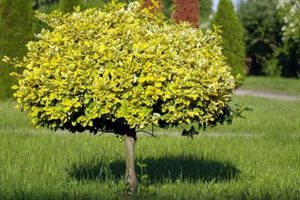
A curated outdoor space specifically designed to maximize direct exposure to sunlight is a fundamental element for certain horticultural endeavors. Such an environment often features plants selected for their high light requirements and is strategically oriented to capitalize on available solar radiation throughout the day. This approach contrasts with shaded gardens, which prioritize plants adapted to lower light levels.
Optimizing solar access can significantly enhance plant growth, fruit production, and overall health. Historically, utilizing southern exposures for warmth and light has been a vital consideration in temperate climates to extend growing seasons. Furthermore, careful planning can reduce reliance on artificial lighting systems in greenhouse environments, contributing to sustainable gardening practices.
Understanding the principles of light management, plant selection based on solar needs, and strategic garden placement are crucial for maximizing the potential of this type of cultivation area. Subsequent sections will delve deeper into specific plant choices, soil considerations, and maintenance techniques related to these light-optimized environments.
Optimizing a Solar-Exposed Horticultural Space
The subsequent guidelines aim to maximize plant health and productivity within a solar-optimized outdoor area. Careful consideration of these points is crucial for successful cultivation.
Tip 1: Assess Light Availability: Conduct a solar analysis of the location throughout the day and across seasons. Note areas receiving full sun (6+ hours), partial sun (4-6 hours), and shade. This informs plant selection and placement.
Tip 2: Select Appropriate Plant Species: Prioritize species known for their high light requirements, such as tomatoes, peppers, sunflowers, and certain herbs like rosemary and basil. Avoid shade-tolerant varieties.
Tip 3: Optimize Soil Drainage: Excess sunlight can lead to rapid soil drying. Ensure adequate drainage through amendments such as compost or well-rotted manure to maintain consistent moisture levels.
Tip 4: Implement Strategic Watering Practices: Water deeply and less frequently, allowing the soil surface to dry slightly between irrigations. Morning watering minimizes fungal diseases associated with prolonged leaf wetness.
Tip 5: Provide Adequate Support: Tall or vining plants benefiting from high light exposure often require staking, trellising, or caging to prevent wind damage or fruit overload.
Tip 6: Monitor for Pests and Diseases: Plants under solar stress can become more susceptible to infestations or infections. Regular inspection and prompt treatment are essential for maintaining plant health.
Tip 7: Consider Companion Planting: Interplant beneficial species such as marigolds or basil to deter pests and attract pollinators, further optimizing the ecosystem within the cultivated area.
Adherence to these strategies ensures maximized growth potential and enhanced productivity within an environment where sunlight is a primary resource. These techniques promote vigorous plant development and high-quality yields.
The following section will address advanced topics related to managing water resources and nutrient levels within solar-intensive horticultural environments.
1. Optimal Sunlight Exposure

Optimal sunlight exposure forms the bedrock of any successful “sunshine garden.” It dictates plant health, growth rate, and ultimately, productivity. Insufficient irradiance directly limits photosynthetic activity, inhibiting the plant’s ability to convert light energy into essential carbohydrates. This deficiency manifests in stunted growth, reduced flowering or fruiting, and increased susceptibility to diseases. Conversely, appropriate sunlight levels stimulate robust development, yielding higher quantities of desirable produce or more vibrant blooms. A tomato plant, for instance, requires a minimum of six hours of direct sunlight daily to yield a substantial harvest. Without such exposure, fruit production declines dramatically, and the fruit that does develop often lacks optimal flavor and size.
Beyond mere quantity, the quality of sunlight exposure also plays a critical role. The angle and intensity of solar radiation fluctuate throughout the day and across seasons. Understanding these variations allows for strategic placement of plants to maximize light interception during critical growth stages. In temperate climates, a south-facing location is typically favored, providing the longest duration of direct sunlight. Strategic use of reflective surfaces, such as white walls or metallic mulches, can further enhance light availability, particularly during periods of lower solar intensity. Crop rotation can also assist in optimising sunlight exposure where taller crops don’t cast shadows on lower growing crops and limit their access to sunlight.
In summary, optimal sunlight exposure is not merely a desirable condition for a “sunshine garden”; it is an indispensable prerequisite. Meticulous planning, taking into account both the quantity and quality of sunlight, is paramount. While other factors such as soil composition and watering practices are undoubtedly important, they are secondary to the foundational requirement of adequate solar irradiance. Overlooking this fundamental principle will invariably compromise the success of the entire horticultural endeavor, with potential for both quality and quantity yield decline.
2. Plant Selection Criteria

The success of a horticultural space designed for maximized solar exposure hinges critically on judicious plant selection. The fundamental principle governing plant choice is the species’ intrinsic ability to thrive under prolonged and intense sunlight. Consequently, varieties adapted to shaded environments are generally unsuitable for inclusion. Instead, the focus should center on heliophilic plantsthose exhibiting a positive phototropic response, demonstrating vigorous growth, and prolific flowering or fruiting under conditions of high irradiance. For example, in a vegetable garden context, tomatoes, peppers, and eggplants, all members of the Solanaceae family, are often favored because of their high light requirements and capacity to produce abundant yields when exposed to extended periods of direct sunlight. Failure to prioritize appropriate light requirements will inevitably result in subpar performance, rendering other cultivation efforts largely futile. This represents a clear cause-and-effect relationship: incompatible species selection leads directly to diminished vitality and productivity within the cultivated space.
Beyond basic light needs, other factors within the horticultural area further refine the plant selection process. Soil characteristics, including drainage capacity and nutrient availability, must be considered. For example, while s
unflowers thrive in sunny locations, they also demand well-drained soil to prevent root rot. Similarly, regional climate variations influence the adaptability of certain species. In regions with hot summers, drought-tolerant plants, like lavender or rosemary, are often preferred, as they can withstand the desiccating effects of intense solar radiation. Water availability also becomes a determining element. Water intensive crops such as celery may not be suitable in drier climates due to water limitations.
In conclusion, plant selection for a space optimized for sunlight is not simply a matter of preference but a crucial determinant of success. An understanding of each plant’s light requirements, combined with consideration of the local environment, including soil conditions, climate, and available water resources, is vital. Through careful and informed species selection, the full potential of the site can be realized, fostering a productive and aesthetically pleasing horticultural area. Challenges may arise from unexpected weather patterns or changing light conditions, but a solid foundation in plant selection principles provides the resilience necessary to adapt and maintain a flourishing garden.
3. Soil Nutrient Management

The efficacy of a horticultural design aimed at maximizing sunlight exposure is inextricably linked to diligent soil nutrient management. High levels of solar radiation accelerate plant metabolic processes, increasing the demand for essential nutrients. Consequently, a soil deficient in macronutrients (nitrogen, phosphorus, potassium) or micronutrients (iron, manganese, zinc) will limit plant growth and overall productivity. A direct cause-and-effect relationship exists: inadequate nutrient availability restricts the plant’s capacity to utilize the energy derived from sunlight, negating the benefits of optimized solar exposure. For example, a tomato plant in a space receiving ample sunlight will exhibit limited fruit production if the soil lacks sufficient phosphorus, which is crucial for flower and fruit development.
Implementing a robust soil testing program is paramount. Soil tests provide quantitative data on nutrient levels, pH, and organic matter content, enabling targeted amendments to address specific deficiencies. For instance, if a soil test reveals low nitrogen levels, the incorporation of composted manure or a nitrogen-rich fertilizer becomes necessary. Organic amendments, such as compost and well-rotted manure, not only supply essential nutrients but also improve soil structure, enhancing water retention and drainage. Furthermore, the practice of crop rotation can contribute to improved soil fertility. Leguminous plants, such as beans and peas, fix atmospheric nitrogen in the soil, enriching it for subsequent crops. Understanding the specific nutrient requirements of chosen plants, coupled with regular soil analysis, forms the basis of effective soil nutrient management.
In summary, effective soil nutrient management is not merely an ancillary consideration in a space designed for sunlight exposure; it is a critical determinant of success. The increased metabolic demands imposed by high irradiance necessitate a constant and balanced supply of essential nutrients. A proactive approach, encompassing regular soil testing, targeted amendments, and the incorporation of organic matter, is essential for maximizing plant growth, productivity, and overall health. Ignoring this vital component will inevitably compromise the full potential of the garden design, leading to suboptimal yields and diminished plant vitality.
4. Water Conservation Methods
Water conservation methods are integral to the sustainability of any horticultural design optimized for sunlight exposure. Intense solar radiation accelerates evapotranspiration, the process by which plants lose water through their leaves and the soil surface loses moisture to the atmosphere. This accelerated water loss creates a heightened demand for water, potentially leading to water stress, reduced plant vigor, and diminished yields if not addressed proactively. Consequently, the strategic implementation of water conservation techniques is not merely an environmentally responsible practice; it is a fundamental necessity for ensuring the long-term health and productivity of any space designed to maximize light exposure.
Several effective water conservation strategies can be deployed. Drip irrigation systems deliver water directly to the root zone of plants, minimizing evaporative losses compared to overhead watering methods. Mulching, the application of organic or inorganic materials to the soil surface, reduces evaporation and suppresses weed growth, which compete for water resources. Furthermore, the selection of drought-tolerant plant species can significantly reduce water consumption. For example, planting rosemary, lavender, or succulents, which are adapted to arid conditions, minimizes the need for supplemental irrigation. Soil amendments, such as compost and well-rotted manure, improve water retention capacity, allowing the soil to hold more water for longer periods. Rainwater harvesting, the collection and storage of rainwater for later use, offers another sustainable approach to water conservation.
In summary, the effective integration of water conservation methods is a prerequisite for the successful cultivation of any horticultural space optimized for sunlight exposure. The heightened evapotranspiration rates associated with intense solar radiation necessitate a proactive approach to water management. By implementing strategies such as drip irrigation, mulching, selecting drought-tolerant plants, amending the soil with organic matter, and harvesting rainwater, the detrimental effects of water stress can be mitigated, ensuring the long-term health and productivity. Neglecting water conservation ultimately undermines the environmental and economic sustainability of such a horticultural pursuit.
5. Pest and Disease Control

Effective pest and disease management is crucial within a high-sunlight horticultural environment. While enhanced solar exposure promotes robust plant growth, it can also inadvertently create conditions conducive to specific pest infestations and disease outbreaks. Therefore, an integrated approach to pest and disease control is essential for safeguarding plant health and maximizing yields.
- Increased Vulnerability to Certain Pests
Certain insect pests, such as spider mites and aphids, thrive in warm, dry conditions often prevalent in locations with high solar exposure. These pests reproduce rapidly and can quickly weaken plants by feeding on their sap. Monitoring for early signs of infestation, such as leaf discoloration or webbing, is critical. Integrated pest management strategies, including the introduction of beneficial insects like ladybugs or lacewings, can help control pest populations without resorting to harsh chemical treatments. Example: a cluster of aphids on tomato plants.
- Susceptibility to Fungal Diseases
Despite increased sunlight, fungal diseases can still pose a significant threat, particularly in humid climates or with improper watering practices. Overcrowding of
plants reduces air circulation, creating a favorable environment for fungal spores to germinate and spread. Powdery mildew, characterized by a white, powdery coating on leaves, is a common fungal disease in sunny areas. Preventive measures, such as ensuring adequate spacing between plants and avoiding overhead watering, can minimize the risk of fungal infections. Example: squash vines covered with powdery mildew. - Importance of Integrated Pest Management (IPM)
IPM emphasizes a holistic approach to pest and disease control, combining cultural practices, biological controls, and chemical interventions (used as a last resort). Proper soil health, adequate watering, and diligent weeding contribute to overall plant vigor, making plants more resilient to pests and diseases. Crop rotation disrupts pest and disease life cycles, preventing them from building up in the soil. Regular inspection of plants for signs of trouble allows for early intervention, preventing infestations or infections from becoming widespread. Example: Companion planting of marigolds (to deter nematodes) amongst tomatoes as part of an IPM strategy.
- The Role of Sunlight in Disease Prevention
While some pests and diseases are exacerbated by conditions associated with intense solar exposure, sunlight itself can play a role in disease prevention. Ultraviolet (UV) radiation from sunlight can kill certain fungal spores and bacteria, reducing the risk of infection. Furthermore, adequate sunlight strengthens plant cell walls, making them more resistant to pathogen attack. However, excessive UV exposure can also damage plants, so balancing the benefits of sunlight with the risks of sunburn is crucial. Example: placing freshly harvested pumpkins in a sunny area to cure and prevent fungal rot.
A harmonious integration of these pest and disease management strategies is paramount for realizing the full potential of an intensively sunlit horticultural area. While maximizing light exposure is essential for plant growth, vigilance regarding pest and disease control is equally important. A proactive and balanced approach ensures optimal plant health and productivity.
6. Microclimate Considerations
The success of any “sunshine garden” hinges on the careful assessment and management of microclimates, localized atmospheric zones within the broader regional climate. These microclimates, characterized by unique temperature, humidity, and wind patterns, exert a significant influence on plant growth and overall productivity. A failure to account for microclimatic variations can lead to plant stress, reduced yields, and increased vulnerability to pests and diseases, effectively undermining the benefits of maximized solar exposure. For example, a south-facing wall within a “sunshine garden” may create a localized heat trap, potentially scorching heat-sensitive plants unless appropriate shading or ventilation strategies are implemented.
Practical application of microclimate understanding involves strategic site selection and modification. Utilizing existing features such as fences or hedges to provide windbreaks can protect delicate plants from excessive wind exposure, reducing water loss and physical damage. Creating raised beds improves soil drainage and raises the soil temperature, extending the growing season in cooler climates. Similarly, the use of reflective surfaces, such as white-painted walls or aluminum foil mulch, can increase light intensity in shaded areas, compensating for reduced solar radiation. In urban environments, the “urban heat island effect” can create significantly warmer microclimates, necessitating careful plant selection and irrigation management. The placement of water features can increase humidity and mitigate temperature extremes, benefiting humidity-loving plants.
In conclusion, effective microclimate management represents a critical component of successful “sunshine garden” design and operation. By understanding the interplay between solar radiation, topography, and built structures, gardeners can create optimal growing conditions for a diverse range of plants. The challenges associated with microclimate management include the need for continuous monitoring and adaptation, as weather patterns and seasonal changes can significantly alter local conditions. This understanding contributes to the overall resilience and productivity of the cultivated area, enhancing the benefits of maximizing sunlight exposure.
7. Season Extension Techniques

Season extension techniques are vital adjuncts to a horticultural space optimized for sunlight, facilitating crop production beyond typical regional growing seasons. The synergy between these strategies and a high-irradiance environment maximizes plant growth potential, enhancing yield and extending the availability of fresh produce. Without these techniques, the benefits of a strategically sunlit location are constrained by seasonal temperature limitations.
- Cold Frames and Hotbeds
Cold frames and hotbeds are enclosed structures that trap solar energy, providing a protected environment for seedlings and mature plants during colder months. Cold frames rely solely on solar heat, while hotbeds incorporate an additional heat source, such as decomposing organic matter or electric heating cables. They effectively extend the growing season by several weeks or even months, allowing for the cultivation of early spring or late fall crops. Example: Starting tomato seedlings in a cold frame in early spring before transplanting them to the main area once the weather warms.
- Row Covers and Low Tunnels
Row covers are lightweight fabrics placed directly over plants or supported by hoops to create low tunnels. These covers trap heat and protect plants from frost, wind, and insect pests. They are particularly effective for extending the growing season of leafy greens, such as lettuce and spinach, and for protecting tender crops like peppers and eggplants from early fall frosts. Example: Using row covers to protect a late-season crop of spinach from frost, allowing for harvest well into the fall.
- High Tunnels and Greenhouses
High tunnels are hoop-shaped structures covered with plastic film, providing a larger and more controlled environment than cold frames or row covers. Greenhouses are permanent structures with rigid frames and glazed coverings, offering the highest level of environmental control. These structures allow for year-round crop production in many climates, maximizing the use of sunlight and extending the availability of fresh produce throughout the year. Example: Growing tomatoes and cucumbers in a high tunnel throughout the winter months, taking advantage of available sunlight and supplemental heating.
- Mulching and Soil Warming
Mulching with dark-colored materials, such as black plastic or dark compost, absorbs solar radiation and warms the soil, promoting faster germination and root growth. Soil warming cables can also be used to directly heat the soil, extending the growing season in colder climates. Example: Using black plastic mulch to warm the soil in early spring, allowing for earlier planting of warm-season crops like melons and squash.
Season extension techniques are not merely supplementary additions to a “sunshine garden” but integral components that unlock its full pote
ntial. By mitigating the constraints imposed by seasonal temperature fluctuations, these techniques allow for year-round crop production, enhancing food security and economic sustainability. Without these techniques, the benefits of a strategically sunlit location remain limited by the length of the conventional growing season.
Frequently Asked Questions Regarding Sunshine Gardens
This section addresses common inquiries concerning the design, implementation, and maintenance of outdoor areas deliberately optimized for maximum sunlight exposure.
Question 1: What constitutes a “sunshine garden” and how does it differ from a typical garden?
A “sunshine garden” is specifically planned and implemented to maximize direct sunlight exposure, typically requiring a minimum of six hours of direct sunlight daily. This contrasts with typical gardens that may include shaded areas or plants with lower light requirements.
Question 2: What are the primary benefits derived from establishing a “sunshine garden”?
Increased plant growth rates, enhanced flowering and fruiting, improved plant health due to increased photosynthesis, and the potential for cultivating light-demanding species are primary benefits. Furthermore, utilizing this approach can reduce reliance on artificial lighting in certain circumstances.
Question 3: What plant species are best suited for cultivation within a “sunshine garden”?
Plant species with high light requirements, such as tomatoes, peppers, sunflowers, rosemary, and basil, are well-suited. Species adapted to shaded conditions are generally not recommended.
Question 4: What soil considerations are paramount when establishing a “sunshine garden”?
Well-draining soil is crucial, as excessive sunlight can lead to rapid soil drying. Amendments such as compost or well-rotted manure are recommended to improve drainage and water retention.
Question 5: What strategies can be employed to conserve water within a “sunshine garden” environment?
Drip irrigation, mulching, and the selection of drought-tolerant plant species are effective strategies. Rainwater harvesting also offers a sustainable approach.
Question 6: How can pests and diseases be effectively managed in a “sunshine garden”?
Integrated pest management (IPM) strategies, including biological controls, cultural practices (crop rotation, proper spacing), and minimal use of chemical interventions, are recommended. Regular monitoring for early signs of infestation or infection is crucial.
Careful planning and consistent attention to these key factors are essential for realizing the full potential of a “sunshine garden,” maximizing both productivity and aesthetic appeal.
The following section will provide detailed case studies illustrating successful implementation of these principles.
In Summary
This exploration of “sunshine garden” principles has underscored the critical interplay between optimized light exposure and various horticultural considerations. From judicious plant selection to meticulous soil nutrient management and efficient water conservation methods, each element contributes significantly to the overall success of cultivated areas intentionally designed for maximized solar irradiance. Furthermore, proactive pest and disease control strategies, careful microclimate assessment, and the strategic deployment of season extension techniques augment the productivity and sustainability of these specialized environments.
The principles articulated herein represent a foundation for cultivating resilient and productive horticultural spaces. Consistent application of these strategies is essential for realizing the full potential of such areas, ensuring both ecological sustainability and substantial yields. Further research and continued adaptation to local conditions will undoubtedly refine these techniques, advancing the cultivation of thriving, light-optimized environments in diverse contexts.