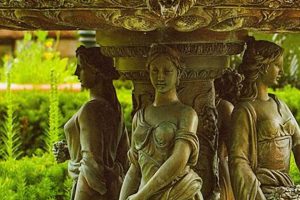
Sculptural art pieces crafted from stone and intended for outdoor placement, these objects enhance the aesthetic appeal of landscapes. For instance, a carved figure of a mythological creature placed amidst foliage exemplifies the integration of artistry within horticultural design.
These decorative features contribute significantly to the visual interest and perceived value of gardens and outdoor spaces. Historically, they have served as symbols of status, religious significance, or personal expression, enriching environments with cultural and artistic layers.
The subsequent discussion will delve into various aspects of these ornamental objects, including materials, styles, maintenance, and selection considerations.
Selection and Placement Guidance
Strategic choices in acquisition and positioning can substantially elevate the impact of stone ornamentation within outdoor environments.
Tip 1: Consider Material Durability: Evaluate the stone’s resistance to weathering. Limestone, sandstone, and granite offer varying degrees of resilience to temperature fluctuations and precipitation. Granite typically provides superior longevity.
Tip 2: Align Style with Landscape Design: Ensure stylistic congruity between the sculptural piece and the existing garden architecture. A classical statue might complement a formal garden, whereas a more abstract form could suit a contemporary landscape.
Tip 3: Account for Scale and Proportion: The size of the sculpture should be proportional to the surrounding space. An oversized piece may overwhelm a small garden, while an undersized one might be visually insignificant.
Tip 4: Plan for Proper Foundation: A stable base is crucial to prevent tilting or toppling, especially in areas prone to frost heave or strong winds. Concrete pads or buried footings provide necessary support.
Tip 5: Address Drainage Issues: Position sculptures to avoid water accumulation around the base, which can lead to staining or deterioration. Proper drainage solutions minimize potential damage.
Tip 6: Evaluate Sun and Shade Exposure: Consider how sunlight will interact with the statue throughout the day. Certain stones may darken or fade with prolonged sun exposure, while others may become more visually appealing under specific lighting conditions.
Tip 7: Implement Security Measures: Particularly for valuable or easily movable items, consider implementing security measures such as anchoring them to the ground or installing surveillance cameras to deter theft.
Careful planning regarding material, style, size, foundation, and environmental factors maximizes the aesthetic and practical benefits of incorporating stone elements into garden designs.
The following sections will provide further insights into the long-term maintenance and preservation of these garden embellishments.
1. Material Durability

Material durability is a paramount consideration in the selection and longevity of stone garden statues. The inherent properties of various stone types directly influence their resistance to environmental stressors, affecting their structural integrity and aesthetic appearance over time.
- Weathering Resistance
This facet pertains to a material’s ability to withstand the cumulative effects of temperature fluctuations, precipitation, and solar radiation. For example, granite exhibits superior resistance to freeze-thaw cycles compared to softer stones like sandstone, which may exhibit cracking or spalling in colder climates. Selecting a stone with appropriate weathering resistance is critical for preserving the statue’s form and preventing premature deterioration.
- Porosity and Water Absorption
The porosity of a stone influences its water absorption rate. Highly porous materials, such as limestone, readily absorb moisture, which can lead to internal stresses during freezing and thawing, accelerating degradation. Lower porosity materials like marble are less susceptible to this damage. Applying sealant can further reduce water absorption.
- Chemical Resistance
Certain atmospheric pollutants, such as acid rain, can chemically react with some stone types, leading to surface erosion or discoloration. Marble, composed of calcium carbonate, is particularly vulnerable to acid rain. Choosing stones with inherent chemical resistance, or applying protective coatings, can mitigate this form of damage.
- Abrasion Resistance
Abrasion resistance refers to a material’s ability to withstand surface wear from physical contact, such as windblown sand or accidental impacts. Harder stones, like basalt, are more resistant to abrasion than softer stones like soapstone. Abrasion resistance is particularly important for statues located in areas with high wind or pedestrian traffic.
The interplay of weathering resistance, porosity, chemical resistance, and abrasion resistance collectively determines the long-term viability of stone garden statues. Choosing materials appropriate for the specific climate and environmental conditions is crucial for maximizing the statue’s lifespan and preserving its artistic value.
2. Design Styles

The selection of a design style for stone garden statues significantly influences the aesthetic integration of these features within a landscape. The chosen style should complement the architectural context and reflect the intended ambiance of the garden.
- Classical
Classical designs evoke antiquity, often featuring idealized human forms, mythological figures, and geometric patterns. These statues are typically rendered in marble or limestone, conveying a sense of formality and timelessness. A Doric column fragment crafted from travertine exemplifies this style. The presence of such statuary confers a sense of historical gravitas upon the garden.
- Naturalistic
Naturalistic designs mimic organic forms and textures found in nature. Examples include depictions of animals, plants, or rock formations. Materials employed may include granite or sandstone, with rough or unpolished surfaces accentuating the natural aesthetic. A carved sandstone bear cub illustrates this style. Naturalistic statues contribute to a sense of harmony and integration with the surrounding environment.
- Abstract
Abstract designs prioritize form and composition over representational accuracy. These statues often feature geometric shapes or non-figurative forms, inviting interpretation and engaging viewers on a conceptual level. Materials utilized can range from polished marble to rough-hewn granite, depending on the desired visual effect. A polished steel sculpture incorporating stone elements exemplifies this style. Abstract statues introduce a contemporary element into the garden landscape.
- Modernist
Modernist designs emphasize clean lines, geometric forms, and industrial materials. These statues often incorporate elements of minimalism and functionalism, reflecting the architectural trends of the 20th and 21st centuries. Materials such as concrete, steel, and polished stone are commonly employed. A cast concrete cube with inset stone panels illustrates this style. Modernist statues can provide a striking contrast to traditional garden settings.
The careful consideration of design style is paramount to ensuring that stone garden statues enhance the overall aesthetic appeal and thematic coherence of the outdoor space. The selection process should account for the architectural context, desired ambiance, and personal preferences of the garden’s owner.
3. Scale Appropriateness

Scale appropriateness is a pivotal factor in the effective integration of stone garden statues into outdoor environments. The dimensions of the sculpture, relative to the surrounding space and landscape elements, critically impact the visual harmony and aesthetic impact of the installation.
- Garden Size and Statue Volume
The physical dimensions of the garden directly influence the appropriate scale of the statue. A sprawling estate can accommodate larger, more imposing sculptures without overwhelming the space. Conversely, a smaller, more intimate garden requires smaller, less voluminous statues to maintain a sense of balance and proportion. Placing an oversized statue in a compact garden can create a cluttered and visually jarring effect.
- Architectural Context and Statue Proportions
The architectural style and proportions of nearby structures should inform the selection of statue size. A grand, classical villa may be complemented by larger, more ornate statues that reflect the building’s scale and grandeur. A modest, contemporary dwelling may be better suited to smaller, more minimalist sculptures. Discrepancies between statue proportions and architectural scale can create visual dissonance.
- Focal Point Considerations and Visual Hierarchy
The intended role of the statue as a focal point within the garden influences its required size. A statue intended to serve as the primary visual anchor should be scaled to draw attention and command the viewer’s gaze. Statues intended to play a supporting role in the landscape design should be smaller and less prominent, allowing other elements to take precedence. Failure to establish a clear visual hierarchy can result in a confusing and unappealing composition.
- Viewing Distance and Detail Visibility
The typical viewing distance from which the statue will be observed affects the required level of detail and, consequently, the overall size. Statues viewed from a distance benefit from larger scale and bolder forms to ensure visibility of key features. Statues viewed at close range can incorporate finer details and more intricate designs. Selecting a statue with appropriate detail visibility ensures that its artistic qualities are fully appreciated.
In summary, scale appropriateness is essential for achieving visual harmony and maximizing the aesthetic impact of stone garden statues. By carefully considering garden size, architectural context, focal point considerations, and viewing distance, one can select statues that seamlessly integrate into the landscape and enhance the overall beauty of the outdoor environment. The relationship between scale and environment cannot be overstated when seeking to add lasting elegance with stone art.
4. Foundation Stability

Foundation stability constitutes a critical prerequisite for the structural integrity and longevity of stone garden statues. An inadequate or improperly prepared foundation can lead to a range of detrimental effects, compromising both the aesthetic appeal and physical safety of the installation.
- Load-Bearing Capacity
The underlying soil or substrate must possess sufficient load-bearing capacity to support the weight of the statue. Soil composition, moisture content, and compaction levels directly influence this capacity. Insufficient bearing capacity can result in soil subsidence, leading to tilting or collapse of the statue. Soil testing and appropriate compaction techniques are essential for ensuring adequate support. For instance, heavy granite statues necessitate reinforced concrete foundations to distribute their weight evenly.
- Frost Heave Resistance
In regions subject to freezing temperatures, the phenomenon of frost heave poses a significant threat to foundation stability. When soil moisture freezes, it expands, exerting upward pressure that can lift and displace the statue. Constructing foundations below the frost line, utilizing frost-resistant materials, and implementing proper drainage solutions are crucial mitigation strategies. A gravel base beneath the foundation can facilitate drainage and reduce the risk of frost heave.
- Erosion Control
Erosion, caused by water runoff or wind, can undermine the foundation, leading to instability and potential collapse. Implementing erosion control measures, such as retaining walls, drainage channels, and vegetative ground cover, is essential for protecting the foundation from the effects of erosion. Positioning the statue on a slight elevation or incorporating a surrounding patio can deflect water runoff away from the foundation.
- Material Compatibility
The materials used in the foundation construction must be compatible with the stone of the statue to prevent chemical reactions or physical degradation. For example, certain types of concrete may contain chemicals that can stain or corrode certain types of stone. Selecting appropriate materials, such as non-staining concrete or a barrier membrane, is crucial for preserving the statue’s aesthetic appearance and structural integrity. A layer of geotextile fabric between the soil and the foundation can prevent soil particles from migrating into the foundation materials.
The interplay of load-bearing capacity, frost heave resistance, erosion control, and material compatibility determines the long-term stability of stone garden statues. Addressing these factors through careful planning and execution is essential for ensuring that the statue remains a lasting and visually appealing feature of the landscape. Proper foundation construction is an investment in the statue’s enduring presence and value.
5. Environmental Exposure

The longevity and aesthetic integrity of stone garden statues are inextricably linked to the environmental conditions to which they are exposed. Environmental exposure encompasses a range of factors, including temperature fluctuations, precipitation patterns, solar radiation intensity, and the presence of atmospheric pollutants. These elements act synergistically to induce physical and chemical weathering processes that can degrade the stone over time. For instance, statues located in regions with high levels of acid rain may exhibit accelerated erosion due to the chemical reaction between the acidic pollutants and the stone’s surface. The selection of appropriate stone types and protective treatments must therefore account for the specific environmental context in which the statue will be placed.
Understanding the impact of environmental exposure is critical for developing effective preservation strategies. Statues located in areas with significant freeze-thaw cycles require materials with low porosity to minimize water absorption and subsequent expansion upon freezing. Surface coatings can provide a protective barrier against moisture and pollutants, reducing the rate of degradation. Regular cleaning and maintenance can remove accumulated dirt and debris, preventing the formation of biofilms that can accelerate weathering. A well-documented example involves the conservation efforts applied to marble statues in European gardens, where specialized cleaning agents and protective coatings are used to combat the effects of acid rain and air pollution. These preventative measures extend the lifespan and preserve the artistic value of the statues.
Ultimately, mitigating the effects of environmental exposure on stone garden statues necessitates a comprehensive approach that integrates informed material selection, preventative maintenance, and appropriate conservation techniques. Failure to address these factors can result in irreversible damage, diminishing the aesthetic value and cultural significance of these sculptural elements. Recognizing environmental exposure as a primary determinant of statue condition is crucial for ensuring their enduring presence in outdoor settings.
6. Security Measures

The implementation of security measures is a pertinent consideration for owners of stone garden statues, driven by the potential for theft, vandalism, or accidental damage, each of which can result in significant financial loss or cultural defacement.
- Physical Anchoring Systems
Physical anchoring systems involve directly securing the statue to a foundation or the ground using bolts, rods, or specialized adhesives. This technique inhibits unauthorized removal, particularly for smaller or more easily transportable statues. For example, a bronze rod cemented into both the statue’s base and a concrete footing can prevent lifting. The choice of anchoring method should consider the statue’s material, weight, and the surrounding environment. Proper implementation requires specialized tools and expertise to avoid damage during installation.
- Surveillance Technology Integration
The integration of surveillance technology, such as closed-circuit television (CCTV) cameras and motion sensors, provides a deterrent effect and enables real-time monitoring of the statue’s surroundings. Strategically positioned cameras can capture visual evidence of unauthorized activity, facilitating identification and apprehension of perpetrators. Motion sensors can trigger alarms or alerts upon detecting movement within a designated perimeter. The effectiveness of surveillance technology depends on factors such as camera resolution, lighting conditions, and the presence of adequate monitoring personnel or automated response systems.
- Protective Barriers and Landscaping
Protective barriers, such as fences, walls, or dense vegetation, can create a physical obstacle that deters access to the statue. Strategic landscaping can also enhance security by increasing visibility and reducing concealment opportunities. For instance, thorny bushes planted around the statue’s base can discourage unauthorized approach. The design of protective barriers should consider aesthetic compatibility with the surrounding landscape, ensuring that security measures do not detract from the overall visual appeal.
- Insurance Coverage and Documentation
Securing appropriate insurance coverage provides financial protection against loss or damage resulting from theft, vandalism, or natural disasters. Comprehensive documentation, including photographs, appraisals, and provenance records, facilitates insurance claims and aids in the recovery of stolen items. Regular updates to insurance policies and documentation are essential to reflect changes in value or environmental risks. Owners should consult with insurance professionals to determine the appropriate level of coverage and documentation requirements.
These security measures, when applied thoughtfully, serve to mitigate potential threats to stone garden statues. The selection and implementation of specific measures should be tailored to the individual circumstances, considering factors such as the statue’s value, location, and vulnerability to various forms of risk. Integrating these measures ensures the preservation of these artistic assets for future enjoyment.
Frequently Asked Questions
The subsequent section addresses common inquiries regarding selection, maintenance, and preservation.
Question 1: What stone type offers the greatest durability in climates with harsh winters?
Granite exhibits superior resistance to freeze-thaw cycles due to its low porosity and high compressive strength. Marble and sandstone are more susceptible to damage in such conditions.
Question 2: How can staining from algae or moss be safely removed from a stone surface?
A solution of diluted bleach (1 part bleach to 10 parts water) can be applied, followed by gentle scrubbing with a soft-bristled brush. Thorough rinsing is essential to prevent residue buildup.
Question 3: What constitutes an appropriate foundation for a large, heavy statue?
A reinforced concrete pad, extending below the frost line in colder climates, provides the necessary stability and load-bearing capacity for substantial stone objects.
Question 4: Is it possible to protect marble statues from acid rain?
Application of a sealant specifically formulated for marble can create a protective barrier, minimizing the corrosive effects of acidic precipitation.
Question 5: How does one determine the appropriate scale of a statue for a given garden space?
The statue’s size should be proportionate to the dimensions of the garden and the surrounding architectural elements. Overly large statues can overwhelm small spaces, while undersized pieces may be visually insignificant.
Question 6: What security measures are recommended to prevent theft or vandalism?
Anchoring the statue to a foundation, installing surveillance cameras, and implementing protective landscaping can deter unauthorized access and activity.
Selecting appropriate materials, implementing proper maintenance techniques, and addressing potential security concerns are crucial for ensuring the longevity and preservation of stone garden statues.
The subsequent discussion will explore advanced techniques for restoring damaged or deteriorated statues.
Stone Garden Statues
The preceding discourse has explored the multifaceted considerations surrounding the incorporation of “stone garden statues” into outdoor environments. Material durability, stylistic congruity, scale appropriateness, foundation stability, environmental exposure mitigation, and security measures have been identified as critical factors influencing the longevity and aesthetic impact of these sculptural elements. Diligence in addressing these facets ensures the enduring presence and visual appeal of these objects.
The informed selection, meticulous maintenance, and judicious protection of stone garden statues represent an investment in the cultural and aesthetic enrichment of outdoor spaces. Recognizing the interplay of environmental factors, material properties, and security concerns is paramount for safeguarding these artistic assets for future generations. Prudent stewardship preserves their intrinsic value and enhances their contribution to the visual landscape.