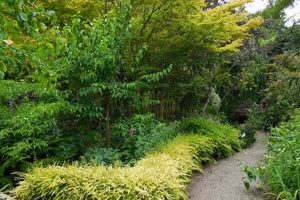
A historical Persian garden located near Mahan, in Kerman province, exemplifies a striking oasis amidst an arid landscape. Its terraced structure and ingenious water management system, utilizing gravity to create a series of cascading pools and fountains, demonstrate a sophisticated understanding of engineering and aesthetics. This location serves as a prominent example of Persian garden design principles.
This site holds significant cultural and historical value, reflecting the artistic vision and engineering prowess of the Qajar era. Its design offers respite from the harsh surrounding environment, promoting relaxation and contemplation. The integration of water, architecture, and vegetation creates a harmonious environment, illustrating the importance of gardens in Persian culture and their function as symbols of paradise. Its inclusion as a UNESCO World Heritage Site underscores its global significance.
Further examination reveals details regarding its architectural features, the specific plant species cultivated, and the intricate system that supplies water. Subsequent sections will delve into these specific aspects, providing a more detailed understanding of its design and functionality, its enduring legacy and its contribution to the broader context of Persian garden design.
Preservation and Appreciation Strategies
Effective strategies are required to ensure the long-term preservation and promote increased appreciation of sites exhibiting similar design and cultural significance. These strategies involve proactive maintenance, informed management, and responsible tourism practices.
Tip 1: Implement Rigorous Maintenance Schedules: Regular maintenance is vital to prevent deterioration. This encompasses the cleaning of water channels, repair of structural elements, and careful pruning of vegetation to maintain intended design aesthetics. Neglecting regular upkeep can lead to irreversible damage.
Tip 2: Employ Water Conservation Techniques: In arid climates, conserving water is paramount. Utilizing modern irrigation technologies, rainwater harvesting, and careful selection of drought-resistant plant species will ensure the long-term sustainability of such a feature. Wasteful water usage can jeopardize the garden’s future.
Tip 3: Regulate Tourist Access: Uncontrolled tourism can lead to environmental damage and degradation of historical structures. Implementing visitor quotas, designated pathways, and educational programs can minimize the impact of tourism while maximizing visitor enjoyment and understanding.
Tip 4: Foster Local Community Involvement: Engaging local communities in the preservation process is crucial. This may involve providing employment opportunities related to maintenance and tourism, as well as educating local residents about the cultural and historical significance of the garden to encourage stewardship.
Tip 5: Conduct Regular Structural Assessments: Regularly assessing the structural integrity of buildings, walls, and water features allows for early detection of potential problems. Prompt repairs can prevent minor issues from escalating into major structural failures, preserving architectural authenticity.
Tip 6: Document and Archive All Maintenance and Restoration Work: Meticulous documentation of all maintenance, repairs, and restoration work provides a valuable historical record. This information will guide future preservation efforts and ensure consistency with original design principles.
These focused strategies collectively contribute to a more enduring preservation strategy and heightened public regard for landscapes of significant cultural importance. Successful implementation necessitates consistent commitment and collaborative efforts among various stakeholders.
The following sections of this resource will further address specific challenges related to the management and protection of culturally significant landscapes. By implementing these techniques, ensure the preservation of a legacy for generations to come.
1. Terraced Landscape

The terraced landscape forms the fundamental structural framework of the garden. This is not merely a decorative choice but a deliberate engineering solution that enables the effective management of water within the arid climate. The cascading levels facilitate the efficient distribution of water from a spring located at the upper end, allowing gravity to power the entire irrigation system. Each terrace acts as a reservoir, ensuring adequate hydration for the vegetation planted at each level. The layout optimizes the limited water resources, exemplifying Persian ingenuity in adapting to environmental constraints.
The importance of the terraced design extends beyond water management. It contributes significantly to the garden’s aesthetic appeal, creating a visually dynamic space where the movement of water is a central feature. The vertical stratification allows for a diverse range of plant species to be cultivated, enhancing the biodiversity within the confines of the garden. The tiered structure also provides shaded areas and varied microclimates, fostering an environment that is conducive to human relaxation and contemplation. Without the terraced landscape, the sustained viability of the garden would be unattainable.
In summary, the terraced landscape is an intrinsic component of the garden. It is a functional necessity that supports its ecosystem and a deliberate design choice that defines its aesthetic character. Understanding this connection is crucial for appreciating the site’s historical significance and for implementing effective preservation strategies. The challenge lies in maintaining the integrity of the terraced structure and the water management system while addressing environmental pressures and tourism impacts. Future conservation efforts must prioritize the preservation of this intricate system to ensure its longevity.
2. Water Cascade System

The water cascade system is integral to the design and functionality. It is not merely an aesthetic feature but a sophisticated engineering solution that sustains life within the garden. Its intricate design reflects a deep understanding of hydraulics and water management principles, crucial for maintaining a vibrant environment in an arid landscape.
- Source and Distribution
The water originates from a spring higher in the mountains and is channeled through a series of aqueducts and conduits to the uppermost terrace. From there, it cascades down through a network of channels, pools, and fountains. This gravity-fed system eliminates the need for mechanical pumps, showcasing an energy-efficient and sustainable approach to irrigation.
- Terraced Flow and Oxygenation
The terraced design of the garden is intrinsically linked to the water cascade system. Each terrace acts as a level in the cascade, with water flowing from one terrac
e to the next. As the water flows, it is aerated, increasing the oxygen levels and promoting the health of the plants and aquatic life within the garden. The design ensures every level receives adequate water, fostering diverse ecosystems. - Hydraulic Engineering and Design
The system’s effectiveness relies on precise hydraulic engineering. The slopes of the channels, the size of the pools, and the placement of fountains are all carefully calculated to optimize water flow and minimize evaporation. This attention to detail demonstrates a mastery of water management techniques and ensures the efficient use of scarce water resources in an arid environment.
- Aesthetic and Functional Harmony
Beyond its functional purpose, the water cascade system contributes significantly to the garden’s aesthetic appeal. The sound of flowing water, the visual spectacle of cascading streams, and the reflections in the pools create a serene and inviting atmosphere. The interplay of water, architecture, and vegetation epitomizes the Persian garden design principle of integrating nature and human creation.
The water cascade system, in essence, is the lifeblood. It sustains the flora and fauna, shapes the landscape, and defines the overall character. Recognizing its importance is crucial for understanding the gardens significance and for implementing preservation strategies that ensure its continued existence for future generations. Other Persian gardens also feature water elements, but the scale and sophistication of the cascade system, coupled with its effective adaptation to the arid climate, set it apart.
3. Qajar Era Design

The design exhibits distinctive characteristics reflecting the aesthetic preferences and engineering capabilities of the Qajar period (1789-1925) in Persia. The terraced layout, elaborate water features, and architectural elements are not arbitrary but rather deliberate expressions of Qajar ideals. These reflect the era’s emphasis on order, symmetry, and the integration of natural elements with human-made structures. The garden’s construction, initiated in the late 19th century, places it squarely within the influence of Qajar artistic and engineering paradigms. Its overall structure and individual components embody the Qajar dynasty’s architectural and horticultural standards.
The importance of the Qajar era lies in its patronage of the arts and sciences, which directly influenced the garden’s design. Skilled artisans and engineers were commissioned to create this impressive landscape. The Qajar rulers’ interest in European trends, such as formal gardens, led to the incorporation of elements reminiscent of European garden design, blended with traditional Persian concepts. The precise channeling of water, the geometric arrangement of the planting beds, and the strategic placement of pavilions and structures all exhibit a fusion of indigenous and foreign influences, characteristic of the Qajar period. These all stand as practical and visual testaments.
Understanding the connection between Qajar era design and the garden is essential for effective preservation and interpretation. Recognizing the historical context informs maintenance decisions, ensuring that restoration efforts remain faithful to the original design principles. Additionally, it helps visitors appreciate the garden’s cultural significance as an expression of Qajar art and engineering. Preservation efforts must prioritize maintaining the authenticity of its Qajar-era features, recognizing their critical role in the garden’s overall identity.
4. Arid Climate Oasis

The term “Arid Climate Oasis” encapsulates the essence of a striking paradox: a flourishing, life-sustaining environment existing within a harsh, water-scarce region. The degree to which the site achieves this contrast underscores its historical significance and the ingenuity of its design.
- Water Management Mastery
The effective channeling and conservation of water resources are paramount in any arid environment. The garden exemplifies this principle through its sophisticated system of gravity-fed canals and terraced levels, optimizing water distribution and minimizing loss through evaporation. This engineered irrigation is a testament to the designers’ understanding of hydraulic principles and their ability to adapt to environmental limitations.
- Microclimate Creation
An oasis is characterized by a distinct microclimate that differs significantly from the surrounding environment. The dense vegetation and abundant water features within the garden create a cooler, more humid atmosphere, offering respite from the extreme temperatures and aridity typical of the region. This artificial microclimate fosters the growth of plant species that would otherwise be unsustainable in the area.
- Biodiversity Hotspot
Oases often serve as critical habitats for a diverse range of plant and animal species. The garden provides a refuge for flora and fauna that are adapted to arid conditions, creating a biodiversity hotspot within the otherwise barren landscape. This ecological function highlights the importance of preserving such environments, as they contribute significantly to regional biodiversity.
- Cultural and Social Significance
Beyond their ecological and practical value, oases often hold deep cultural and social significance for the communities that depend on them. These spaces frequently serve as gathering places, centers of trade, and symbols of resilience and prosperity. The garden, as a historical site, embodies this cultural significance, reflecting the values and traditions of the Persian civilization.
The existence and continued viability of the garden as an “Arid Climate Oasis” underscores the intersection of engineering, environmental adaptation, and cultural expression. Its design not only addresses the practical challenges of water scarcity but also transforms the landscape into a symbol of abundance and beauty. Preservation of this and similar sites is essential to safeguard both their ecological and cultural value.
5. Cultural Heritage Site

The designation of a location as a “Cultural Heritage Site” signifies its outstanding universal value, warranting protection for present and future generations. In the context, this status underscores its historical, artistic, and environmental significance, necessitating diligent preservation efforts.
- Recognition of Universal Value
The UNESCO designation acknowledges the garden’s importance not only to Iran but to the global community. This recognition is based on criteria such as its representation of a masterpiece of human creative genius, its demonstration of an important interchange of human values, and its association with ideas or beliefs of outstanding universal significance. The designation necessitates the implementation of management plans to safeguard its integrity.
- Legal Protection Frameworks
As a designated site, it is subject to national and international legal frameworks designed to prevent damage
, destruction, and unsustainable development. These frameworks provide guidelines for conservation, restoration, and management practices, ensuring that any interventions are conducted in a manner that preserves its authenticity and historical value. The legal protections extend to the surrounding buffer zone, safeguarding its visual integrity. - Promotion of Cultural Tourism
The status of a Cultural Heritage Site often attracts increased tourism, offering economic opportunities for local communities. However, this increased visitation requires careful management to prevent negative impacts on the site’s environment and cultural fabric. Sustainable tourism practices, such as visitor quotas and interpretive programs, are essential to balance economic benefits with preservation goals.
- Research and Education Initiatives
Designation as a Cultural Heritage Site fosters research and education initiatives, promoting a deeper understanding of its history, design, and cultural significance. Archaeological studies, historical analyses, and educational programs contribute to a more comprehensive appreciation of its value. These initiatives also play a critical role in raising awareness among local communities and visitors about the importance of preservation.
The multifaceted implications of its status highlight the imperative for ongoing monitoring, adaptive management, and international collaboration to ensure its long-term preservation. Effective stewardship requires a commitment to maintaining its authenticity, promoting sustainable tourism, and fostering a deeper understanding of its universal value among all stakeholders.
Frequently Asked Questions about Shazdeh Garden
This section addresses common inquiries regarding the historical site, aiming to provide clear and concise answers based on factual information and established knowledge.
Question 1: What is the historical significance of Shazdeh Garden?
It exemplifies Persian garden design during the Qajar era, showcasing the integration of architectural and natural elements within an arid environment. Its intricate water management system further demonstrates engineering ingenuity during this period. It also holds recognition as a UNESCO World Heritage Site.
Question 2: Where is Shazdeh Garden located?
The site is located near Mahan, in the Kerman province of Iran. Its positioning strategically utilizes a natural spring for water supply.
Question 3: What are the key design features of Shazdeh Garden?
Key features include its terraced landscape, a cascading water system, and symmetrical layout, representative of Persian garden aesthetics. Its design also features architectural elements reflecting Qajar period construction techniques.
Question 4: How does Shazdeh Garden manage water in an arid climate?
The garden utilizes a gravity-fed system originating from a natural spring. The terraced layout facilitates the distribution of water throughout, minimizing waste and maximizing its effectiveness for irrigation.
Question 5: What preservation efforts are in place for Shazdeh Garden?
Preservation efforts involve ongoing maintenance of the water system, structural repairs, and regulation of tourist access to minimize environmental impact. UNESCO guidelines also inform conservation strategies.
Question 6: Can visitors access Shazdeh Garden?
Yes, the site is generally open to visitors. However, it is advisable to check for current operating hours and any restrictions prior to planning a visit. Responsible tourism is encouraged to preserve the site’s integrity.
These responses offer a foundation for understanding its importance. The site’s ongoing management and preservation remain crucial for its continued historical and cultural significance.
The subsequent section will explore the importance of sustainability in heritage sites.
Conclusion
This exploration of Shazdeh Garden has illuminated its multifaceted significance as a testament to Persian ingenuity, artistic vision, and adaptation to environmental challenges. The investigation into its terraced landscape, sophisticated water cascade system, Qajar era design principles, its function as an arid climate oasis, and its designation as a Cultural Heritage Site has revealed the interconnectedness of its components. Each facet contributes to its overall value and necessitates a comprehensive approach to its preservation.
The sustained viability of Shazdeh Garden hinges on continued vigilance, responsible management, and an unwavering commitment to upholding its historical integrity. Its enduring legacy serves as a reminder of the profound impact of human creativity on the natural world and the importance of safeguarding such cultural treasures for the benefit of future generations. The collective responsibility to ensure its survival rests with local communities, national authorities, and the international community. The future demands immediate and sustained action to avoid irreversible loss and to preserve a historical landmark.