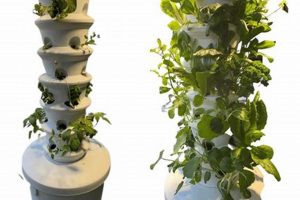
A tranquil outdoor space designed to promote peace and relaxation is characterized by harmonious elements. These spaces frequently incorporate features such as soothing water sounds, lush greenery, and comfortable seating, creating an environment conducive to contemplation and stress reduction. For example, a carefully planned arrangement of flowering plants, combined with the gentle trickle of a fountain, can transform an ordinary backyard into a personal sanctuary.
Such thoughtfully designed areas offer numerous benefits, including improved mental well-being and enhanced physical health. Studies suggest that exposure to nature can lower blood pressure, reduce anxiety, and improve mood. Throughout history, many cultures have recognized the restorative power of nature, integrating principles of landscape design to create contemplative retreats within homes and communities. These retreats provide a refuge from the pressures of daily life, fostering a sense of connection to the natural world.
The subsequent sections will delve deeper into specific design considerations, plant selection strategies, and maintenance techniques that contribute to the creation of these beneficial environments. Further exploration will also include examples of varying design styles and their applications in different settings, ultimately demonstrating how to achieve a personalized outdoor haven.
Cultivating Tranquility
Creating a genuinely peaceful outdoor environment requires careful planning and diligent execution. The following guidelines offer practical advice for establishing a space conducive to relaxation and mental well-being.
Tip 1: Establish a Focal Point: Define the space with a central element, such as a sculpture or a water feature. This anchors the design and provides a visual point of rest. A strategically placed birdbath can also serve this purpose, attracting wildlife and adding a dynamic element.
Tip 2: Incorporate Sound Dampening Features: Utilize natural materials, such as hedges or earthen berms, to minimize unwanted noise. Dense plantings can effectively absorb sound waves, creating a more secluded atmosphere. Consider a thick layer of mulch to muffle foot traffic.
Tip 3: Select Calming Color Palettes: Opt for hues known to promote relaxation, such as blues, greens, and muted purples. Avoid overly bright or stimulating colors. For example, lavender and sage offer soothing tones that harmonize with natural surroundings.
Tip 4: Prioritize Natural Materials: Employ wood, stone, and other organic elements to create a sense of connection with the natural world. These materials age gracefully and blend seamlessly with the surrounding landscape. Gravel pathways, for instance, offer a natural alternative to concrete.
Tip 5: Ensure Adequate Shading: Provide respite from direct sunlight with trees, pergolas, or strategically placed umbrellas. Shaded areas offer a cool and comfortable retreat during warmer months. A canopy of mature trees can transform a sunny area into a peaceful haven.
Tip 6: Emphasize Fragrance: Incorporate fragrant plants, such as jasmine or lavender, to engage the sense of smell and enhance the overall sensory experience. The subtle aromas can promote relaxation and reduce stress. Be mindful of potential allergens when selecting fragrant species.
Tip 7: Maintain Consistent Upkeep: Regular maintenance is crucial for preserving the desired aesthetic. Pruning, weeding, and tidying will ensure the space remains inviting and free from distractions. Consistent upkeep prevents the accumulation of clutter and promotes a sense of order.
Implementing these suggestions promotes well-being through the creation of a personal retreat. The combination of thoughtful design and diligent maintenance fosters an area that invites relaxation and rejuvenation.
The following section will explore specific plant varieties and their suitability for cultivating a peaceful setting, providing detailed information on growth habits and care requirements.
1. Tranquility Enhancement
Tranquility enhancement within a carefully designed outdoor space is paramount to achieving a truly restful and restorative environment. The pursuit of tranquility necessitates a holistic approach, considering various elements that either contribute to or detract from a peaceful ambiance. The following details outline key facets of tranquility enhancement within the context of creating an environment of peace.
- Acoustic Design
Sound profoundly impacts the perception of tranquility. Careful acoustic design involves minimizing intrusive noises and incorporating soothing auditory elements. The strategic placement of dense vegetation acts as a natural sound barrier, reducing ambient noise from roads or neighboring properties. Water features, such as fountains or small streams, generate gentle sounds that mask unwanted noise and create a calming atmosphere. The rustling of leaves in a gentle breeze can also contribute to the acoustic richness of a space and reduce the prevalence of disruptive sounds.
- Visual Harmony
Visual elements play a crucial role in fostering a sense of peace. Overly stimulating or cluttered visual landscapes can detract from tranquility. Harmony can be achieved through the use of a consistent color palette, the repetition of design elements, and the careful arrangement of plants and hardscape features. Avoiding jarring contrasts and maintaining a sense of visual order contributes to a more relaxed and contemplative atmosphere. The integration of natural forms and textures further enhances visual harmony.
- Spatial Organization
The layout and organization of a space directly affect the sense of tranquility. Cramped or convoluted spaces can induce feelings of unease, while open and well-defined areas promote relaxation. The strategic placement of pathways and seating areas allows for easy navigation and encourages mindful exploration. Creating distinct zones for different activitiessuch as quiet contemplation, social gathering, or gardeningensures that each area supports its intended purpose without disrupting the overall tranquility of the space.
- Sensory Integration
Beyond sight and sound, other senses contribute to the overall sense of tranquility. Incorporating fragrant plants, such as lavender or jasmine, engages the sense of smell and promotes relaxation. Textural elements, such as smooth stones or soft grasses, invite tactile exploration and create a multi-sensory experience. Considering the interplay of all senses ensures a holistic approach to tranquility enhancement, creating an environment that is both visually appealing and deeply restorative. The gentle movement of air and the variation in temperature can enhance the sense of tranquility.
In summary, tranquility enhancement is not merely an aesthetic consideration but a fundamental design principle that seeks to optimize the physical and psychological well-being of the space’s occupants. By carefully considering the acoustic, visual, spatial, and sensory aspects of th
e environment, it is possible to cultivate a truly tranquil space that promotes relaxation, reflection, and a sense of inner peace.
2. Sensory Harmony

The concept of sensory harmony is integral to the creation of an authentic tranquil outdoor space. A garden achieves this state when its various elements coalesce to provide a balanced and soothing experience for all the senses. This holistic approach goes beyond mere visual appeal and encompasses auditory, olfactory, and tactile considerations.
- Auditory Equilibrium
Sound, or its absence, significantly impacts the perception of an outdoor space. Noise pollution, such as traffic or construction sounds, directly detracts from tranquility. Conversely, carefully selected auditory elements contribute to a sense of calm. Examples include the gentle trickling of a fountain, the rustling of leaves in the wind, or the chirping of birds. These sounds are inherently relaxing and mask less desirable environmental noises. Strategically positioned water features or wind chimes can enhance the auditory experience, promoting a sense of peace and well-being.
- Olfactory Integration
The integration of pleasant fragrances is crucial for establishing a sensory haven. Aromatic plants, such as lavender, jasmine, or roses, release calming scents that positively influence mood and reduce stress. The strategic placement of these plants near seating areas or pathways maximizes their impact. However, careful consideration should be given to potential allergies or overwhelming scents. A balanced olfactory landscape avoids overpowering fragrances and ensures a harmonious blend of natural aromas.
- Tactile Diversity
The tactile experience of a garden extends beyond the visual. Diverse textures engage the sense of touch and enhance the overall sensory experience. Smooth stones, rough bark, soft grasses, and cool water offer a range of tactile sensations. Varying pathway materials, such as gravel, wood chips, or stepping stones, add to the tactile diversity. The incorporation of comfortable seating with textured cushions further invites physical interaction and promotes relaxation. Considering the tactile properties of plants and materials ensures a richer and more engaging environment.
- Visual Cohesion
While not the sole determinant of sensory harmony, visual cohesion remains essential. A carefully curated color palette, balanced plant arrangements, and aesthetically pleasing hardscape elements contribute to a sense of visual unity. Avoiding visual clutter and maintaining a sense of order are crucial for promoting a calming atmosphere. The strategic use of focal points, such as sculptures or water features, can guide the eye and create visual interest without disrupting the overall harmony. Visual cohesion supports the integration of other sensory elements, creating a unified and pleasing experience.
In summary, sensory harmony within an outdoor space is achieved through the deliberate and balanced integration of auditory, olfactory, tactile, and visual elements. This holistic approach creates an environment that appeals to all the senses, fostering a sense of peace, relaxation, and well-being. By carefully considering each sensory input, it is possible to create a tranquil oasis that promotes physical and mental restoration.
3. Spatial Balance

Spatial balance, a fundamental principle in landscape architecture, is critical to the realization of a truly tranquil outdoor space. Its influence extends beyond mere aesthetics, directly impacting the user’s psychological and physical experience. An environment lacking in spatial harmony often results in feelings of unease or confinement, negating the intended sense of serenity. The arrangement of elements, including plantings, hardscape features, and open areas, must achieve equilibrium to promote relaxation and contemplation.
The impact of spatial balance is evident in various garden designs. Japanese gardens, for instance, exemplify this principle through the deliberate placement of rocks, water features, and carefully pruned vegetation. These elements are not haphazardly arranged but are meticulously positioned to create a sense of flow and visual equilibrium. Similarly, in classical European gardens, symmetrical layouts and precisely manicured hedges contribute to a sense of order and control, fostering a feeling of calm. Conversely, poorly planned spaces, characterized by overcrowding or a lack of defined areas, can induce stress and detract from the overall sense of peace.
Understanding the significance of spatial balance is of practical importance to both landscape designers and homeowners seeking to cultivate outdoor sanctuaries. This understanding informs decisions regarding the size and placement of various features, the selection of appropriate plant varieties, and the creation of pathways that encourage exploration without overwhelming the senses. The goal is to establish a space where the visual weight of different elements is distributed evenly, creating a sense of harmony and promoting a feeling of well-being. Addressing spatial imbalance requires careful consideration of proportion, scale, and the interplay between positive and negative space.
4. Sustainable Design
Sustainable design principles are intrinsically linked to the creation and maintenance of a tranquil outdoor space. The integration of environmentally conscious practices directly influences the long-term viability and serenity of such environments. A garden constructed and maintained with sustainability in mind inherently promotes a sense of harmony and well-being, aligning with the core tenets of a peaceful retreat. The avoidance of harmful chemicals, the conservation of water resources, and the promotion of biodiversity contribute to a healthier ecosystem, thereby enhancing the overall tranquility. The reverse is also true: unsustainable practices, such as excessive water usage or the application of synthetic pesticides, can disrupt the delicate balance of the ecosystem, leading to environmental degradation and diminished serenity. The careful consideration of resource management is, therefore, not merely an ethical choice but a practical necessity for cultivating a lasting and peaceful environment.
A tangible example of this connection is the utilization of rainwater harvesting systems in garden design. By collecting and storing rainwater for irrigation purposes, reliance on municipal water sources is reduced, conserving a valuable resource and minimizing environmental impact. Furthermore, the selection of native plant species, adapted to the local climate and soil conditions, minimizes the need for fertilizers and pesticides, fostering a more self-sustaining ecosystem. Composting organic waste materials provides a natural source of nutrients for plants, reducing the demand for commercially produced fertilizers and closing the loop on waste management. These practical applications of sustainable design principles demonstrate their positive impact on both the environment and the tranquility of outdoor spaces. Permaculture design can maximize the integration of sustainable practices for food production and ecosystem servi
ces such as water filtration and wildlife habitat. A community garden that shares resources and minimizes individual consumption of water and fertilizer could be an example.
In conclusion, sustainable design is not merely an ancillary consideration but an essential component of cultivating truly peaceful and enduring outdoor spaces. The adoption of environmentally responsible practices, ranging from water conservation to the selection of native plants, directly contributes to the health and well-being of the ecosystem, thereby enhancing the overall tranquility of the environment. While challenges may arise in the implementation of sustainable practices, the long-term benefits, both environmental and aesthetic, far outweigh the initial investment. This understanding reinforces the importance of integrating sustainable design principles into all aspects of garden planning and maintenance, ensuring the creation of outdoor spaces that are both beautiful and ecologically sound.
5. Mindful Maintenance

The longevity and continued tranquility of a serene garden are inextricably linked to the practice of mindful maintenance. This approach transcends routine upkeep, emphasizing a deliberate and attentive interaction with the garden’s ecosystem. It involves understanding the subtle nuances of the environment and responding proactively to ensure its continued health and serenity.
- Proactive Ecosystem Management
Mindful maintenance necessitates a proactive approach to ecosystem management rather than reactive measures. This involves consistent monitoring of soil health, plant vitality, and the presence of pests or diseases. For instance, regular soil testing can inform appropriate fertilization strategies, preventing nutrient deficiencies or imbalances. Early detection of pest infestations allows for targeted interventions using organic methods, minimizing the disruption to beneficial insects and the broader ecosystem. Preventative measures, such as proper plant spacing and pruning techniques, can also reduce the likelihood of disease outbreaks, contributing to the overall health and stability of the garden.
- Intentional Observation and Response
A key component of mindful maintenance is intentional observation, requiring a deliberate and attentive examination of the garden’s various elements. This involves regularly inspecting plants for signs of stress, monitoring water levels, and assessing the overall health of the ecosystem. The responses to these observations must be equally intentional, informed by a deep understanding of the garden’s specific needs and ecological dynamics. For example, observing wilting leaves may indicate a need for increased irrigation, while the presence of aphids may necessitate the introduction of beneficial insects or the application of organic insecticidal soap. Intentional observation and response ensure that maintenance activities are targeted and effective, minimizing unnecessary interventions and promoting a sustainable approach to garden care.
- Adaptive Adjustment to Environmental Factors
Serene gardens are dynamic environments that are constantly influenced by external factors, such as weather patterns, seasonal changes, and the activities of local wildlife. Mindful maintenance requires an adaptive approach, adjusting practices to accommodate these fluctuations. For instance, during periods of drought, water conservation strategies may need to be implemented, such as mulching, drip irrigation, or the selection of drought-tolerant plant species. In areas prone to frost, protective measures may be necessary, such as covering sensitive plants or providing supplemental heating. By adapting to environmental factors, mindful maintenance ensures the continued health and resilience of the garden, even in the face of challenging conditions.
- Continuous Learning and Refinement
Mindful maintenance is not a static practice but rather an ongoing process of learning and refinement. This involves staying informed about best practices in sustainable gardening, observing the long-term effects of maintenance activities, and adapting strategies accordingly. For example, a gardener may experiment with different types of compost or organic fertilizers to determine which ones best support plant growth. They may also track the populations of beneficial insects and adjust their pest control strategies to promote biodiversity. Continuous learning and refinement ensure that maintenance practices are continually optimized, contributing to the long-term health and serenity of the garden.
The careful implementation of these facets of mindful maintenance directly contributes to the preservation of the tranquil qualities of serene gardens. It moves beyond the superficial to foster a deeper connection with nature, creating an environment that is not only visually appealing but also ecologically sound and psychologically restorative. The commitment to mindful maintenance ensures the long-term health and serenity of the garden, providing a lasting sanctuary for both its inhabitants and its visitors.
Frequently Asked Questions About Serene Gardens
The following questions address common inquiries regarding the establishment, maintenance, and benefits of a tranquil outdoor space. Understanding these aspects is crucial for creating and sustaining a truly restorative environment.
Question 1: What defines a serene garden, and how does it differ from a typical garden?
A serene garden emphasizes tranquility and relaxation, incorporating elements designed to soothe the senses and promote mental well-being. Unlike typical gardens, which may focus solely on aesthetics or functionality, a tranquil space prioritizes creating a peaceful and contemplative atmosphere. This often involves minimizing distractions, incorporating calming sounds, and utilizing colors and textures that evoke feelings of serenity.
Question 2: What are the key elements to consider when designing a serene garden?
Key design considerations include sound management, visual harmony, spatial balance, and sensory integration. Sound management involves minimizing intrusive noises and incorporating soothing auditory elements such as water features. Visual harmony emphasizes a consistent color palette and the repetition of design elements to create a sense of order. Spatial balance ensures a proportionate and well-defined arrangement of plants and hardscape features. Sensory integration focuses on engaging all senses through fragrant plants, diverse textures, and calming visual elements.
Question 3: How can noise pollution be effectively mitigated in a serene garden?
Noise pollution can be mitigated through various strategies, including the construction of sound barriers using dense vegetation or earthen berms. The strategic placement of water features can mask unwanted noise with the soothing sounds of flowing water. Careful site selection, avoiding areas adjacent to busy roads or industrial zones, can also minimize exposure to noise pollution. The use of sound-absorbing materials, such as mulch or gravel, can further reduce ambient noise levels.
Question 4: What are some plant species best suited for creating a tranquil atmosphere?
Plant species known for their calming properties include lavender, jasmine, bamboo, and ferns. Lavender and jasmine release soothing fragrances that promote relaxation. Bamboo creates a gentle rustling sound in the breeze, masking unwanted noise. Ferns offer a lush and calming visual texture, creating a sen
se of tranquility. Other suitable species include those with soft, muted colors and gentle forms, avoiding overly stimulating or visually jarring plants.
Question 5: How does sustainable design contribute to the creation of a serene garden?
Sustainable design practices enhance the tranquility of a space by promoting ecological balance and minimizing environmental impact. This includes using native plant species, conserving water resources, and avoiding the use of harmful chemicals. A garden that is sustainably designed and maintained inherently promotes a sense of harmony and well-being, aligning with the core tenets of a peaceful retreat. The absence of harsh chemicals and the presence of a thriving ecosystem contribute to a healthier and more serene environment.
Question 6: What maintenance practices are essential for preserving the tranquility of a serene garden?
Essential maintenance practices include regular pruning, weeding, and watering. These tasks should be performed mindfully, with an awareness of the garden’s overall ecosystem. Avoiding the use of harsh chemicals and prioritizing organic methods are crucial for preserving ecological balance. Regular monitoring for pests and diseases allows for early intervention and prevents significant disruptions to the garden’s tranquility. Consistent and attentive maintenance ensures the continued health and serenity of the outdoor space.
In conclusion, establishing and maintaining a tranquil outdoor space requires careful planning, thoughtful design, and consistent maintenance. By addressing these fundamental questions, one can cultivate a serene garden that promotes relaxation, well-being, and a connection to the natural world.
The following section will provide practical guidance on selecting the ideal location for a serene garden, considering factors such as sunlight, soil conditions, and accessibility.
Serene Garden
This exposition has illuminated the multifaceted nature of the serene garden, extending beyond a mere collection of plants to encompass a deliberate orchestration of sensory elements. The importance of spatial balance, sustainable practices, and mindful maintenance has been underscored as integral components in the creation of a restorative outdoor environment. Successful implementation necessitates a deep understanding of horticultural principles and a commitment to fostering a harmonious ecosystem.
The pursuit of a serene garden is not a passive endeavor but an active participation in the creation of a personal sanctuary. As societal pressures intensify and urban landscapes expand, the value of such retreats will only increase. It is incumbent upon individuals and communities to recognize the profound impact of these spaces on mental and physical well-being and to prioritize their creation and preservation. Further research into the therapeutic benefits of horticultural design holds the potential to inform broader strategies for promoting public health and environmental stewardship.