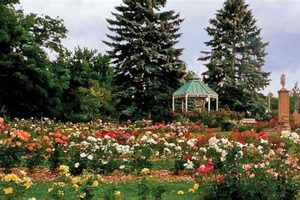
Areas where roses thrive amidst a diverse array of wildflowers and grasses create a unique landscape. These spaces blend the formal elegance of cultivated roses with the untamed beauty of natural meadows. Such areas are not merely collections of plants; they represent a deliberate design choice that seeks to harmonize contrasting aesthetics.
The creation of these botanical combinations can promote biodiversity by attracting pollinators and beneficial insects. Historically, garden designs have often separated cultivated plants from wilder areas. Combining them offers a way to create a more sustainable and visually appealing garden environment, reducing the need for extensive maintenance and providing a habitat for local wildlife. The juxtaposition of the structured rose bushes with the free-flowing meadow contributes to a dynamic and ever-changing display throughout the seasons.
The subsequent sections will delve into the specific considerations for establishing and maintaining such a space, including plant selection, soil preparation, and ongoing care. The goal is to provide practical guidance for those interested in cultivating this specific type of environment.
Cultivating a Thriving Rose and Meadow Garden
The following provides focused guidance for establishing and maintaining a harmonious area where roses and meadow plants coexist.
Tip 1: Soil Preparation is Paramount: Roses require well-drained soil rich in organic matter. Conduct a soil test and amend accordingly, ensuring a pH level suitable for roses (typically 6.0 to 6.5). Incorporate compost or aged manure to improve soil structure and fertility.
Tip 2: Rose Selection for Compatibility: Choose rose varieties known for disease resistance and suitability for the intended climate. Consider the mature size of the rose bushes and select varieties that will not overwhelm the meadow plants. Shrub roses and landscape roses often integrate well.
Tip 3: Meadow Plant Selection for Harmony: Opt for native or naturalized meadow species that complement the roses in color, texture, and bloom time. Avoid aggressive spreaders that could outcompete the roses. Consider factors such as sunlight exposure and soil moisture when selecting meadow plants.
Tip 4: Strategic Planting and Spacing: Plant roses in groups or clusters, allowing ample space between them for air circulation and access for maintenance. Sow meadow seeds or plant meadow plugs around the roses, ensuring sufficient space for both to thrive.
Tip 5: Water Management for Success: Roses require consistent watering, especially during dry periods. Implement a watering system that delivers water directly to the rose roots, minimizing water waste and reducing the risk of fungal diseases. Meadow plants generally require less frequent watering once established.
Tip 6: Weed Control is Essential: Regularly remove weeds from the rose beds and meadow areas to prevent competition for resources. Employ mulching around the roses to suppress weed growth and conserve soil moisture. Manual weeding is often the most effective method, particularly in the early stages of establishment.
Tip 7: Pruning for Rose Health and Vigor: Prune roses annually to remove dead, diseased, or crossing branches, promoting air circulation and encouraging new growth. Follow pruning guidelines specific to the rose variety. Proper pruning will improve flowering and overall plant health.
These guidelines emphasize the importance of careful planning and consistent maintenance. A successful integration of roses and meadow plants requires a commitment to creating a balanced and sustainable horticultural system.
The article will proceed to discuss common challenges encountered and approaches to resolve this.
1. Plant Selection

Plant selection is paramount in establishing a successful integration of roses and meadow plants. The compatibility of chosen species dictates the long-term health, aesthetic harmony, and ecological balance of the garden. Careful consideration must be given to the individual requirements and growth habits of both the roses and the meadow plants to ensure a thriving and sustainable environment.
- Rose Variety Compatibility
The selection of rose varieties should prioritize those known for disease resistance and adaptability to the local climate. Shrub roses, landscape roses, and certain hybrid tea roses bred for robustness are often suitable choices. The size and growth habit of the roses should be carefully considered to prevent them from overshadowing or outcompeting the meadow plants. For example, low-growing shrub roses paired with taller meadow grasses can create a visually appealing and ecologically balanced composition.
- Meadow Plant Complementarity
The selection of meadow plants should focus on species that complement the roses in terms of color, texture, and bloom time. Native or naturalized meadow species are generally preferred, as they are well-adapted to the local environment and support native pollinators. Avoid aggressive spreaders that could overwhelm the roses. For instance, pairing roses with wildflowers like Black-Eyed Susans, coneflowers, and native grasses can create a vibrant and dynamic display throughout the growing season.
- Consideration of Sunlight and Soil Conditions
Both roses and meadow plants have specific sunlight and soil requirements that must be taken into account. Roses generally require at least six hours of direct sunlight per day, while meadow plants may tolerate partial shade. Soil conditions should be well-drained and fertile, with a pH level suitable for both roses and meadow plants. Amending the soil with organic matter can improve its structure and fertility, creating a more favorable environment for plant growth. Choosing plants that thrive in similar conditions will improve survivability.
- Impact on Biodiversity and Pollinators
Plant selection directly influences the biodiversity of the area and its attractiveness to pollinators. Choosing native meadow species provides habitat and food sources for native insects, birds, and other wildlife. Roses, with their showy blooms and fragrant nectar, also attract pollinators. Creating a diverse and balanced plant community can enhance the ecological value of the garden and contribute to the conservation of local biodiversity. Utilizing plants such as milkweed or aster can encourage species diversity.
These facets, when holistically integrated, directly influence the overall success of the cultivated land. The strategic selection of roses and meadow plants, considering their compatibility, environmental needs, and ecological impact, ensures the creation of a sustainable, visually appealing, and ecologically beneficial space.
2. Soil Composition
Soil composition is a foundational element for establishing a thriving area of roses and meadow plants. The physical and chemical properties of the soil directly influence nutrient availability, water retention, and root development. Unsuitable soil can lead to stunted growth, increased susceptibility to disease, and reduced flowering in roses, as well as failure of meadow plants to establish. An appropriate balance of sand, silt, clay, and organic matter is necessary to provide adequate drainage while retaining sufficient moisture. For instance, heavy clay soils can impede drainage, leading to root rot in roses, while sandy soils may drain too quickly, depriving both roses and meadow plants of essential moisture and nutrients.
The ideal soil composition for roses typically includes a slightly acidic to neutral pH (6.0 to 6.5) and a high proportion of organic matter. Amendment with compost, well-rotted manure, or other organic materials improves soil structure, drainage, and nutrient content. Meadow plants, on the other hand, often thrive in leaner soils with lower fertility. Overly fertile soils can encourage excessive vegetative growth, which can outcompete desired wildflower species. A practical approach involves creating raised beds or amending specific areas of the garden to cater to the differing soil requirements of roses and meadow plants. The selection of meadow species adapted to the existing soil conditions is also crucial.
In summary, understanding the specific soil requirements of both roses and meadow plants is essential for long-term success. Soil testing and amendment are necessary steps in preparing the garden bed. Consistent monitoring and adjustment of soil conditions may be required over time to maintain optimal plant health. The effort invested in achieving appropriate soil composition contributes directly to the vitality, longevity, and aesthetic appeal of the combined garden.
3. Sunlight Exposure

Sunlight exposure is a critical determinant in the successful cultivation of roses within a meadow environment. The interplay between light availability and plant physiology directly influences flowering, growth habit, and overall plant health in both rose varieties and associated meadow species.
- Photosynthetic Requirements of Roses
Roses, generally, require a minimum of six hours of direct sunlight daily to support robust photosynthesis. Insufficient sunlight can result in reduced flower production, elongated stems, and increased susceptibility to fungal diseases such as black spot and powdery mildew. Certain rose varieties may exhibit slightly greater shade tolerance, but optimal flowering and disease resistance are typically achieved under full sun conditions. The specific requirements of the chosen rose cultivar must be considered during site selection to ensure adequate light exposure.
- Light Competition with Meadow Species
The selection and arrangement of meadow plants must account for potential light competition with roses. Taller or more densely growing meadow species can cast shade on roses, reducing their access to sunlight. Careful consideration should be given to the mature height and spread of meadow plants to prevent them from overshadowing the roses. Strategic placement of taller meadow plants on the northern side of roses can minimize shading, while lower-growing species can be positioned closer to the roses to create a visually harmonious arrangement.
- Impact on Meadow Plant Diversity
Sunlight exposure influences the composition and diversity of the meadow plant community. Meadow species vary in their light requirements, with some preferring full sun and others tolerating partial shade. Selecting a mix of sun-loving and shade-tolerant meadow species can create a more resilient and diverse meadow ecosystem. In areas with limited sunlight, shade-tolerant wildflowers such as woodland phlox or wild ginger can be incorporated to maintain plant diversity and provide habitat for beneficial insects.
- Microclimate Considerations
Local microclimates can significantly influence sunlight exposure. Obstructions such as buildings, trees, or fences can create shaded areas that limit the amount of sunlight available to roses and meadow plants. Site evaluation should consider the presence of such obstructions and their potential impact on plant growth. Pruning trees or shrubs to increase sunlight penetration can improve growing conditions for roses and meadow plants. Creating a more open and sunny microclimate promotes both flowering and plant vigor.
These interwoven factors illustrate the essential role of sunlight in this setting. Understanding and managing sunlight exposure, therefore, are imperative for creating and sustaining a thriving and visually appealing blend of roses and meadow plants.
4. Water Management

Effective water management is crucial for the health and longevity of a rose meadow garden. The core challenge lies in balancing the specific hydration needs of roses with those of the diverse meadow plants, which often prefer drier conditions. Overwatering can lead to fungal diseases in roses, such as black spot and root rot, while underwatering can stress both roses and meadow plants, reducing flowering and overall vigor. Therefore, a nuanced approach to water application is required, taking into account soil type, climate conditions, and the water requirements of the selected plant species. For example, in regions with frequent rainfall, well-draining soil is essential to prevent waterlogging. Conversely, in arid climates, supplemental irrigation may be necessary to maintain adequate moisture levels. The presence of drought-tolerant meadow species can help reduce the overall water demand of the garden, creating a more sustainable landscape.
Several practical strategies can be employed to optimize water management in this setting. Drip irrigation systems deliver water directly to the root zone of plants, minimizing water loss through evaporation and reducing the risk of foliar diseases. Mulching around roses helps retain soil moisture and suppress weed growth, further reducing the need for frequent watering. Rainwater harvesting can provide a sustainable source of irrigation water, reducing reliance on municipal water supplies. Careful observation of plant health is also essential; wilting or yellowing leaves can indicate either overwatering or underwatering. Adjustments to watering schedules should be made based on these observations and prevailing weather conditions. Moreover, grouping plants with similar water needs together can facilitate more efficient and targeted irrigation practices.
In conclusion, water management represents a critical aspect of cultivating a flourishing rose meadow garden. By adopting a balanced approach that considers the specific water requirements of roses and meadow plants, gardeners can create a sustainable and visually appealing landscape. Challenges such as inconsistent rainfall patterns or varying soil types can be addressed through careful planning, appropriate irrigation techniques, and ongoing monitoring of plant health. A commitment to water conservation not only benefits the environment but also contributes to the long-term success of this garden design.
5. Weed Control
Effective weed control is a crucial factor in maintaining the aesthetic appeal and ecological health of such blended spaces. Unwanted vegetation can compete with both roses and meadow plants for essential resources such as sunlight, water, and nutrients, potentially hindering their growth and reducing flowering. Integrated strategies tailored to this specific garden environment are essential for preventing weed infestations and preserving the desired plant composition.
- Identification of Common Weeds
Accurate identification of prevalent weed species is the first step in implementing a targeted control strategy. Common weeds in this type of setting may include annual grasses, broadleaf weeds, and invasive perennials. Understanding the life cycle and growth habits of these weeds enables the selection of appropriate control methods. For instance, identifying annual weeds before they set seed allows for timely removal and prevention of future infestations. Distinguishing between beneficial meadow plants and invasive weeds is essential to avoid accidental removal of desirable species.
- Manual Weed Removal
Manual weed removal, including hand-pulling and hoeing, is an effective and environmentally friendly method of controlling weeds in cultivated areas. This approach is particularly suitable for small gardens or areas with delicate plantings. Consistent and diligent removal of weeds before they flower and produce seeds can significantly reduce weed pressure over time. Wearing gloves and using appropriate tools, such as a weeding fork, can improve efficiency and minimize soil disturbance.
- Mulching Strategies
Mulching provides a physical barrier that suppresses weed germination and reduces weed growth. Organic mulches, such as wood chips, shredded bark, or straw, decompose over time, enriching the soil and improving its structure. Inorganic mulches, such as landscape fabric, offer longer-lasting weed control but may not provide the same soil benefits. Applying a layer of mulch around roses and meadow plants can significantly reduce weed pressure and conserve soil moisture. Mulch thickness should be carefully considered to avoid smothering desired plants.
- Selective Herbicide Application
Selective herbicides can be used to control specific weed species while minimizing harm to roses and meadow plants. However, herbicide application should be approached with caution and only when other control methods are insufficient. It is crucial to select herbicides specifically labeled for use on roses and meadow plants and to follow all label instructions carefully. Spot treatments, rather than broadcast applications, can minimize the risk of non-target effects. Herbicides should be applied under calm weather conditions to prevent drift and potential damage to desirable plants.
In summary, effective weed management is an ongoing process that requires vigilance and adaptability. An integrated approach combining identification, manual removal, mulching, and, when necessary, selective herbicide application can help maintain the health and beauty of rose meadow gardens. Consistent monitoring and timely intervention are key to preventing weed infestations and ensuring the success of this combined horticultural design.
6. Pruning Techniques
Pruning techniques are an indispensable component in the successful cultivation of a garden that juxtaposes roses within a meadow setting. These methods directly influence plant health, flowering, and overall aesthetic integration of the cultivated rose with the more naturalized meadow. Failure to employ appropriate pruning techniques can lead to diminished rose vigor, increased susceptibility to disease, and an unbalanced visual dynamic between the roses and their surrounding meadow environment. For instance, neglecting to remove dead or diseased wood can create entry points for pathogens, potentially compromising the health of the entire rose bush. Similarly, improper shaping can result in a rose bush that is either too dense and lacks adequate air circulation or too sprawling and overwhelms the adjacent meadow plants.
Specific pruning approaches vary depending on the rose variety. Hybrid tea roses typically require more rigorous pruning to promote large, solitary blooms, while shrub roses often benefit from a lighter touch to maintain their natural shape and encourage repeat flowering. In a garden context, pruning must also consider the surrounding meadow environment. Selective pruning can be employed to control the height and spread of the rose bushes, ensuring that they do not overshadow or outcompete the meadow plants for sunlight and resources. Conversely, allowing some natural growth can foster a more seamless integration between the cultivated roses and the wilder aesthetic of the meadow. Consider an example where a climbing rose is strategically pruned to cascade gracefully over a section of the meadow, blurring the lines between the cultivated and natural areas.
Effective pruning techniques, therefore, are essential for maintaining the health, vigor, and aesthetic harmony of a garden that integrates roses with a meadow. By understanding the specific needs of the rose varieties, the characteristics of the meadow plants, and the overall design goals, those maintaining such spaces can ensure a visually appealing and ecologically balanced garden environment. Careful application of these techniques addresses challenges such as disease prevention and light competition, while linking directly to the overarching theme of harmonizing cultivated and natural elements.
Frequently Asked Questions
The following addresses common inquiries regarding the establishment, maintenance, and specific considerations relevant to rose meadow gardens.
Question 1: What constitutes a rose meadow garden?
It is a horticultural design that integrates cultivated roses with a diverse planting of meadow grasses and wildflowers. The intended effect is to harmonize formal garden elements with a naturalistic landscape.
Question 2: Are all rose varieties suitable for a meadow environment?
No. Varieties known for disease resistance, such as shrub roses and landscape roses, are generally better suited. Vigorous hybrid tea roses may require more intensive care and may not integrate as seamlessly.
Question 3: What type of soil is best for a rose meadow garden?
The ideal soil is well-draining and rich in organic matter, with a slightly acidic to neutral pH (6.0 to 6.5). Soil amendments may be necessary to achieve optimal conditions for both roses and meadow plants.
Question 4: How is weed control managed in this specific garden style?
Integrated weed management strategies, including manual removal, mulching, and selective herbicide application, are employed. The goal is to minimize weed competition while preserving the health of desired plants.
Question 5: How often should roses in a meadow setting be pruned?
Pruning frequency depends on the rose variety. Generally, annual pruning to remove dead, diseased, or crossing branches is recommended to promote air circulation and encourage new growth.
Question 6: Is supplemental watering always required?
Supplemental watering needs vary depending on climate, soil type, and the water requirements of the selected plant species. Drip irrigation systems and mulching can help conserve water and reduce the need for frequent irrigation.
Understanding fundamental principles pertaining to soil, plant partnerships and maintenance influences the success of such gardens.
The subsequent article section will discuss common challenges faced.
Conclusion
This exploration has underscored several crucial facets of the combination area of roses and meadow plants. Proper soil preparation, strategic plant selection, mindful water management, consistent weed control, and informed pruning practices have all been identified as essential elements for cultivating and sustaining a flourishing horticultural display.
The successful implementation of these practices is contingent upon a continued commitment to understanding the symbiotic relationships between cultivated and natural elements. Such understanding will contribute to the creation of aesthetically pleasing and ecologically balanced environments, offering enduring benefits for both the cultivator and the broader ecosystem.


![Find Rose Garden Funeral Home Obituaries: [Location] Tributes | The Ultimate Gardening Guide: Grow a Thriving Garden Year-Round](https://MyGardenPatch.com/wp-content/uploads/2025/07/th-1895-300x200.jpg "Find Rose Garden Funeral Home Obituaries: [Location] Tributes The Ultimate Gardening Guide: Grow a Thriving Garden Year-Round")