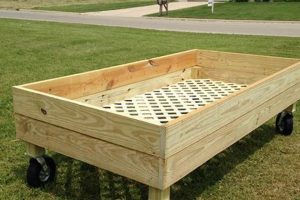
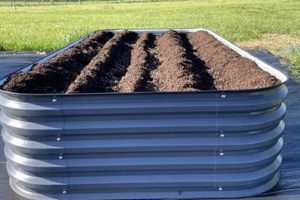
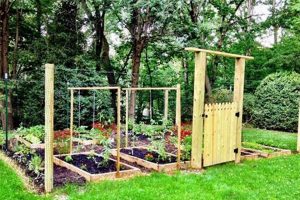
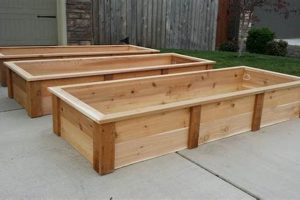
A structure combining elevated planting beds with an integrated framework designed to support climbing plants offers an advantageous approach to horticulture. This arrangement typically involves a contained soil volume raised above ground level, coupled with a lattice or open framework extending vertically. This combination facilitates the cultivation of vining vegetables, flowering species, or other plants that benefit from vertical support.
This method of cultivation presents several benefits, including improved accessibility for gardeners, reduced strain on the back and knees, and enhanced soil drainage. Furthermore, the vertical support system optimizes space utilization, enabling increased yields in smaller areas. Historically, similar structures have been employed in various cultures to maximize crop production and create aesthetically pleasing garden features.
The following sections will explore different designs, material options, construction techniques, and suitable plant selections for this type of gardening system, providing practical guidance for implementation and maintenance.
Essential Considerations
Implementing this structure successfully requires careful planning and execution. The following guidelines provide essential considerations for optimal performance and longevity.
Tip 1: Material Selection: Choose rot-resistant lumber, such as cedar or redwood, for the frame. Pressure-treated wood offers another durable option. The trellis itself can be constructed from wood, metal, or durable plastic.
Tip 2: Drainage Provision: Ensure adequate drainage in the elevated bed. Incorporate drainage holes and a layer of gravel at the base to prevent waterlogging and root rot.
Tip 3: Structural Integrity: The frame must be robust enough to support the weight of the soil and mature plants, as well as withstand wind loads. Proper bracing and secure joinery are critical.
Tip 4: Trellis Design: The design of the support structure should complement the growth habits of the intended plants. Consider the height, width, and spacing of the trellis elements.
Tip 5: Soil Composition: Utilize a well-draining soil mix amended with organic matter. This provides essential nutrients and promotes healthy root development.
Tip 6: Plant Selection: Choose plant varieties that are well-suited for container gardening and the available sunlight. Consider the mature size and growth rate of each plant.
Tip 7: Pest and Disease Management: Implement proactive measures to prevent pest infestations and diseases. Regular inspection and appropriate treatments are essential.
Tip 8: Regular Maintenance: Routine maintenance, including watering, fertilizing, and pruning, is crucial for maintaining the health and productivity of the plants. Inspect the structure regularly for any signs of damage or deterioration.
By adhering to these recommendations, individuals can construct a durable and productive structure that enhances their gardening experience and yield.
The subsequent sections will delve into specific plant choices and detailed construction instructions for these garden features.
1. Structure
The structural integrity of a garden system using elevated beds with integrated vertical supports is paramount to its long-term viability and productive capacity. A well-designed structure ensures stability, resists environmental forces, and supports plant growth effectively.
- Material Durability
The materials selected for construction directly impact the structure’s ability to withstand weathering, pest infestation, and decay. Rot-resistant lumber, such as cedar or redwood, or pressure-treated wood are commonly employed. The trellis framework necessitates materials capable of supporting plant weight and resisting wind loads. Metal or durable plastics offer viable alternatives to wood, particularly in environments with high humidity or potential for wood-boring insects. Failure to select appropriate materials can lead to premature structural failure and require costly repairs or replacements.
- Load-Bearing Capacity
The elevated bed must be capable of supporting the weight of the soil, water, and mature plants. Undersized or poorly constructed frames may buckle or collapse under this load. Soil density and moisture content significantly contribute to the overall weight, necessitating accurate calculations and robust construction techniques. Reinforcement measures, such as internal bracing or the use of thicker lumber, are often required to ensure adequate load-bearing capacity.
- Joint Stability
The connections between structural elements are critical points of failure. Weak or poorly executed joints compromise the overall stability of the entire system. Techniques such as mortise and tenon, dovetail joints, or the use of metal fasteners and adhesives contribute to joint strength. Regular inspection of joints is essential for identifying and addressing any signs of weakening or separation before they lead to more significant structural problems. The structural integrity directly influences safety and longevity.
- Foundation and Support
The base upon which the elevated bed rests must provide a stable and level foundation. Uneven ground or inadequate support can lead to tilting or structural stress. Proper site preparation, including leveling the ground and providing a solid base of gravel or concrete pavers, is essential. In areas prone to frost heave, it may be necessary to build a foundation that extends below the frost line to prevent movement and damage during freeze-thaw cycles. Foundation failure will compromise entire structure.
The aforementioned elements collectively define the structural integrity of a gardening system incorporating elevated beds and vertical supports. By prioritizing material durability, load-bearing capacity, joint stability, and foundation support, individuals can ensure the creation of robust and enduring structures that effectively facilitate plant growth and enhance the overall gardening experience. The investment in sound structural design yields long-term benefits in terms of safety, reduced maintenance, and sustained productivity.
2. Support
Within a gardening system that integrates elevated beds with vertical frameworks, support is a critical function directly influencing plant health and productivity. The trellis component provides physical aid, enabling vining and climbing plants to ascend vertically, maximizing exposure to sunlight and improving air circulation. A lack of adequate support can lead to overcrowding, increased susceptibility to diseases, and reduced yields. The design and material of the support structure are therefore intrinsically linked to the success of the gardening endeavor. Examples include cucumbers, tomatoes, and various flowering vines that benefit substantially from well-engineered vertical structures.
The nature of support extends beyond mere physical propping. It encompasses considerations for plant-specific needs. For instance, a pea plant requires a finer mesh or netting than a heavier vine like squash. The height and orientation of the support affect light interception, and the spacing between support elements influences air flow, mitigating fungal disease risks. Careful selection and placement of support structures are essential for optimizing growing conditions. In practical applications, gardeners often customize their support designs based on the specific plants cultivated and the constraints of the available space. Examples include using bamboo stakes for beans or sturdy metal frameworks for indeterminate tomatoes.
The understanding of support within this gardening context is practically significant, as it directly impacts resource allocation and overall efficiency. Improper support can negate the benefits of elevated beds, limiting yield and increasing maintenance. Conversely, a well-designed system maximizes spatial efficiency, minimizes ground-borne diseases, and simplifies harvesting. The challenge lies in adapting support structures to the specific needs of the plants and the microclimatic conditions of the garden. Effective integration of support is, therefore, a cornerstone of success in this specialized form of cultivation, ultimately linking back to increased yields and efficient gardening practices.
3. Accessibility

Accessibility, in the context of gardening systems employing elevated beds and vertical supports, refers to the ease with which individuals can interact with the plants and the growing environment. This factor significantly impacts the usability of the garden, particularly for individuals with mobility limitations or physical disabilities. A well-designed system prioritizes accessibility, promoting inclusivity and fostering a more enjoyable and sustainable gardening experience.
- Reduced Physical Strain
Elevated beds minimize the need for bending, kneeling, and stooping, reducing strain on the back, knees, and hips. This is particularly beneficial for elderly individuals, those with arthritis, or individuals recovering from injuries. The raised height brings the plants closer to the gardener, making tasks such as planting, weeding, and harvesting more comfortable and manageable. This can extend the gardening lifespan and participation of individuals who might otherwise be unable to engage in traditional ground-level gardening. An example would be a gardener with chronic back pain being able to tend their vegetables with significantly less discomfort using the raised bed design.
- Enhanced Reach and Maneuverability
The elevated platform allows for easier reach to plants, particularly those located further back in the bed or higher up on the trellis. This improved reach facilitates tasks such as pruning, pest control, and fruit picking. Furthermore, the raised structure provides more space for maneuverability around the garden, accommodating wheelchairs, walkers, or other mobility aids. The result is a workspace that enhances the efficiency of gardening tasks and reduces physical barriers to participation. An example could be wheelchair users easily reaching and harvesting vegetables grown on a trellis.
- Customizable Heights and Widths
The design of elevated beds and trellises can be customized to meet individual needs and preferences. Adjustable heights allow for accommodating varying levels of mobility and reach. Reduced widths enable access from multiple sides and minimize the distance required to reach the center of the bed. This level of customization promotes inclusivity, making gardening accessible to a wider range of individuals with diverse physical abilities. This is achieved by tailoring the garden’s design to match a person’s specific needs.
- Clear Pathways and Accessible Surfaces
Ensuring clear pathways around the elevated beds and trellises is essential for accessibility. Wide, level pathways made of firm, stable materials, such as compacted gravel or paving stones, provide safe and easy passage for individuals using mobility aids. Avoidance of steps or uneven surfaces minimizes the risk of trips and falls. Creating accessible surfaces also extends to the garden bed’s borders. These design considerations facilitate an environment conducive to safe and independent gardening. A simple pathway, constructed with non-slip material, significantly enhances accessibility.
These facets of accessibility coalesce to define a gardening environment that is inclusive and adaptable. By addressing the physical limitations that may prevent individuals from engaging in traditional gardening, systems incorporating elevated beds and vertical supports empower a broader spectrum of the population to experience the therapeutic and productive benefits of horticulture. The focus on accessibility thereby reinforces the principle of equitable participation in activities that promote well-being and sustainability.
4. Aesthetics

Aesthetics play a critical role in the integration of gardening systems utilizing elevated beds and vertical supports within a broader landscape design. The visual appeal of these structures directly influences the overall perception and appreciation of the garden environment. This aesthetic consideration encompasses various design elements that contribute to a harmonious and visually pleasing space.
- Material Harmony and Color Palette
The selection of materials and colors significantly impacts the aesthetic integration of the elevated beds and vertical supports. Employing materials that complement existing architectural features or natural elements within the landscape fosters a cohesive design. Neutral color palettes, or those that echo the surrounding vegetation, can create a sense of visual unity. For example, using cedar wood for the bed frame and a powder-coated metal trellis in a muted green tone can blend seamlessly with a traditional garden setting. Conversely, bold colors or contrasting materials can create a focal point and add visual interest. However, care must be taken to ensure that these elements do not clash with the overall design aesthetic.
- Structural Design and Symmetry
The structural design of the elevated bed and vertical support influences its visual appeal and integration with the surrounding landscape. Symmetrical designs often create a sense of order and formality, while asymmetrical arrangements can evoke a more natural and relaxed aesthetic. The proportions of the bed and trellis relative to each other and the surrounding space are critical. An overly large structure may overwhelm a small garden, while an undersized element may appear insignificant. Balancing these proportions contributes to a visually harmonious design. An example could be a symmetrical elevated bed with a climbing rose trellis in a formal garden, enhancing the traditional design.
- Plant Selection and Arrangement
The selection and arrangement of plants within the elevated bed and on the vertical support significantly contribute to the aesthetic appeal of the system. Choosing plants with complementary colors, textures, and forms creates visual interest. Vertical structures provide an opportunity to showcase climbing plants with vibrant blooms or interesting foliage. The strategic placement of plants can also soften the hard lines of the structure and create a more naturalistic appearance. For example, planting cascading flowers at the top of the vertical support or trailing foliage over the edge of the elevated bed can add a touch of elegance and charm. The selection of plants helps to soften the hard lines of the structure.
- Integration with Surrounding Landscape Elements
The seamless integration of the elevated bed and vertical support with other landscape elements is essential for creating a cohesive and visually appealing garden. Consider the placement of the structure in relation to pathways, seating areas, and other garden features. Incorporating elements such as decorative edging, mulching, or strategically placed rocks can help to blend the structure into the surrounding landscape. The overall goal is to create a unified design that harmonizes with the existing environment. Consider placing the structure near a seating area to create a visually appealing focal point and a tranquil gardening space.
These aesthetic considerations collectively contribute to the successful integration of gardening systems with elevated beds and vertical supports within a broader landscape design. By carefully considering material harmony, structural design, plant selection, and landscape integration, individuals can create aesthetically pleasing and functional gardens that enhance the beauty and enjoyment of their outdoor spaces. The pursuit of aesthetic harmony enriches the gardening experience and elevates the visual quality of the surrounding environment, blending practicality with visual elegance.
5. Yield

The term “yield,” when associated with gardening systems incorporating elevated beds and vertical supports, pertains to the quantity and quality of produce harvested from a defined area. This parameter is a critical metric for evaluating the effectiveness and efficiency of such horticultural practices. The integration of vertical structures with raised beds directly impacts yield through several mechanisms.
First, vertical supports maximize space utilization by enabling plants to grow upward rather than spreading horizontally. This allows for a greater density of plants within a given area, thereby increasing potential yield. For example, indeterminate tomato varieties, which can reach substantial heights, produce significantly more fruit when supported by a trellis compared to being left to sprawl on the ground. Secondly, the enhanced air circulation and sunlight exposure afforded by vertical growth structures contribute to healthier plants and reduced incidence of fungal diseases, both of which can negatively impact yield. Cucumbers, when grown on a trellis, exhibit improved fruit quality and reduced susceptibility to soil-borne pathogens, leading to a higher marketable yield. Finally, the ease of access for tasks such as pruning, pest control, and harvesting, facilitated by the elevated bed design, minimizes plant stress and optimizes fruit development, ultimately contributing to enhanced yields. Strawberry production, for example, can be increased by implementing this system to minimize soil contact and maximize sun exposure.
In summary, the interplay between elevated beds and vertical supports significantly influences crop yield. By optimizing space, promoting plant health, and simplifying management practices, this integrated system offers a practical approach to enhancing productivity in horticultural settings. Understanding these factors is essential for maximizing the benefits of such systems and achieving optimal yields.
Frequently Asked Questions
This section addresses common inquiries regarding the implementation and maintenance of gardening systems that integrate elevated beds with vertical supports.
Question 1: What are the primary advantages of utilizing a gardening system featuring raised beds and vertical supports?
This system offers several key advantages, including improved accessibility for gardeners, enhanced soil drainage, optimized space utilization, and reduced susceptibility to soil-borne diseases. The elevated bed minimizes physical strain, while the vertical support maximizes sunlight exposure and air circulation, promoting healthier plant growth.
Question 2: What materials are most suitable for constructing the raised bed frame and the vertical support structure?
For the raised bed frame, rot-resistant lumber such as cedar or redwood is recommended. Pressure-treated wood also provides a durable alternative. The vertical support can be constructed from wood, metal, or durable plastic, depending on the specific needs of the plants and the desired aesthetic.
Question 3: How can drainage be optimized in a raised bed to prevent waterlogging?
Adequate drainage is achieved by incorporating drainage holes in the base of the bed and adding a layer of gravel or coarse material to facilitate water runoff. A well-draining soil mix is also essential to prevent water retention and root rot.
Question 4: What considerations should be taken into account when selecting plants for this type of gardening system?
Plant selection should prioritize varieties that are well-suited for container gardening and vertical growth. Consider the mature size and growth habits of each plant, as well as their sunlight and water requirements. Compatibility between different plant species is also an important factor.
Question 5: How can pest infestations and diseases be effectively managed in a raised bed and vertical support system?
Proactive pest and disease management involves regular inspection of plants for any signs of infestation or disease. Appropriate treatments, such as organic pesticides or fungicides, should be applied promptly to prevent widespread problems. Good air circulation and proper watering techniques can also help to minimize the risk of disease.
Question 6: What routine maintenance tasks are essential for ensuring the long-term health and productivity of this gardening system?
Routine maintenance includes regular watering, fertilizing, and pruning. The soil should be amended with organic matter as needed to maintain fertility. The structure should be inspected periodically for any signs of damage or deterioration and repaired promptly. Proper sanitation practices are also important to prevent the spread of diseases.
In summary, implementing a gardening system featuring elevated beds and vertical supports requires careful planning, material selection, and ongoing maintenance. By addressing these key considerations, individuals can create a sustainable and productive gardening environment.
The following section will provide detailed step-by-step instructions for constructing such a gardening system.
Conclusion
The preceding discussion has explored the multifaceted aspects of integrating elevated beds with vertical supports into a cohesive gardening system. From structural considerations and support mechanisms to accessibility features, aesthetic integration, and yield optimization, each element contributes to the overall effectiveness and sustainability of this approach. The informed application of these principles is crucial for maximizing the benefits derived from this method of cultivation.
The construction and utilization of structures combining elevated planting beds with vertical support lattices represents a significant advancement in accessible and efficient gardening practices. Continued research and refinement of these techniques hold the potential to further enhance food production capabilities in diverse environments, and to promote wider participation in horticultural activities. The careful implementation of these strategies ensures a productive and sustainable gardening experience.