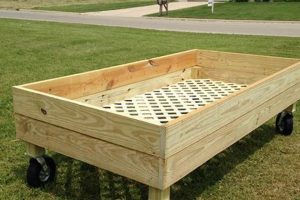
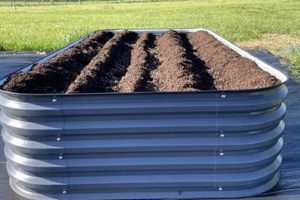
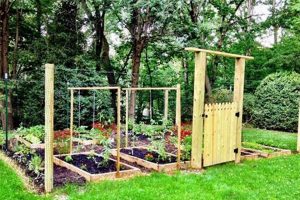
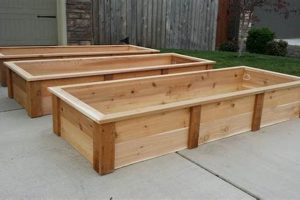
An elevated planting bed constructed on sloping terrain presents a unique solution for horticulture. This approach modifies the landscape to create a level growing surface, mitigating challenges posed by uneven ground. Examples include terraced gardens built into hillsides and enclosed beds supported by retaining walls on inclines.
This construction method offers several advantages. It improves soil drainage, reduces erosion, and facilitates accessibility for maintenance. Historically, this technique has been employed to cultivate land unsuitable for traditional farming, maximizing agricultural output on challenging landscapes. The practice enhances aesthetics by creating visually appealing features in the topography.
The subsequent sections will delve into the planning, construction, and maintenance considerations specific to such garden configurations. It will address optimal material selection, structural integrity, and plant selection, ensuring long-term success and productivity. Best practices for irrigation and soil management in these environments will also be discussed.
Considerations for Hillside Planting Beds
Optimizing an elevated garden on an incline requires careful planning and execution. These guidelines address critical factors for successful implementation.
Tip 1: Site Assessment: Conduct a thorough evaluation of the slope’s angle, sun exposure, and existing soil composition. These factors dictate structural requirements and plant selection.
Tip 2: Erosion Control Measures: Implement robust drainage systems and erosion barriers. This prevents soil runoff and maintains structural integrity, particularly during heavy rainfall.
Tip 3: Structural Support: Employ durable materials such as treated lumber, stone, or concrete for retaining walls. Proper engineering ensures stability against soil pressure and weather conditions.
Tip 4: Soil Amendment: Amend native soil with organic matter to improve drainage, aeration, and nutrient content. Custom soil mixes tailored to specific plant needs are recommended.
Tip 5: Plant Selection: Choose plant species adapted to well-drained conditions and the site’s microclimate. Drought-tolerant varieties are often advantageous on slopes.
Tip 6: Irrigation Planning: Install an efficient irrigation system to deliver water evenly across the bed. Drip irrigation minimizes water waste and targets plant roots directly.
Tip 7: Terracing Strategies: Consider terracing to create multiple level planting areas. This maximizes space utilization and simplifies maintenance on steeper inclines.
Adhering to these recommendations promotes a stable, productive, and aesthetically pleasing growing environment. Careful planning is paramount to long-term success.
The subsequent conclusion will consolidate the core concepts discussed throughout this exploration of hillside planting techniques.
1. Structural Integrity

The establishment of an elevated planting bed on sloping terrain hinges critically upon structural integrity. A compromised structure precipitates a cascade of detrimental effects, ranging from soil erosion and plant damage to potential collapse and environmental hazard. The inherent instability of an incline amplifies the forces acting upon the retaining walls or supporting structures of the garden, necessitating robust engineering and construction techniques. Without adequate structural design, the weight of the soil, particularly when saturated with water, can exceed the load-bearing capacity of the structure, leading to deformation, cracking, or outright failure. For instance, a retaining wall constructed without proper drainage or sufficient reinforcement is prone to collapse under hydrostatic pressure, resulting in soil displacement and damage to surrounding vegetation. This illustrates the direct causal relationship between inadequate structural design and tangible negative consequences.
The importance of structural soundness extends beyond immediate safety concerns. A well-engineered and constructed elevated garden bed minimizes long-term maintenance costs and ensures the longevity of the horticultural investment. For example, selecting durable materials like treated lumber, reinforced concrete, or natural stone, combined with proper foundational support and drainage provisions, significantly reduces the risk of structural degradation over time. The practical significance of this understanding lies in the ability to preemptively mitigate potential problems, thereby fostering a stable and sustainable growing environment. Further, a structurally sound garden bed allows for greater flexibility in soil composition and plant selection, as the risk of soil erosion or structural instability is minimized. Terraced systems, often employed in hillside gardens, exemplify this principle, distributing the load and minimizing the overall stress on any single retaining structure.
In summary, structural integrity represents a non-negotiable prerequisite for the successful implementation of an elevated planting bed on a hillside. Its impact is pervasive, influencing not only the physical stability of the garden but also its aesthetic appeal, economic viability, and environmental sustainability. Challenges in achieving this integrity often stem from inadequate site assessment, improper material selection, or insufficient engineering expertise. Addressing these challenges requires a holistic approach that integrates sound structural principles with horticultural best practices, ultimately fostering a thriving and enduring landscape feature.
2. Erosion Prevention

Erosion poses a significant threat to the integrity and productivity of elevated planting beds on sloping terrain. The inherent instability of hillsides, compounded by the disturbance of soil during construction, creates conditions conducive to soil loss via water runoff and gravitational forces. An elevated garden structure, while providing a defined growing space, can inadvertently exacerbate erosion issues if proper preventative measures are not implemented. Uncontrolled soil erosion leads to a degradation of soil quality, nutrient depletion, and potential undermining of the structural supports of the garden itself. An example includes a hillside garden lacking adequate drainage, where rainwater accumulates and flows over the retaining walls, carrying away topsoil and compromising the foundation over time. The practical significance of understanding this lies in proactively integrating erosion control strategies into the garden’s design and construction phases.
Effective erosion prevention in elevated hillside gardens involves a multi-faceted approach. Terracing, the creation of level platforms stepped up the slope, reduces the gradient and slows water runoff, allowing for better infiltration. Retaining walls constructed with proper drainage systems, such as weep holes or gravel backfill, prevent the buildup of hydrostatic pressure that can lead to wall failure and soil displacement. Ground cover plantings and mulching provide a protective layer on the soil surface, minimizing the impact of rainfall and wind. Selection of appropriate plant species with extensive root systems further stabilizes the soil and prevents erosion. Contour planting, aligning rows of plants parallel to the hillside’s contours, disrupts water flow and encourages infiltration. These strategies collectively mitigate the erosive forces acting on the garden, preserving soil resources and maintaining structural stability.
In summary, erosion prevention is not merely an ancillary consideration but an essential component of successfully establishing and maintaining an elevated planting bed on a hill. Neglecting erosion control measures jeopardizes the long-term viability of the garden, resulting in diminished productivity and potential structural damage. Challenges often arise from inadequate planning, improper construction techniques, or the selection of inappropriate plant species. Addressing these challenges necessitates a holistic approach that integrates sound engineering principles, horticultural best practices, and an understanding of local climate and soil conditions. Such an integrated approach ensures the sustainability and resilience of the hillside garden, transforming a potential liability into a productive and aesthetically pleasing landscape feature.
3. Drainage Management

Effective drainage management is intrinsically linked to the success of an elevated planting bed on a sloping landscape. The inherent grade presents a dual challenge: excessive water accumulation at the base of the structure and accelerated runoff from the upper slopes. Inadequate drainage provisions can lead to waterlogged soil, root rot, and nutrient leaching, severely hindering plant growth and potentially destabilizing the garden structure itself. For instance, a retaining wall without proper weep holes will accumulate hydrostatic pressure during periods of heavy rainfall, increasing the risk of structural failure and soil erosion. Understanding these causal relationships is paramount to mitigating potential problems and fostering a sustainable growing environment.
Implementing effective drainage solutions involves a multi-faceted approach tailored to the specific characteristics of the site. This may include installing subsurface drainage systems, such as perforated pipes embedded in gravel backfill behind retaining walls, to redirect excess water away from the planting area. Surface drainage solutions, such as contouring the soil surface to direct runoff towards designated drainage channels, can also be employed. The selection of appropriate soil mixes that promote both water retention and drainage is crucial. Amending the soil with organic matter improves its structure, enhancing its ability to absorb and release water effectively. Plant selection should also consider drainage requirements, favoring species that tolerate well-drained conditions. The practical application of these principles translates to healthier plants, reduced maintenance, and a longer lifespan for the elevated garden structure.
In summary, proper drainage management is a non-negotiable aspect of constructing an elevated planting bed on an incline. Its importance stems from its direct impact on plant health, structural stability, and long-term sustainability. Challenges in achieving effective drainage often arise from inadequate site assessment, improper construction techniques, or the selection of unsuitable materials. Addressing these challenges requires a comprehensive approach that integrates sound engineering principles, horticultural best practices, and a thorough understanding of the site’s hydrological characteristics. Such an approach ensures the longevity and productivity of the elevated garden, transforming a potentially problematic landscape into a thriving horticultural asset.
4. Accessibility Design
The integration of accessibility design principles into the creation of an elevated garden on a sloped terrain is paramount for fostering inclusive horticultural practices. The inherent challenge of navigating a hillside, coupled with potential physical limitations of gardeners, necessitates deliberate planning to ensure equitable access. Failure to incorporate accessibility considerations can exclude individuals with mobility impairments, visual impairments, or other physical limitations, thereby limiting the benefits and enjoyment derived from the garden. For example, steep pathways or uneven surfaces pose significant obstacles for wheelchair users or individuals with limited mobility. The practical significance of accessibility design lies in its capacity to transform a potentially exclusionary environment into an inclusive space for all.
Incorporating accessibility design may involve several key strategies. Level, paved pathways with appropriate gradients and non-slip surfaces facilitate movement for individuals using wheelchairs or walkers. Raised beds, constructed at varying heights, accommodate gardeners with different reach ranges and reduce the need for bending or kneeling. Adaptive gardening tools, designed for individuals with limited grip strength or dexterity, enhance usability. Adequate lighting ensures safe navigation for individuals with visual impairments, particularly during evening hours. Sensory gardens, incorporating plants with diverse textures and aromas, provide stimulating experiences for individuals with sensory processing disorders. These practical applications demonstrate the tangible benefits of integrating accessibility design into hillside garden construction. A real-world illustration is a community garden that implemented ramped access, raised beds, and accessible tool storage, resulting in increased participation from individuals with disabilities and a more inclusive gardening experience for all.
In summary, accessibility design is not merely an optional add-on but an essential component of creating an elevated garden on a hill. Its impact extends beyond mere compliance with accessibility regulations, fostering a more inclusive and equitable environment for all gardeners. Challenges in implementing accessibility features often stem from budgetary constraints, limited space, or a lack of awareness regarding universal design principles. Addressing these challenges requires a commitment to inclusive design practices, careful planning, and collaboration with individuals with disabilities to ensure that the garden meets their needs and promotes their full participation. By prioritizing accessibility, elevated hillside gardens can become valuable community assets, promoting health, well-being, and social inclusion for all individuals, regardless of their physical abilities.
5. Sustainable Materials

The selection of materials for constructing an elevated planting bed on sloping terrain has significant ecological and economic implications. The use of unsustainable materials contributes to resource depletion, environmental pollution, and increased carbon emissions. Conversely, employing sustainable alternatives mitigates these negative impacts, promoting environmental stewardship and long-term viability. For instance, utilizing treated lumber containing harmful chemicals can leach into the soil, contaminating the growing environment and potentially affecting plant health. Conversely, using naturally rot-resistant wood or recycled plastic lumber avoids these risks, promoting a healthier ecosystem.
Practical applications of sustainable materials in hillside garden construction are diverse. Reclaimed wood from deconstructed buildings can be repurposed for retaining walls and framing, diverting waste from landfills and reducing the demand for virgin timber. Locally sourced stone or rock minimizes transportation emissions and supports regional economies. Recycled plastic lumber, manufactured from post-consumer plastic waste, provides a durable and weather-resistant alternative to traditional lumber. The implementation of these materials reduces the environmental footprint of the garden while often providing cost-effective solutions. A community garden in Seattle, WA, successfully constructed elevated beds using reclaimed cedar fencing, demonstrating the feasibility and aesthetic appeal of sustainable building practices.
In summary, the integration of sustainable materials into the construction of elevated gardens on hillsides is not merely a stylistic choice but an environmental imperative. It aligns horticultural practices with ecological principles, promoting resource conservation, pollution reduction, and long-term sustainability. Challenges in implementing sustainable material choices may include higher upfront costs or limited availability. Overcoming these challenges requires a commitment to environmental stewardship, research into alternative materials, and collaboration with local suppliers. Embracing sustainable materials ensures that these gardens serve as models for environmentally responsible landscaping practices.
Frequently Asked Questions
This section addresses common inquiries regarding the construction, maintenance, and suitability of constructing an elevated planting bed on sloping ground. These questions are designed to provide clarity and guidance for those considering this horticultural approach.
Question 1: What is the primary advantage of constructing a planting bed on a hillside?
This configuration provides a level growing surface where one would not naturally exist. This promotes better drainage and mitigates erosion, while also often improving accessibility.
Question 2: What structural considerations are paramount when building on a slope?
The design must account for lateral soil pressure, water runoff, and freeze-thaw cycles. Durable, weather-resistant materials are essential to ensure long-term structural integrity.
Question 3: How does soil composition differ for an elevated hillside planting bed?
The soil requires excellent drainage and appropriate nutrient retention. Amending native soil with organic matter and selecting a custom soil mix tailored to the plants being cultivated is crucial.
Question 4: What plant species are best suited for this environment?
Species that thrive in well-drained soil and tolerate varying degrees of sunlight are ideal. Drought-tolerant varieties can be advantageous on south-facing slopes.
Question 5: What irrigation techniques are most effective for an elevated garden on an incline?
Drip irrigation systems minimize water waste and deliver moisture directly to plant roots, reducing runoff and promoting efficient water utilization.
Question 6: How can erosion be effectively controlled on a sloping garden bed?
Terracing, retaining walls, ground cover plantings, and proper drainage systems collectively prevent soil loss and maintain the stability of the structure.
In summary, establishing a flourishing garden on an incline demands careful planning, appropriate material selection, and adherence to sound engineering and horticultural practices. These frequently asked questions address key considerations to facilitate successful implementation.
The subsequent section will explore potential challenges and pitfalls associated with establishing elevated planting beds on inclines, providing insights into preventative measures and troubleshooting strategies.
Conclusion
This exploration of the ‘raised garden on a hill’ concept has illuminated the multifaceted considerations involved in its successful implementation. Structural integrity, erosion prevention, drainage management, accessibility design, and sustainable material choices have been identified as critical elements requiring careful planning and execution. The challenges inherent in modifying a sloping landscape for horticultural purposes demand a comprehensive understanding of engineering principles, horticultural best practices, and environmental stewardship.
The effective construction and maintenance of a planting bed on an incline represents a significant investment of resources and expertise. However, when executed thoughtfully, it can yield a productive and aesthetically pleasing landscape feature, enhancing property value and promoting sustainable land use. Further research and innovation in hillside gardening techniques are essential to maximize the efficiency and longevity of these valuable resources.