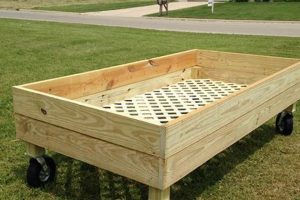
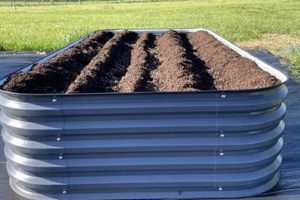
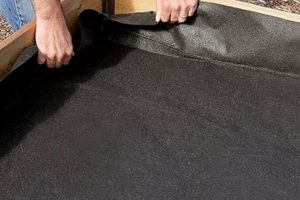
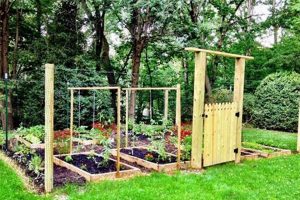
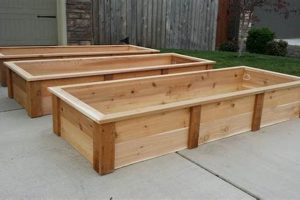
Structures that elevate the perimeter of cultivated areas above the existing ground level are often employed in landscaping. These enclosures, typically constructed from materials like wood, stone, or metal, serve to define the boundaries of planting beds. For example, a frame built from cedar planks surrounding a vegetable patch constitutes one application of this technique.
Utilizing this method offers numerous advantages. It can improve soil drainage, deter pests, and provide ergonomic benefits for gardeners. Furthermore, it can contribute to a more aesthetically pleasing and organized outdoor space. Historically, similar structures have been used in various forms to optimize growing conditions and manage garden layouts.
The subsequent sections will delve into specific materials suitable for these structures, explore diverse construction techniques, and examine various design considerations. Furthermore, this discussion will also address practical aspects such as installation and maintenance, providing a comprehensive overview of this approach to garden design.
Practical Guidance for Elevated Planting Bed Boundaries
The following guidelines offer valuable insights into the effective implementation of structures that delineate the perimeter of raised planting areas. Careful consideration of these points can contribute to the longevity and functionality of such installations.
Tip 1: Material Selection is Paramount: The durability and aesthetic appeal of the border largely depend on the chosen material. Opt for rot-resistant woods like cedar or redwood, or consider durable alternatives such as stone or metal. Avoid untreated lumber, which degrades rapidly in contact with soil.
Tip 2: Ensure Adequate Drainage: Improper drainage can lead to waterlogged soil and root rot. Before constructing the border, assess the existing soil drainage and amend as necessary. Consider incorporating drainage holes or gravel at the base of the enclosure.
Tip 3: Height Should Align with Purpose: The optimal height depends on the intended use. A low border may suffice for aesthetic purposes, while a higher border can offer ergonomic advantages and deter pests. Carefully consider the desired depth of soil and the physical capabilities of the gardener.
Tip 4: Secure and Stable Construction: A well-constructed border prevents soil erosion and maintains its structural integrity. Use appropriate fasteners and joinery techniques to ensure a secure and stable enclosure. Consider reinforcing corners for added strength.
Tip 5: Consider Soil Composition: The type of soil contained within the raised bed should be appropriate for the plants being cultivated. Amend existing soil or introduce a custom soil mix to optimize growing conditions. Retaining walls should be constructed to withstand the lateral pressure of the soil.
Tip 6: Regular Maintenance is Essential: Inspect the perimeter regularly for signs of damage or deterioration. Repair or replace damaged sections promptly to prevent further degradation. Apply sealant or preservative treatments as needed.
Tip 7: Integrate Functionality with Aesthetics: While structural integrity is crucial, the border also contributes to the overall aesthetic appeal of the garden. Choose materials and designs that complement the surrounding landscape and reflect personal preferences.
Following these recommendations facilitates the construction of durable, functional, and aesthetically pleasing borders for elevated planting areas. This contributes to improved plant health, ease of maintenance, and an enhanced outdoor environment.
The subsequent sections will further expand upon these considerations, providing detailed information on material selection, construction techniques, and long-term maintenance strategies.
1. Material Durability

The longevity and overall effectiveness of structures designed to elevate garden areas are intrinsically linked to the durability of the chosen materials. The selection of materials directly impacts the structure’s resistance to environmental factors, physical stress, and biological degradation. This consideration is not merely aesthetic; it directly affects the functional lifespan and maintenance requirements of the garden edging. For instance, untreated wood used in humid climates will decompose rapidly, requiring frequent replacement and undermining the intended purpose of containing soil and defining the planting space. Conversely, materials like stone or treated lumber offer greater resistance to rot and decay, significantly extending the structure’s lifespan.
The importance of material durability becomes particularly evident when considering the dynamic forces exerted upon the edging. Soil pressure, freeze-thaw cycles, and exposure to moisture contribute to structural stress. Materials lacking inherent durability are prone to cracking, warping, or complete failure, leading to soil erosion and a compromised garden aesthetic. For example, lightweight plastic edging may buckle under the weight of saturated soil, while poorly constructed metal edging can rust and corrode, posing a safety hazard. The selection process should therefore prioritize materials capable of withstanding these stresses over extended periods, ensuring the edging remains a functional and aesthetically pleasing element of the garden.
In summary, material durability is a critical determinant of the success and sustainability of raised planting area borders. Selecting appropriate, resilient materials minimizes maintenance demands, maximizes the structure’s lifespan, and preserves its functionality. The initial investment in durable materials ultimately translates to long-term cost savings and a more stable, attractive, and productive garden environment. This understanding is paramount for gardeners seeking to create enduring and low-maintenance elevated planting solutions.
2. Structural Integrity

The long-term effectiveness of any elevated garden border is inextricably linked to its structural integrity. The ability of the structure to withstand external pressures, such as soil weight, moisture content fluctuations, and potential physical impacts, directly determines its lifespan and functionality. A lack of structural integrity leads to a cascade of negative effects, including soil displacement, compromised aesthetics, and ultimately, the failure of the raised bed system. For example, a retaining wall constructed with inadequate support will eventually bow outwards under the pressure of the contained soil, resulting in both a loss of growing space and potential damage to surrounding areas. The initial design and construction phase, therefore, must prioritize structural stability to ensure the enduring performance of the edging.
The selection of appropriate building materials and construction techniques plays a crucial role in achieving adequate structural integrity. Factors such as the type of soil, the height of the raised bed, and the local climate all influence the necessary strength of the structure. For instance, a raised bed filled with heavy clay soil requires a more robust design compared to one filled with a lighter, well-draining soil mix. Similarly, areas with frequent freeze-thaw cycles necessitate materials that are resistant to cracking and expansion. The use of appropriate fasteners, reinforcing elements, and proper drainage systems are all integral to maintaining structural integrity over time. An example of good practice is the use of interlocking blocks or timber frames with solid corner supports, which distribute the load and minimize stress points.
In conclusion, structural integrity is not merely a desirable attribute but a fundamental requirement for the success of any elevated planting space border. Prioritizing robust design, appropriate materials, and sound construction practices mitigates the risk of failure and ensures the long-term functionality and aesthetic appeal of the garden. The understanding of the relationship between these elements is essential for any gardener seeking to create durable and sustainable raised garden solutions. Ignoring this imperative leads to costly repairs, potential safety hazards, and a compromised horticultural environment.
3. Soil Retention

The primary function of structures that delineate elevated planting areas is to maintain soil mass within a defined space. This characteristic, known as soil retention, is crucial for the success of raised-bed gardening and influences various aspects of plant growth and overall garden management.
- Lateral Pressure Resistance
Edging materials must withstand the lateral pressure exerted by the contained soil, especially when saturated with water. Failure to resist this pressure can result in bowing, cracking, or collapse of the structure, leading to soil loss and damage to the surrounding area. Strong, durable materials and appropriate construction techniques are therefore essential for effective soil retention.
- Prevention of Erosion
Elevated beds are inherently more susceptible to erosion than ground-level gardens. Edging helps to prevent soil runoff during heavy rain or irrigation, thereby preserving the integrity of the bed and minimizing nutrient loss. A well-designed border acts as a barrier, containing the soil and preventing its dispersion.
- Enhanced Root Support
By maintaining a stable soil profile, edging contributes to improved root support for plants. This is particularly important for plants with shallow root systems or those that are susceptible to wind damage. A contained soil mass provides a more stable and consistent growing environment.
- Controlled Soil Composition
Elevated beds allow for greater control over soil composition and quality. Edging ensures that the carefully selected soil mix remains contained within the designated area, preventing contamination from surrounding soils. This is particularly beneficial in areas with poor native soil conditions.
The facets of lateral pressure resistance, prevention of erosion, root support, and controlled soil composition collectively underscore the critical role of soil retention in raised-bed gardening. Effective design and material selection for elevated planting area borders must prioritize these factors to ensure the long-term stability and productivity of the growing environment.
4. Drainage Control

The implementation of structures for elevated planting necessitates careful consideration of drainage control. The enclosed nature of these systems can inadvertently lead to waterlogging, which negatively impacts root health and overall plant vitality. Therefore, the design and construction must actively address water management to ensure optimal growing conditions. Properly designed borders permit excess water to escape, preventing anaerobic soil conditions that can lead to root rot and nutrient deficiencies. The absence of adequate drainage in such enclosed spaces can quickly transform a beneficial system into a detrimental one, hindering the very plant growth it intends to promote. For example, a raised bed constructed on a clay base without drainage provisions will retain excessive moisture, predisposing plants to fungal diseases.
Effective drainage strategies for these elevated areas involve several techniques. Incorporating drainage layers of gravel or coarse sand at the base of the structure facilitates water movement away from the root zone. The installation of drainage holes or weep holes along the lower sections of the edging allows water to escape laterally. The use of well-draining soil mixes, rather than heavy clay soils, further promotes proper drainage. In situations where underlying soil has poor permeability, constructing the raised bed on a slightly elevated platform can improve drainage. Consideration of these practices ensures that excess water is efficiently managed, creating a healthy environment for plant growth.
In summary, drainage control is an indispensable component of successful raised garden systems. Addressing this factor mitigates the risk of waterlogged soils, prevents root diseases, and promotes vigorous plant growth. Challenges related to drainage can be overcome through careful planning, appropriate material selection, and the implementation of proven drainage techniques. The understanding of this relationship between edging design and water management is crucial for creating sustainable and productive raised gardens.
5. Aesthetic Integration

The success of structures that define elevated planting areas hinges not only on functional attributes but also on their seamless integration with the surrounding environment. Aesthetic integration ensures that these constructed elements enhance the visual appeal of the garden, rather than appearing as discordant additions. When elevated planting beds are harmoniously integrated into the landscape, they contribute to a sense of cohesion and intentional design. For example, a raised bed constructed from rough-hewn stone in a rustic cottage garden complements the naturalistic setting, while sleek metal edging in a modern urban garden reinforces a contemporary aesthetic. The failure to consider aesthetic integration can result in a visually jarring effect, detracting from the overall beauty of the outdoor space. The choice of materials, colors, and design styles directly impacts the degree to which the edging complements the broader landscape.
Achieving effective aesthetic integration involves careful consideration of several factors. The color palette of the edging should harmonize with existing structures and plantings. The texture of the materials should complement the surrounding surfaces, such as pathways, patios, and building facades. The overall design style, whether formal or informal, should align with the prevailing aesthetic of the garden. The scale of the raised beds should be proportional to the surrounding space, avoiding an overwhelming or underwhelming presence. The incorporation of design elements that echo existing features, such as repeating patterns or matching architectural details, can further enhance the sense of visual coherence. An example of effective integration is the use of reclaimed brick edging to complement a brick patio, creating a seamless transition between hardscape and planting area.
In conclusion, aesthetic integration is an essential component of successful elevated planting space design. Careful consideration of material selection, color palettes, design styles, and scale is critical for creating a visually harmonious outdoor environment. Prioritizing aesthetic integration transforms elevated beds from mere functional elements into integral components of a beautiful and well-designed garden. The practical understanding of these principles allows gardeners to enhance the aesthetic value of their property while simultaneously enjoying the benefits of raised-bed gardening. This holistic approach contributes to a more pleasing and sustainable outdoor living space.
6. Pest Deterrence

Elevated planting bed borders serve a significant role in mitigating pest intrusion. The physical barrier created by the edging inherently restricts access for ground-dwelling pests such as slugs, snails, and certain soil-borne insects. This elevation disrupts the pests natural pathways, creating a less accessible environment for infestation. For instance, a raised bed with smooth, vertical sides presents a challenge for slugs and snails, significantly reducing their ability to reach and damage vulnerable plants. The effectiveness of this approach is further enhanced when combined with other pest control strategies, creating a multi-layered defense system.
Material selection for the edging also influences pest deterrence. Copper edging, for example, creates a mild electrical charge that deters slugs and snails. Certain wood species, such as cedar, possess natural insect-repellent properties. The height of the edging is also a factor; taller borders provide a greater physical barrier, offering enhanced protection against crawling pests. Furthermore, the improved drainage often associated with raised beds creates a less favorable environment for certain soil-borne diseases and pests that thrive in damp conditions. Cleanliness around the raised bed is also important, as removing decaying plant matter reduces habitat for pests.
In conclusion, the integration of pest deterrence principles into the design and construction of raised planting bed borders represents a proactive approach to garden management. The physical barrier created by the edging, coupled with strategic material selection and sound maintenance practices, minimizes pest pressure and promotes healthier plant growth. The understanding of this connection enables gardeners to create more resilient and productive elevated garden systems, reducing the need for chemical interventions and fostering a more sustainable horticultural environment.
Frequently Asked Questions
The following section addresses common inquiries regarding the application, construction, and maintenance of structures designed to define elevated planting areas. These questions and answers aim to provide clear and concise information for effective implementation.
Question 1: What materials are best suited for constructing structures around elevated planting areas?
Durable materials such as cedar, redwood, treated lumber, stone, and metal are generally recommended. The selection should consider resistance to rot, pests, and weather conditions. Untreated wood degrades rapidly and is not advisable.
Question 2: How does the height of the border impact its functionality?
The height should be determined by the intended use. Lower borders primarily serve aesthetic purposes, while taller borders offer ergonomic benefits and improved pest deterrence. Sufficient height to retain the desired soil depth is essential.
Question 3: Is drainage important in raised planting beds?
Adequate drainage is crucial to prevent waterlogging and root rot. Consider incorporating drainage holes, gravel layers, or amending the soil with well-draining materials to facilitate water runoff.
Question 4: How is structural integrity maintained over time?
Secure construction techniques, appropriate fasteners, and reinforcement of corners are vital for long-term stability. Regular inspection and prompt repair of any damage are essential to prevent structural failure.
Question 5: How does border construction deter pests?
Elevated borders create a physical barrier against ground-dwelling pests. Smooth, vertical surfaces impede climbing pests, and certain materials, such as copper, can further deter slugs and snails.
Question 6: What maintenance is required for elevated planting bed borders?
Regular inspection for damage, repair or replacement of deteriorated sections, and application of sealant or preservative treatments as needed are essential for maintaining the integrity and appearance of the border.
Effective utilization of elevated planting space borders demands careful consideration of material selection, construction techniques, drainage, and maintenance. Addressing these aspects ensures long-term functionality and aesthetic appeal.
The subsequent section will provide practical guidance on selecting specific types of raised garden systems.
In Summary
This exploration has addressed the multifaceted nature of structures employed to define the perimeter of elevated planting spaces. Material durability, structural integrity, drainage control, aesthetic integration, soil retention, and pest deterrence are critical considerations. Careful planning and execution are necessary to realize the full benefits of these installations.
Effective utilization of elevated planting area borders requires a thorough understanding of their functional requirements and aesthetic potential. Sustainable and productive garden environments depend on diligent attention to detail, leading to long-term success in horticultural endeavors. By thoughtfully considering the discussed principles, gardeners can cultivate resilient and aesthetically pleasing outdoor spaces.