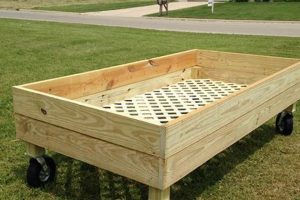
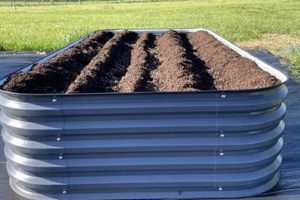
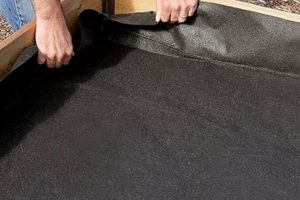
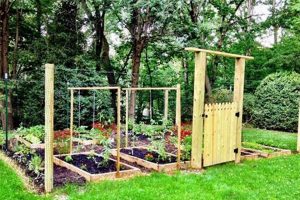
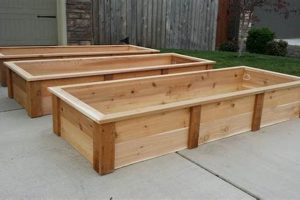
Elevated planting structures equipped with a watering system offer a controlled environment for cultivating various plants. These systems typically consist of a framed enclosure filled with soil, coupled with a network designed to deliver water directly to the roots of the plants. Examples range from simple wooden boxes with soaker hoses to sophisticated, automated systems with drip emitters and timers.
This approach to gardening provides numerous advantages, including improved drainage, soil quality management, and accessibility for individuals with limited mobility. Historically, similar methods have been employed in regions with poor soil conditions or limited arable land, enabling the efficient production of food and ornamental plants. The benefits extend to pest and weed control, as well as the efficient use of water resources.
The following sections will delve into the construction methods, appropriate plant selection, different watering system designs, and essential maintenance practices for these specialized garden systems. The aim is to provide a practical guide for establishing and managing these systems to maximize productivity and enjoyment.
Optimizing Elevated Planting Structures with Integrated Watering Systems
The following recommendations are designed to maximize the efficiency and effectiveness of elevated planting structures that incorporate dedicated watering solutions.
Tip 1: Soil Composition is Critical. Select a well-draining soil mix that retains sufficient moisture. A blend of topsoil, compost, and perlite or vermiculite is often suitable. Avoid heavy clay soils, which can impede drainage and lead to root rot.
Tip 2: Design Watering System for Plant Needs. Drip irrigation systems are generally more efficient than overhead sprinklers. Place emitters close to the base of plants to deliver water directly to the root zone, minimizing water loss through evaporation and preventing foliar diseases.
Tip 3: Utilize Timers for Watering Regulation. Employ a timer to automate the watering schedule. Adjust the duration and frequency based on plant species, weather conditions, and soil moisture levels. Overwatering can be as detrimental as underwatering.
Tip 4: Monitor Soil Moisture Levels Regularly. Use a soil moisture meter or conduct a manual check to assess the soils hydration. The top inch or two of soil may appear dry, but the deeper layers may retain sufficient moisture. Adjust watering schedules accordingly.
Tip 5: Regularly Inspect and Maintain the Watering System. Check for leaks, clogs, or damaged components. Flush the system periodically to remove any accumulated debris or mineral deposits. Repair or replace any faulty parts promptly to ensure consistent and reliable operation.
Tip 6: Implement Mulch to Conserve Moisture. Apply a layer of organic mulch around the plants to reduce evaporation, suppress weeds, and regulate soil temperature. Suitable mulches include wood chips, straw, or shredded leaves.
Tip 7: Consider Plant Grouping Based on Water Needs. Arrange plants with similar water requirements in the same planting structure. This will allow for more precise watering and prevent overwatering or underwatering certain species.
These strategic considerations enable efficient resource utilization and optimal plant health, contributing to a more productive and sustainable gardening endeavor. Consistent implementation of these strategies will optimize the performance and longevity of the system.
The next section will discuss troubleshooting common issues encountered with these systems.
1. Drainage Efficiency

Drainage efficiency is a critical factor in the successful utilization of elevated planting structures with integrated watering systems. Improper drainage can lead to waterlogged soil, root rot, and ultimately, plant death. Effective drainage ensures a healthy root environment, facilitating nutrient uptake and overall plant vigor.
- Soil Composition and Structure
The composition and structure of the soil directly influence drainage. Soils with high clay content tend to retain water, impeding drainage, while sandy soils drain too rapidly, potentially leading to dehydration. A well-balanced soil mix, incorporating organic matter and coarse aggregates, improves drainage while retaining sufficient moisture for plant growth. Soil structure, specifically the presence of macropores, allows for efficient water flow.
- Bed Construction and Materials
The construction of the elevated planting structure must facilitate adequate drainage. This can be achieved through the inclusion of drainage holes or a layer of gravel at the bottom of the bed. The materials used in construction should be non-toxic and resistant to degradation from constant exposure to moisture. Furthermore, the base upon which the bed rests should also allow for water to escape, preventing pooling and subsequent saturation of the soil within the structure.
- Watering System Design and Management
The design and management of the integrated watering system are integral to drainage efficiency. Overwatering, even with a well-draining soil mix, can overwhelm the system’s capacity to remove excess water. Drip irrigation systems, when properly calibrated, deliver water directly to the root zone, minimizing runoff and promoting efficient water use. Implementing a timer and adjusting watering schedules based on plant needs and environmental conditions further enhances drainage efficiency.
- Plant Selection and Root Systems
The selection of plants with appropriate root systems for the container environment is important. Plants with deep, dense root systems may contribute to soil compaction, hindering drainage. Choosing plant varieties suited to the depth and drainage characteristics of the elevated structure helps maintain optimal soil conditions. Additionally, regular monitoring of root health allows for early detection of drainage-related issues.
These factors collectively influence the drainage capacity of elevated planting structures. Addressing each element through careful planning and management ensures optimal plant health and productivity within these controlled environments. Neglecting drainage considerations can negate the benefits of an otherwise well-designed and maintained system.
2. Soil Composition

Soil composition is a foundational element influencing the success of elevated planting structures with integrated watering systems. The confined environment of a is significantly impacted by the properties of the soil it contains. Unlike in-ground gardens where roots can access a larger soil profile and natural drainage patterns, relies entirely on the qualities of its contained soil for nutrient provision, water retention, and aeration. Inadequate soil composition leads directly to stunted growth, nutrient deficiencies, and susceptibility to disease, regardless of the sophistication of the watering system.
For instance, consider a bed filled with predominantly clay soil. Despite the presence of an efficient drip watering system, the dense clay particles restrict water infiltration and drainage, leading to waterlogged conditions and root rot. Conversely, a bed filled with sandy soil, while providing excellent drainage, may not retain sufficient moisture or nutrients, necessitating excessively frequent irrigation and fertilization. A balanced soil composition, typically achieved through a mix of topsoil, compost, and amendments like perlite or vermiculite, is essential for optimal plant health. The organic matter in compost provides slow-release nutrients, improves water retention, and enhances soil structure, while perlite and vermiculite increase aeration and drainage. The specific blend should be tailored to the needs of the plants being cultivated.
In conclusion, soil composition is not merely a component of raised garden beds; it is a primary determinant of their performance, particularly in conjunction with integrated watering systems. The careful selection and management of soil composition is crucial for ensuring adequate drainage, nutrient availability, and root health, ultimately leading to increased plant productivity and reduced maintenance requirements. While advanced irrigation systems can optimize water delivery, they cannot compensate for fundamental deficiencies in soil composition. The synergy between appropriate soil composition and a well-designed irrigation system is thus necessary for achieving the full potential of this specialized gardening approach.
3. Water Distribution

Efficient water distribution is paramount in elevated planting structures equipped with watering systems. The uniform and controlled delivery of water directly impacts plant health, resource utilization, and overall system performance. Inadequate or uneven distribution can lead to localized overwatering or underwatering, resulting in nutrient imbalances, disease susceptibility, and reduced yields.
- Drip Irrigation Systems
Drip irrigation employs a network of tubes and emitters to deliver water directly to the root zone of individual plants. This method minimizes water loss through evaporation and runoff, promoting efficient water use. The precise control offered by drip systems allows for tailored watering schedules based on plant-specific needs and environmental conditions. In elevated structures, drip irrigation is particularly beneficial in preventing foliar diseases by keeping leaves dry.
- Micro-Sprinkler Systems
Micro-sprinklers distribute water over a wider area compared to drip emitters, simulating rainfall on a smaller scale. These systems are suitable for closely spaced plants or those with shallow root systems. However, they are more susceptible to water loss through evaporation, especially in arid climates. Proper placement and nozzle selection are crucial for ensuring even water distribution and minimizing overspray.
- Subsurface Irrigation
Subsurface irrigation involves burying porous pipes or tubing beneath the soil surface, delivering water directly to the root zone. This method minimizes surface evaporation and weed growth, while promoting deep root development. Subsurface systems require careful planning and installation to ensure uniform water distribution and prevent clogging. They are particularly effective in arid and semi-arid regions where water conservation is paramount.
- Watering System Zoning
Dividing the structure into distinct watering zones allows for customized irrigation schedules based on plant type, sun exposure, and soil conditions. Plants with high water requirements can be grouped together in one zone, while drought-tolerant species can be placed in another. Zoning requires the installation of separate valves and controllers for each zone, increasing the initial cost but ultimately optimizing water use and plant health.
The selection and implementation of an appropriate water distribution method are critical to the success of elevated planting structures with watering systems. Factors such as plant type, climate, water availability, and budget should be carefully considered when designing the system. Regular monitoring and maintenance are essential to ensure efficient and uniform water distribution, maximizing plant productivity and minimizing water waste.
4. System Automation

The integration of system automation with elevated planting structures using watering systems significantly enhances efficiency and resource management. Automating processes such as irrigation timing and volume addresses a critical constraint in plant cultivation: the consistent provision of water. Manual watering, susceptible to human error and scheduling inconsistencies, often leads to either overwatering or underwatering, both detrimental to plant health. Automated systems, configured with timers, soil moisture sensors, and weather data integration, deliver precise amounts of water at optimal intervals, thereby promoting consistent growth and minimizing water waste. For example, a system employing soil moisture sensors can override a pre-set watering schedule if the soil retains sufficient moisture from recent rainfall, conserving water and preventing root rot.
The practical application of system automation extends beyond simple watering schedules. Advanced systems incorporate fertigation, the automated delivery of liquid fertilizers along with irrigation water. This ensures that plants receive a consistent supply of nutrients, promoting healthy growth and increased yields. Furthermore, remote monitoring capabilities, facilitated by internet-connected controllers, allow growers to track system performance and adjust settings from any location. Real-world examples include commercial nurseries employing automated systems to manage thousands of plants with minimal labor input, and individual home gardeners using smart controllers to maintain their elevated structures while traveling. The benefits of automation are further amplified in regions with limited water resources or unpredictable weather patterns.
In summary, system automation is a crucial component of modern, efficient elevated planting structures with integrated watering systems. It addresses the inherent challenges of manual watering, optimizes resource utilization, and enhances plant health. While the initial investment in automated systems may be higher, the long-term benefits of reduced labor, minimized water waste, and increased yields make it a cost-effective solution. The continued development of affordable and user-friendly automation technologies will likely further increase their adoption in both commercial and residential gardening applications. The challenge remains in ensuring these systems are properly calibrated and maintained to avoid malfunctions and ensure accurate operation.
5. Plant Selection

Plant selection directly influences the success of elevated planting structures integrated with watering systems. The confined soil volume and potentially altered microclimate of these systems necessitate careful consideration of plant characteristics to ensure optimal growth and resource utilization. Incompatible plant choices can lead to stunted development, increased susceptibility to disease, and inefficient water consumption. For example, selecting deep-rooted vegetable varieties for a shallow bed may result in rootbound plants that struggle to absorb nutrients and water, despite the presence of an efficient irrigation system. Similarly, planting species with high water requirements in an environment with limited water availability, even with irrigation, will likely result in drought stress and reduced yields. The cause-and-effect relationship between plant selection and system performance is therefore significant, underscoring the importance of matching plant characteristics with the physical constraints and available resources of the setup.
Practical application of informed plant selection involves considering factors such as plant size, root depth, water requirements, and light exposure. Compact varieties of vegetables and herbs, specifically bred for container gardening, are generally better suited for elevated planting structures. Drought-tolerant species can minimize water consumption and reduce the risk of overwatering. Companion planting, where mutually beneficial species are grown together, can also enhance growth and pest control. For instance, planting basil alongside tomatoes can deter certain pests and improve tomato flavor. Understanding these interactions and adapting plant selection accordingly can maximize the benefits of the integrated watering system, ensuring efficient water delivery to plants that are well-suited to the environment.
In summary, plant selection is a critical component of elevated planting structures with irrigation. It directly impacts the system’s efficiency and the overall health and productivity of the plants. Challenges related to plant selection can be mitigated by considering factors such as root depth, water requirements, and light exposure, and by choosing compact varieties suitable for container gardening. This careful consideration ensures optimal resource utilization and maximizes the benefits of the integrated watering system, contributing to a more sustainable and productive gardening practice. The understanding emphasizes that technology cannot compensate for poor planning and a thoughtful strategy is necessary to maximize output.
6. Pest Management
Effective pest management is crucial for maximizing the yield and longevity of raised garden beds with integrated irrigation systems. The controlled environment of a elevated structure, while offering benefits, can also create conditions conducive to pest infestations if not properly managed. Integrated irrigation, while essential for plant health, can inadvertently contribute to pest proliferation if not carefully monitored and adjusted.
- Watering Practices and Pest Proliferation
Overwatering, a common issue in poorly managed irrigation systems, creates a humid environment favorable to fungal diseases and attracts pests such as slugs and snails. Conversely, insufficient watering can stress plants, making them more vulnerable to insect infestations. A balanced watering regime, tailored to the specific needs of the plants, is essential for maintaining plant health and reducing pest pressure.
- Soil Composition and Pest Habitat
The composition of the soil in elevated structures can influence pest populations. Soil that is excessively rich in organic matter can attract certain pests, while poorly draining soil can create conditions suitable for soilborne diseases. Selecting a well-draining soil mix and incorporating beneficial microorganisms can help suppress pest populations and promote plant health.
- Physical Barriers and Exclusion Techniques
Physical barriers, such as netting or row covers, can effectively exclude many common garden pests from raised beds. These barriers prevent insects from accessing plants and laying eggs, reducing the need for chemical interventions. Properly installed barriers, coupled with regular inspection and maintenance, can provide a sustainable and environmentally friendly approach to pest management.
- Biological Control and Beneficial Insects
Introducing beneficial insects, such as ladybugs and lacewings, can help control pest populations in raised beds. These natural predators feed on common garden pests, reducing their numbers and preventing outbreaks. Creating a habitat that supports beneficial insects, by planting flowering plants and providing shelter, can further enhance their effectiveness. Careful consideration is necessary to ensure the introduced species do not themselves become invasive or disruptive to the ecosystem.
By integrating appropriate pest management strategies with careful watering practices and soil management, the productivity and sustainability of raised garden beds with irrigation can be significantly enhanced. This holistic approach ensures that the benefits of controlled cultivation are not undermined by uncontrolled pest infestations or disease outbreaks, which allows long term maximized yields.
7. Structural Integrity
Structural integrity is a critical determinant of the long-term viability and functionality of raised garden beds with integrated irrigation. The constant exposure to moisture, the weight of the saturated soil, and potential freeze-thaw cycles exert considerable stress on the materials used in the construction of the bed. Failure to address structural integrity considerations results in deformation, collapse, or material degradation, ultimately compromising the functionality of the raised bed and the integrated irrigation system. For instance, a wooden bed constructed with untreated lumber may succumb to rot within a few seasons, leading to soil leakage and disruption of the irrigation lines. Similarly, a poorly constructed metal bed may corrode and weaken, posing a safety hazard and rendering the irrigation system unusable.
The materials selected for the raised bed must be resistant to water damage, soil acidity, and UV radiation. Wood options include naturally rot-resistant species such as cedar or redwood, or pressure-treated lumber specifically designed for ground contact. Metal options should be galvanized or coated to prevent rust. Concrete or stone beds offer durability but require careful planning to ensure proper drainage. The connections between the structural components are also critical; joints must be securely fastened to withstand the lateral pressure exerted by the soil. Proper drainage design, preventing water accumulation within the bed, further reduces stress on the structure and minimizes the risk of material degradation. A real-world example can be seen in community gardens, where structurally sound beds built with durable materials require less frequent repairs and replacements, contributing to the sustainability of the garden.
In conclusion, structural integrity is not merely an aesthetic concern but a fundamental requirement for the effective and prolonged use of raised garden beds with integrated irrigation. Addressing this element through careful material selection, robust construction techniques, and proper drainage design ensures that the raised bed can withstand the environmental stressors and functional demands placed upon it. Failure to prioritize structural integrity translates to increased maintenance costs, premature system failure, and compromised plant health, ultimately negating the benefits of the controlled cultivation environment. Therefore, investment in durable materials and sound construction practices is essential for realizing the full potential of this gardening approach.
Frequently Asked Questions
This section addresses common inquiries and misconceptions regarding elevated planting structures equipped with watering systems. The aim is to provide clear, concise answers based on established horticultural practices.
Question 1: Are structures with watering systems inherently more productive than traditional in-ground gardens?
Not necessarily. Productivity depends on factors such as soil quality, plant selection, and maintenance practices. The primary advantage lies in enhanced control over these variables, not an automatic increase in yield.
Question 2: What is the ideal soil composition for elevated planting structures?
A well-draining mix that retains sufficient moisture is essential. A combination of topsoil, compost, and perlite or vermiculite is generally recommended, but the specific ratio should be adjusted based on the plants cultivated.
Question 3: How frequently should watering systems be inspected and maintained?
A visual inspection for leaks and clogs should be conducted weekly. A more thorough inspection, including flushing the system and checking emitter output, should be performed monthly. Annual maintenance should include a complete system overhaul and component replacement as needed.
Question 4: Are automated watering systems always the best choice?
Automation offers convenience and precision but is not always necessary. Manual watering, when performed diligently, can be equally effective, especially for smaller installations. The decision depends on individual needs and resources.
Question 5: Can elevated structures with watering systems eliminate the need for fertilizer?
No. While compost and other organic amendments provide nutrients, supplemental fertilization is often necessary, especially for heavy-feeding plants. Soil testing is recommended to determine specific nutrient deficiencies.
Question 6: What are the primary risks associated with integrated watering systems?
Overwatering, leading to root rot and nutrient leaching, is a primary concern. System malfunctions, such as clogged emitters or timer failures, can also result in uneven watering and plant stress. Regular monitoring and maintenance are crucial for mitigating these risks.
Elevated structures with watering systems offer numerous advantages, but their success hinges on informed decision-making and diligent management. A thorough understanding of soil science, plant physiology, and irrigation principles is essential.
The following section will provide a case study analyzing the application of a raised garden bed with irrigation.
Conclusion
This discussion has explored the multifaceted aspects of raised garden beds with irrigation, underscoring their potential for enhanced cultivation. From structural considerations to soil composition, water distribution, and pest management, the successful implementation of these systems demands meticulous planning and consistent maintenance. The integration of appropriate technologies and horticultural practices is essential for realizing the full benefits of this approach.
The pursuit of efficient and sustainable food production necessitates a thorough understanding of the principles outlined herein. The effectiveness of raised garden beds with irrigation lies not solely in their design, but in the informed application of knowledge to optimize plant health and resource utilization. Continued research and refinement will undoubtedly further enhance their contribution to food security and environmental stewardship.