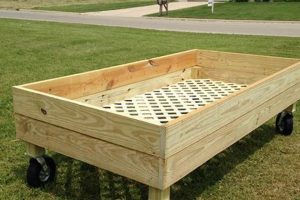
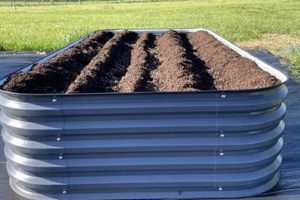
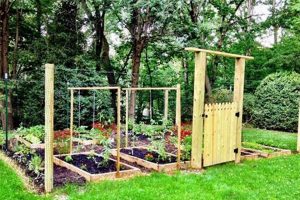
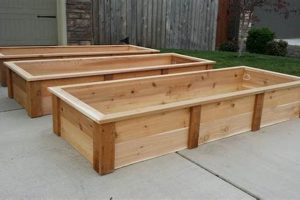
Creating elevated planting structures on an inclined surface presents a solution for gardeners facing uneven terrain. These structures, typically constructed from wood, stone, or other durable materials, provide a level growing area, improving soil drainage and accessibility in locations where natural slopes pose challenges. A terraced arrangement exemplifies this technique, where multiple platforms are established to cultivate plants at varying elevations.
This approach offers several advantages, including enhanced soil management, reduced erosion, and improved aesthetic appeal. Constructing tiered platforms not only maximizes usable growing space but also facilitates better water retention and nutrient distribution, crucial for successful plant development on sloping landscapes. Historically, this method has been employed in agricultural settings to cultivate crops on hillsides, demonstrating its long-standing effectiveness in optimizing land use.
The subsequent discussion will delve into the specific design considerations, construction techniques, and plant selection strategies relevant to implementing effective elevated planting systems on sloping ground. Attention will be given to site preparation, material choices, and irrigation methods to ensure the long-term stability and productivity of these garden features.
Optimizing Elevated Planting Structures on Inclined Terrain
Effective utilization of elevated planting structures on sloping ground necessitates meticulous planning and execution. Adhering to the following guidelines will contribute to a successful and sustainable gardening endeavor.
Tip 1: Site Assessment and Grading: Prior to construction, conduct a comprehensive assessment of the slope’s angle and soil composition. Minor grading may be necessary to establish a stable foundation for the structure. Ensure proper drainage pathways are maintained to prevent water accumulation behind the walls.
Tip 2: Structural Integrity and Material Selection: Choose durable, weather-resistant materials such as treated lumber, stone, or concrete for the bed’s construction. Reinforce the structure adequately to withstand the lateral pressure exerted by the soil. Consider using geo-grid fabric to enhance soil stability, especially on steeper slopes.
Tip 3: Terracing and Leveling: Employ a terraced design to create a series of stepped, level planting surfaces. This approach maximizes usable space and facilitates easier access for maintenance. Accurately level each platform to ensure uniform water distribution and prevent erosion.
Tip 4: Soil Composition and Amendment: Utilize a well-draining soil mix enriched with organic matter. Incorporate amendments such as compost or aged manure to improve soil fertility and water retention. Regular soil testing is recommended to monitor nutrient levels and adjust accordingly.
Tip 5: Irrigation Strategies: Implement an efficient irrigation system that delivers water evenly across the elevated structures. Drip irrigation is particularly effective as it minimizes water waste and reduces the risk of soil erosion. Consider installing a timer to automate the watering process and ensure consistent moisture levels.
Tip 6: Plant Selection Considerations: Choose plant species that are well-suited to the local climate and soil conditions. Consider the slope’s aspect and select plants that can tolerate the available sunlight. Incorporate deep-rooted plants to help stabilize the soil and prevent erosion.
Tip 7: Drainage Solutions: Implement proper drainage strategies within each planting bed. Adding a layer of gravel or pea stone at the bottom of the structure will facilitate water drainage and prevent waterlogged conditions. Regularly inspect and maintain drainage outlets to ensure they remain free of debris.
Careful attention to these critical aspects will enhance the productivity and longevity of elevated planting structures on inclined terrain. By implementing these recommendations, gardeners can overcome the challenges posed by sloping landscapes and cultivate thriving gardens.
The following section will explore specific plant varieties that thrive in elevated environments, providing further guidance for maximizing the potential of these unique gardening systems.
1. Erosion Control

Erosion control is an indispensable element in the design and implementation of elevated planting structures on sloping terrain. The natural tendency of soil to migrate downhill under the influence of gravity and precipitation is exacerbated on inclines. Without adequate preventative measures, this erosion can undermine the structural integrity of the planting beds, leading to their eventual collapse and the loss of valuable topsoil. The primary role of erosion control in this context is to stabilize the soil within the raised beds and prevent its displacement during periods of heavy rainfall or irrigation. For example, consider an unprotected hillside garden; rainfall would quickly erode the soil, carrying away nutrients and undermining plant roots. Elevated planting structures, when properly designed, interrupt this process.
The incorporation of several techniques contributes to effective erosion control. Terracing creates level platforms, reducing the steepness of the slope and minimizing the force of water runoff. Retaining walls, constructed from durable materials like stone or treated lumber, act as barriers, preventing soil slippage and maintaining the bed’s structural integrity. The selection of appropriate plant species, particularly those with extensive root systems, further enhances soil stabilization. These roots bind the soil particles together, increasing their resistance to erosion. Planting ground cover or utilizing mulch also helps reduce the impact of raindrops on the soil surface, minimizing erosion caused by direct rainfall. The Great Wall of China offers an example of a large-scale soil retention system.
Therefore, understanding and implementing effective erosion control strategies is crucial for the long-term success of elevated planting structures on sloping ground. Failure to address this critical aspect can result in significant soil loss, structural damage, and reduced plant productivity. The proactive integration of terracing, retaining walls, appropriate plant selection, and ground cover ensures the stability and sustainability of these garden features, allowing for the successful cultivation of plants on otherwise challenging landscapes.
2. Structural Stability

Structural stability represents a paramount consideration in the design and construction of elevated planting structures on sloping ground. The inherent instability of inclined surfaces necessitates robust construction methods to counteract the forces of gravity, soil pressure, and environmental factors that can compromise the integrity of the garden beds.
- Retaining Wall Design and Material Selection
The selection of appropriate materials and a sound retaining wall design are fundamental to ensuring structural stability. Materials such as treated lumber, stone, or concrete must be capable of withstanding the lateral pressure exerted by the soil behind the wall. The design must incorporate adequate drainage to prevent hydrostatic pressure build-up, which can lead to wall failure. For instance, neglecting proper drainage behind a retaining wall can result in water accumulation, increasing the pressure on the wall and potentially causing it to collapse.
- Foundation and Anchoring
A solid foundation is essential for distributing the weight of the raised bed and preventing settling or shifting. The foundation should be constructed on undisturbed soil or compacted fill, and may require anchoring to the slope using techniques such as buried posts or geogrid reinforcement. Consider the potential for soil creep on steep slopes, and ensure the anchoring system is designed to resist this movement. Improperly prepared foundations result in structural instability.
- Terracing and Slope Reduction
Terracing involves creating a series of stepped, level planting surfaces, effectively reducing the overall slope angle and minimizing the forces acting on individual retaining walls. This approach enhances stability and reduces the risk of erosion. The width of each terrace and the height of the retaining walls should be carefully calculated to ensure structural integrity and prevent slope failure. Level platforms with secure walls that prevent soil erosion are examples of terracing.
- Internal Bracing and Reinforcement
Internal bracing and reinforcement can enhance the structural stability of elevated planting beds, particularly those constructed from less rigid materials like timber. Cross-ties, buttresses, and metal reinforcement can be used to distribute stress and prevent the walls from bowing or collapsing. The placement and spacing of these elements should be carefully considered to maximize their effectiveness. Without internal bracing, larger timber structures would be more vulnerable to bowing.
Neglecting any of these facets of structural stability can lead to premature failure of the elevated planting structures, resulting in significant material and labor costs. Therefore, a comprehensive understanding of soil mechanics, structural engineering principles, and appropriate construction techniques is crucial for ensuring the long-term viability and functionality of these garden features on sloping terrain. Comparing successful and poorly designed structure show the benefit of these considerations.
3. Drainage Management

Effective drainage management is a critical component in the successful implementation of elevated planting structures on inclined terrain. The inherent challenge presented by slopes is the concentration of water flow due to gravity. If drainage is not adequately addressed, excess water can accumulate within the raised beds, leading to waterlogged soil conditions. This, in turn, deprives plant roots of oxygen, increasing the risk of root rot and hindering overall plant growth. The relationship is causal: poorly managed drainage directly results in detrimental soil conditions that impede plant health and productivity. Conversely, well-designed drainage systems mitigate these risks, promoting optimal soil moisture levels essential for plant development. An example is a hillside garden lacking adequate drainage, where prolonged rainfall saturates the soil, leading to the decline and eventual death of susceptible plant species.
Proper drainage management strategies encompass several key elements. The selection of a well-draining soil mix is paramount, ensuring that excess water can percolate through the soil profile and escape from the planting bed. The installation of drainage layers, such as gravel or pea stone, at the base of the raised bed facilitates water movement and prevents soil saturation. Additionally, the construction of drainage outlets or weep holes in the retaining walls allows excess water to escape, preventing hydrostatic pressure from building up behind the walls. Drip irrigation systems further aid in drainage management by delivering water directly to the plant roots, minimizing surface runoff and reducing the risk of waterlogging. Imagine a well-drained elevated bed, with the right soil mix and weep holes, enabling even the rainiest conditions without waterlogging the soil.
In summary, drainage management is not merely an ancillary consideration but an integral aspect of creating thriving elevated planting structures on slopes. By proactively addressing drainage challenges through appropriate soil selection, drainage layer installation, and outlet construction, gardeners can create optimal growing conditions and ensure the long-term success of their hillside gardens. The absence of effective drainage management negates the benefits of other meticulous planning and careful construction in raised garden beds on slopes. The presence of the correct drainage in a raised garden beds on slopes ensures proper growth.
4. Accessibility
In the context of inclined terrains, accessibility becomes a pivotal design factor for elevated planting structures. The ease with which individuals can interact with and maintain these gardens directly impacts their long-term usability and enjoyment. Therefore, careful consideration must be given to accessibility during the planning and construction phases to ensure that the elevated beds are readily available to all individuals, regardless of their physical abilities.
- Height and Reach
The height of the raised beds directly influences accessibility. Beds that are too low may require excessive bending or kneeling, posing challenges for individuals with limited mobility. Conversely, beds that are excessively high may be difficult to reach for some gardeners. An optimal height should be determined based on the anticipated users, allowing for comfortable planting, weeding, and harvesting. An example is adjusting height based on a wheelchair for wheelchair users.
- Pathways and Circulation
Clear and unobstructed pathways are essential for accessing the raised beds. These pathways should be wide enough to accommodate wheelchairs or other mobility aids, and should be constructed from stable, non-slip materials. Consider incorporating ramps or gentle slopes to overcome elevation changes. For example, ensure there are appropriate paths that are neither steep or uneven for everyone to walk on.
- Spacing and Layout
The spacing between raised beds influences maneuverability and accessibility. Sufficient space should be provided to allow individuals to move freely around the beds without obstruction. The layout of the beds should be carefully planned to maximize accessibility and minimize unnecessary travel distances. Spacing is important so people do not trip between beds.
- Adaptive Tools and Techniques
Adaptive tools and gardening techniques can enhance accessibility for individuals with physical limitations. Long-handled tools, ergonomic grips, and specialized supports can make gardening tasks easier and more comfortable. Consider incorporating adaptive gardening techniques such as using self-watering containers or vertical gardening systems. These can both facilitate easy access for the users.
By incorporating these accessibility considerations into the design of elevated planting structures on slopes, it becomes possible to create gardens that are inclusive and enjoyable for all individuals. These adjustments are crucial so everyone can reap the benefits of gardening, irrespective of their physical abilities. The increased ease of use promotes long-term engagement and ensures that the benefits of gardening are available to a wider range of people.
5. Soil Retention
The connection between soil retention and elevated planting structures on sloping ground is fundamental to the functionality and longevity of these garden features. On an incline, gravity exerts a constant force on the soil, leading to erosion and slippage. Without adequate soil retention measures, the soil within a raised bed will gradually migrate downhill, destabilizing the structure and rendering it unsuitable for cultivation. Therefore, effective soil retention is not merely a desirable attribute but an indispensable component of any successful elevated planting system on a slope. The construction of retaining walls from materials like treated lumber, stone, or concrete is a primary strategy for preventing soil movement. These walls act as barriers, resisting the lateral pressure of the soil and maintaining its position within the bed. Furthermore, the integration of terracing, where the slope is divided into a series of level platforms, reduces the overall gradient and minimizes the potential for erosion. An example of this is how farmers in the Andes Mountains build and secure terraces.
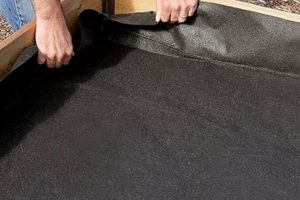
Beyond physical barriers, the careful selection of plant species plays a vital role in soil retention. Plants with extensive root systems act as natural anchors, binding the soil particles together and increasing their resistance to erosion. Ground cover plants provide a protective layer on the soil surface, reducing the impact of rainfall and minimizing surface runoff. For instance, planting deep rooted shrubbery in a garden can help to stop soil from moving. Techniques such as adding organic matter to the soil also enhance its ability to retain water and resist erosion. Organic matter improves soil structure, increasing its porosity and water-holding capacity, which in turn reduces the likelihood of soil displacement. Erosion control fabrics can be incorporated to stabilize slopes.
In conclusion, soil retention is an essential element for the successful establishment and maintenance of elevated planting structures on sloping terrain. Failure to address this critical aspect can result in soil loss, structural damage, and reduced plant productivity. The proactive integration of retaining walls, terracing, appropriate plant selection, and soil amendment techniques ensures the stability and sustainability of these garden features, allowing for the successful cultivation of plants on challenging landscapes. Proper implementation of these elements ensures soil security and the garden’s long-term viability.
6. Terraced Design
Terraced design represents a fundamental strategy for adapting sloping landscapes to accommodate elevated planting structures. By converting a continuous slope into a series of level platforms, this approach mitigates erosion, enhances accessibility, and optimizes growing conditions, thereby facilitating the successful cultivation of plants on otherwise challenging terrain.
- Slope Stabilization
Terraced designs effectively stabilize slopes by reducing the angle of inclination and minimizing the direct force of gravity acting on the soil. Each level platform is retained by a wall or embankment, preventing soil slippage and erosion. Vineyards on steep hillsides exemplify this principle, where terracing creates stable planting surfaces and prevents topsoil loss during rainfall.
- Water Management
Terracing influences water management by controlling runoff and improving water infiltration. The level platforms slow the flow of water, allowing it to percolate into the soil rather than running off and causing erosion. Furthermore, terraces can be designed to incorporate drainage systems that collect and redirect excess water, preventing waterlogging. Rice paddies, frequently constructed on terraced landscapes, illustrate the ability of terracing to manage water resources effectively.
- Enhanced Accessibility
Terraced designs improve accessibility by creating level surfaces for planting, maintenance, and harvesting. The steps or pathways between terraces provide convenient access to different areas of the garden, making it easier for individuals with limited mobility to participate in gardening activities. The terraced gardens of Machu Picchu demonstrate how this design facilitates access to cultivation areas on steep slopes.
- Microclimate Modification
Terracing can modify the microclimate of a garden by creating sheltered areas that are protected from wind and direct sunlight. The retaining walls or embankments can provide shade and reduce wind exposure, creating more favorable growing conditions for certain plant species. South-facing terraces, for instance, can capture and retain solar heat, extending the growing season in cooler climates.
In summation, terraced design offers a comprehensive solution for establishing functional and aesthetically pleasing elevated planting structures on sloping landscapes. By addressing erosion, water management, accessibility, and microclimate considerations, this approach transforms challenging terrain into productive and sustainable garden spaces, maximizing the potential for plant cultivation in otherwise unsuitable environments.
Frequently Asked Questions
The following section addresses common inquiries regarding the design, construction, and maintenance of elevated planting structures on sloping ground. The information provided aims to clarify key considerations and dispel potential misconceptions.
Question 1: What constitutes the primary advantage of employing elevated planting structures on a sloped landscape?
The primary advantage lies in the creation of level planting surfaces on otherwise unusable terrain. This facilitates improved drainage, accessibility, and soil management, enhancing the overall productivity of the garden.
Question 2: Which materials exhibit the most suitable characteristics for constructing retaining walls in such a system?
Durable, weather-resistant materials such as treated lumber, natural stone, and concrete are generally preferred. Material selection should prioritize structural integrity and longevity in the face of environmental factors.
Question 3: How does terracing contribute to the stability of elevated planting structures on a slope?
Terracing reduces the overall slope angle, minimizing the gravitational forces acting on the soil. This, in turn, lessens the risk of erosion and slope failure, contributing to the long-term stability of the garden.
Question 4: What constitutes an effective strategy for managing drainage within elevated planting beds on an incline?
An effective strategy includes utilizing well-draining soil mixes, installing drainage layers at the base of the beds, and incorporating weep holes in the retaining walls to facilitate water runoff and prevent waterlogging.
Question 5: What plant species are best suited for cultivation in elevated planting structures on sloping ground?
Plant selection should prioritize species adapted to well-drained soil conditions and capable of tolerating varying sunlight exposures. Deep-rooted plants contribute to soil stabilization and erosion control.
Question 6: What maintenance practices are essential for ensuring the long-term viability of elevated planting structures on a slope?
Regular maintenance includes inspecting retaining walls for structural integrity, monitoring drainage systems for clogs, amending soil as needed, and controlling erosion through appropriate plant selection and mulching.
The key takeaways emphasize the importance of proper planning, material selection, construction techniques, and ongoing maintenance in creating successful and sustainable elevated planting structures on sloping terrain. Overlooking these aspects can compromise the structural integrity and productivity of the garden.
The subsequent section will provide a concluding summary, highlighting the main points discussed and offering final recommendations for those considering this gardening approach.
Conclusion
This exploration has underscored the crucial considerations for establishing viable elevated planting systems on sloping ground. From the essential structural integrity provided by retaining walls and terracing to the critical need for effective drainage management and soil retention, the success of these gardens hinges on meticulous planning and execution. The selection of appropriate materials, plant species, and construction techniques directly impacts the long-term stability and productivity of these systems. Furthermore, accessibility considerations ensure that these gardens can be enjoyed and maintained by a diverse range of individuals.
The implementation of elevated planting beds on inclined terrain represents a significant investment in both resources and effort. Therefore, prospective gardeners are urged to approach this endeavor with a comprehensive understanding of the challenges and opportunities involved. A well-informed and diligent approach will yield not only a functional and aesthetically pleasing garden but also a valuable contribution to sustainable land management and resource utilization. The informed and strategic application of these principles provides the best opportunity for success in this challenging yet rewarding endeavor.