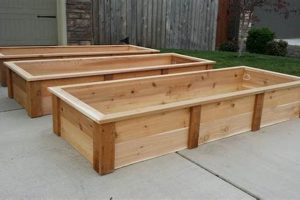
An apparatus designed to deliver moisture to plants cultivated within an elevated planting structure is crucial for optimal growth. This setup may incorporate various technologies, from simple gravity-fed reservoirs to sophisticated automated irrigation controllers, ensuring that water reaches the root zone effectively. For instance, a system might employ drip lines strategically placed along rows of vegetables in a raised bed, providing a consistent and localized supply of hydration.
The implementation of such a method offers numerous advantages, including water conservation, reduced weed growth, and minimized risk of foliar diseases. Historically, elevated planting has been practiced to improve soil drainage and accessibility. Coupling this technique with controlled irrigation enables cultivators to optimize growing conditions, leading to increased yields and improved plant health. Furthermore, it allows for efficient resource management, especially in regions with water scarcity.
The subsequent discussion will delve into the specific components, installation techniques, and maintenance practices associated with efficient methods of providing hydration to plants in an elevated garden environment. The focus will be on practical considerations for designing and implementing a suitable solution, maximizing efficiency and minimizing environmental impact.
Essential Considerations for Effective Plant Hydration in Elevated Gardens
Optimizing moisture delivery is critical for the success of any elevated garden. Careful planning and execution are essential. The following tips offer guidance for maximizing effectiveness and efficiency.
Tip 1: Prioritize Drip Irrigation. Drip irrigation delivers water directly to the root zone, minimizing water loss through evaporation and reducing weed growth. Implement a system that allows for adjustable flow rates to accommodate varying plant needs.
Tip 2: Incorporate a Timer. An automated timer ensures consistent watering schedules, even during periods of absence. Select a timer with multiple programs to cater to different plant varieties and seasonal changes.
Tip 3: Utilize a Pressure Regulator. Maintaining consistent water pressure is vital for uniform delivery throughout the system. A pressure regulator prevents damage to the lines and ensures that each emitter functions correctly.
Tip 4: Consider Water Source Quality. Test the water source for pH levels and mineral content. High levels of certain minerals can clog emitters and affect plant health. Filtration may be required.
Tip 5: Choose Appropriate Emitters. The selection of emitters should correspond to the specific water requirements of the plants being grown. Consider factors such as flow rate, spray pattern, and adjustability.
Tip 6: Regularly Inspect and Maintain the System. Routine inspections can identify leaks, clogs, and other issues that can compromise performance. Flush the system periodically to remove debris and prevent buildup.
Tip 7: Optimize Watering Schedules Based on Weather Conditions. Adjust irrigation schedules based on rainfall and temperature fluctuations. Overwatering can lead to root rot and other problems. Utilize a soil moisture sensor for accurate feedback.
Applying these principles will promote healthy plant growth, conserve water resources, and minimize the need for manual intervention. Proper planning and diligent maintenance are the cornerstones of a successful strategy.
The subsequent section will provide a comprehensive overview of the design and implementation process, focusing on practical strategies for achieving optimal plant health and efficient resource management.
1. System Design

The configuration of a water delivery apparatus within an elevated planting structure is paramount to achieving efficient irrigation and optimal plant health. A well-conceived design minimizes water waste, reduces labor requirements, and promotes uniform moisture distribution across the growing area.
- Layout and Plant Arrangement
The physical arrangement of the planting structure dictates the placement of irrigation lines and emitters. Consider plant spacing, mature size, and individual water requirements when determining the optimal layout. For example, a linear arrangement of vegetables might benefit from a single drip line running along the row, while a more densely planted bed may necessitate a grid-like distribution network.
- Water Source Connection and Pressure Regulation
The connection point to the primary water source directly impacts the design of the overall system. Available water pressure must be assessed and regulated to ensure consistent flow rates at the emitters. Incorporating a pressure regulator is essential to prevent damage to the irrigation lines and maintain uniform water distribution, regardless of fluctuations in the main water supply.
- Emitter Selection and Placement
The type of emitter chosen significantly affects water delivery. Drip emitters provide localized, slow-release hydration, ideal for water conservation and minimizing foliar diseases. Sprinklers, on the other hand, distribute water over a broader area but may be less efficient due to evaporation. The placement of emitters must coincide with the root zones of the plants being cultivated, ensuring that water is delivered directly where it is needed most.
- Filtration and Backflow Prevention
A properly designed apparatus incorporates filtration to remove particulate matter from the water source, preventing clogging of the emitters. Backflow prevention devices are also critical to protect the potable water supply from contamination, ensuring compliance with local regulations and safeguarding public health. The complexity of the filtration and backflow prevention measures will depend on the source and quality of the water being used.
These design considerations collectively determine the effectiveness and longevity of a water system for an elevated garden. Integrating these principles, tailoring the system to the specific needs of the plants and the growing environment, will maximize yields and minimize resource consumption.
2. Water Source

The water source forms the foundational element of any functioning apparatus designed to irrigate an elevated garden. Its quality, availability, and delivery pressure exert significant influence on the overall effectiveness and longevity of the hydration solution. The selection of an appropriate water source is not merely a matter of convenience but a critical decision that impacts plant health, water conservation, and operational costs. For example, using untreated well water with high mineral content can lead to emitter clogging and altered soil pH, negatively affecting plant growth, while a municipal supply, though generally of higher quality, may be subject to usage restrictions and associated fees.
Effective management of the water source involves understanding its characteristics and implementing appropriate pre-treatment measures. For instance, rainwater harvesting, while environmentally sustainable, requires filtration to remove debris and prevent bacterial contamination. Similarly, using recycled greywater necessitates rigorous treatment protocols to eliminate pathogens and harmful chemicals. Furthermore, the water source’s pressure must be compatible with the irrigation system’s requirements. Insufficient pressure may result in uneven water distribution, while excessive pressure can damage components and lead to water wastage. Real-world examples include farmers using pressure-reducing valves to adapt high-pressure municipal water supplies for low-pressure drip irrigation in their elevated beds.
In conclusion, the connection between the water source and the elevated garden hydration apparatus is one of direct dependence and interdependence. Understanding the nuances of this relationship, from source quality to pressure considerations, is essential for maximizing the benefits of elevated gardening. Challenges such as water scarcity and increasing water costs necessitate careful evaluation of alternative sources and efficient management practices, ensuring sustainable and productive elevated gardens.
3. Component Selection
Component selection is a critical determinant of the overall efficacy and longevity of any apparatus designed for hydrating an elevated planting area. Each element, from the water source connection to the terminal emitter, contributes uniquely to the system’s performance. A mismatch between components, or the use of substandard materials, can precipitate a cascade of negative effects, including reduced water efficiency, increased maintenance demands, and compromised plant health. For instance, employing thin-walled PVC pipes in a system subjected to high water pressure can lead to ruptures and leaks, necessitating frequent repairs and wasting valuable resources. Similarly, choosing emitters with inadequate filtration can result in clogging, leading to uneven water distribution and nutrient deficiencies within the bed.
The selection process should be guided by a thorough assessment of the elevated garden’s specific requirements. Factors such as the size of the bed, the types of plants being cultivated, the available water pressure, and the prevailing environmental conditions all play a role in determining the appropriate components. For example, a small bed containing drought-tolerant herbs may only require a simple gravity-fed system with low-flow emitters, while a larger bed growing water-intensive vegetables may necessitate a more complex system with a pressurized pump, timer, and multiple distribution lines. Furthermore, the durability and material composition of the components must be considered to ensure resistance to corrosion, UV degradation, and other environmental stressors. Brass fittings, for instance, offer superior corrosion resistance compared to their plastic counterparts, extending the lifespan of the apparatus in harsh outdoor settings.
In summary, component selection is not merely a perfunctory step in establishing an irrigation apparatus; it is a strategic decision that directly influences the system’s operational efficiency, water conservation potential, and the overall health of the plants. By carefully evaluating the specific needs of the elevated garden and selecting components that are both compatible and durable, cultivators can ensure a reliable and sustainable hydration solution. The economic and environmental benefits of thoughtful component selection far outweigh the initial investment in higher-quality materials and design expertise.
4. Automation needs

The integration of automated processes in elevated garden watering apparatuses directly influences resource efficiency and plant vigor. Automation addresses temporal inconsistencies in manual watering, enabling precise and timely moisture delivery tailored to specific plant requirements.
- Soil Moisture Sensors
These devices provide real-time feedback on soil hydration levels, triggering irrigation cycles only when necessary. For instance, a sensor embedded within a tomato plant’s root zone can detect when the soil moisture falls below a predetermined threshold, activating a drip irrigation system to replenish the water supply. This prevents overwatering, which can lead to root rot, and underwatering, which can stunt growth.
- Smart Irrigation Controllers
These controllers use weather data, plant type, and soil conditions to optimize watering schedules. A smart controller may access local weather forecasts to predict rainfall and adjust irrigation accordingly, preventing unnecessary watering during periods of precipitation. Some models also learn from past performance, adapting their watering patterns over time to maximize efficiency.
- Automated Dosing Systems
These systems precisely deliver liquid fertilizers or other amendments directly into the water stream. This ensures consistent nutrient delivery, promoting healthy plant growth and minimizing waste. For example, a system could automatically add a diluted solution of seaweed extract to the irrigation water, providing essential micronutrients to the plants without requiring manual application.
- Remote Monitoring and Control
Remote access facilitates the monitoring and adjustment of apparatus parameters from any location via a smartphone or computer. This is particularly useful for individuals who travel frequently or have limited mobility. Through a mobile app, a user can check soil moisture levels, adjust watering schedules, and even diagnose potential problems with the irrigation system.
The implementation of automated technologies within a raised garden bed watering system enhances operational efficiency and promotes sustainable water usage. The initial investment in such systems can be offset by the long-term benefits of reduced water consumption, improved plant health, and minimized labor requirements. Integrating automated components into the apparatuses is not merely a matter of convenience but a strategic approach to optimizing resource utilization and cultivating thriving elevated gardens.
5. Maintenance schedule

A structured maintenance schedule is indispensable for sustained performance of any irrigation apparatus used within an elevated garden bed. Lack of regular upkeep directly precipitates diminished functionality, resulting in water wastage, compromised plant health, and potential system failure. For instance, neglecting to flush drip lines periodically leads to mineral deposit accumulation, obstructing water flow and causing uneven irrigation. This directly affects plant nutrient uptake and yield. The effect is not merely cosmetic; it directly undermines the system’s efficiency and the garden’s productivity. Regular inspection of couplings, pipes, and emitters forms an essential component of any effective maintenance schedule, identifying leaks and preventing larger, more costly repairs.
Consider a scenario involving an elevated garden utilizing a timer-controlled drip system. Without a scheduled check, a minor rodent gnawing at a primary distribution line could go unnoticed, resulting in a substantial water leak. Over time, this seemingly small issue could not only deplete water resources but also saturate the surrounding soil, promoting fungal diseases that can devastate the entire planting. A practical approach to maintenance involves developing a calendar-based system, detailing tasks such as filter cleaning, pressure gauge calibration, and emitter replacement at specified intervals. Consistent adherence to this schedule ensures optimal system operation and prevents the accumulation of minor problems into significant disruptions.
In summary, the connection between a maintenance schedule and the efficient operation of elevated garden bed water systems is direct and crucial. A well-defined schedule mitigates the risks of component failure, water wastage, and plant health decline. Furthermore, consistent maintenance optimizes system performance over time, reducing the need for costly repairs and ensuring the sustained productivity of the garden. The integration of a robust maintenance protocol should be viewed as an essential investment, not an optional expense, for any successful elevated gardening endeavor.
Frequently Asked Questions
The following addresses common inquiries regarding systems designed to deliver moisture to plants cultivated within elevated planting structures. The objective is to clarify fundamental aspects, ensuring optimal utilization and maintenance.
Question 1: What are the primary benefits of utilizing a dedicated hydration apparatus within an elevated planting structure?
Dedicated apparatuses offer improved water efficiency, reduced weed growth due to targeted irrigation, and decreased risk of foliar diseases by minimizing leaf wetting. Furthermore, such systems facilitate precise control over water delivery, optimizing plant health and productivity.
Question 2: What types of apparatuses are suitable for elevated planting environments?
Drip irrigation systems, soaker hoses, and micro-sprinklers are commonly employed. The selection depends on the specific plant requirements, the size of the bed, and the available water pressure. Drip irrigation is particularly effective for row crops, while micro-sprinklers may be more appropriate for densely planted areas.
Question 3: How often should watering be conducted when utilizing a dedicated hydration apparatus?
Watering frequency is contingent upon environmental factors such as temperature, humidity, and rainfall, as well as plant-specific needs and soil type. Monitoring soil moisture levels and observing plant turgor pressure provide valuable insights for determining appropriate watering intervals.
Question 4: What are the common causes of malfunction in these apparatuses, and how can they be prevented?
Clogging of emitters due to mineral buildup or particulate matter is a frequent issue. Implementing a filtration system and regularly flushing the lines can mitigate this problem. Additionally, inspect tubing for leaks or damage caused by pests or environmental factors, and promptly replace any compromised components.
Question 5: Is it possible to automate an irrigation apparatus for an elevated planting structure?
Automation is indeed feasible and often desirable for optimizing water usage and reducing labor. Timers and soil moisture sensors can be integrated to regulate watering schedules based on pre-determined parameters or real-time conditions.
Question 6: Are there specific considerations for utilizing rainwater harvesting as a water source for an elevated garden apparatus?
Rainwater harvesting necessitates filtration to remove debris and potential contaminants. A storage tank is required to ensure a consistent water supply, and measures should be taken to prevent mosquito breeding within the tank. Water quality testing is also recommended to ensure suitability for irrigation.
Proper management and regular maintenance of the apparatus are crucial for ensuring its long-term functionality and maximizing its benefits.
The next segment will discuss troubleshooting common issues encountered with plant hydration in these specialized gardening spaces.
Conclusion
The exploration of a raised garden bed water system has underscored its critical role in successful elevated cultivation. The discussion encompassed design considerations, water source management, component selection, automation integration, and diligent maintenance practices. Each element significantly impacts the overall efficiency and effectiveness of the apparatus, thereby influencing plant health and resource utilization. The implementation of optimized watering methods, therefore, represents a substantial investment in sustainable gardening practices.
The insights presented should encourage cultivators to approach elevated planting with a focus on informed decision-making and proactive maintenance. By prioritizing efficient hydration strategies, individuals can foster thriving gardens while minimizing environmental impact. Further research and technological advancements in this domain hold the promise of even more sustainable and productive elevated cultivation methods in the future.