![Protect & Seal: Best Raised Garden Bed Sealers [Guide]](data:image/svg+xml;base64,PHN2ZyB4bWxucz0iaHR0cDovL3d3dy53My5vcmcvMjAwMC9zdmciIHdpZHRoPSI0NzQiIGhlaWdodD0iMTAwIiB2aWV3Qm94PSIwIDAgNDc0IDEwMCI+PHJlY3Qgd2lkdGg9IjEwMCUiIGhlaWdodD0iMTAwJSIgc3R5bGU9ImZpbGw6I2NmZDRkYjtmaWxsLW9wYWNpdHk6IDAuMTsiLz48L3N2Zz4= "Protect & Seal: Best Raised Garden Bed Sealers [Guide] The Ultimate Gardening Guide: Grow a Thriving Garden Year-Round")
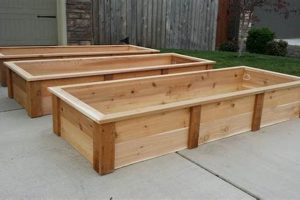
A substance applied to the interior surfaces of elevated planting structures is designed to protect the construction materials from moisture damage and degradation caused by constant contact with soil and water. For example, a coating might be applied to the wood of a raised garden bed to extend its lifespan and prevent rot.
Protecting the structural integrity of these planting containers is vital for long-term gardening success. Untreated materials are vulnerable to decay, leading to structural failure and the leaching of potentially harmful chemicals into the soil. The application of a protective barrier significantly increases the durability of the garden bed, reducing maintenance costs and ensuring a safe environment for plant growth. Historically, various methods, including tar and linseed oil, were employed for this purpose, evolving into modern, specialized products.
The following sections will detail the types of protective coatings available, application techniques, and considerations for selecting the appropriate product to ensure optimal performance and longevity for your elevated planting structure.
Application Guidance for Protective Coatings
Ensuring the proper application of a protective substance is crucial for maximizing its effectiveness and extending the lifespan of raised garden beds. Adherence to the following guidelines will optimize performance.
Tip 1: Surface Preparation. Thoroughly clean and dry all surfaces before application. Remove any loose debris, dirt, or existing coatings. A clean, dry surface promotes optimal adhesion and prevents the trapping of moisture that could accelerate decay.
Tip 2: Product Selection. Choose a coating specifically formulated for use in garden environments. Opt for products that are non-toxic, food-safe, and resistant to water damage, UV exposure, and fungal growth. Review the product specifications to ensure compatibility with the construction material.
Tip 3: Application Method. Apply the coating evenly using a brush, roller, or sprayer, following the manufacturers instructions regarding the number of coats and drying time between applications. Uneven application can lead to inconsistent protection and premature failure in certain areas.
Tip 4: Environmental Conditions. Avoid applying the coating in direct sunlight or during periods of high humidity. Ideal conditions typically involve moderate temperatures and low humidity to facilitate proper curing and prevent blistering or cracking.
Tip 5: Edge Sealing. Pay particular attention to edges and corners, as these areas are most susceptible to moisture penetration. Apply additional coats to these areas to provide enhanced protection against water intrusion.
Tip 6: Curing Time. Allow the coating to fully cure before filling the raised garden bed with soil. Premature exposure to moisture can compromise the effectiveness of the protective barrier and reduce its lifespan.
Tip 7: Regular Inspection. Periodically inspect the coating for signs of wear or damage. Address any issues promptly by reapplying the coating to maintain continuous protection.
Adhering to these recommendations ensures the protective barrier effectively shields the planting structure from environmental stressors, thereby prolonging its service life and fostering optimal plant health.
The subsequent sections will provide further insights into the different types of coatings and address common concerns regarding their application and maintenance.
1. Water Resistance

Water resistance is a fundamental property of effective protective coatings for elevated planting structures. The primary function of such a coating is to shield the construction material, typically wood, from prolonged exposure to moisture. Constant contact with damp soil and irrigation water accelerates the decay process in untreated wood, leading to structural weakening and a significantly reduced lifespan of the garden bed. A protective coating that exhibits high water resistance effectively prevents water penetration, mitigating the risk of rot, fungal growth, and subsequent structural damage. For example, without adequate water resistance, wood can absorb moisture like a sponge, creating an ideal environment for decomposition.
The effectiveness of water resistance is directly proportional to the longevity of the raised garden bed. Coatings that create a durable, impermeable barrier against water ingress prolong the lifespan of the structure. This reduces the need for frequent repairs or replacements, translating to cost savings and reduced resource consumption. Moreover, water resistance plays a crucial role in preventing the leaching of potentially harmful chemicals from treated wood into the soil. Preservatives used in some wood types can contaminate the soil and potentially affect plant health if not properly contained. A high-quality, water-resistant coating acts as a barrier, minimizing this risk.
In summary, water resistance is not merely a desirable attribute but an essential requirement for any protective coating intended for raised garden beds. It directly impacts the structural integrity, longevity, and environmental safety of the planting structure. Selecting a product with proven water-resistant properties is paramount for ensuring the long-term health and productivity of the garden. Failure to prioritize water resistance will inevitably lead to premature degradation and necessitate costly interventions.
2. Material Compatibility

Material compatibility is a critical determinant of a protective coatings efficacy on elevated planting structures. The interaction between the coating and the construction material dictates the coatings ability to properly adhere, maintain its integrity, and provide long-term protection. An incompatible coating may fail to bond adequately, resulting in peeling, cracking, or blistering, thereby compromising its barrier function. This incompatibility can arise from differing chemical properties, surface textures, or expansion/contraction rates between the coating and the material to which it is applied. For instance, an oil-based product applied to pressure-treated lumber may not adhere effectively due to the moisture content and chemical preservatives present in the wood.
Failure to consider material compatibility can lead to significant financial and environmental consequences. A prematurely failing coating necessitates reapplication, increasing material and labor costs. Furthermore, delamination or degradation of the coating can introduce harmful chemicals into the soil, potentially affecting plant health and soil composition. Conversely, a well-matched coating forms a durable, lasting barrier, extending the lifespan of the raised garden bed and minimizing the risk of soil contamination. A real-world example is the use of latex-based products on untreated cedar; the porous nature of cedar allows for good penetration and adhesion of the latex, creating a flexible and protective layer.
In summary, understanding and prioritizing material compatibility when selecting a protective coating is paramount for ensuring the long-term structural integrity and environmental safety of raised garden beds. Careful consideration of the construction materials properties and the coatings composition will mitigate the risk of premature failure and maximize the benefits of the protective application. Neglecting this crucial aspect undermines the entire purpose of the coating, potentially leading to costly repairs and unintended environmental harm.
3. Non-Toxicity
The selection of a protective coating for raised garden beds necessitates a rigorous evaluation of its potential toxicity. Given the direct contact between the treated structure, the soil, and cultivated plants, the chemical composition of the coating must be scrutinized to prevent contamination and ensure the safety of the edible harvest.
- Absence of Harmful Chemicals
Effective protective substances should be free from volatile organic compounds (VOCs), heavy metals, and other substances known to be detrimental to human health or plant growth. The presence of such chemicals can lead to soil contamination, uptake by plants, and subsequent ingestion by consumers. For example, coatings containing lead or chromium pose significant risks and should be avoided.
- Food-Safe Certification
Products certified as food-safe have undergone testing to ensure they do not leach harmful substances into the soil. These certifications, typically provided by independent organizations, offer a level of assurance regarding the coatings suitability for use in edible gardens. However, it is prudent to review the specific testing standards employed to ascertain their relevance to the intended application.
- Environmental Impact
The life cycle of a protective coating, including its production, application, and eventual disposal, should minimize environmental harm. Opting for water-based products or those derived from renewable resources can reduce the carbon footprint and minimize the release of pollutants into the environment. Consider the potential impact on soil microorganisms and beneficial insects.
- Long-Term Stability
The chemical stability of the coating over time is essential to prevent degradation and the release of harmful byproducts. Exposure to sunlight, moisture, and soil microorganisms can break down some coatings, leading to the leaching of undesirable substances. Selecting a product formulated for long-term stability is crucial for maintaining a safe growing environment.
The multifaceted nature of non-toxicity requires a comprehensive approach, extending beyond simply avoiding overtly hazardous ingredients. A thorough evaluation of the coatings chemical composition, environmental impact, and long-term stability is paramount to ensuring the safety and sustainability of raised garden beds. Failing to prioritize non-toxicity can have detrimental consequences for both human health and the integrity of the ecosystem.
4. Application Method

The manner in which a protective coating is applied to a raised garden bed significantly impacts its performance and longevity. Proper application ensures uniform coverage, optimal adhesion, and the prevention of defects that could compromise the protective barrier.
- Surface Preparation
Thorough surface preparation is a prerequisite for successful coating application. This includes cleaning to remove dirt, debris, and existing finishes, as well as sanding to create a suitable texture for adhesion. Failure to adequately prepare the surface can result in poor bonding and premature failure of the coating. For instance, applying a coating to a surface contaminated with mildew will inhibit adhesion and allow the mildew to continue to degrade the wood beneath the coating.
- Environmental Conditions
Ambient temperature and humidity levels during application influence the coatings curing process and final properties. Applying coatings in extreme temperatures or high humidity can lead to improper drying, blistering, or cracking. Most coatings have specific temperature and humidity ranges recommended by the manufacturer that should be strictly adhered to. For example, applying a water-based coating in freezing temperatures will prevent proper film formation.
- Application Techniques
The choice of application technique, whether brushing, rolling, or spraying, affects the thickness, uniformity, and finish of the coating. Each technique has its advantages and disadvantages, depending on the type of coating and the complexity of the surface. Spraying, for example, generally provides a more uniform coating on intricate surfaces but requires more specialized equipment and skill. Brush application, on the other hand, is more accessible but may result in brush strokes if not done carefully.
- Curing and Drying Time
Allowing sufficient curing and drying time, as specified by the manufacturer, is crucial for the coating to achieve its optimal protective properties. Premature exposure to moisture or soil can disrupt the curing process and weaken the protective barrier. Depending on the product and environmental conditions, curing times can range from several hours to several days. A failure to allow adequate curing may result in a soft and easily damaged coating.
Effective application is not merely a procedural step but an integral factor in maximizing the protective benefits of any coating intended for raised garden beds. Adherence to best practices in surface preparation, environmental control, application technique, and curing ensures that the coating performs as intended, prolonging the life of the garden bed and safeguarding the growing environment. Inadequate application, conversely, can negate the advantages of even the highest-quality coating.
5. Longevity
The lifespan of a raised garden bed is directly correlated with the effectiveness of the protective coating applied. Degradation of untreated materials, primarily wood, occurs due to continuous exposure to moisture, soil organisms, and temperature fluctuations. A protective substance mitigates these factors, thereby extending the functional period of the structure. For instance, a properly applied sealant prevents water absorption, inhibiting fungal growth and reducing the likelihood of rot. The choice of substance, its application method, and subsequent maintenance all contribute to the duration of its protective capabilities and, consequently, the lifespan of the garden bed itself. Without a suitable protective measure, a wooden garden bed may only last a few seasons, whereas a well-maintained, properly coated bed can endure for a decade or more.
The practical significance of understanding this relationship lies in cost savings and resource conservation. Frequent replacement of garden beds due to premature failure incurs expenses for materials and labor. Moreover, the disposal of decayed wood contributes to environmental waste. Selecting a durable coating, formulated for long-term performance, reduces the frequency of replacement, thereby minimizing both financial and ecological burdens. Consider the scenario of a community garden; investing in high-quality protective measures upfront translates to lower maintenance costs and a more sustainable gardening practice over time. This necessitates informed decision-making regarding coating selection, application, and ongoing maintenance protocols.
In summary, the longevity of raised garden beds is intrinsically linked to the protective measures employed. Effective coatings act as a barrier against environmental stressors, prolonging the lifespan of the structure and reducing the need for frequent replacements. This understanding underscores the importance of careful selection, proper application, and consistent maintenance to maximize the benefits of the protective measure, ultimately contributing to sustainable gardening practices and cost-effective resource management. The primary challenge remains in balancing the initial investment in a high-quality product with the long-term savings and environmental benefits it provides.
Frequently Asked Questions
This section addresses common inquiries regarding the selection, application, and maintenance of protective coatings designed to extend the lifespan of elevated planting structures.
Question 1: What constitutes a “food-safe” protective coating for raised garden beds?
A “food-safe” designation indicates that a product has been independently tested and certified to not leach harmful chemicals into the soil in concentrations that could pose a risk to human health or plant growth. Certifications from organizations such as NSF International provide assurance of compliance with specific safety standards.
Question 2: How frequently should a protective coating be reapplied to a raised garden bed?
Reapplication frequency depends on the type of coating, environmental conditions, and the level of wear and tear. Regularly inspect the coating for signs of cracking, peeling, or fading. A general guideline is to reapply every one to three years, or as recommended by the manufacturer.
Question 3: Can previously painted or treated wood be effectively sealed for use in a raised garden bed?
The feasibility of sealing previously treated wood depends on the type of treatment and the condition of the wood. Remove any loose paint or coatings. Sand the surface to create a suitable texture for adhesion. Ensure the chosen coating is compatible with the existing treatment and that the treated wood is safe for use in contact with soil and plants.
Question 4: Are all water-based protective coatings non-toxic and suitable for raised garden beds?
While water-based coatings generally have lower VOC content than solvent-based options, not all are inherently non-toxic or food-safe. Carefully review the product’s safety data sheet (SDS) to verify its chemical composition and suitability for gardening applications. Look for certifications that indicate compliance with relevant safety standards.
Question 5: Is it necessary to seal the interior of a raised garden bed constructed from naturally rot-resistant wood, such as cedar or redwood?
While cedar and redwood possess natural resistance to decay, sealing the interior of these beds can still provide benefits. A protective coating can further extend the lifespan of the wood, prevent the leaching of natural oils that may affect soil pH, and provide an additional barrier against moisture penetration.
Question 6: What are the potential consequences of using an inappropriate protective coating on a raised garden bed?
Using an unsuitable coating can lead to premature degradation of the garden bed, soil contamination, and potential harm to plant health. Coatings that are not water-resistant may allow moisture to penetrate the wood, leading to rot and structural failure. Coatings that contain harmful chemicals can leach into the soil, contaminating the growing environment and posing risks to human health.
In summary, selecting and applying an appropriate protective coating for raised garden beds is crucial for ensuring their longevity, safety, and sustainability. Careful consideration of factors such as food safety, material compatibility, and application techniques is essential for achieving optimal results.
The subsequent section will delve into specific product recommendations and provide guidance on sourcing suitable protective coatings for raised garden beds.
Concluding Remarks
This exploration has underscored the critical role of protective coatings in extending the lifespan and ensuring the safety of elevated planting structures. The selection and proper application of a suitable substance are not mere cosmetic considerations but fundamental practices for sustainable gardening. Considerations such as water resistance, material compatibility, non-toxicity, application method, and longevity all contribute to the overall effectiveness of a “raised garden bed sealer”. These factors directly influence the structural integrity of the garden bed, the health of the soil, and the safety of the plants cultivated within.
The informed application of this knowledge empowers gardeners to make judicious decisions that enhance the durability and sustainability of their planting endeavors. Prioritizing quality products and meticulous application techniques will not only protect the investment in the garden bed itself but also contribute to a healthier and more productive growing environment for years to come. Continued research and adherence to best practices remain essential for maximizing the benefits of protective coatings and promoting responsible gardening practices.