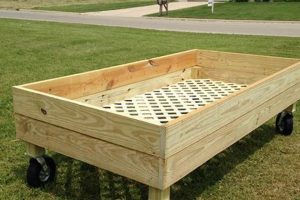
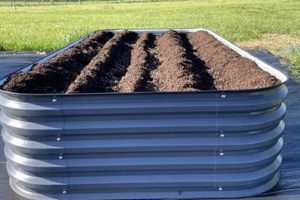
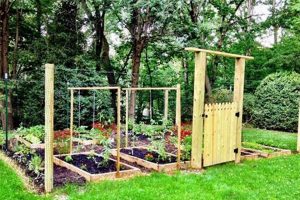
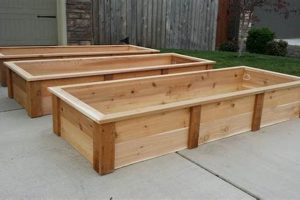
A planting structure elevated above the existing ground level, situated on an incline or slope, is designed to cultivate vegetation. These structures are typically constructed from materials like wood, stone, or composite lumber and are filled with soil suitable for growing plants. Their location on sloping terrain presents both challenges and opportunities related to drainage, stability, and accessibility.
The implementation of this gardening approach offers several advantages, including improved soil drainage in areas prone to waterlogging, reduced back strain due to the raised working height, and the potential for extending the growing season through improved soil warming. Historically, elevated planters have been utilized in various cultures to overcome poor soil conditions or to create more manageable growing spaces. Their use can enhance property aesthetics and increase the efficient utilization of land that would otherwise be considered unusable for traditional gardening practices.
Considerations for constructing and maintaining such a garden include proper terracing or retaining wall construction to prevent soil erosion, selection of appropriate plant species adapted to the specific microclimate created by the slope, and efficient irrigation strategies to ensure consistent moisture distribution throughout the bed.
Construction and Management Recommendations for Inclined Planting Structures
The following recommendations provide guidance for the successful establishment and long-term maintenance of elevated planting areas on sloping ground.
Tip 1: Slope Assessment and Terracing: Prior to construction, a thorough assessment of the slope’s angle and soil composition is critical. Implement terracing techniques, using retaining walls or other structural supports, to create level planting areas and prevent soil erosion. The degree of terracing required will depend on the severity of the slope.
Tip 2: Material Selection for Structural Integrity: Choose durable, weather-resistant materials for the frame of the structure. Treated lumber, stone, or composite materials are suitable options. Ensure that the materials are properly anchored to the ground to withstand the forces of gravity and potential water runoff.
Tip 3: Soil Composition and Drainage Considerations: Employ a well-draining soil mixture specifically formulated for container gardening. Incorporate organic matter, such as compost or peat moss, to improve soil structure and water retention. Install drainage systems, such as gravel layers or drainage pipes, to prevent waterlogging at the base of the bed.
Tip 4: Irrigation System Design and Implementation: Implement an efficient irrigation system, such as drip irrigation or soaker hoses, to ensure consistent and even water distribution throughout the planting area. Consider the slope’s effect on water runoff and adjust watering schedules accordingly to prevent erosion and water wastage.
Tip 5: Plant Selection Based on Slope Aspect and Sunlight Exposure: Choose plant species that are well-suited to the specific microclimate created by the slope’s aspect and sunlight exposure. Consider factors such as drainage requirements, soil pH preferences, and sun tolerance. Consult with a local horticultural expert to identify appropriate plant selections.
Tip 6: Erosion Control Measures: Implement erosion control measures, such as mulching or the use of ground cover plants, to minimize soil loss due to rainfall and runoff. Regularly inspect the structure for signs of erosion or instability and take corrective action as needed.
Tip 7: Accessibility and Maintenance Considerations: Design the planting area to allow for easy access for maintenance tasks such as weeding, pruning, and harvesting. Consider incorporating pathways or steps to facilitate movement around the structure. Regular maintenance is essential to ensure the long-term health and productivity of the garden.
By adhering to these recommendations, individuals can successfully establish and maintain a thriving elevated planting structure on sloping terrain, maximizing land utilization and enhancing the aesthetic appeal of the landscape.
These guidelines provide a foundational understanding for the successful implementation of this gardening technique; more in-depth exploration of specific aspects follows in subsequent sections.
1. Slope Stabilization
Slope stabilization is an indispensable element in the construction and longevity of a raised garden bed situated on a hill. The inherent instability of sloping terrain presents a significant challenge to any structure placed upon it. Without adequate stabilization, the forces of gravity, coupled with water runoff and soil erosion, can lead to the collapse or degradation of the planting bed. This necessitates the implementation of engineering and horticultural techniques to ensure the structural integrity of the garden. For instance, consider a situation where a garden bed is constructed on a steep incline without proper terracing. The weight of the soil within the bed, combined with rainfall, will exert pressure on the downhill side, potentially causing the retaining wall to buckle or the soil to slide away. Slope stabilization mitigates these risks by creating a level, stable platform upon which the garden bed can rest.
The process of slope stabilization can involve various methods, including the construction of retaining walls, the installation of drainage systems, and the use of ground cover vegetation. Retaining walls, typically constructed from materials like stone, timber, or concrete, provide a physical barrier that prevents soil erosion and supports the weight of the garden bed. Drainage systems, such as French drains or perforated pipes, redirect water away from the planting area, reducing the risk of saturation and soil movement. Ground cover vegetation, with its extensive root systems, helps to bind the soil together, further preventing erosion. The choice of stabilization method will depend on factors such as the steepness of the slope, the soil type, and the desired aesthetic appearance of the garden. An example of successful slope stabilization is often observed in vineyards on steep hillsides, where elaborate terracing systems create level planting areas and prevent soil erosion, ensuring the long-term productivity of the vineyard.
In summary, slope stabilization is not merely an ancillary consideration but a fundamental requirement for any raised garden bed constructed on a hillside. Its absence can lead to structural failure, soil loss, and ultimately, the demise of the garden. By employing appropriate stabilization techniques, individuals can create sustainable and productive planting spaces that enhance the landscape and provide a lasting source of horticultural enjoyment. Ignoring slope stability in this type of project introduces significant risk and can negate any potential benefits of an elevated growing space.
2. Water Management

Effective water management is paramount for the success of elevated planting structures situated on sloping terrain. The unique challenges presented by hillside environments necessitate careful consideration of water distribution, drainage, and runoff to ensure plant health and prevent soil erosion. Without a comprehensive water management strategy, such gardens are susceptible to both overwatering and drought conditions, leading to reduced yields and potential plant loss.
- Irrigation System Selection
The choice of irrigation system significantly impacts water efficiency and plant health. Drip irrigation, for example, delivers water directly to the root zone, minimizing water loss through evaporation and runoff. In contrast, sprinkler systems, while providing broader coverage, may lead to increased water wastage on sloped surfaces. The selection of an appropriate system should consider the slope angle, soil type, and water requirements of the chosen plant species. Improper irrigation can cause water to pool at the base of the slope or runoff before absorption, leading to uneven moisture distribution.
- Drainage Implementation
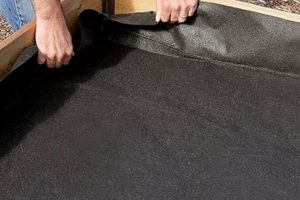
Adequate drainage is essential for preventing waterlogging and root rot. Sloping terrain can exacerbate water accumulation at the base of the elevated planting area. The incorporation of drainage layers, such as gravel or permeable fabrics, beneath the soil can facilitate water runoff and prevent saturation. French drains can also be implemented to divert excess water away from the planting area. Without effective drainage, plant roots can suffocate, leading to stunted growth or death. The implementation of drainage is also important to maintain the structural integrity of the planter, keeping it from being unduly heavy and failing.
- Erosion Control Strategies
Water runoff from elevated planting structures on slopes can contribute to soil erosion, particularly during periods of heavy rainfall. Erosion control measures, such as mulching, terracing, and the use of ground cover plants, can help to minimize soil loss. Mulch acts as a protective barrier, reducing the impact of raindrops on the soil surface. Terracing creates level planting areas that slow down water runoff, while ground cover plants help to bind the soil together with their root systems. Failure to implement erosion control measures can result in the loss of valuable topsoil and the degradation of the surrounding landscape.
- Water Conservation Techniques
Water conservation is an increasingly important consideration in garden management. Utilizing rainwater harvesting systems can provide a sustainable source of irrigation water. Selecting drought-tolerant plant species can also reduce the overall water demand of the garden. Soil amendments, such as compost and organic matter, improve water retention, further reducing the need for frequent irrigation. Neglecting water conservation techniques can lead to unsustainable water usage and increased reliance on municipal water sources.
The effective management of water within an elevated planting structure on a hillside requires a holistic approach that addresses irrigation, drainage, erosion control, and water conservation. By carefully considering these factors, individuals can create sustainable and productive gardens that thrive in challenging environments. Moreover, a well-designed water management system not only benefits the plants but also protects the surrounding landscape from erosion and degradation. The interplay of water and slope creates a dynamic that demands proactive and informed gardening practices.
3. Accessibility Design

Accessibility design, when applied to a planting structure on a slope, addresses the challenges faced by individuals with mobility impairments, age-related limitations, or other physical restrictions. The inherent topography of a hillside poses significant barriers to conventional gardening practices. Therefore, the integration of accessibility principles is crucial for creating an inclusive and user-friendly environment.
- Pathways and Circulation
Accessible pathways are essential for navigating the terrain surrounding the planting structure. These pathways should adhere to established guidelines regarding width, slope, and surface material to accommodate wheelchairs, walkers, and other mobility aids. Ramps, rather than steps, are preferred for changes in elevation. The creation of level resting areas along the pathways can also enhance usability. An example of poor pathway design would be a narrow, gravel path with a steep incline, rendering it impassable for many individuals. Proper pathways facilitate access to all areas of the garden, promoting independence and engagement.
- Raised Bed Height and Reach
The height of the planting structure should be carefully considered to allow for comfortable reaching and planting from a seated or standing position. Adjustable-height beds or tiered designs can accommodate a wider range of users. Furthermore, the depth of the bed should be shallow enough to allow for easy access to the soil. Overly deep beds require excessive reaching, causing strain and discomfort. Adhering to ergonomic principles in bed design promotes both accessibility and physical well-being.
- Gardening Tools and Equipment
Specialized gardening tools and equipment can significantly improve accessibility for individuals with physical limitations. Lightweight tools with ergonomic handles reduce strain on the hands and wrists. Adaptive tools, such as extended reachers or modified trowels, can assist individuals with limited mobility or dexterity. Providing a designated storage area for these tools near the planting structure ensures convenient access and promotes independent gardening.
- Safety Considerations
Safety is paramount in accessible garden design. Handrails along pathways and around the planting structure provide stability and prevent falls. Adequate lighting ensures visibility, particularly during evening hours. Clear signage identifies potential hazards, such as uneven surfaces or steep slopes. Emergency communication systems should be readily available in case of accidents. Proactive safety measures minimize the risk of injury and promote a secure gardening environment.
Integrating these facets of accessibility design into the construction of a hillside planting structure transforms a potentially exclusionary space into an inclusive and welcoming environment. By prioritizing user needs and adhering to established accessibility guidelines, the benefits of gardening can be extended to a wider range of individuals, promoting physical and mental well-being. Furthermore, accessible garden designs often enhance the overall aesthetic appeal of the landscape, creating a more inviting and harmonious space for all.
4. Soil Retention
Soil retention is a foundational element in the construction and maintenance of any raised planting structure, particularly one situated on a hillside. The force of gravity, coupled with the erosive effects of water runoff, constantly acts to displace soil, making effective retention strategies essential for the stability and longevity of the garden bed. Without adequate soil retention measures, the planting medium will gradually erode, leading to a loss of nutrients, reduced plant growth, and potential structural failure of the bed itself. The connection between these two elements is causal: inadequate soil retention leads to the degradation of the raised planting area on the slope.
The importance of soil retention extends beyond simply preventing soil loss. It also plays a crucial role in maintaining soil structure, moisture levels, and nutrient availability. Retaining walls, constructed from materials such as wood, stone, or concrete, provide a physical barrier against erosion, while also creating a stable environment for root growth. The strategic placement of these walls can also influence drainage patterns, preventing waterlogging and promoting healthy root development. For example, consider a series of terraced raised planting structures on a steep hillside in a residential area. The retaining walls not only prevent soil erosion but also create level planting areas, allowing for easier access and more efficient water management. The absence of such retaining walls would result in the gradual slumping of soil, rendering the garden unsustainable.
In conclusion, soil retention is an indispensable component of a successful planting structure on an incline. It is a cause of long-term garden viability. Strategies such as retaining walls, terracing, and the use of erosion-resistant materials are crucial for mitigating the effects of gravity and water runoff. Understanding the practical significance of soil retention allows gardeners to create sustainable and productive planting areas that thrive in challenging environments. The challenges of hillside gardening can be effectively addressed through informed design and construction practices that prioritize soil retention as a fundamental principle.
5. Sunlight Optimization

The orientation of a planting structure on a sloped surface dictates the amount of sunlight received by plants. Sunlight, a critical resource for photosynthesis, directly impacts plant growth, flowering, and fruiting. Optimizing sunlight exposure is therefore essential for maximizing the yield and overall health of vegetation in such a planting arrangement.
- Slope Aspect and Exposure
The compass direction that the slope faces significantly influences sunlight exposure. A south-facing slope in the Northern Hemisphere typically receives the most direct sunlight throughout the day, making it suitable for sun-loving plants. East-facing slopes receive morning sun, while west-facing slopes receive afternoon sun. North-facing slopes receive the least direct sunlight. The choice of plant species should align with the specific sunlight conditions of the slope aspect. For example, shade-tolerant plants may thrive on a north-facing slope, whereas sun-demanding plants will struggle.
- Terracing and Bed Placement
The arrangement of planting areas via terracing can alter sunlight exposure. Terraces can create tiered levels that either shade or expose plants, depending on their orientation. The positioning of beds relative to one another should consider potential shading effects. Staggering beds can minimize shading, ensuring more uniform sunlight distribution. Improper bed placement can result in some plants being deprived of adequate sunlight, leading to uneven growth.
- Plant Selection and Spacing
Selecting plant species appropriate for the available sunlight is crucial. Plants with high sunlight requirements, such as tomatoes or peppers, should be positioned in areas with maximum exposure. Shade-tolerant plants, such as lettuce or spinach, can be placed in areas with partial shade. Proper plant spacing also influences sunlight penetration. Overcrowding can lead to shading, reducing the amount of sunlight reaching lower leaves and hindering overall plant growth. Pruning can be employed to manage plant canopy and promote better sunlight penetration.
- Seasonal Considerations
The angle of the sun changes throughout the year, affecting sunlight exposure. During the winter months, the sun is lower in the sky, resulting in shorter days and less direct sunlight. Seasonal adjustments to plant placement or the use of reflective surfaces can help to maximize sunlight capture during periods of low light intensity. Conversely, during the summer months, measures may be necessary to provide shade and prevent overheating. Understanding seasonal variations in sunlight exposure is essential for optimizing plant growth year-round.
The strategies outlined above underscore the necessity of understanding insolation dynamics in gardening on inclined landscapes. By carefully evaluating the topography, climate, and seasonal variation, individuals can substantially improve productivity of their sloped planting structures.
Frequently Asked Questions
The following questions address common concerns and misconceptions surrounding the design, construction, and maintenance of elevated planting structures situated on sloping ground. These answers aim to provide clear and concise information based on established horticultural and engineering principles.
Question 1: What are the primary structural considerations when building a raised garden bed on a hill?
The primary structural considerations include the slope’s angle, soil composition, and drainage patterns. Terracing may be necessary to create level planting surfaces. The retaining walls must be designed to withstand the lateral pressure of the soil, and proper drainage systems are essential to prevent water accumulation behind the walls.
Question 2: How does slope aspect influence plant selection for a raised garden bed on a hill?
Slope aspect determines the amount of sunlight received. South-facing slopes receive the most direct sunlight, suitable for sun-loving plants. North-facing slopes receive the least sunlight, ideal for shade-tolerant species. East and west-facing slopes offer intermediate sunlight conditions.
Question 3: What drainage solutions are most effective for preventing waterlogging in a raised garden bed on a hill?
Effective drainage solutions include incorporating gravel layers at the base of the bed, installing drainage pipes to redirect water away from the planting area, and using well-draining soil mixes. Terracing can also improve drainage by creating level surfaces that slow down water runoff.
Question 4: What materials are best suited for constructing retaining walls for a raised garden bed on a hill?
Durable, weather-resistant materials are recommended, such as treated lumber, stone, or concrete. The choice of material depends on factors such as cost, aesthetics, and structural requirements. Proper anchoring and reinforcement are essential to ensure the long-term stability of the walls.
Question 5: How can erosion be effectively controlled in a raised garden bed on a hill?
Erosion control measures include mulching, using ground cover plants, and installing erosion control fabrics. Terracing also helps to slow down water runoff and minimize soil loss. Regular inspection and maintenance are necessary to address any signs of erosion promptly.
Question 6: What are the key accessibility considerations for a raised garden bed on a hill?
Accessibility considerations include providing accessible pathways with appropriate width and slope, ensuring that the planting bed is at a comfortable height for reaching and planting, and using adaptive tools to assist individuals with physical limitations. Handrails and adequate lighting can enhance safety.
In summary, the successful implementation of these elevated planting structures requires a thorough understanding of structural engineering, horticultural principles, and accessibility considerations. Careful planning and execution are essential for creating sustainable and productive gardens on sloping terrain.
The following section will delve into specific case studies.
Conclusion
The preceding analysis has presented a comprehensive overview of the “raised garden bed on hill” concept, emphasizing its structural, environmental, and practical implications. The crucial aspects of slope stabilization, water management, accessibility design, soil retention, and sunlight optimization have been thoroughly examined. The inherent complexities of constructing and maintaining such structures necessitate a rigorous understanding of both horticultural and engineering principles.
Successful implementation demands meticulous planning, appropriate material selection, and ongoing maintenance. While these structures present unique challenges, they also offer the potential to transform previously unusable land into productive and aesthetically pleasing garden spaces. Future advancements in sustainable building practices and horticultural techniques will likely further enhance the efficiency and accessibility of these sloped planting arrangements. The enduring appeal of merging functionality with landscape design suggests a continued relevance of the “raised garden bed on hill” concept in diverse environments.