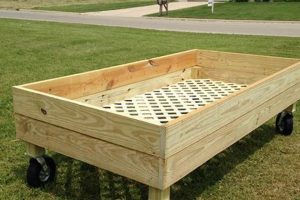
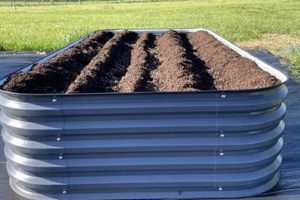
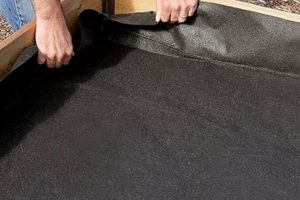
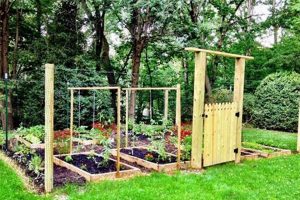
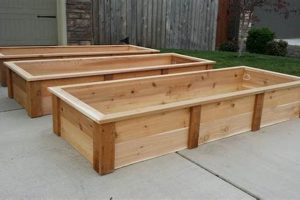
Materials used to protect the wood or metal of elevated planting structures from moisture and soil contact are often installed. These barriers, placed inside the frame of the construction, extend the lifespan of the structure and can contribute to a more favorable environment for plant growth. Examples include plastic sheeting, specialized fabrics, and even repurposed materials like pond liners.
The inclusion of such protective layers can significantly reduce the rate of decay and corrosion, particularly in wooden frames. Additionally, certain types of barriers can prevent soil erosion and the leaching of potentially harmful chemicals from treated lumber into the growing medium. Historically, organic materials like straw and clay were used for similar purposes, but modern solutions offer increased durability and effectiveness.
The subsequent sections will delve into the various types of materials available, their respective advantages and disadvantages, proper installation techniques, and factors to consider when selecting the optimal solution for a specific gardening application. Attention will also be given to environmental considerations and sustainable practices.
Essential Considerations for Elevated Garden Bed Protection
Proper selection and installation of protective barriers within elevated garden beds are crucial for maximizing the lifespan of the structure and promoting optimal plant health. The following recommendations outline best practices to ensure long-term performance.
Tip 1: Material Selection is Paramount: Prioritize materials specifically designed for prolonged soil and moisture contact. Avoid thin, general-purpose plastics that degrade rapidly. Opt for thicker polyethylene sheeting, specialized woven fabrics, or rubber pond liners.
Tip 2: Ensure Proper Drainage: Regardless of the material chosen, drainage holes are essential to prevent waterlogging within the structure. Strategically place drainage apertures at the base to allow excess water to escape freely.
Tip 3: Secure the Barrier Effectively: Proper anchoring is necessary to prevent shifting or displacement of the barrier. Utilize staples, tacks, or adhesive compatible with the chosen material and the bed frame construction to ensure a secure fit.
Tip 4: Consider Soil Composition: The type of soil used in the elevated bed can impact the longevity of the protection. Highly acidic soils can accelerate the degradation of certain materials. Test soil pH and select a compatible barrier.
Tip 5: Evaluate Material Safety: If using recycled or repurposed materials, carefully assess their potential to leach harmful chemicals into the soil. Opt for food-grade or inert materials to avoid contamination of the growing medium.
Tip 6: Extend the Barrier Above the Soil Line: To prevent premature degradation, extend the protection a few inches above the soil surface. This minimizes direct contact with sunlight and physical abrasion.
Tip 7: Inspect Regularly for Damage: Periodically inspect the barrier for tears, punctures, or signs of wear. Promptly repair any damage to maintain the integrity of the protection.
Implementing these recommendations will contribute to a more durable and sustainable elevated gardening system, reducing maintenance costs and promoting healthy plant growth over an extended period.
The subsequent section will address specific environmental considerations related to materials used and disposal strategies.
1. Material durability

Material durability is a foundational consideration when selecting liners for elevated garden beds. The liner’s ability to withstand environmental stressors and prolonged contact with soil directly impacts the bed’s longevity and the health of the plants it contains. Failure due to degradation necessitates costly and disruptive replacement.
- Resistance to Degradation
The liner must resist degradation from exposure to sunlight (UV radiation), moisture, temperature fluctuations, and microbial activity in the soil. Materials prone to rapid decay, such as thin plastics, will compromise the bed’s structure and require frequent replacement. For example, choosing a UV-stabilized polyethylene or a durable rubber liner can significantly extend the life of the garden bed, minimizing maintenance and waste.
- Tear and Puncture Resistance
The liner should exhibit high tear and puncture resistance to withstand the weight of the soil, plant roots, and accidental impacts from gardening tools. Thin, flimsy materials are susceptible to damage, leading to leaks and compromising the barrier function. Reinforced geomembranes or thick, puncture-resistant plastics are better suited to resisting physical damage and maintaining the integrity of the elevated bed.
- Chemical Stability
The liner must remain chemically stable when in contact with various soil types and fertilizers. Some materials can react with acidic soils or leach chemicals into the growing medium, potentially harming plants. Inert materials, such as certain types of rubber or food-grade plastics, are preferable to ensure the soil remains uncontaminated and the plants thrive without exposure to harmful substances.
- Longevity and Cost-Effectiveness
While initial cost is a factor, the long-term cost-effectiveness of a liner is determined by its durability. A more expensive, durable material will often prove more economical over time compared to a cheaper, less durable option that requires frequent replacement. For example, a properly installed and maintained EPDM rubber liner can last for decades, providing a reliable and cost-effective solution for protecting the elevated garden bed structure.
Therefore, careful assessment of a liner’s material durability is essential for ensuring the long-term viability and cost-effectiveness of elevated garden beds. Selecting a material that can withstand the rigors of the environment and the demands of gardening practices is a critical investment in the sustainability of the gardening system.
2. Moisture barrier effectiveness

The effectiveness of the moisture barrier is a critical performance parameter for raised garden bed liners. The primary function of these liners is to prevent direct contact between the soil and the bed frame, which is often constructed from wood. Without an effective moisture barrier, soil moisture permeates the frame material, leading to accelerated decay, weakening of the structure, and ultimately, a reduced lifespan for the garden bed. This decay process is facilitated by microorganisms that thrive in moist environments, breaking down the wood’s cellular structure.
The degree of moisture barrier effectiveness is directly correlated with the liner material’s properties. Impermeable materials such as polyethylene or EPDM rubber provide a superior barrier compared to porous or degradable options like landscape fabric. For instance, a raised bed constructed from untreated cedar and lined with a heavy-duty polyethylene sheet will exhibit significantly greater longevity than one lined with a permeable fabric that allows moisture to seep through. Furthermore, proper installation is paramount. A liner with excellent material properties will fail to perform effectively if improperly sealed at the seams or if drainage is inadequate, leading to water pooling and promoting decay.
In summary, the moisture barrier effectiveness of raised garden bed liners is a key determinant of their overall utility and longevity. Selection of appropriate materials coupled with careful installation practices is essential for maximizing the protective function of the liner and ensuring the continued structural integrity of the raised garden bed. Challenges include balancing cost considerations with the need for durable, impermeable materials and ensuring proper drainage to prevent water accumulation. Ultimately, prioritizing moisture barrier effectiveness contributes to a more sustainable and cost-effective gardening practice.
3. Soil compatibility

Soil compatibility, in the context of elevated garden bed barriers, refers to the chemical inertness and physical suitability of the liner material in relation to the specific soil composition used within the bed. This compatibility is crucial to prevent detrimental interactions that can compromise plant health and the structural integrity of the garden bed itself.
- Chemical Leaching and Material Degradation
Certain liner materials, when exposed to specific soil pH levels or chemical compositions, can leach harmful substances into the soil. Conversely, the soil’s chemical components may degrade the liner, reducing its effectiveness as a barrier. For example, acidic soils can accelerate the breakdown of some plastics, while alkaline soils might react with certain metals used in liner construction. This interaction necessitates careful material selection based on anticipated soil conditions.
- Impact on Soil pH and Nutrient Availability
The liner material’s composition can indirectly influence soil pH and nutrient availability. If the liner leaches alkaline compounds, it can raise the soil pH, potentially inhibiting the uptake of essential nutrients by plants that prefer acidic conditions. Similarly, leaching of other chemicals can interfere with nutrient cycles, disrupting the delicate balance required for optimal plant growth. Inert materials are preferred to minimize such interference.
- Material Suitability for Organic Gardening
In organic gardening systems, it is paramount to select liner materials that do not introduce synthetic chemicals or contaminants into the soil. Recycled materials, while environmentally appealing, require careful evaluation to ensure they are free from harmful residues. Liners certified for use in organic agriculture guarantee they meet stringent standards for chemical inertness and safety, safeguarding the integrity of the organic growing environment.
- Physical Interactions and Root Penetration
The liner’s texture and composition can influence root penetration. Smooth, impermeable liners can restrict root growth, potentially leading to root-bound plants. Conversely, porous liners might allow roots to penetrate, compromising the barrier function and exposing the bed frame to moisture. Selecting a liner with appropriate texture and resistance to root penetration is vital for maintaining the health of both the plants and the structure.
Therefore, comprehensive evaluation of soil compatibility is an essential step in selecting the appropriate barriers for elevated garden beds. Understanding the potential interactions between the liner material and the soil ensures a healthy growing environment and prolongs the lifespan of the garden bed structure.
4. Environmental impact
The selection of materials for constructing barriers in elevated garden beds carries significant environmental consequences. The manufacturing processes, material sourcing, lifespan, and disposal methods all contribute to a lifecycle environmental footprint. Traditional options, such as certain plastics, derive from fossil fuels, contributing to greenhouse gas emissions during production. Furthermore, their limited biodegradability presents challenges for end-of-life management, often resulting in landfill accumulation or incineration, processes that can release harmful pollutants into the environment. For example, the widespread use of low-density polyethylene sheeting, while cost-effective, necessitates ongoing extraction of petroleum resources and poses long-term waste management burdens. Similarly, treated lumber, used frequently in bed frames, often contains preservatives that can leach into the soil and potentially impact the surrounding ecosystem.
Sustainable alternatives, such as recycled plastics, natural rubber, or untreated wood, offer reduced environmental impacts. Recycled plastics repurpose existing materials, diminishing the demand for virgin plastic production. Natural rubber derives from renewable sources, though responsible harvesting practices are essential. Untreated wood, while susceptible to decay, avoids the introduction of potentially harmful chemicals into the soil and allows for composting at the end of its useful life. Moreover, the longevity of the chosen barrier material directly influences its environmental footprint. A durable barrier requiring infrequent replacement minimizes material consumption and reduces the frequency of disposal-related impacts. An example of best practice involves utilizing reclaimed lumber for the bed frame and lining it with a thick, recycled polyethylene liner, thereby reducing both resource extraction and waste generation.
Ultimately, responsible selection of barriers for elevated garden beds requires a comprehensive assessment of environmental impacts across the material’s lifecycle. Prioritizing materials with lower carbon footprints, reduced toxicity, and enhanced recyclability contributes to more sustainable gardening practices. Addressing challenges related to material availability, cost, and performance remains crucial for promoting widespread adoption of environmentally responsible solutions. Therefore, informed decision-making regarding elevated garden bed construction can significantly minimize the ecological footprint of gardening activities and promote a more sustainable relationship with the environment.
5. Structural integrity

The relationship between structural integrity and barriers within elevated garden beds is fundamental to the longevity and functionality of the gardening system. Structural integrity, in this context, refers to the ability of the bed frame to withstand physical stresses and maintain its intended shape and stability over time. The failure to maintain structural integrity can result in collapse, deformation, and ultimately, the inability to support the soil and plants within. While the frame material provides the primary structural support, the presence or absence of a suitable barrier directly influences the rate at which the frame degrades and loses its load-bearing capacity. For instance, direct contact between moisture-rich soil and a wooden frame accelerates decay, weakening the wood fibers and compromising its structural integrity. This, in turn, can lead to warping, cracking, and eventual failure of the bed. Alternatively, a well-installed, impermeable barrier effectively isolates the frame from moisture, significantly slowing down the decay process and extending the lifespan of the structure.
The type of material used as a barrier also plays a critical role in maintaining structural integrity. A thin, easily punctured plastic liner, while providing a degree of moisture protection, can be readily compromised by root growth, soil shifting, or accidental damage from gardening tools. These breaches allow moisture to reach the frame, negating the protective benefits. In contrast, a thicker, more robust liner material, such as a reinforced geomembrane or a durable rubber sheet, offers greater resistance to physical damage and provides more reliable long-term protection. Moreover, the method of installation influences barrier effectiveness. Inadequate sealing around edges or corners allows moisture to penetrate, undermining the structural integrity of the frame. Proper installation techniques, including secure fastening and overlapping seams, are essential for maximizing the protective benefits of the liner. Practical application is exemplified when using a wooden frame with a properly installed, high-density polyethylene liner and results in maintaining its shape and stability for more than 10 years. Improper installation can lead to structural issues within 2 years.
In conclusion, the selection, installation, and maintenance of barriers are inextricably linked to the structural integrity of elevated garden beds. Ignoring the protective role of the barrier material can lead to premature frame failure and costly repairs or replacements. Prioritizing durable, impermeable materials and employing proper installation techniques are critical for ensuring long-term structural stability and maximizing the lifespan of elevated garden beds. Overcoming challenges associated with material cost and installation complexity is essential for promoting sustainable gardening practices and reducing the environmental impact associated with frequent garden bed replacement.
Frequently Asked Questions
This section addresses common inquiries regarding the selection, installation, and maintenance of barriers used in elevated garden beds. The information provided aims to clarify best practices and address potential misconceptions.
Question 1: What is the primary function of a barrier in an elevated garden bed?
The primary function is to isolate the soil from the bed frame, preventing direct contact and mitigating moisture-induced decay or corrosion. This isolation extends the lifespan of the frame and may prevent leaching of chemicals from treated lumber.
Question 2: Are all materials suitable for use as barriers?
No. Materials must be chemically inert, durable, and resistant to degradation from moisture, soil acidity, and UV exposure. Unsuitable materials may leach harmful substances or degrade rapidly, compromising the barrier’s effectiveness.
Question 3: Is drainage necessary when using a barrier?
Yes. Adequate drainage is crucial to prevent waterlogging within the bed. Barriers should be installed with drainage holes or a drainage layer to allow excess water to escape, preventing root rot and structural damage.
Question 4: How often should barriers be inspected and potentially replaced?
Barriers should be inspected at least annually for signs of wear, tears, or punctures. The lifespan of a barrier varies depending on the material and environmental conditions. Replacement should occur when the barrier’s integrity is compromised.
Question 5: Does barrier thickness affect its performance?
Generally, yes. Thicker materials offer greater resistance to punctures, tears, and degradation. However, material composition is also a critical factor; a thick, low-quality material may perform worse than a thinner, higher-quality alternative.
Question 6: Are there environmentally friendly barrier options available?
Yes. Recycled plastics, natural rubber, and untreated wood represent more sustainable choices. However, the environmental impact of these options should be evaluated across their entire lifecycle, considering sourcing, manufacturing, and disposal.
Key takeaways emphasize the importance of material selection, proper installation, and regular maintenance to ensure the long-term effectiveness and sustainability of elevated garden bed barriers.
The following section will explore specific case studies and practical applications of different barrier materials.
Conclusion
The preceding discussion has underscored the critical role of raised garden bed liners in safeguarding the structural integrity and longevity of elevated planting systems. Effective implementation necessitates a thorough understanding of material properties, installation techniques, and environmental considerations. Strategic selection, prioritizing durable, chemically inert, and environmentally responsible options, is paramount for optimizing performance and minimizing long-term costs.
The sustainability and effectiveness of elevated gardening are intrinsically linked to the conscientious application of barrier technology. Continued research and development in this area will undoubtedly yield further advancements in material science and construction methods. As such, ongoing evaluation and adaptation are essential for maximizing the benefits and minimizing the potential drawbacks associated with this important component of contemporary gardening practices.