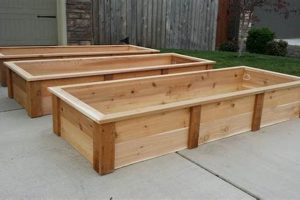
A method of targeted irrigation, commonly employed in elevated planting structures, delivers water directly to the root zone of plants. This approach minimizes water waste by reducing evaporation and runoff, ensuring that moisture is available precisely where it is needed for optimal plant growth.
The implementation of such a system offers numerous advantages, including improved water conservation, decreased weed growth due to drier surface soil, and reduced risk of foliar diseases. Historically, these watering techniques have been utilized to enhance agricultural efficiency, particularly in regions with limited water resources, maximizing yields while minimizing environmental impact.
Subsequent sections will detail the components of the methodology, installation procedures, maintenance requirements, and optimal usage strategies to maximize its effectiveness in various horticultural settings.
Optimizing Performance
Effective implementation relies on careful planning and consistent maintenance. The following guidelines will aid in maximizing water efficiency and plant health.
Tip 1: Water Source Filtration: Prioritize the installation of a filter at the water source. This prevents clogging of emitters, extending the lifespan of the system and ensuring consistent water flow.
Tip 2: Pressure Regulation: Implement a pressure regulator to maintain uniform water distribution throughout the setup. Fluctuations in water pressure can lead to uneven watering, stressing some plants while overwatering others.
Tip 3: Emitter Placement Optimization: Carefully position emitters near the base of each plant, ensuring direct water delivery to the root zone. Consider using multiple emitters for larger plants to promote even root development.
Tip 4: Regular System Inspection: Conduct routine inspections to identify and address leaks, clogs, or damaged components. Promptly repairing these issues prevents water loss and maintains system efficiency.
Tip 5: Seasonal Adjustment: Adjust watering schedules based on seasonal changes and plant water requirements. Monitor soil moisture levels to avoid overwatering or underwatering, optimizing plant health.
Tip 6: Consider a Timer: Automate watering with a timer for consistent, reliable delivery. This ensures plants receive the appropriate amount of water, even during periods of absence.
Tip 7: Monitor Plant Health: Observe plants for signs of stress, such as wilting or yellowing leaves. These indicators can signal issues with the system requiring attention, such as inadequate water delivery.
Adhering to these recommendations will optimize resource utilization, fostering healthy plant growth and contributing to a sustainable gardening practice.
The concluding section will provide a comprehensive overview of the benefits and challenges associated with its utilization, offering valuable insights for making informed decisions.
1. Water Conservation

The implementation of targeted irrigation methods in elevated planting structures represents a significant advancement in water resource management within horticultural practices. Addressing the increasing concerns regarding water scarcity, the integration of such techniques ensures efficient usage, directly correlating with sustainable gardening initiatives.
- Reduced Evaporation
Targeted irrigation methods minimize water exposure to open air, consequently diminishing evaporation rates. This localized water delivery significantly decreases surface wetness, curtailing losses typically associated with traditional sprinkler systems. Comparative analyses reveal a marked difference in water retention, favoring the implementation of direct-to-root watering, particularly in arid climates.
- Minimized Runoff
The controlled disbursement of water directly to the plant root zone eliminates the likelihood of excessive runoff, a common issue with surface watering methods. This precision in water delivery not only prevents water wastage but also reduces the potential for soil erosion and nutrient leaching. Practical application involves regulated emitter flow rates, adapting to the specific absorption capacity of the soil, further minimizing runoff occurrences.
- Targeted Delivery
The core principle lies in directing water precisely where it is needed: at the root zone. This approach minimizes water use in areas devoid of vegetation, thus reducing the growth of weeds and non-essential plants. The specificity of the watering ensures resources are concentrated solely on cultivated plants, optimizing growth and reducing competition for nutrients.
- Efficient Resource Allocation
By reducing water waste, resources are allocated more efficiently. This allows gardeners to use less water overall while still maintaining healthy and productive gardens. Such water-efficient approach supports sustainable gardening practices by minimizing the ecological footprint associated with water consumption.
Linking these facets to sustainable gardening principles underscores the importance of employing such watering methods. It provides a tangible pathway to reducing environmental impact and promoting resource-conscious gardening practices. The economic benefits of reduced water consumption further incentivize the adoption of this system across diverse settings, showcasing a harmonious balance between environmental stewardship and horticultural productivity.
2. Root Zone Delivery

The deliberate application of water directly to the root system constitutes a fundamental aspect of efficient irrigation within elevated planting structures. This method minimizes surface evaporation and runoff, ensuring water resources are utilized effectively where they are most beneficial for plant uptake.
- Enhanced Nutrient Uptake
By delivering water directly to the root zone, nutrients present in the soil are dissolved and readily available for plant absorption. This targeted approach reduces the potential for nutrient leaching, optimizing the effectiveness of fertilizers and promoting healthy plant growth. Example: Applying a diluted fertilizer solution through the drip system ensures that nutrients are distributed uniformly throughout the root zone.
- Reduced Foliar Disease
Direct water application to the roots minimizes moisture contact with plant foliage, thereby reducing the risk of fungal and bacterial diseases. Dry foliage inhibits the development of pathogens, leading to healthier plants and decreased reliance on chemical interventions. Example: In humid climates, directing water to the roots helps prevent the spread of foliar diseases common in dense plant canopies.
- Optimized Water Use Efficiency
Watering the root zone directly minimizes water loss through evaporation and runoff, resulting in a higher percentage of applied water being utilized by the plants. This method allows for precise control over water distribution, ensuring that each plant receives the optimal amount of moisture. Example: Utilizing a timer-controlled drip system to deliver water during the cooler hours of the morning reduces evaporation losses.
- Targeted Weed Control
By limiting water availability to the immediate vicinity of the cultivated plants, weed germination and growth are suppressed. The drier soil surface between plants hinders weed establishment, reducing competition for resources. Example: Mulching around plants in conjunction with root zone watering further inhibits weed growth and conserves soil moisture.
These aspects illustrate the interconnectedness of precise water delivery and optimized plant health. The advantages of minimizing water waste and promoting healthy root development contribute to the overall efficacy of this method, highlighting its value in resource-efficient gardening practices.
3. Emitter Flow Rate
Emitter flow rate, measured in gallons per hour (GPH) or liters per hour (LPH), is a critical determinant of the efficacy of any watering setup within an elevated planting structure. It dictates the volume of water delivered to individual plants over a specified time, directly impacting soil moisture levels and, consequently, plant health. Insufficient flow rates can lead to underwatering and stunted growth, while excessive rates can saturate the soil, fostering root rot and nutrient runoff. Selection requires a careful assessment of plant water requirements, soil type, and environmental conditions.
Consider a planting bed containing both drought-tolerant succulents and water-intensive vegetables. Succulents might thrive with 0.5 GPH emitters, while vegetables could require 1.0 or 2.0 GPH emitters. Ignoring these differences results in either overwatering the succulents or underwatering the vegetables. In clay soils, lower emitter flow rates are preferred to prevent water from pooling on the surface, whereas sandy soils necessitate higher flow rates to ensure adequate water penetration. Accurate flow rate selection, therefore, is crucial for optimizing water usage and plant productivity.
In summation, precise control over the rate of water dispersion is paramount for achieving the benefits of drip technology. Factors such as plant variety, soil composition, and prevailing climate conditions must inform the selection of appropriate emitters. Regular monitoring and adjustment of the flow rate ensures the system continues to meet the evolving needs of the plants within the elevated planting structure. Neglecting this critical aspect compromises water conservation efforts and the overall success of the gardening endeavor.
4. Pressure Regulation
Maintaining consistent water pressure is paramount for the uniform operation of a drip watering system within an elevated planting structure. Fluctuations in pressure can lead to uneven water distribution, compromising the efficiency and effectiveness of the entire system.
- Uniform Water Distribution
Consistent pressure ensures each emitter releases water at its designed flow rate. Without regulation, emitters closest to the water source may discharge excessive water, while those farther away receive insufficient amounts. This leads to overwatering in some areas and underwatering in others. Example: Installing a pressure regulator at the water source mitigates pressure variations caused by changes in the municipal water supply.
- Emitter Longevity
Excessive water pressure can damage emitters, shortening their lifespan and causing them to fail prematurely. This necessitates more frequent replacements and increases maintenance costs. Example: Emitters rated for a maximum pressure of 30 PSI will deteriorate rapidly if subjected to pressures exceeding this limit.
- System Performance Stability
Stable pressure enhances the predictability and reliability of the watering system. This allows for precise control over water delivery, optimizing water use efficiency and promoting healthy plant growth. Example: A pressure regulator ensures that the watering schedule remains consistent, regardless of fluctuations in water demand within the household or neighborhood.
- Component Protection
Pressure regulation safeguards other components of the system, such as tubing and fittings, from damage caused by excessive pressure. This reduces the risk of leaks and system failures. Example: The installation of a pressure regulator can prevent the bursting of tubing in systems connected to high-pressure water sources.
Effective implementation of water-conserving technology necessitates meticulous attention to water pressure. Consistent pressure regulation promotes even water distribution, prolongs component lifespan, and ensures stable system performance, maximizing the benefits within the planting structure.
5. System Maintenance

Sustained performance and longevity of any water-efficient watering method within an elevated planting structure are intrinsically linked to diligent maintenance practices. Regular upkeep ensures optimal water delivery, minimizes component failures, and contributes to resource conservation.
- Filter Cleaning
Filters prevent particulate matter from clogging emitters. Periodic cleaning, based on water source quality, is essential. Neglecting filter maintenance results in reduced flow rates and uneven water distribution. Municipal water may require less frequent cleaning compared to well water, which often contains higher sediment levels.
- Emitter Inspection and Replacement
Emitters are susceptible to clogging from mineral deposits or algae growth. Regular inspection identifies malfunctioning emitters requiring cleaning or replacement. Submerged emitters are particularly vulnerable to algae accumulation, demanding more frequent monitoring.
- Leak Detection and Repair
Tubing and fittings can develop leaks due to weathering or physical damage. Prompt detection and repair minimize water waste and prevent localized overwatering. Rodent activity is a common cause of tubing damage, necessitating protective measures.
- Pressure Regulator Monitoring
Pressure regulators maintain consistent water pressure, critical for uniform emitter flow. Monitoring regulator performance ensures it operates within specified parameters. Calibration drift can occur over time, requiring periodic recalibration or replacement.
Consistent system maintenance is not merely an operational task but a foundational element for achieving sustainable and efficient irrigation. Neglecting maintenance jeopardizes system performance and diminishes the resource-saving benefits associated with water-efficient methods.
Frequently Asked Questions
The following addresses common inquiries regarding utilizing targeted watering methods in elevated planting scenarios, designed to offer clarity and facilitate informed decisions.
Question 1: What differentiates this watering method from traditional sprinkler systems?
This watering method delivers water directly to the root zone, minimizing evaporation and runoff. Sprinkler systems, conversely, distribute water over a broader area, resulting in significant water loss through evaporation and overspray.
Question 2: How frequently should a watering system be inspected for optimal performance?
A thorough inspection should be conducted at least monthly during peak growing seasons. More frequent inspections, ideally weekly, are advisable in regions with hard water or known sediment issues.
Question 3: What measures can be taken to prevent emitter clogging?
Installing a filter at the water source is crucial. Additionally, periodically flushing the lines with clean water helps remove accumulated debris. In areas with hard water, acid treatments may be necessary to dissolve mineral deposits.
Question 4: Is pressure regulation essential for effective functionality?
Yes, pressure regulation ensures uniform water distribution. Fluctuations in water pressure can lead to inconsistent flow rates among emitters, resulting in some plants receiving too much water while others receive too little.
Question 5: Can such watering systems be adapted for different plant types?
Adaptation is possible through the selection of appropriate emitter flow rates. Plants with higher water requirements necessitate emitters with higher flow rates, while drought-tolerant plants require lower flow rates.
Question 6: What is the typical lifespan of a well-maintained watering set up?
With proper maintenance, a system can last for several years. Emitters may require replacement every one to two years, while tubing and other components can last longer, depending on material quality and environmental conditions.
Proper system design, installation, and consistent maintenance are crucial for maximizing water conservation and plant health. Addressing these queries contributes to a greater understanding of this system.
Next section, information on troubleshooting common problems encountered when implementing water-efficient techniques.
Conclusion
This exploration of the raised garden bed drip system has elucidated its significant role in efficient water management for elevated planting structures. Precise water delivery, reduced water wastage, and the promotion of optimal plant health stand as core benefits. Understanding the components, installation procedures, and maintenance requirements is crucial for maximizing the system’s effectiveness.
As water resources face increasing strain, the adoption of sustainable gardening practices becomes imperative. Implementing a raised garden bed drip system represents a tangible step towards responsible resource utilization, ensuring both environmental stewardship and horticultural success.