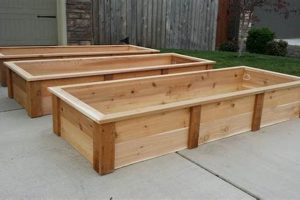
A contained planting area, elevated above ground level and situated adjacent to a vertical barrier, offers a structured environment for cultivating plants. This structure utilizes the support of an existing boundary, optimizing space and potentially benefiting from the fence’s microclimate effects.
Constructing an elevated planting space alongside a barrier provides several advantages. It facilitates improved soil management, drainage, and accessibility for planting and maintenance. Historically, such arrangements have been employed to maximize yields in limited areas, protect plants from certain pests, and enhance aesthetic appeal.
The subsequent discussion will address the construction, suitable plant selection, and ongoing maintenance considerations pertinent to optimizing this type of gardening setup. Topics include material selection, soil composition, and irrigation strategies that contribute to a thriving and productive planting zone.
Optimizing Elevated Planting Zones Near Vertical Barriers
The following tips offer guidance on establishing and maintaining successful elevated planting areas adjacent to fences. Careful consideration of these factors will contribute to a productive and aesthetically pleasing garden.
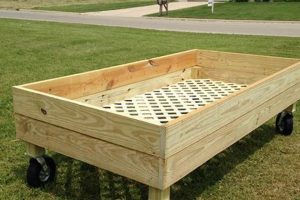
Tip 1: Material Selection. Choose durable, weather-resistant materials for constructing the frame. Untreated wood may decompose rapidly; consider rot-resistant lumber, composite materials, or treated wood alternatives with appropriate safety precautions.
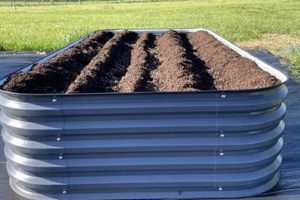
Tip 2: Soil Composition. Utilize a well-draining soil mix formulated for elevated planting. A blend of topsoil, compost, and perlite promotes aeration and nutrient availability for optimal plant growth.
Tip 3: Drainage Considerations. Ensure adequate drainage to prevent waterlogging and root rot. Installing drainage holes or a layer of gravel at the base of the structure facilitates proper water runoff.
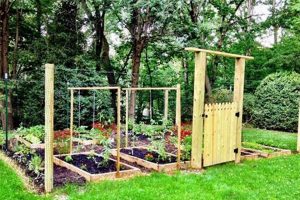
Tip 4: Plant Selection. Select plants that are appropriately sized for the space and that benefit from the microclimate provided by the fence. Climbing plants, such as beans or cucumbers, can utilize the fence for vertical support.
Tip 5: Fence Material Compatibility. Be mindful of the fence material and its potential effects on plant growth. Reflective surfaces can scorch foliage, while porous materials may draw moisture away from the soil.
Tip 6: Pest and Disease Management. Regularly inspect plants for signs of pests or diseases. Implement preventative measures, such as companion planting or organic pest control methods, to maintain plant health.
Tip 7: Irrigation Strategy. Implement a targeted irrigation system to deliver water directly to the root zone. Drip irrigation or soaker hoses minimize water waste and reduce the risk of fungal diseases.
Tip 8: Structural Support. Ensure the fence structure is strong enough to support the weight of the raised planting area, especially when filled with soil and mature plants. Consider adding additional bracing if necessary.
Adhering to these guidelines ensures a thriving and sustainable elevated planting area, capitalizing on the benefits of proximity to a vertical barrier.
The concluding sections will delve into specific plant recommendations and advanced techniques for enhancing the productivity of these planting environments.
1. Space Optimization

The utilization of vertical surfaces through the construction of elevated planting structures adjacent to fences directly addresses the imperative of space optimization, especially in environments with limited ground area. The planting zone’s linear configuration, benefiting from the fence’s presence, facilitates intensive cultivation. A notable example is the urban gardener who maximizes vegetable yield in a small backyard by growing climbing beans and tomatoes along a fence-supported structure. The effect of this spatial arrangement is a significant increase in productivity compared to traditional ground-level gardening. The structure provides a defined area, allowing for efficient resource allocation and concentrated plant care.
Further enhancement of space efficiency is achieved through strategic plant selection. Employing companion planting techniques within these structures allows for the simultaneous cultivation of mutually beneficial species, optimizing the use of available resources. For instance, interplanting basil with tomatoes in a structure near a fence can deter pests and improve tomato flavor. Additionally, the verticality provided by the fence allows for the growth of trailing or climbing plants, such as cucumbers or squash, which would otherwise require extensive ground space. Implementing these strategies maximizes the potential yield from a confined area.
In conclusion, the integration of elevated planting beds with fence structures provides a practical solution to space constraints in gardening. By leveraging vertical surfaces and employing strategic plant selection, individuals can significantly enhance productivity in limited spaces. The efficient use of available area, coupled with optimized resource allocation, underscores the importance of space optimization in cultivating productive and aesthetically pleasing planting environments.
2. Soil Retention

Soil retention is a critical factor in the functionality and longevity of elevated planting areas located next to fences. The very nature of such a structure necessitates a robust mechanism for preventing soil erosion and displacement. Without adequate containment, the soil medium, which supports plant life through the provision of essential nutrients and physical support, would gradually be lost, leading to decreased plant health and eventual structural instability. The fence, while serving as a physical boundary, does not inherently contribute to soil retention; the structure itself must be designed and built to effectively contain the soil mass.
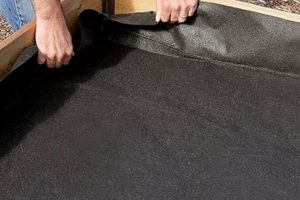
The absence of proper soil retention mechanisms manifests in several detrimental ways. Nutrient leaching occurs as rainwater washes away soluble nutrients from the unprotected soil. Soil compaction results from the lack of structural support, impeding root growth and water infiltration. Moreover, the displaced soil can accumulate at the base of the fence, potentially accelerating its deterioration. A practical example illustrating the significance of soil retention can be observed in structures utilizing inadequate materials for the base. Over time, these materials degrade, leading to soil leakage and a compromised planting environment. Conversely, structures constructed with durable, impermeable liners, such as heavy-duty plastic or geotextile fabric, effectively retain the soil, preserving its integrity and nutrient content.
Effective soil retention in elevated planting areas adjacent to fences requires careful consideration of materials, construction techniques, and ongoing maintenance. Employing durable, non-degradable materials for the structure’s walls and base is paramount. Implementing internal liners provides an additional layer of protection against soil erosion. Regular monitoring of the structure’s integrity and timely repairs are essential to maintain soil retention capacity. In summary, the ability to effectively contain and protect the soil is fundamental to the success and sustainability of these planting structures, ensuring a thriving environment for plant growth and long-term structural stability.
3. Fence Support

The structural integrity of a fence is intrinsically linked to the viability of an adjacent elevated planting bed. The fence, serving as a primary or secondary support, bears a considerable load from the soil, moisture, and mature plants within the contained area. If the fence is inadequately reinforced or inherently unstable, the additional weight can precipitate structural failure, resulting in collapse and potential damage to both the fence and the planting bed. A common example involves chain-link fences, often lacking the rigidity to withstand the lateral pressure exerted by a fully loaded planting structure. The resultant bowing or tilting compromises the bed’s functionality and aesthetic value, potentially leading to costly repairs or replacements.
Reinforcing the fence prior to constructing the elevated planting area is a crucial step. This can involve adding supplementary posts, using concrete footings to anchor the existing posts more securely, or installing bracing along the fence’s horizontal members. The selection of plants is equally important. Opting for lightweight planting mediums, such as soilless mixes, and choosing plant species with less extensive root systems reduces the overall burden on the fence. Regular monitoring for signs of stress, such as leaning or cracking, allows for timely intervention to prevent more significant structural problems. A real-world scenario illustrates this principle: homeowners who neglected to reinforce a pre-existing wooden fence experienced its gradual deterioration and eventual collapse within a single growing season, incurring substantial repair expenses.
In summary, the load-bearing capacity of the fence is a foundational consideration in the design and construction of an elevated planting area. Proper reinforcement, judicious plant selection, and vigilant monitoring are essential for ensuring the stability and longevity of both the fence and the cultivated plants. Failure to address this critical factor can lead to structural compromise and the premature failure of the entire system, highlighting the practical significance of understanding the relationship between fence strength and the stability of an adjacent elevated garden bed.
4. Plant Proximity

The spatial relationship between plant life and the adjacent fence significantly influences the success of a raised planting bed. Plant proximity directly affects access to sunlight, air circulation, and the availability of nutrients. Excessive proximity can lead to shading, restricted airflow, and competition for resources, while insufficient proximity may deprive plants of the structural support or microclimatic benefits the fence can provide. The cause-and-effect relationship is evident: strategic plant placement promotes healthy growth, while haphazard placement often results in stunted development or increased susceptibility to disease. An example includes positioning sun-loving vegetables too close to a solid fence, leading to etiolation and reduced yields. Conversely, vine species appropriately placed near the fence can utilize it for vertical support, maximizing space and sunlight exposure. Therefore, considering proximity is an essential component of effective planting bed design.
Optimal proximity is further defined by considering plant species’ specific needs. Taller varieties should be strategically placed to avoid casting shadows on shorter, sun-sensitive plants. Adequate spacing between individual plants is also critical to ensure proper air circulation, which helps to mitigate fungal diseases and promote healthy foliage. The fence material itself can influence proximity; reflective surfaces can intensify sunlight, requiring greater distance for sensitive plants, while porous materials may require closer placement to counteract increased water absorption. The placement should facilitate easy access for maintenance activities, such as weeding, watering, and harvesting. Consider, for instance, a gardener cultivating tomatoes in a planting bed near a wooden fence; the distance between the plants and the fence must allow for staking or caging without damaging the structure or restricting plant growth.
In summary, plant proximity is a crucial determinant of the health and productivity of a raised planting bed. The challenges of managing sunlight, airflow, and resource competition require a deliberate and informed approach to plant placement. The practical significance of understanding plant proximity lies in its capacity to transform a potentially problematic environment into a thriving and efficient garden space. Through careful consideration of plant species requirements, fence characteristics, and maintenance access, gardeners can optimize plant growth and maximize the benefits of a raised planting bed by a fence.
5. Material Durability

The longevity and functionality of any elevated planting structure adjacent to a fence are directly contingent upon the durability of the construction materials employed. Material durability encompasses resistance to environmental degradation, pest infestation, and structural compromise under sustained loads. Inferior materials exhibit premature decay, rendering the structure unstable and ultimately negating its purpose. This is particularly crucial due to the constant exposure to moisture, soil acidity, and fluctuating temperatures inherent in gardening applications. For instance, untreated softwood, when utilized in the construction of such a bed, often succumbs to rot and insect damage within a few seasons, necessitating costly repairs or complete replacement. The selection of appropriate, durable materials, therefore, represents a fundamental prerequisite for a successful and sustainable elevated planting system.
Considerations for material durability extend beyond mere resistance to decay. The material must also be structurally sound enough to withstand the weight of the soil, water, and mature plants. Lightweight, flexible materials may deform over time, leading to soil spillage and an uneven planting surface. Furthermore, the material’s resistance to weathering, including ultraviolet (UV) radiation and freeze-thaw cycles, is crucial for maintaining its integrity. A common example involves the use of plastic lumber, which, while resistant to rot, can become brittle and crack under prolonged UV exposure, ultimately shortening the lifespan of the structure. Alternatively, pressure-treated lumber, while durable, may leach chemicals into the soil, potentially affecting plant health. Therefore, a comprehensive understanding of material properties and their interaction with the environment is essential for informed material selection.
In summary, material durability is not merely a desirable attribute but a fundamental requirement for a functioning and sustainable raised planting bed by a fence. The choice of materials directly influences the structure’s lifespan, stability, and overall effectiveness. By prioritizing durable, weather-resistant, and structurally sound materials, individuals can ensure the long-term viability of their elevated planting systems and mitigate the need for frequent repairs or replacements. The informed selection of appropriate materials is, therefore, a crucial investment in the success and longevity of any gardening endeavor involving elevated structures.
6. Water Management

Effective water management is a critical determinant of the success and sustainability of any raised planting bed situated near a fence. The elevated nature of these structures, combined with the proximity of the fence, creates unique challenges in maintaining optimal soil moisture levels. Improper water management can lead to either overwatering or underwatering, both of which have detrimental effects on plant health and productivity. The confined volume of soil within the bed requires careful monitoring and precise control of irrigation. The fence itself can influence water distribution by creating shaded areas that reduce evaporation or by acting as a barrier to natural rainfall. Neglecting these factors can result in localized dryness or waterlogged conditions, impacting plant growth and overall yield. For example, a planting bed positioned against a south-facing fence in an arid climate might require more frequent irrigation due to increased evaporation rates, while a bed located near a north-facing fence in a humid climate might necessitate improved drainage to prevent root rot. Understanding the interplay between the planting structure, the fence, and the local climate is essential for implementing effective water management strategies.
Practical application of sound water management principles in this context involves several key techniques. Drip irrigation systems, which deliver water directly to the root zone, minimize water waste and reduce the risk of foliar diseases. Soil moisture sensors can provide real-time data on soil hydration levels, allowing for precise irrigation adjustments. Amending the soil with organic matter, such as compost or peat moss, improves its water-holding capacity and reduces the need for frequent watering. Constructing drainage holes at the base of the raised bed allows excess water to escape, preventing waterlogging and root rot. Mulching the soil surface helps to reduce evaporation and maintain consistent soil moisture levels. Choosing drought-tolerant plant species further reduces the demand for water and enhances the bed’s resilience in arid conditions. Regular monitoring of plant health, including leaf turgor and soil moisture, is crucial for identifying and addressing water-related issues promptly. These techniques, when applied thoughtfully and consistently, contribute to a thriving and water-efficient planting environment.
In summary, water management is an indispensable component of maintaining a healthy and productive raised planting bed by a fence. Understanding the environmental factors, implementing appropriate irrigation techniques, and diligently monitoring plant health are essential for achieving optimal soil moisture levels. The challenges posed by the elevated structure and the proximity of the fence necessitate a proactive and adaptive approach to water management. Addressing these challenges effectively ensures the long-term sustainability of the planting bed and maximizes its potential for yielding healthy and abundant crops.
7. Pest Control
The interaction between pests and a planting structure adjacent to a fence presents a unique challenge in horticultural management. Elevated planting areas are often perceived as offering inherent protection against certain ground-dwelling pests. However, the proximity of the fence can simultaneously create microclimates and harborage for a different spectrum of insects and pathogens. This duality necessitates a proactive and integrated pest management strategy that considers both the elevated environment and the influence of the neighboring structure. Neglecting this interconnectedness can result in significant crop damage and diminished garden yields. For instance, a fence overgrown with ivy may serve as a breeding ground for aphids, which then readily infest nearby vegetable plants in the raised bed. Thus, pest control is not merely an isolated practice but an essential component of holistic garden design.
Effective pest control in this setting involves several targeted approaches. Regular inspection of both the plants and the fence is crucial for early detection of pest infestations. Physical barriers, such as netting or row covers, can prevent insects from accessing the planting area. Biological controls, including the introduction of beneficial insects like ladybugs or lacewings, can naturally regulate pest populations. Furthermore, the use of organic pesticides, such as neem oil or insecticidal soap, provides a targeted approach to managing specific pests while minimizing harm to beneficial organisms. For example, applying diatomaceous earth around the base of plants can deter slugs and snails without introducing harmful chemicals into the soil. The strategic integration of these methods represents a practical and sustainable approach to pest management in raised planting beds near fences.
In summary, pest control is an indispensable aspect of cultivating successful raised planting beds adjacent to fences. The unique environmental factors created by this arrangement necessitate a comprehensive and adaptive pest management strategy. By understanding the interplay between the elevated structure, the fence, and the local pest ecosystem, gardeners can implement targeted interventions to protect their crops and maintain a thriving and productive garden. The practical significance of this understanding lies in its capacity to minimize crop losses, reduce the reliance on harmful chemicals, and promote a balanced and sustainable horticultural environment.
Frequently Asked Questions
The following section addresses common inquiries regarding the design, construction, and maintenance of elevated planting structures situated alongside fences. These questions aim to clarify essential aspects for successful implementation.
Question 1: What are the primary advantages of constructing a raised planting bed against a fence?
Utilizing the fence as a structural component offers spatial efficiency, particularly in constrained environments. Furthermore, the fence can provide a microclimate, sheltering plants from intense wind or direct sunlight. The elevated nature enhances accessibility for maintenance and reduces the need for bending or kneeling.
Question 2: What considerations are paramount when selecting materials for such a structure?
Material choice should prioritize durability, resistance to decay, and structural integrity under sustained weight. Rot-resistant wood, composite lumber, or treated timber are common choices. Avoid materials that leach harmful chemicals into the soil.
Question 3: How can the fence’s load-bearing capacity be assessed and enhanced?
Inspect the fence for signs of weakness or instability prior to construction. Reinforce existing posts with concrete footings or add additional bracing to distribute the weight. Consult a structural engineer if there are concerns about the fence’s integrity.
Question 4: What soil composition is most conducive to plant growth in this type of structure?
A well-draining soil mix consisting of topsoil, compost, and perlite is recommended. This blend promotes aeration, nutrient retention, and optimal drainage, preventing waterlogging and root rot.
Question 5: How should irrigation be managed to ensure proper hydration without overwatering?
Implementing a drip irrigation system or soaker hoses provides targeted watering at the root zone. Regularly monitor soil moisture levels and adjust irrigation frequency accordingly. Ensure adequate drainage to prevent water accumulation.
Question 6: What are effective strategies for managing pests in a planting bed adjacent to a fence?
Regularly inspect plants for signs of infestation. Utilize physical barriers, such as netting, and introduce beneficial insects for biological control. Apply organic pesticides as needed, ensuring minimal impact on beneficial organisms.
In summary, the effective design and management of an elevated planting structure next to a barrier require careful attention to material selection, structural reinforcement, soil composition, irrigation strategies, and pest control measures. Adhering to these guidelines will maximize the productivity and longevity of the gardening endeavor.
The following section will present case studies illustrating successful implementations of these principles.
Conclusion
This exploration has illuminated the multifaceted considerations involved in establishing and maintaining a successful planting structure integrated with a fence. The preceding discussion underscores the importance of material durability, structural support, appropriate soil composition, effective water management, and proactive pest control. Each element contributes to the overall health, productivity, and longevity of the planting environment.
The strategic implementation of these principles offers a valuable opportunity to maximize yields in limited spaces, enhance accessibility for gardeners, and create aesthetically pleasing landscapes. Further research and innovation in materials and techniques will likely yield even more effective and sustainable methods for cultivating thriving gardens within these specialized environments. Understanding and applying these concepts is paramount for achieving lasting success in the realm of elevated planting near boundaries.