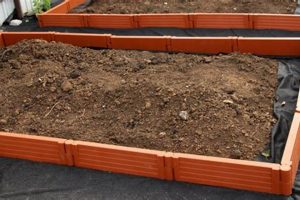
A mobile gardening structure elevates the growing surface above ground level and incorporates a wheeled base for easy relocation. These structures commonly utilize wood, metal, or durable plastic to contain soil and plants. Their design facilitates gardening in areas with limited ground space or unsuitable soil conditions, offering an adaptable solution for urban and suburban environments.
The elevated design reduces strain on the back and knees, rendering gardening accessible to individuals with mobility limitations. The portability enables strategic placement for optimal sunlight exposure throughout the year or protection from inclement weather. Historically, similar elevated gardening techniques have been employed to extend growing seasons and mitigate soilborne diseases, fostering increased crop yields in various climates.
The subsequent sections will address design considerations for these mobile gardens, including material selection, drainage solutions, and plant compatibility. Further, guidance will be provided on maintenance practices and strategies for maximizing productivity within these adaptable growing spaces.
Cultivating Success
Optimizing the performance of a portable, elevated planting bed requires careful planning and consistent execution. These suggestions address critical aspects of design, maintenance, and utilization.
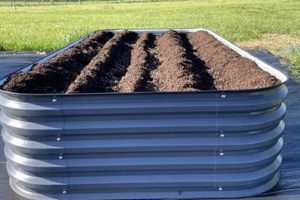
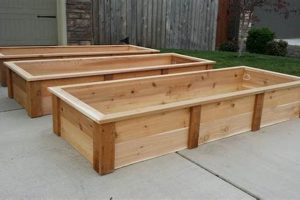
Tip 1: Select Durable Materials. The structure’s longevity is directly proportional to the quality of the materials used. Cedar, redwood, or pressure-treated lumber resist decay, while metal frames should be rust-resistant. High-quality plastics offer weather resilience.
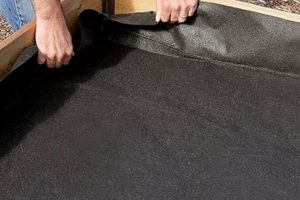
Tip 2: Ensure Adequate Drainage. Excess moisture leads to root rot. Integrate drainage holes into the bed’s base and line the bottom with landscape fabric to prevent soil loss.
Tip 3: Choose a Suitable Soil Mix. A lightweight, well-draining blend is essential. Combine equal parts compost, peat moss, and perlite or vermiculite to promote healthy root development.
Tip 4: Strategically Position for Sunlight. Most vegetables require at least six hours of direct sunlight daily. Utilize the mobility to adjust the garden’s location as the seasons change to maximize light exposure.
Tip 5: Implement a Consistent Watering Schedule. Monitor soil moisture levels regularly. Water deeply and thoroughly when the top inch of soil feels dry to the touch.
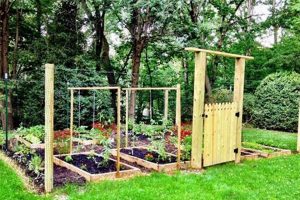
Tip 6: Provide Adequate Support. Climbing plants, such as tomatoes and cucumbers, require trellises or stakes to support their growth and prevent them from toppling over.
Tip 7: Consider Plant Compatibility. Group plants with similar water and nutrient needs to simplify maintenance and optimize growth. Avoid overcrowding, which can inhibit air circulation and increase the risk of disease.
Tip 8: Regularly Inspect for Pests and Diseases. Early detection is crucial for effective management. Implement preventative measures, such as introducing beneficial insects or applying organic pest control solutions.
By adhering to these guidelines, optimal plant health can be attained and the productivity of the mobile, elevated planting bed can be maximized.
The following sections will delve into advanced techniques for extending the growing season and maximizing the aesthetic appeal of these versatile gardening systems.
1. Mobility and Relocation

The core advantage of a wheeled, elevated planting bed resides in its inherent capacity for movement. This mobility permits relocation in response to fluctuating environmental conditions and evolving horticultural needs. The ability to reposition the structure directly influences plant health and productivity, especially in environments with inconsistent sunlight or temperature variations. A stationary garden bed lacks this adaptive capability, potentially limiting its effectiveness in dynamic settings.
The portability directly impacts the duration of the growing season. By moving the structure indoors or to a sheltered location, gardeners can mitigate the effects of late frosts or extreme heat, effectively extending the period of cultivation. Furthermore, mobility facilitates optimized sun exposure. As the sun’s angle shifts seasonally, the structure can be repositioned to ensure plants receive adequate sunlight, crucial for photosynthesis and overall growth. Real-world examples include urban gardeners utilizing limited balcony space and homeowners protecting vulnerable plants from sudden weather events by quickly moving the garden bed indoors.
In summary, mobility and relocation are not merely features but fundamental components enhancing the practicality of a wheeled, elevated planting bed. These attributes provide adaptive solutions to environmental challenges, promoting increased yields and extending growing seasons. However, potential challenges include the weight of the structure when fully loaded with soil and plants, requiring careful consideration of wheel durability and surface conditions for ease of movement. The understanding of this connection is paramount for optimizing the functionality and overall benefits of such a gardening system.
2. Material Durability

The longevity and sustained functionality of a wheeled, elevated planting bed are intrinsically linked to the durability of the constituent materials. Material selection directly impacts the structure’s resistance to environmental degradation and its capacity to withstand the stresses associated with repeated relocation. This correlation is paramount to ensuring the sustained viability of the gardening system.
- Resistance to Environmental Degradation
Materials such as untreated wood are susceptible to rot, insect infestation, and UV damage, significantly reducing the lifespan of the structure. Conversely, durable materials like treated lumber, metal with protective coatings, or high-density polyethylene offer superior resistance to these factors. For example, a cedar bed demonstrates greater resilience to decay than pine, extending its usability in humid environments. The use of appropriate materials mitigates the need for frequent repairs or replacements.
- Structural Integrity Under Load
The structural components must withstand the combined weight of the soil, plants, and accumulated moisture. Inadequate material strength leads to warping, cracking, or collapse, rendering the structure unusable. Steel frames or reinforced wood constructions provide enhanced load-bearing capacity. For instance, improperly chosen fasteners can fail under stress, leading to structural instability. Choosing appropriate construction methods that match materials, such as welding rather than screwing a metal frame, enhances structural integrity.
- Resistance to Physical Damage During Relocation
The act of moving a fully loaded planting bed introduces the potential for impacts and abrasions. Materials prone to chipping, denting, or scratching compromise the aesthetic appeal and structural integrity of the structure. Protective coatings and robust material choices, such as powder-coated steel or impact-resistant plastics, mitigate these risks. The selection of wheels and their attachment points is also crucial; durable wheels and secure mounting hardware prevent detachment and ensure smooth, controlled movement.
- Long-Term Cost-Effectiveness
While initial costs may be higher for more durable materials, the extended lifespan and reduced maintenance requirements contribute to long-term cost savings. The frequent replacement of inferior materials necessitates recurring expenses and labor. An investment in high-quality, durable materials represents a fiscally prudent approach to ensuring the sustained functionality of the wheeled, elevated planting bed. Example: Stainless steel hardware resists corrosion, and may outlast cheaper steel, eliminating the need for frequent replacement.
The selection of durable materials directly influences the operational lifespan, structural integrity, and long-term cost-effectiveness of wheeled, elevated planting beds. Considering these factors is crucial for maximizing the return on investment and ensuring a sustainable gardening solution. Neglecting material durability undermines the benefits associated with mobility and elevated gardening, ultimately diminishing the practicality of the system.
3. Drainage Efficiency

Effective drainage constitutes a critical component of a successful wheeled, elevated planting bed. The enclosed nature of these structures necessitates meticulous management of water retention to prevent detrimental consequences for plant health. Insufficient drainage leads to waterlogged soil, creating anaerobic conditions that suffocate roots, fostering fungal diseases, and inhibiting nutrient uptake. Conversely, excessive drainage results in rapid desiccation, requiring frequent irrigation and potentially stressing plants. The inherent design of wheeled, elevated beds amplifies the importance of drainage compared to in-ground gardening, where excess water can naturally dissipate into the surrounding soil. An example includes the yellowing leaves, or plant death, stemming from excess water retained due to poorly drained elevated beds.
Optimal drainage solutions for wheeled, elevated beds typically involve a combination of factors. The selection of a well-draining soil mix, incorporating components like perlite or vermiculite, facilitates water movement. The presence of adequate drainage holes in the base of the structure allows excess water to escape. Lining the bed with landscape fabric prevents soil erosion through the drainage holes while permitting water passage. Adjustments may be needed based on the specific plant species cultivated. For instance, plants requiring drier conditions, such as succulents, benefit from a coarser soil mix and fewer waterings compared to moisture-loving plants. The strategic placement of drainage holes, ensuring they are not obstructed by the supporting surface, is also vital. Failure to address these factors leads to compromised plant health, diminished yields, and potentially complete crop failure.
In summary, drainage efficiency directly impacts plant health and overall productivity within a wheeled, elevated planting bed. Understanding the principles of water management and implementing appropriate drainage solutions is paramount to realizing the full potential of these gardening systems. The balance between retaining sufficient moisture and preventing waterlogging is key. Though challenging, careful monitoring and adaptation based on environmental conditions and plant requirements yield healthier growth, more robust plants and optimized gardening results. Ignoring drainage principles jeopardizes the investment in time, resources, and effort allocated to this mode of gardening.
4. Ergonomic Accessibility

Ergonomic accessibility represents a critical consideration in the design and utilization of wheeled, elevated planting beds. The inherent elevation of these structures reduces the physical strain associated with traditional ground-level gardening, rendering the activity more approachable for individuals with mobility limitations or physical constraints. Furthermore, the mobility afforded by the wheeled base enhances adaptability and ease of access for a wider range of users.
- Reduced Bending and Kneeling
The elevated planting surface minimizes the need for prolonged bending and kneeling, alleviating stress on the back, knees, and hips. This feature is particularly beneficial for older adults, individuals with arthritis, or those recovering from injuries. For instance, a gardener with chronic back pain can comfortably tend to plants without exacerbating their condition, promoting sustained engagement in gardening activities. The height of the bed should be chosen to allow an easy reach, minimizing body contortions.
- Adjustable Working Height
While the overall height is fixed, the wheeled nature of the bed allows for relocation and repositioning to match other supportive structures such as benches, walls or tables. These locations can provide leverage and support for gardeners as they work. This flexibility enhances comfort and reduces the risk of over-extension. The ability to relocate the bed to a shaded location for midday gardening in hot climates also reduces strain on the body.
- Improved Reach and Visibility
The raised planting surface improves the gardener’s reach and visibility, simplifying tasks such as weeding, pruning, and harvesting. This enhanced accessibility reduces the need for excessive stretching or straining, promoting greater efficiency and reducing the risk of injury. Examples include easier removal of weeds at the rear of the bed, or more convenient harvesting of ripe tomatoes without needing to lean deeply into the garden.
- Adaptability to Diverse Needs
The versatility of wheeled, elevated planting beds allows for customization to accommodate diverse needs and preferences. The height of the bed can be chosen to suit individual physical capabilities, and the wheeled base enables easy relocation to optimize access for individuals using wheelchairs or other mobility aids. For instance, a gardener using a wheelchair can position the bed at a comfortable working height and easily maneuver around it to access all areas of the planting surface.
Ergonomic accessibility is a central factor contributing to the inclusivity and widespread appeal of wheeled, elevated planting beds. The reduced physical strain, improved reach, and adaptability to diverse needs render gardening accessible to a broader segment of the population, fostering increased participation and enjoyment. The intersection of ergonomic design and horticultural practice enhances the overall gardening experience and promotes the well-being of the user.
5. Spatial Optimization

Spatial optimization, in the context of a wheeled, elevated planting bed, refers to maximizing the efficient use of available space for gardening purposes. It encompasses strategic planning and implementation to cultivate plants within confined areas while achieving optimal growth and yield. The inherent design of the wheeled, elevated bed lends itself to spatial optimization in various settings.
- Vertical Gardening Integration
The elevated structure provides a platform for integrating vertical gardening techniques. Trellises, stakes, or hanging planters can be affixed to the bed, expanding the growing area beyond the horizontal plane. This approach is particularly valuable in limited spaces, such as balconies or patios, where ground-level gardening is impractical. Example: attaching a trellis for climbing cucumbers or tomatoes significantly increases yield within the same footprint.
- Strategic Plant Selection and Arrangement
Careful consideration of plant size, growth habits, and compatibility is essential for spatial optimization. Companion planting, where mutually beneficial species are grown together, can enhance growth and deter pests. Taller plants can be positioned strategically to provide shade for lower-growing, shade-tolerant species. Efficient spatial planning maximizes the use of available resources and promotes healthy plant development. Example: Planting basil near tomatoes repels pests and improves tomato flavor, while also utilizing the understory beneath the tomato plants.
- Mobility for Sunlight Maximization
The wheeled base enables the relocation of the planting bed to optimize sunlight exposure throughout the day. By adjusting the position of the bed in response to changing sunlight patterns, gardeners can ensure that plants receive adequate light for photosynthesis. This is particularly crucial in urban environments where buildings or other structures may obstruct sunlight. Example: Moving the planting bed throughout the day to follow the sun’s path, ensuring maximum light exposure in shaded areas.
- Modular Design and Customization
The elevated and self-contained nature of the wheeled bed facilitates modular design and customization. Multiple beds can be arranged to create diverse garden layouts, adapting to specific spatial constraints and aesthetic preferences. The ability to easily reconfigure the garden arrangement allows for dynamic spatial optimization as plants grow and needs change. Example: Combining several smaller wheeled beds to create a larger, interconnected garden area that can be easily reconfigured as needed.
The principles of spatial optimization are integral to maximizing the productivity and efficiency of wheeled, elevated planting beds. These methods allow gardeners to cultivate in environments where space may be limited, all while improving plant health and yields. Careful planning, plant selection, and an understanding of environmental conditions are essential to capitalizing on the spatial advantages afforded by these systems. The result is a highly adaptable and productive gardening solution, tailored to individual needs and spatial constraints.
Frequently Asked Questions
The following addresses common inquiries and clarifies crucial aspects of wheeled, elevated planting beds, providing succinct and objective responses.
Question 1: What distinguishes a wheeled, elevated planting bed from a standard in-ground garden?
A wheeled, elevated planting bed is a self-contained gardening system, raised above ground level, and equipped with a wheeled base for mobility. This contrasts with in-ground gardens, which are directly integrated into the native soil and lack portability.
Question 2: What are the primary advantages of using a wheeled, elevated planting bed?
The advantages include enhanced accessibility for individuals with mobility limitations, improved soil control, protection from soilborne pests and diseases, ease of relocation for optimal sunlight exposure, and the ability to garden in areas with unsuitable native soil.
Question 3: What materials are best suited for constructing a durable wheeled, elevated planting bed?
Durable materials include cedar, redwood, pressure-treated lumber, rust-resistant metals, and high-density polyethylene. The choice depends on budget, aesthetic preferences, and environmental conditions.
Question 4: How is proper drainage achieved in a wheeled, elevated planting bed?
Proper drainage involves the use of a well-draining soil mix, the inclusion of adequate drainage holes in the base of the bed, and the potential use of landscape fabric to prevent soil erosion through the drainage holes.
Question 5: What factors should be considered when selecting plants for a wheeled, elevated planting bed?
Considerations include plant size, growth habits, sunlight requirements, water needs, and compatibility with other species. Vertical gardening techniques can maximize spatial efficiency.
Question 6: How is maintenance of a wheeled, elevated planting bed different from that of an in-ground garden?
Maintenance differs primarily in the frequency of watering and fertilization. The contained environment of the elevated bed may require more frequent irrigation, while nutrient levels should be monitored and replenished as needed. Weed control is typically easier due to the raised structure and controlled soil environment.
In summation, wheeled, elevated planting beds offer a flexible and accessible gardening solution, but require careful attention to material selection, drainage, and plant compatibility. Adherence to these guidelines ensures optimal growth and longevity.
The subsequent section will explore advanced techniques for optimizing the performance of wheeled, elevated planting beds in diverse climates.
Conclusion
This exploration has underscored the multifaceted utility of the raised bed garden on wheels. From its inherent mobility to its implications for ergonomic accessibility and spatial optimization, this system represents a significant advancement in horticultural practices. The careful consideration of material durability and drainage efficiency is paramount to maximizing its operational lifespan and ensuring optimal plant health. Further, the strategic integration of vertical gardening techniques enhances its capacity to provide fresh produce within confined urban environments.
The raised bed garden on wheels offers a tangible solution to address challenges of space limitation, physical accessibility, and soil quality degradation. The sustained adoption of this system promises to empower individuals to cultivate their own food sources, promoting self-sufficiency and enhancing environmental stewardship within an increasingly urbanized world. Continued research and development in design and materials will refine this technology further, enabling it to play an increasingly vital role in fostering sustainable food systems.