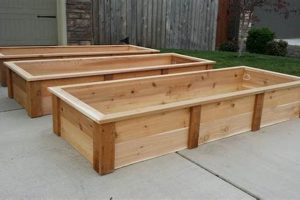
Implements and materials designed to enhance the functionality and productivity of elevated planting structures constitute a category of gardening provisions. Examples encompass row covers for weather protection, irrigation systems for efficient watering, and soil testing kits for nutrient management.
The judicious selection and application of such items can significantly improve horticultural outcomes. Benefits include extended growing seasons, minimized pest and weed infiltration, and optimized resource utilization. Historically, gardeners have employed rudimentary versions of these aids to address specific environmental challenges and maximize yields.
The subsequent sections will delve into specific types, their applications, and considerations for selection to foster successful elevated cultivation practices.
Practical Guidance for Enhanced Elevated Planting
The effective utilization of implements designed for elevated garden structures can significantly impact yield and plant health. The following points offer guidance on selecting and deploying items to optimize horticultural practices.
Tip 1: Optimize Irrigation. Drip irrigation systems or soaker hoses deliver water directly to the root zone, minimizing water waste and reducing the risk of foliar diseases. Consider a timer for automated watering schedules.
Tip 2: Implement Pest Control Measures. Row covers create a physical barrier against insects. Yellow sticky traps can also be employed to monitor and control flying pests.
Tip 3: Maintain Soil Health. Regular soil testing provides insights into nutrient levels. Amend the soil with compost or other organic matter as needed to ensure optimal growing conditions.
Tip 4: Provide Adequate Support. Trellises or stakes offer support for climbing or vining plants, preventing overcrowding and promoting airflow. Select materials appropriate for the plant’s size and weight.
Tip 5: Extend the Growing Season. Cold frames or greenhouse attachments create a protected environment, allowing for earlier planting and later harvesting. Monitor temperature and ventilation to prevent overheating.
Tip 6: Manage Weeds Effectively. Landscape fabric or mulch suppresses weed growth, reducing competition for resources. Choose breathable materials to allow water and nutrients to penetrate the soil.
Tip 7: Ensure Proper Drainage. Use drainage fabric at the bottom of the structure to prevent soil compaction and waterlogging. This is particularly important in regions with heavy rainfall.
Implementing these strategies promotes healthy plant growth, conserves resources, and maximizes the productivity of elevated gardens. Careful planning and execution are essential for achieving desired results.
The subsequent section will address considerations for the long-term maintenance and care of both the raised garden bed and its supporting elements.
1. Irrigation Efficiency
Irrigation efficiency, within the context of elevated planting structures, refers to minimizing water loss while maximizing the delivery of moisture to plant root zones. The selection and implementation of specific implements significantly affects water conservation and plant health. In elevated beds, soil tends to dry out more rapidly than in-ground gardens due to increased exposure and drainage. Therefore, efficient watering methods become crucial.
Drip irrigation systems exemplify efficient water management in this setting. These systems deliver water directly to the base of plants, reducing evaporation and runoff. For instance, a timer-controlled drip system can be configured to water early in the morning when evaporation rates are lower, and plants are most receptive. Soaker hoses offer another alternative, providing slow, targeted watering. Improper irrigation can lead to water waste, nutrient leaching, and increased susceptibility to diseases. Using rain barrels and utilizing collected water ensures efficient use and reduces water consumption cost.
Optimizing irrigation is an important factor in elevated structure gardening. Selecting appropriate tools, and scheduling regimes based on plant needs and environmental conditions are essential practices. By prioritizing efficient water usage, gardeners can promote robust plant growth, conserve resources, and minimize the environmental impact of their gardening practices.
2. Pest Deterrents

Effective pest management is crucial for the success of elevated gardens. Various implements function as pest deterrents, protecting crops from infestation and damage. The use of these measures directly affects plant health and overall yield. Infestations, if left unchecked, can decimate entire crops, highlighting the significance of integrating preventative and reactive pest control strategies within the overall design and maintenance of these structures.
Row covers represent a primary defense, creating a physical barrier against a range of insects, from aphids to cabbage moths. These lightweight fabrics allow sunlight, air, and moisture to penetrate while preventing pests from reaching plants. Yellow sticky traps, another common item, attract and capture flying insects, providing an early warning system for potential infestations and reducing pest populations. Companion planting, where specific plants are strategically placed to repel or confuse pests, offers a natural method of deterrent. For example, planting marigolds alongside vegetables can deter nematodes and other harmful insects. The integration of netting for physical barriers, diatomaceous earth to disrupt insect exoskeletons, and organic pesticides constitute multifaceted measures. These tools are essential for elevated gardening.
The selection and implementation of appropriate pest deterrents constitutes a fundamental aspect of elevated cultivation. By proactively managing pests, gardeners can minimize crop damage, reduce reliance on chemical pesticides, and promote sustainable and productive ecosystems within the controlled environment of elevated planting structures.
3. Soil Amendment

Soil amendment, in the context of elevated planting structures, represents a critical factor directly influencing plant health and productivity. Elevated beds often utilize imported soil mixes, necessitating careful attention to their initial composition and subsequent nutrient management. The quality of the soil directly impacts drainage, nutrient retention, and root development, all essential for successful cultivation within the confines of a raised environment. Improper soil composition can lead to stunted growth, nutrient deficiencies, and increased susceptibility to diseases.
Various items fall under the umbrella of soil amendment. Compost, a decomposed organic matter, introduces beneficial microbes and enhances soil structure. Peat moss improves water retention, while perlite or vermiculite increases aeration, preventing soil compaction. Soil testing kits provide valuable insights into nutrient levels, allowing for targeted application of fertilizers or amendments such as lime (to increase pH) or sulfur (to decrease pH). The strategic incorporation of these tools and materials allows gardeners to customize the soil medium to meet the specific needs of the plants being cultivated. For instance, acid-loving plants like blueberries benefit from the addition of sphagnum peat moss to lower the pH of the soil.
The integration of appropriate soil amendment practices constitutes a fundamental aspect of successful gardening in elevated structures. Regular monitoring of soil conditions and the targeted application of amendments promote healthy plant growth, maximize yields, and contribute to the long-term sustainability of the elevated growing environment. Neglecting soil amendment can result in nutrient imbalances and hinder plant growth, negating many of the advantages offered by raised beds.
4. Plant Support

Plant support within the context of elevated gardens refers to structures and implements employed to aid the vertical growth and stability of cultivated plants. These supports mitigate issues such as overcrowding, stem breakage, and fruit rot, directly impacting yield and plant health. The selection and implementation of appropriate support systems are integral to maximizing the potential of elevated growing spaces.
- Trellises
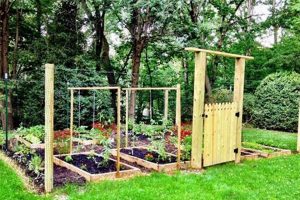
Trellises are frameworks, typically constructed of wood, metal, or plastic, that provide climbing plants with a vertical surface to ascend. Examples include A-frame trellises for cucumbers and vertical trellises for tomatoes or pole beans. Trellises improve airflow, reduce disease incidence, and facilitate harvesting. They maximize space utilization within elevated beds by encouraging upward growth rather than sprawling horizontally.
- Stakes
Stakes are individual supports driven into the soil to provide stability to plants with weak or brittle stems. Tomato stakes, for instance, prevent fruit-laden branches from breaking. Stakes are commonly crafted from wood, bamboo, or metal. They offer targeted support, preventing plants from leaning or falling over, particularly in windy conditions.
- Cages
Cages are freestanding structures that encircle plants, providing support as they grow. Tomato cages are a prevalent example. They prevent sprawling and keep fruit off the ground, reducing the risk of rot. Cages offer comprehensive support, particularly for bush-type varieties that tend to spread outwards.
- Netting
Netting, typically made of plastic or nylon, can be stretched horizontally or vertically to provide support for climbing plants or to prevent ground contact for sprawling plants like strawberries. Pea netting, for example, allows tendrils to grasp and climb. Netting offers a flexible and versatile support option, adaptable to various plant sizes and growth habits.
These support systems directly enhance the productivity and efficiency of elevated gardens. By providing adequate structural assistance, these implements contribute to healthier, more productive plants, maximizing the yield and aesthetic appeal of the cultivated space. The choice of plant support depends on the specific plant, the size of the bed, and the desired aesthetic.
5. Season Extension

Season extension, in the context of elevated gardening, involves employing implements to lengthen the growing period beyond the typical regional climate limitations. These implements, often categorized as accessories for elevated beds, counteract frost, excessive heat, or other environmental factors that would otherwise curtail plant growth. The purposeful application of these items allows gardeners to initiate planting earlier in the spring, extend harvests later into the fall, and in some cases, facilitate year-round cultivation. The underlying cause is the provision of a more stable and favorable microclimate for plant development, directly impacting crop yields and overall productivity.
Several types of structures and materials serve this purpose. Cold frames, for instance, are transparent-roofed enclosures that trap solar heat, protecting seedlings from frost and allowing for earlier planting of cool-season crops. Row covers, lightweight fabrics draped over plants, provide insulation against frost and create a warmer microclimate. High tunnels or hoop houses, larger structures often constructed over elevated beds, offer more substantial protection and can significantly extend the growing season. For instance, a gardener in a temperate zone might use a cold frame to start tomatoes several weeks before the last expected frost, then transition to row covers as the weather warms to protect against insect pests and temperature fluctuations. Furthermore, strategically placed thermal mass, such as water-filled containers, can absorb heat during the day and release it at night, moderating temperature swings within enclosed spaces. A correct application ensures a harvest window for temperature-sensitive cultivars like tomatoes or peppers even in areas with short summer seasons.
The understanding of the connection between season extension and elevated cultivation practices is important. Elevated garden structures combined with season extension technologies increase the availability of fresh produce, enabling more self-sufficient food systems. Challenges include the initial investment in materials and the need for careful monitoring and management of the enclosed environments to prevent overheating or disease outbreaks. Despite these challenges, the benefits of extended growing seasons and increased yields make this combination a valuable strategy for both home gardeners and commercial growers.
6. Weed Control

Effective management of unwanted vegetation represents a critical component of successful elevated garden cultivation. Suppression methods directly influence plant health, resource availability, and overall productivity within the confined spaces of raised beds. Various implements and materials, often categorized as implements, are deployed to minimize weed encroachment and competition.
- Landscape Fabric Barriers
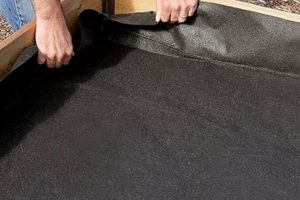
Landscape fabric, typically made from woven or non-woven synthetic materials, serves as a physical barrier that inhibits weed growth from below. This fabric is installed at the base of the raised bed, preventing weed seeds present in the underlying soil from germinating and penetrating the growing medium. Proper installation requires overlapping seams and securing edges to prevent weed encroachment. Its efficacy extends the lifespan of the planting medium and reduces the need for manual weeding.
- Mulch Application
Mulch, comprising organic or inorganic materials, acts as a surface barrier to suppress weed germination and growth. Organic mulches, such as wood chips, straw, or shredded bark, decompose over time, enriching the soil with nutrients. Inorganic mulches, such as gravel or plastic sheeting, offer longer-lasting weed control but do not contribute to soil health. The depth of mulch application is crucial; a sufficient layer (typically 2-4 inches) is necessary to effectively block sunlight and prevent weed seeds from germinating. This suppresses weed growth and conserves soil moisture.
- Herbicide Application
Selective herbicides, formulated for use in garden settings, can target specific weed species while minimizing harm to desired plants. Pre-emergent herbicides prevent weed seeds from germinating, while post-emergent herbicides kill existing weeds. It is important to select herbicides appropriate for the specific plants being cultivated in the raised bed and to follow label instructions carefully to avoid unintended damage. Responsible herbicide application can provide effective weed control, particularly in situations where other methods are insufficient.
- Manual Weeding Tools
An array of hand tools assists in the physical removal of weeds from raised beds. Hoes, cultivators, and hand forks facilitate the loosening of soil and the extraction of weed roots. Regular manual weeding is essential to prevent weeds from establishing and competing with desired plants for resources. This method is most effective when weeds are small and before they have a chance to set seed.
The selection and application of weed control tools directly impact the health and productivity of elevated gardens. Integrated weed management strategies, combining multiple methods, offer the most effective and sustainable approach to maintaining weed-free growing environments. Considerations for factors such as soil type, plant species, and environmental conditions are essential for achieving optimal results and minimizing the need for chemical intervention.
Frequently Asked Questions
The following section addresses common inquiries regarding implements and materials designed to optimize the performance of elevated gardens. The aim is to provide clarity and guidance for effective selection and utilization.
Question 1: What constitutes essential items for initial setup?
Durable landscape fabric is fundamental for weed suppression beneath the structure. A high-quality soil mix, tailored to the intended plants, ensures adequate drainage and nutrient availability. A watering can or soaker hose is necessary for initial irrigation until a more sophisticated system is implemented.
Question 2: How does one determine the appropriate type of irrigation?
Drip irrigation is generally recommended for its efficiency in delivering water directly to plant roots, minimizing water loss through evaporation. Soaker hoses offer a similar benefit but may be less precise. The choice depends on the size and layout of the bed, as well as the water requirements of the plants being cultivated.
Question 3: Are pest deterrents always necessary?
The need for pest management depends on the regional pest pressure and the susceptibility of the plants being grown. Row covers provide a physical barrier against many common pests and are generally recommended as a preventative measure, particularly during vulnerable stages of plant growth.
Question 4: What role does soil testing play in elevated structure maintenance?
Regular soil testing provides insights into nutrient levels and pH balance, enabling informed decisions regarding soil amendments. This prevents nutrient deficiencies or toxicities that can hinder plant growth and reduce yields. Testing frequency depends on the type of soil mix used and the nutrient demands of the plants.
Question 5: How can one extend the growing season effectively?
Cold frames, hoop houses, and row covers are all effective for season extension. The choice depends on the level of protection required and the desired length of extension. Cold frames offer moderate protection for early spring or late fall crops, while hoop houses provide more substantial insulation for year-round cultivation in some climates.
Question 6: What are the long-term maintenance requirements for these items?
Landscape fabric should be inspected periodically for tears or damage, and repaired or replaced as needed. Drip irrigation systems require flushing to prevent clogging. Soil should be amended regularly to replenish nutrients. Row covers should be cleaned and stored properly when not in use to prevent degradation from sunlight and weather exposure.
These responses provide a foundation for understanding the importance of proper selection, implementation, and maintenance practices associated with various aspects. These practices also enhance the overall effectiveness and longevity of elevated planting systems.
The concluding section will summarize key considerations for optimizing elevated gardening practices, providing a cohesive framework for successful cultivation.
Conclusion
This exploration has underscored the critical role that implements play in maximizing the benefits of elevated gardens. Careful selection and strategic deployment of items related to irrigation, pest control, soil health, plant support, season extension, and weed suppression are essential for achieving optimal plant growth and sustainable yields. The interconnectedness of these facets necessitates a holistic approach to garden management.
Continued research and innovation in implements are poised to further enhance the efficiency and productivity of elevated planting systems. The informed adoption of these advancements, coupled with diligent maintenance practices, will empower gardeners to cultivate thriving ecosystems within these controlled environments. Thoughtful planning and execution are therefore paramount for realizing the full potential of elevated cultivation practices.