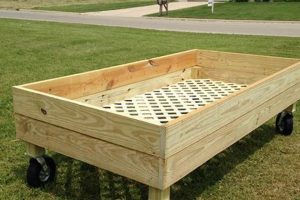
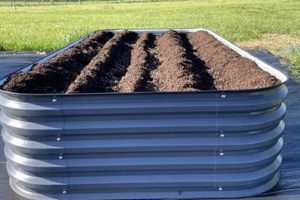
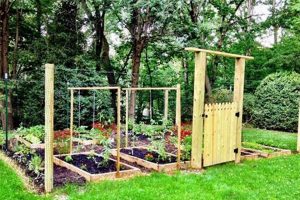
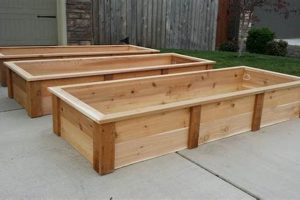
Structures crafted from repurposed railway sleepers, elevated above the ground, offer a defined planting area. These constructions provide a contained space for cultivating flowers, vegetables, or herbs, separating the soil within from the surrounding environment. A common example involves stacking the timbers to create a rectangular or square enclosure, which is then filled with soil.
Utilizing robust, recycled materials for gardening purposes contributes to extending the lifespan of these resources and minimizes landfill waste. Elevated beds constructed in this fashion improve soil drainage, reduce weed intrusion, and can alleviate back strain during planting and maintenance. Their presence also adds a rustic aesthetic to landscaping designs, blending practicality with visual appeal. Historically, the use of reclaimed materials in gardens reflects a resourceful approach to land management and a desire to minimize environmental impact.
The subsequent sections will delve into the selection process, construction techniques, potential environmental considerations, and alternative materials for creating this particular type of horticultural feature. The focus will be on providing practical guidance and informed perspectives.
Construction and Maintenance Recommendations
The following recommendations aim to facilitate the successful creation and upkeep of elevated garden beds utilizing reclaimed timbers.
Tip 1: Timber Assessment. Prior to construction, thoroughly inspect the reclaimed materials for signs of decay or excessive chemical treatment. Discard any timbers exhibiting significant rot or instability to ensure structural integrity and minimize potential environmental concerns.
Tip 2: Secure Foundation. Prepare a level base for the structure. This may involve excavating a shallow trench and filling it with gravel to promote drainage and prevent settling. Proper leveling is crucial for stability.
Tip 3: Interlocking Techniques. Employ robust joining methods to secure the timbers. Options include using landscape screws, metal brackets, or interlocking corner joints. These techniques enhance structural stability and longevity.
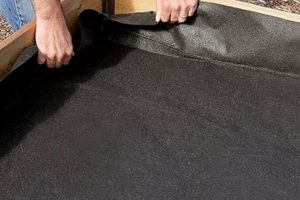
Tip 4: Liner Installation. Consider installing a liner between the timbers and the soil to prevent direct contact. This barrier can reduce the leaching of potential preservatives from the wood into the soil, safeguarding plant health.
Tip 5: Soil Composition. Select a well-draining soil mix appropriate for the intended plants. A blend of topsoil, compost, and peat moss typically provides adequate nutrients and drainage.
Tip 6: Drainage Enhancement. Ensure adequate drainage by incorporating drainage layers within the bed. Adding gravel or other coarse materials at the base of the structure can prevent waterlogging.
Tip 7: Regular Inspection. Periodically inspect the structure for signs of deterioration or insect infestation. Address any issues promptly to prevent significant damage and prolong the lifespan of the garden bed.
Adherence to these recommendations promotes the creation of a durable, functional, and aesthetically pleasing garden feature. Careful planning and execution are paramount for long-term success.
The subsequent section will address potential environmental considerations associated with this construction method and explore alternative materials.
1. Material Durability

The longevity of a structure built from reclaimed railway timbers is inextricably linked to the inherent properties of the material. The choice of timber directly dictates the garden bed’s resistance to environmental degradation, including moisture absorption, fungal decay, and insect infestation. Creosote treated timbers, while historically used for their preservative qualities, present environmental concerns. Untreated timbers, conversely, degrade more rapidly, necessitating vigilant maintenance or replacement. The selection of robust, naturally durable wood species, such as redwood or cedar, offers a compromise, providing moderate resistance to decay without the use of potentially harmful chemicals. The structural integrity of the enclosure over time is therefore fundamentally dependent on the initial quality and treatment of the employed materials.
One critical consideration involves assessing the timber’s pre-existing condition. Exposure to weather cycles, soil contact, and previous loads can weaken the structure of repurposed materials. For example, timbers exhibiting significant cracking, splitting, or signs of rot compromise overall durability, leading to premature failure. Practical application of this understanding manifests in careful inspection and rejection of compromised timbers, alongside the implementation of protective measures such as applying sealant or elevating the structure above direct soil contact to mitigate moisture exposure. Careful material selection ensures the investment remains viable over an extended period.
In summary, material durability is a paramount factor in the successful construction of garden beds made from timbers. The choice of wood species, its treatment history, and its pre-existing condition all contribute to the lifespan and structural stability of the resulting garden. A comprehensive understanding of these factors, coupled with proactive maintenance, ensures the longevity and effectiveness of these garden structures, mitigating the need for frequent repairs or replacements and offering a sustainable gardening solution.
2. Soil Containment

Soil containment is a fundamental consideration in the construction and utilization of raised garden beds. The structural integrity of the enclosure directly affects its capacity to retain soil, maintain desired soil composition, and prevent erosion or dispersal of growing media. The effectiveness of soil containment is paramount to the success of the planting area.
- Structural Integrity and Material Selection
The ability of the timbers to withstand the lateral pressure exerted by the soil is critical. Material selection plays a significant role; decaying or poorly joined timbers are prone to bulging or collapsing, leading to soil loss. A robust design, incorporating appropriate fasteners and reinforced corners, mitigates this risk. For example, improperly secured timbers may separate during freeze-thaw cycles, causing soil to spill and compromising the raised beds integrity.
- Erosion Control and Drainage Management
Effective soil containment minimizes erosion caused by rainfall or irrigation. The construction should facilitate proper drainage to prevent waterlogging, which can destabilize the soil structure and lead to its gradual washing away. A well-designed system incorporates drainage layers or weep holes, allowing excess water to escape while retaining the soil particles. Absence of these features can result in soil compaction and increased erosion potential.
- Nutrient Retention and Soil Composition
A contained environment allows for precise control over soil composition and nutrient levels. The timbers prevent the leaching of essential nutrients into the surrounding soil, ensuring that plants receive the necessary nourishment. This control is particularly beneficial when cultivating plants with specific soil requirements. Without proper containment, nutrients may dissipate, leading to deficiencies and reduced plant vigor.
- Weed Suppression and Pest Management
Effective soil containment helps to minimize weed intrusion from the surrounding environment. By creating a physical barrier, the timbers prevent weed seeds and rhizomes from infiltrating the planting area, reducing the need for herbicides or manual weeding. Furthermore, containment aids in managing soilborne pests, preventing their spread and facilitating targeted control measures. Compromised soil containment can negate these benefits, increasing the labor required for maintenance.
These facets highlight the essential role of soil containment in maximizing the benefits of elevated garden beds. By ensuring structural integrity, managing drainage, retaining nutrients, and suppressing weeds, the system promotes a healthy and productive growing environment. Attention to detail during construction and ongoing maintenance are crucial for realizing the full potential of this gardening approach. Further examples would be using proper liners to protect the longevity of the timbers and proper drainage to eliminate soil break down.
3. Structural Integrity

The longevity and functionality of a raised garden constructed from reclaimed railway timbers hinge fundamentally on its structural integrity. The timbers, often subject to prior environmental stresses and potential decay, must be assembled in a manner that withstands the lateral pressure exerted by the contained soil, the weight of saturated soil, and external forces such as temperature fluctuations and potential impacts. Failure to ensure adequate structural integrity can result in collapse, soil spillage, and ultimately, the loss of the garden bed’s intended purpose. For instance, improperly joined timbers may separate under the weight of moist soil, leading to bulging walls and a compromised growing environment.
Several factors contribute to the structural soundness of such a garden. The choice of joining methods whether interlocking joints, metal fasteners, or bracing significantly impacts its ability to resist deformation. The foundation upon which the structure rests also plays a critical role; a level and stable base distributes weight evenly and prevents uneven settling, which can strain the joints. Furthermore, the quality and condition of the timbers themselves are paramount. Timbers exhibiting extensive rot, splitting, or insect damage should be rejected, as they compromise the overall strength of the structure. A practical example is the use of landscape screws, driven at an angle through overlapping timbers, creating a robust and durable connection. Such connections help to distribute weight and prevent separation due to moisture expansion and contraction.
In summary, maintaining structural integrity is paramount for the sustained success of a raised garden created from reclaimed railway timbers. Careful attention to material selection, foundation preparation, and joining techniques ensures a stable and durable growing environment. Neglecting these considerations can lead to premature failure and render the garden unusable. The practical significance of this understanding lies in the ability to create a lasting and functional gardening structure that maximizes resource utilization and minimizes maintenance requirements. The structure must act as one element that is strong.
4. Drainage Optimization

Effective drainage is a critical determinant of success for structures utilizing timbers to create elevated planting beds. The inherent properties of the construction materials, coupled with the contained environment, necessitate careful attention to water management. Inadequate drainage leads to waterlogged soil, promoting anaerobic conditions detrimental to root health and overall plant vigor. Conversely, excessive drainage can result in rapid nutrient depletion, hindering plant growth. The design and implementation of appropriate drainage strategies are therefore essential for maintaining a balanced soil environment, fostering healthy plant development, and maximizing the long-term productivity of a raised garden. Without adequate drainage, roots rot and valuable nutrients leech from the soil quickly.
The selection of materials, construction techniques, and soil composition all contribute to the effectiveness of drainage optimization. Permeable liners, gravel layers at the base of the structure, and well-draining soil mixes facilitate the removal of excess water while preventing soil erosion. The spacing between timbers, if applicable, can also influence drainage rates. For instance, the installation of drainage holes or the incorporation of coarse materials such as gravel or perlite within the soil matrix enhances water percolation. Proper drainage also mitigates the risk of frost heave in colder climates, protecting the structural integrity of the timbers. Poor selection and poor construction can lead to early failure.
Optimizing drainage within a bed crafted from reclaimed timber presents unique challenges due to the materials’ potential for leaching and decay. Employing strategies that minimize direct contact between the soil and the timbers, such as the use of impermeable liners or elevated construction techniques, can mitigate these concerns. Regular monitoring of soil moisture levels and adjustments to watering practices further contribute to maintaining optimal drainage conditions. The ultimate goal is to create a sustainable and productive growing environment that balances water retention with efficient drainage, ensuring the long-term health and vitality of the plants. This balance can be checked often with soil moisture sensors to make sure that the soil is within acceptable ranges of moisture for the plants growing.
5. Ergonomic Benefits
The construction of elevated planting areas directly influences the physical demands placed on individuals engaging in gardening activities. Structures constructed from reclaimed timbers, when appropriately designed, offer significant ergonomic advantages compared to traditional ground-level gardening. The elevated height reduces the need for excessive bending, stooping, and kneeling, mitigating strain on the back, knees, and hips. This is particularly beneficial for individuals with mobility limitations, age-related joint stiffness, or pre-existing musculoskeletal conditions. For example, an individual with chronic back pain may find it significantly easier to tend to plants in an elevated bed than in a conventional garden plot, enhancing their ability to participate in gardening without exacerbating their pain.
The specific dimensions of the raised structure are crucial in determining the extent of ergonomic benefits. A height of approximately 24 to 36 inches is generally considered optimal for minimizing bending and reaching. Furthermore, the width of the bed should be limited to allow easy access to all areas without requiring excessive stretching. The placement of the structure should also be considered; locating it in a well-lit and accessible area minimizes the need for awkward postures or movements. The use of appropriate tools, such as long-handled trowels and cultivators, further enhances ergonomic efficiency. Examples include designs that consider wheelchair accessibility, ensuring sufficient space for maneuverability and appropriate bed height for comfortable reach.
In summary, the incorporation of reclaimed railway timbers into elevated garden beds provides a practical means of enhancing ergonomic efficiency and reducing physical strain associated with gardening. Careful consideration of height, width, placement, and tool selection optimizes the benefits for individuals of varying physical abilities. This approach not only promotes greater accessibility to gardening but also contributes to the long-term sustainability of gardening practices by minimizing the risk of musculoskeletal injuries. The resulting benefits for gardeners are vast and provide a way to participate with less stress and pain.
6. Aesthetic Integration

The successful incorporation of repurposed railway timbers into landscaping designs hinges on aesthetic integration. The visual impact of these structures significantly influences the overall ambiance of the garden or outdoor space. Careful consideration must be given to the timbers’ inherent characteristics texture, color, and form and their compatibility with existing design elements. A discordant aesthetic can detract from the garden’s appeal, while harmonious integration enhances its visual coherence and creates a more inviting environment. For example, a formal garden design may require careful selection of timbers with clean lines and uniform dimensions, whereas a rustic or informal setting may accommodate more weathered and irregular materials.
Achieving aesthetic integration involves several practical considerations. The arrangement of the timbers, whether stacked horizontally or arranged vertically, impacts the overall visual effect. The use of complementary materials, such as gravel pathways, stone accents, or flowering plants, further enhances the cohesive aesthetic. Attention must also be paid to the surrounding landscape. The structures should complement, not compete with, existing features such as trees, shrubs, and lawns. The application of stains or sealants can alter the timbers’ color and texture, allowing for greater design flexibility. A real-world example is the use of dark stain on the timbers to contrast with light-colored gravel pathways, creating a visually striking and well-defined garden space. The design also incorporates local flora and fauna to help with the structures integration into the surrounding environment.
In summary, aesthetic integration is a crucial component of successful raised garden design involving reclaimed railway timbers. A cohesive visual design enhances the garden’s appeal, promotes a sense of harmony, and maximizes the enjoyment of the outdoor space. Challenges may arise in balancing the rustic character of the timbers with the desired aesthetic, requiring careful planning and execution. A well-integrated structure becomes a focal point, seamlessly blending functionality with visual appeal, thus enriching the overall gardening experience and increasing curb appeal.
7. Environmental Impact

The utilization of reclaimed railway timbers in elevated garden structures presents a complex interplay of environmental considerations. While repurposing these materials diverts them from landfill disposal, potential environmental consequences arise from the inherent properties and treatments associated with these timbers. Creosote, a common preservative historically applied to railway ties, is a known carcinogen and can leach into the surrounding soil, potentially contaminating the growing medium and impacting plant health. Alternative treatments, while less hazardous, may still contribute to soil and water contamination over time. A cause-and-effect relationship exists: the desire to reuse materials can inadvertently lead to the introduction of harmful substances into the environment. The importance of assessing and mitigating these risks cannot be overstated; the ecological integrity of the surrounding area and the safety of the food produced within the garden are directly affected.
Real-life examples illustrate the variability in environmental impact. Gardeners who source untreated timbers or those treated with less persistent preservatives face a reduced risk of contamination. Conversely, individuals using older, heavily creosoted ties must implement preventative measures, such as lining the interior of the bed with an impermeable barrier, to minimize leaching. The practical significance of this understanding lies in informed decision-making. Gardeners must weigh the benefits of repurposing materials against the potential environmental hazards, selecting appropriate timbers and implementing mitigation strategies to minimize negative impacts. Furthermore, sourcing materials from reputable suppliers who provide information on treatment history and environmental certifications can contribute to more sustainable practices.
In conclusion, the environmental impact associated with structures built from timbers requires careful consideration. While repurposing materials aligns with waste reduction principles, the potential for soil and water contamination necessitates proactive mitigation strategies. Informed material selection, appropriate construction techniques, and ongoing monitoring are crucial for minimizing negative environmental consequences. Addressing these challenges ensures that the construction contributes to a more sustainable gardening practice, balancing the benefits of material reuse with the imperative to protect ecological health. The future also will involve a more thorough investigation of new materials that can stand up to the elements without negative environmental impact.
Frequently Asked Questions
The following addresses common inquiries and concerns regarding the construction and use of garden beds utilizing repurposed railway timbers.
Question 1: Is it safe to grow vegetables in a garden constructed from treated railway timbers?
The safety of cultivating edible plants in such structures is contingent upon the type and concentration of preservatives used in the timber treatment. Creosote, a historically common treatment, contains known carcinogens and poses a risk of leaching into the soil. Careful consideration should be given to the treatment history of the timbers and appropriate mitigation strategies implemented, such as lining the bed, to minimize potential contamination.
Question 2: What is the expected lifespan of a garden constructed from reclaimed railway timbers?
The lifespan of such a garden bed depends on factors including the type of timber, the extent of prior decay, local climate conditions, and maintenance practices. Timbers composed of naturally durable wood species, such as redwood or cedar, will generally exhibit greater longevity than those made of less resistant materials. Regular inspection and maintenance, including the application of protective sealants, can extend the structure’s lifespan.
Question 3: How should railway timbers be prepared before constructing a garden bed?
Preparation involves thorough inspection for signs of decay, insect infestation, or excessive chemical residue. Loose debris should be removed, and the timbers may be cleaned with a stiff brush and water. If creosote contamination is suspected, the timbers should be sealed or lined to prevent leaching into the soil. A level foundation should be prepared prior to assembly.
Question 4: What are the best methods for joining timbers to create a stable garden bed?
Several joining methods can be employed, including the use of landscape screws, metal brackets, or interlocking corner joints. The selection of an appropriate method depends on the size and configuration of the garden bed, as well as the properties of the timbers. Secure fastening is essential to prevent bulging or collapse under the weight of the soil.
Question 5: How can drainage be optimized in a raised garden constructed from timbers?
Drainage can be enhanced through the incorporation of a gravel layer at the base of the bed, the use of a well-draining soil mix, and the installation of drainage holes. Proper drainage prevents waterlogging and promotes healthy root development. The addition of organic matter to the soil also improves drainage characteristics.
Question 6: Are there alternative materials to consider for constructing raised garden beds?
Alternative materials include cedar, redwood, composite lumber, concrete blocks, and stone. Each material possesses distinct advantages and disadvantages in terms of cost, durability, environmental impact, and aesthetic appeal. The selection of an alternative material should be based on individual preferences and project requirements.
Proper construction and ongoing maintenance are crucial for realizing the benefits of this type of structure. Thoughtful material selection and a commitment to sustainable practices are key.
The subsequent section will summarize the benefits and drawbacks of a garden with reclaimed railway timbers.
Railroad Tie Raised Garden
The preceding discussion explored various facets of constructing elevated planting beds utilizing repurposed railway timbers. Considerations ranged from material durability and structural integrity to drainage optimization, ergonomic benefits, aesthetic integration, and environmental impact. Each of these elements plays a critical role in determining the long-term viability and ecological footprint of this gardening approach.
While offering a resourceful means of diverting waste materials and creating accessible gardening spaces, the utilization of timbers necessitates careful evaluation of potential risks associated with historical treatments and material degradation. A commitment to informed decision-making, responsible construction practices, and proactive maintenance is essential for maximizing the benefits while minimizing adverse environmental consequences. Future research and development of alternative, sustainable materials may offer increasingly viable solutions for elevated gardening applications.