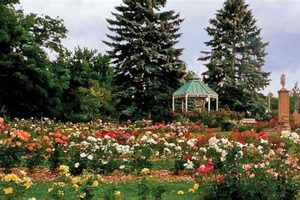
This horticultural display, situated within Regent’s Park in London, is a formal garden renowned for its extensive collection of roses. It features numerous rose beds, each dedicated to different varieties, providing a visually striking and fragrant experience for visitors. The garden’s layout incorporates pathways and seating areas, allowing for leisurely exploration and contemplation of the diverse floral specimens.
The location offers significant aesthetic and recreational value to the public. Its meticulously cultivated environment serves as a valuable resource for botanical study and horticultural inspiration. Historically, the site contributes to the park’s legacy as a center for horticultural excellence, reflecting ongoing dedication to preserving and showcasing a wide array of roses for public enjoyment and education.
The following sections will detail specific rose varieties within the location, its design principles, and the ongoing maintenance efforts that ensure its continued beauty and horticultural significance. The focus will be on the specific elements that contribute to its enduring appeal as a premier rose garden.
Cultivating Rose Excellence
The following recommendations, derived from the established practices of maintaining a premier rose collection, offer insights for rose cultivation in various settings.
Tip 1: Soil Preparation is Paramount: Success hinges on adequately prepared soil. Roses thrive in well-drained, fertile soil rich in organic matter. Prior to planting, amend the soil with compost or well-rotted manure to enhance drainage and provide essential nutrients.
Tip 2: Strategic Rose Selection: Choose rose varieties suited to the local climate and soil conditions. Consider disease resistance, bloom characteristics, and growth habits to ensure long-term viability and aesthetic appeal.
Tip 3: Pruning for Vigor and Bloom: Regular pruning is essential for maintaining rose health and promoting abundant flowering. Remove dead, diseased, or crossing branches to improve air circulation and encourage new growth. Prune according to the specific needs of each rose variety.
Tip 4: Consistent Watering Practices: Roses require consistent moisture, particularly during dry periods. Water deeply and infrequently, targeting the root zone to encourage deep root growth. Avoid overhead watering, which can promote fungal diseases.
Tip 5: Vigilant Pest and Disease Control: Monitor roses regularly for signs of pests and diseases. Implement preventative measures, such as proper spacing and sanitation, to minimize problems. Treat infestations or infections promptly with appropriate controls.
Tip 6: Regular Fertilization: Roses are heavy feeders and benefit from regular fertilization. Apply a balanced rose fertilizer in early spring and again after the first flush of blooms. Follow the manufacturer’s instructions carefully to avoid over-fertilization.
Tip 7: Mulching for Soil Health: Apply a layer of organic mulch around the base of rose bushes to conserve moisture, suppress weeds, and regulate soil temperature. Mulch also helps to improve soil structure and fertility as it decomposes.
These recommendations emphasize the importance of thoughtful planning, consistent maintenance, and proactive problem-solving to cultivate healthy and thriving roses. Adherence to these principles will contribute to the longevity and beauty of any rose collection.
The subsequent sections will further elaborate on specific aspects of rose cultivation, including techniques for propagating roses and strategies for managing challenging environmental conditions.
1. Rose Diversity

Rose diversity is a defining characteristic, distinguishing the collection from more homogenous displays. The breadth of rose varieties cultivated is instrumental in providing visitors with an educational and aesthetically rich experience. It also serves as a valuable resource for horticultural research and preservation.
- Classification by Hybrid Tea Roses
Hybrid tea roses, renowned for their large, elegant blooms and long stems, represent a prominent group within the collection. Cultivars such as ‘Peace’ and ‘Crimson Glory’ are commonly featured, demonstrating the breeding achievements in color, fragrance, and disease resistance. The inclusion of these roses underscores the garden’s commitment to showcasing iconic and historically significant varieties.
- Floribunda Roses as Grouping
Floribunda roses, characterized by their clusters of blooms and compact growth habit, offer a vibrant contrast to the hybrid tea roses. They provide continuous color throughout the growing season and contribute to the garden’s overall visual appeal. Examples include ‘Iceberg’ and ‘Sexy Rexy’, which illustrate the diversity in color and form within this class. Their presence highlights the versatility and adaptability of roses for various garden settings.
- Climbing Roses in Design
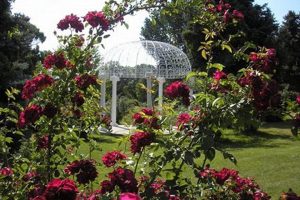
Climbing roses are integrated into the garden’s structure, adorning arches, pergolas, and walls. Their cascading blooms add vertical interest and create a romantic ambiance. Varieties such as ‘New Dawn’ and ‘Golden Showers’ exemplify the range of colors and growth habits available in climbing roses. Their inclusion demonstrates the garden’s use of roses as architectural elements.
- Historical Rose Varieties
The preservation of historical rose varieties contributes to the garden’s educational value. These roses, often with unique fragrance and form, represent the heritage of rose breeding. Examples such as ‘Rosa Gallica Officinalis’ and ‘Centifolia’ provide insights into the evolution of rose cultivation. Their presence offers a tangible connection to the past and underscores the importance of preserving genetic diversity.
The deliberate curation of these diverse rose types underscores the commitment to showcasing the full spectrum of rose breeding and horticulture. This provides visitors with a dynamic and informative experience, enriching their appreciation for the versatility and beauty of roses.
2. Formal Design

The implemented framework is a primary determinant of its character and visitor experience. The structured layout, geometrical arrangements, and deliberate placement of rose beds contribute significantly to the garden’s overall aesthetic impact and functional organization. This formalized approach directly affects pedestrian flow, viewing angles, and the perceived harmony within the landscape. The success of this horticultural display is inextricably linked to the effectiveness of its design as a space for both passive enjoyment and active exploration of its botanical contents. Cause-and-effect relationships are evident in that design choices directly influence the visual impact and usability of the space.
A practical example of this impact can be observed in the layout of the rose beds. The careful arrangement of these beds, typically in symmetrical patterns, ensures that visitors encounter a sense of order and balance as they move through the garden. Pathways are designed to provide optimal views of the rose displays, guiding visitors through a curated sequence of visual experiences. The strategic placement of focal points, such as fountains or sculptures, further enhances the visitor experience by providing visual anchors within the space. These intentional design elements demonstrate a commitment to creating a structured and visually appealing environment.
In conclusion, the formal framework is not merely an aesthetic choice but an essential component that contributes to the garden’s success as a horticultural exhibit and public amenity. Understanding the principles of formal design allows for a deeper appreciation of the thought and planning that went into its creation. Recognizing the cause-and-effect relationship between design and visitor experience underscores the practical significance of this aspect of garden creation. The formal design establishes a framework of beauty and order.
3. Regent's Park

Regent’s Park, a significant Royal Park in London, provides the essential setting for the horticultural display in question. The park’s historical development and ongoing management directly influence the character, accessibility, and preservation of this specific garden area.
- Historical Context of Royal Parks
Regent’s Park, originally conceived by John Nash in the early 19th century, has a long history of serving as a public space. Its transformation from royal hunting grounds to a landscaped park reflects changing societal values and recreational needs. This historical context shapes the garden’s role as a designed landscape within a larger urban green space.
- Strategic Location and Accessibility
The positioning within Regent’s Park offers strategic advantages in terms of accessibility and visibility. Proximity to public transportation and residential areas ensures a steady flow of visitors. The park’s network of pathways and amenities contributes to ease of access. This location enhances its role as a community resource.
- Management and Maintenance by The Royal Parks
The Royal Parks, the organization responsible for managing Regent’s Park, provides the resources and expertise necessary for the long-term maintenance of its infrastructure and horticultural displays. Funding allocations, staffing decisions, and conservation policies all influence the quality of this garden.
- Synergy with Other Park Amenities
The presence of other amenities within Regent’s Park, such as the Open Air Theatre and London Zoo, creates synergy that enhances the overall visitor experience. These complementary attractions contribute to its status as a multi-faceted destination. Visitors drawn to the park for other reasons may also discover the beauty and tranquility of the garden.
These facets demonstrate the integral role of Regent’s Park in supporting and shaping the identity. Without the established framework of the park, the garden would lack the historical context, accessibility, and resources necessary to thrive as a premier horticultural display. The relationship is symbiotic, with each entity contributing to the overall value and appeal of the location.
4. Historical Significance
The horticultural location possesses a multifaceted historical background, influencing its present form and cultural significance. This history encompasses royal patronage, landscape design movements, and evolving public expectations for urban green spaces. Understanding this timeline provides crucial insight into its enduring appeal.
- Royal Patronage and Naming Conventions
The namesake of the garden, Queen Mary, reflects a tradition of royal involvement in the shaping of British landscapes. This association provides prestige and reinforces its status as a noteworthy public space. The connection to royalty also influences design and maintenance standards, aligning them with expectations of excellence.
- Influence of 20th-Century Garden Design
The garden’s layout and plant selections are representative of early to mid-20th century garden design principles. The formal arrangements, emphasis on specific rose varieties, and integration of architectural elements reflect the aesthetic preferences of the period. These stylistic choices serve as a tangible link to past horticultural practices.
- Post-War Landscape Reconstruction
Following World War II, many urban parks, including Regent’s Park, underwent significant reconstruction and revitalization efforts. This rebuilding phase reflects a broader societal desire for renewal and the provision of accessible green spaces. The historical impact of wartime damage and subsequent restoration shapes its present-day appearance.
- Evolution of Public Access and Amenity
Over time, its role has evolved from a primarily ornamental space to a multi-functional public amenity. Changing visitor expectations regarding accessibility, recreation, and educational opportunities have influenced the garden’s design and management. This transition reflects a broader trend toward democratizing access to green spaces and enhancing their community value.
These historically-rooted facets collectively contribute to the garden’s unique identity. The combination of royal association, design influences, post-war reconstruction, and evolving public access demonstrates its complex relationship with history. Studying these influences provides a deeper understanding of its cultural value and informs ongoing efforts to preserve its legacy.
5. Public Amenity

The rose garden functions as a significant public amenity within Regent’s Park, offering multifaceted benefits to the community. Its accessibility as a green space directly contributes to the well-being of visitors, providing opportunities for recreation, relaxation, and social interaction. The provision of such amenities is a fundamental aspect of urban planning, influencing quality of life and community cohesion. The garden’s meticulously maintained environment serves as an example of intentional design aimed at maximizing public enjoyment and promoting a connection with nature. The cause-and-effect relationship is clear: investment in the garden directly results in enhanced public benefit.
Specific instances of its use as a public amenity include its role as a venue for community events, such as horticultural workshops and guided tours. The garden also provides a tranquil setting for individual reflection and respite from the urban environment. Furthermore, its aesthetic appeal makes it a popular destination for photographers and artists, fostering creative expression. The economic impact of this public space should also be considered. Its presence as an attraction can stimulate local businesses, as visitors often patronize nearby shops and restaurants. These examples demonstrate its multifaceted contributions to the community’s social, cultural, and economic fabric.
In conclusion, the garden’s role as a public amenity is inextricably linked to its purpose and design. Its value extends beyond mere aesthetic appeal, encompassing tangible benefits for the community’s well-being and economic prosperity. Challenges to maintaining its status as a high-quality public space include ensuring adequate funding for ongoing maintenance and addressing issues related to accessibility and inclusivity. Recognizing its significance underscores the importance of preserving and enhancing such green spaces for future generations, ensuring their continued contribution to urban life.
6. Horticultural Display

The term ‘Horticultural Display’ directly describes the core function and purpose of the rose garden. As a meticulously cultivated collection of plants, primarily roses, the garden exists to exhibit horticultural skill, plant diversity, and aesthetic design principles to the public. This display serves as a resource for education, inspiration, and recreation.
- Cultivated Plant Collections
The foundation of any horticultural display lies in the selection and arrangement of plants. The rose garden exemplifies this through its extensive collection of rose varieties, including hybrid teas, floribundas, and climbers. Each variety is chosen for its unique characteristics, contributing to the overall visual impact and educational value of the display. These collections serve as a living catalog of rose genetics and breeding advancements.
- Designed Landscape Elements
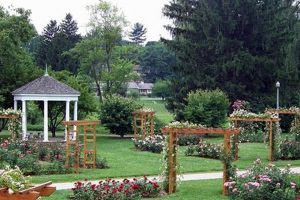
A horticultural display extends beyond mere plant collections to encompass designed landscape elements. The rose garden incorporates formal pathways, symmetrical beds, and architectural features like pergolas and arches. These elements create a structured and visually appealing environment that enhances the presentation of the roses. The design aims to optimize viewing angles, pedestrian flow, and overall aesthetic harmony.
- Maintenance and Conservation Practices
The sustained quality of a horticultural display depends on rigorous maintenance and conservation practices. The rose garden requires ongoing efforts in pruning, fertilizing, pest control, and irrigation. These practices ensure the health and vigor of the roses while preserving the aesthetic integrity of the garden. Proper maintenance is crucial for long-term viability and public enjoyment.
- Educational and Interpretive Programs
Many horticultural displays offer educational and interpretive programs to enhance visitor engagement and understanding. The rose garden provides opportunities for learning through guided tours, signage, and workshops. These programs aim to educate visitors about rose cultivation, history, and significance. Effective interpretation enriches the visitor experience and promotes horticultural literacy.
These facets underscore the complexity and intentionality of a well-executed horticultural display. The rose garden serves as a prime example of how cultivated plant collections, designed landscape elements, maintenance practices, and educational programs can combine to create a valuable public resource. Its enduring appeal lies in its ability to showcase the beauty and diversity of roses while providing a space for recreation and learning.
Frequently Asked Questions Regarding the Queen Mary’s Rose Garden
This section addresses common inquiries and clarifies misconceptions regarding the location, providing factual information to enhance understanding.
Question 1: What is the geographical location?
The site resides within Regent’s Park, situated in the City of Westminster, London. Its specific coordinates can be obtained through mapping services.
Question 2: What is the optimal time of year to visit?
The rose blooms are typically at their peak during the months of June and July. Weather conditions can influence bloom times; consulting current horticultural reports is advisable.
Question 3: Are there any admission fees?
Access to the garden is free to the public, aligning with the general accessibility of Regent’s Park. Certain events or organized tours may incur separate charges.
Question 4: What types of roses are cultivated?
The collection encompasses a diverse range of rose varieties, including hybrid teas, floribundas, climbers, and historical cultivars. Labeling is present to facilitate identification.
Question 5: Are there restroom facilities available?
Public restroom facilities are located within Regent’s Park, in proximity. Specific locations can be identified via park maps or information kiosks.
Question 6: Is photography permitted?
Photography is generally permitted for personal, non-commercial purposes. Restrictions may apply during special events or professional photoshoots, adhering to park regulations.
In summary, this information provides a baseline understanding of key aspects related to visiting and appreciating the location. For specific inquiries, contacting the Royal Parks directly is recommended.
The next section will delve into specific horticultural techniques employed in the maintenance of roses, providing a detailed overview of best practices.
Queen Mary’s Rose Garden
This exposition has detailed multifaceted aspects. From its design, diverse rose varieties, and historical significance to its function as a public amenity, the analysis has underlined the interconnected elements that define the character. The surrounding context of Regent’s Park further informs its role within the urban landscape. The continued maintenance and appreciation are critical to ensure its longevity.
Sustaining the horticultural excellence requires ongoing dedication to preserving the garden’s diverse rose collection and upholding its design principles. Future endeavors should prioritize accessible education and community engagement. Queen Mary’s Rose Garden serves as a benchmark for urban green spaces, a lasting tribute to the horticultural arts, and a vital public resource that deserves continued support and protection.

![Find Rose Garden Funeral Home Obituaries: [Location] Tributes | The Ultimate Gardening Guide: Grow a Thriving Garden Year-Round](https://MyGardenPatch.com/wp-content/uploads/2025/07/th-1895-300x200.jpg "Find Rose Garden Funeral Home Obituaries: [Location] Tributes The Ultimate Gardening Guide: Grow a Thriving Garden Year-Round")