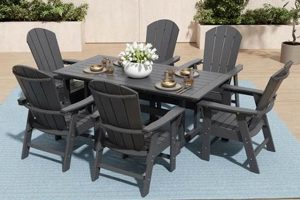
Outdoor seating and related items constructed from polyvinyl chloride represent a popular choice for residential and commercial spaces. This material’s inherent properties allow for the creation of durable, weather-resistant products suitable for patios, decks, and lawns. These items range from simple chairs and tables to more elaborate lounge sets and benches.
The appeal of these outdoor furnishings lies in their resistance to moisture, pests, and degradation from sunlight. This durability translates to a longer lifespan compared to traditional wood or metal options, often requiring minimal maintenance. The relative light weight of the material also facilitates easy rearrangement and storage, adding to its practicality. The use of synthetic compounds in this application has become increasingly prevalent in furnishing open air environments.
The following sections will delve into the specific advantages, disadvantages, maintenance requirements, and aesthetic considerations relevant to selecting and utilizing this type of outdoor furnishing.
Essential Considerations for Outdoor Polyvinyl Chloride Furnishings
The following guidelines provide essential information for selecting, maintaining, and maximizing the lifespan of outdoor furnishings constructed from polyvinyl chloride.
Tip 1: Material Grade Evaluation: Prioritize furniture fabricated from high-grade, UV-resistant polyvinyl chloride. Lower-grade materials are susceptible to discoloration, cracking, and structural failure upon prolonged exposure to sunlight and temperature fluctuations.
Tip 2: Structural Integrity Assessment: Inspect joints and connections for robust construction. Welded or reinforced joints enhance stability and prevent premature separation, particularly under heavy use or adverse weather conditions.
Tip 3: Cleaning and Maintenance Protocols: Regularly clean the furniture with mild soap and water to remove dirt, debris, and mildew. Avoid abrasive cleaners or harsh chemicals, as these can damage the surface and compromise its protective properties.
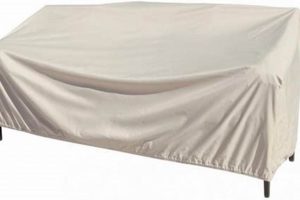
Tip 4: Storage Considerations During Inclement Weather: In regions experiencing severe winter conditions or prolonged periods of heavy rain, consider storing the furniture indoors or covering it with waterproof tarpaulins. This mitigates the risk of damage from freezing temperatures and excessive moisture.
Tip 5: Cushion and Fabric Selection: When applicable, opt for cushions and fabrics that are specifically designed for outdoor use. These materials are typically water-resistant, fade-resistant, and mildew-resistant, ensuring longevity and minimizing maintenance requirements.
Tip 6: Reinforcement for High-Traffic Areas: For commercial settings or areas with high foot traffic, select furniture with reinforced frames and sturdier construction. This ensures the furniture can withstand frequent use and minimizes the need for repairs or replacements.
Tip 7: Ventilation to Prevent Mildew: If furniture is covered for extended periods, ensure adequate ventilation to prevent the growth of mildew. Air circulation minimizes moisture buildup and maintains the integrity of the polyvinyl chloride material.
Implementing these strategies will contribute to the extended lifespan, enhanced appearance, and optimal performance of outdoor furnishings constructed from this synthetic material.
The subsequent section addresses common concerns and potential drawbacks associated with outdoor polyvinyl chloride furniture, providing a balanced perspective for informed decision-making.
1. Durability

The longevity of outdoor furnishings is a paramount consideration for consumers. Polyvinyl chloride’s inherent properties contribute significantly to the lifespan of items crafted from this material. The following aspects highlight the key factors impacting the durability of this specific category of furniture.
- Resistance to Environmental Degradation
Polyvinyl chloride exhibits exceptional resistance to moisture, ultraviolet radiation, and common pests. This inherent resilience minimizes the rate of material degradation compared to traditional materials like wood or metal. As a result, items require less frequent replacement, offering a long-term economic benefit. The material’s resistance to rot and corrosion ensures structural integrity is maintained even in damp or coastal environments.
- Impact Strength and Structural Stability
The impact strength of polyvinyl chloride formulations used in furniture construction directly affects its ability to withstand accidental impacts or heavy loads. Furniture designed with reinforced joints and thicker material gauges demonstrates greater structural stability and reduced risk of breakage. The material’s ability to retain its shape under stress contributes to its long-term functionality.
- Colorfastness and Finish Retention
High-quality polyvinyl chloride formulations incorporate UV stabilizers that mitigate color fading caused by prolonged sun exposure. This colorfastness ensures that the furniture retains its aesthetic appeal over time, reducing the need for repainting or refinishing. The material’s resistance to staining and scratching further enhances its appearance and reduces maintenance requirements.
- Joint Integrity and Construction Quality
The method used to join polyvinyl chloride components significantly impacts the overall durability of the furniture. Welded or fused joints offer superior strength and water resistance compared to mechanically fastened joints. Quality control during the manufacturing process is crucial to ensure that all joints are properly secured and that the furniture can withstand the stresses of regular use.
The intersection of these factors directly influences the overall durability and long-term value of outdoor furnishings. Furniture constructed from high-quality polyvinyl chloride, with careful attention to structural design and manufacturing processes, offers a robust and reliable solution for outdoor living spaces.
2. Weather Resistance

The ability to withstand environmental elements is a crucial characteristic of outdoor furnishings. Polyvinyl chloride’s inherent weather resistance directly contributes to its widespread use in manufacturing items for outdoor settings, ensuring longevity and minimizing maintenance.
- Resistance to Moisture Absorption
Polyvinyl chloride is inherently non-porous, preventing water absorption. This characteristic is critical for outdoor furnishings, as it eliminates the risk of swelling, warping, or rotting that can occur with wood or other absorbent materials. This resistance extends the lifespan of items exposed to rain, humidity, or accidental spills. The absence of water absorption also inhibits the growth of mold and mildew, further enhancing the material’s suitability for outdoor use.
- Ultraviolet (UV) Radiation Stability
Prolonged exposure to ultraviolet radiation can degrade many materials, leading to discoloration, cracking, and reduced structural integrity. Polyvinyl chloride formulations used in outdoor furniture often incorporate UV stabilizers to mitigate these effects. These additives absorb or reflect UV radiation, protecting the underlying polymer structure and maintaining the material’s appearance and mechanical properties over extended periods of sun exposure.
- Temperature Fluctuation Tolerance
Outdoor furnishings are subject to a wide range of temperature fluctuations, from freezing conditions to intense heat. Polyvinyl chloride exhibits a relatively low coefficient of thermal expansion, meaning it undergoes minimal dimensional changes in response to temperature variations. This stability prevents warping, cracking, or joint separation, ensuring the furniture remains structurally sound across diverse climates.
- Resistance to Chemical Degradation
Outdoor furnishings may be exposed to various chemicals, including cleaning agents, fertilizers, and pool chemicals. Polyvinyl chloride demonstrates resistance to many of these substances, preventing chemical degradation and maintaining the material’s integrity. This resistance ensures that the furniture can be cleaned and maintained without compromising its durability or appearance.
The combined effect of these weather-resistant properties underscores the suitability of polyvinyl chloride for outdoor applications. Its ability to withstand moisture, UV radiation, temperature fluctuations, and chemical exposure contributes to its extended lifespan and reduced maintenance requirements, making it a practical choice for outdoor furnishing needs.
3. Low Maintenance

The reduced need for upkeep represents a significant advantage of outdoor furniture constructed from polyvinyl chloride. This characteristic translates to savings in time and resources for consumers, enhancing the practicality and desirability of these products.
- Minimal Cleaning Requirements
Polyvinyl chloride’s smooth, non-porous surface resists the accumulation of dirt, grime, and stains. Routine cleaning typically involves wiping the surface with a damp cloth or mild soapy water. Unlike wood or metal, there is no need for specialized cleaning agents, sealants, or polishes. This simplicity minimizes the effort required to maintain a clean and presentable appearance.
- Absence of Painting or Staining
Polyvinyl chloride is inherently colored, eliminating the need for periodic painting or staining to protect the material or enhance its aesthetic appeal. The color is integrated throughout the material, ensuring long-lasting vibrancy and resistance to fading. This feature significantly reduces the long-term maintenance burden associated with traditional outdoor furniture materials.
- Resistance to Rot, Decay, and Corrosion
Polyvinyl chloride is impervious to rot, decay, and corrosion, common problems encountered with wood and metal furniture exposed to outdoor conditions. This resistance eliminates the need for protective treatments or repairs to address these issues. The material’s inherent stability ensures long-term structural integrity without requiring specialized maintenance procedures.
- Simplified Winterization Procedures
While storing outdoor furniture during harsh winter months is generally recommended, polyvinyl chloride’s weather resistance simplifies the winterization process. Unlike wood furniture, which may require careful sealing or storage in climate-controlled environments, polyvinyl chloride furniture can often be left uncovered or simply covered with a tarp. The material’s resistance to moisture and temperature fluctuations minimizes the risk of damage during storage.
The culmination of these factors contributes to the low-maintenance nature of polyvinyl chloride outdoor furnishings. Consumers benefit from reduced cleaning frequency, elimination of painting or staining requirements, inherent resistance to environmental degradation, and simplified winterization procedures. These advantages collectively enhance the convenience and long-term value proposition of furniture crafted from this material.
4. Cost-Effectiveness

The economic viability of outdoor furnishings represents a significant factor in purchasing decisions. Polyvinyl chloride’s relative affordability, coupled with its durability and minimal maintenance requirements, contributes to its overall cost-effectiveness as a material choice.
- Lower Initial Purchase Price
Items constructed from polyvinyl chloride typically exhibit a lower initial purchase price compared to similar products made from materials such as teak, aluminum, or wrought iron. This affordability expands accessibility to a wider range of consumers, making it a practical choice for budget-conscious individuals and organizations. The lower initial investment reduces the financial barrier to acquiring durable outdoor furnishings.
- Reduced Long-Term Maintenance Expenses
The minimal maintenance requirements associated with polyvinyl chloride translate into reduced long-term expenses. The absence of painting, staining, or specialized cleaning procedures eliminates the need for recurring expenditures on maintenance supplies and labor. This cost savings accrues over the lifespan, contributing to the overall economic value of the furniture.
- Extended Product Lifespan
Polyvinyl chloride’s resistance to environmental degradation and physical wear contributes to an extended product lifespan compared to less durable materials. This longevity reduces the frequency of replacement, minimizing the total cost of ownership over time. The extended usability ensures that the initial investment yields returns over a prolonged period.
- Lower Repair Costs
The inherent durability of polyvinyl chloride reduces the likelihood of damage requiring costly repairs. Minor scratches or dents can often be addressed with simple cleaning or minor surface treatments. The lower incidence of structural failures or material degradation translates into reduced repair costs throughout the furniture’s lifespan.
The synergy of these factors underscores the cost-effectiveness of polyvinyl chloride outdoor furnishings. The lower initial price, reduced maintenance expenses, extended lifespan, and minimal repair costs contribute to its economic appeal, making it a practical and financially sound choice for diverse outdoor environments.
5. Design Versatility
The adaptability of polyvinyl chloride in outdoor furniture construction is a significant attribute, facilitating diverse aesthetic outcomes and functional applications. This design flexibility enables manufacturers to meet a wide spectrum of consumer preferences and spatial requirements.
- Mimicry of Traditional Materials
Polyvinyl chloride can be molded and textured to replicate the appearance of natural materials, such as wood, wicker, or rattan. This allows for the creation of furniture that possesses the aesthetic appeal of traditional materials while retaining the durability and weather resistance inherent in polyvinyl chloride. The replication can extend to color variations and surface finishes, further enhancing the illusion of authenticity.
- Varied Structural Forms
The thermoplastic nature of polyvinyl chloride allows for the creation of complex and varied structural forms. This capability enables the design of furniture with intricate details, curved lines, and ergonomic contours. The ability to mold the material into custom shapes facilitates the creation of unique and visually appealing designs that would be difficult or impossible to achieve with other materials.
- Color Integration and Customization
Polyvinyl chloride can be manufactured in a wide range of colors, either through pigmentation during the production process or through the application of specialized coatings. This allows for the creation of furniture that complements diverse outdoor color schemes and design styles. Customization options, such as the addition of logos or decorative elements, further enhance the ability to tailor furniture to specific environments or branding requirements.
- Adaptability to Multifunctional Designs
The structural properties and moldability of polyvinyl chloride facilitate the creation of multifunctional furniture pieces. Examples include benches with integrated storage compartments, tables with adjustable heights, or lounge chairs with reclining features. This adaptability enhances the utility of the furniture, maximizing its functionality within limited outdoor spaces.
The design versatility inherent in polyvinyl chloride enables the creation of outdoor furniture that balances aesthetic appeal with practical functionality. This adaptability contributes to its widespread adoption across diverse residential and commercial settings, satisfying a wide spectrum of design preferences and spatial needs.
6. Weight Considerations
The mass of outdoor furnishings constructed from polyvinyl chloride impacts several practical aspects of their use, including portability, storage, and structural stability, which all influence the overall utility and suitability within various outdoor environments.
- Portability and Ease of Rearrangement
The relatively low density of polyvinyl chloride contributes to the light weight of furniture fabricated from it. This characteristic facilitates easy portability and rearrangement of furniture within outdoor spaces. Lightweight chairs, tables, and lounge pieces can be readily moved to accommodate changing needs, such as repositioning for optimal sunlight exposure or creating additional space for gatherings. The ease of rearrangement enhances the adaptability and user-friendliness of these items.
- Storage Efficiency and Handling
The reduced weight of polyvinyl chloride furniture simplifies storage procedures, particularly during off-season periods or inclement weather. Lighter items require less physical exertion to lift and stack, minimizing the risk of injury during handling. Compact storage is more easily achieved with lightweight pieces, optimizing available space within garages, sheds, or storage units.
- Structural Stability and Wind Resistance
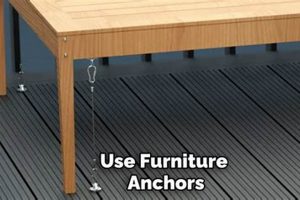
While light weight enhances portability, it can also present challenges in windy conditions. Lightweight furniture is more susceptible to being blown over or displaced by strong gusts of wind, potentially causing damage or creating safety hazards. To mitigate this risk, manufacturers often incorporate design features such as wider bases, lower centers of gravity, or the option to add ballast to increase stability.
- Shipping and Transportation Costs
The lower weight of polyvinyl chloride furniture translates into reduced shipping and transportation costs, benefiting both manufacturers and consumers. Lighter items require less fuel for transportation, lowering the environmental impact and reducing overall expenses. The ease of handling also minimizes the risk of damage during transit, further contributing to cost savings.
Weight considerations are integral to the selection and utilization of polyvinyl chloride outdoor furniture. Balancing the advantages of portability and ease of handling with the need for structural stability and wind resistance is crucial for ensuring safe and functional outdoor spaces. The material’s relatively light weight represents a trade-off that must be carefully evaluated based on specific environmental conditions and user requirements.
Frequently Asked Questions
The following addresses common inquiries regarding outdoor furniture constructed from polyvinyl chloride, providing objective information to aid in informed decision-making.
Question 1: Is polyvinyl chloride furniture environmentally sustainable?
The environmental impact of polyvinyl chloride is a complex topic. While the production process can involve the release of certain pollutants, polyvinyl chloride is recyclable and can be repurposed into new products. The durability and extended lifespan of polyvinyl chloride furniture can reduce the need for frequent replacement, potentially offsetting some of the environmental costs associated with its production. A comprehensive assessment requires considering the entire lifecycle, including manufacturing, use, and disposal.
Question 2: How does polyvinyl chloride furniture compare to wood in terms of structural integrity?
Polyvinyl chloride and wood exhibit distinct structural characteristics. Wood, particularly hardwoods, can offer superior load-bearing capacity and rigidity. However, polyvinyl chloride is less susceptible to rot, decay, and insect damage, which can compromise the structural integrity of wood over time. Properly engineered polyvinyl chloride furniture can provide adequate structural support for typical residential and commercial applications.
Question 3: What is the expected lifespan of outdoor polyvinyl chloride furniture?
The lifespan of outdoor polyvinyl chloride furniture is influenced by several factors, including the quality of materials, manufacturing processes, and environmental conditions. High-quality polyvinyl chloride furniture with UV stabilizers can withstand prolonged exposure to sunlight and temperature fluctuations, potentially lasting for 10 years or more. Regular cleaning and proper storage can further extend its lifespan.
Question 4: Can polyvinyl chloride furniture be painted or refinished?
While polyvinyl chloride furniture is inherently colored and does not typically require painting or refinishing, it is possible to apply specialized paints designed for plastic surfaces. Proper surface preparation is essential to ensure adhesion and prevent peeling. However, altering the original finish may void warranties and could potentially compromise the material’s durability.
Question 5: Is polyvinyl chloride furniture susceptible to staining?
Polyvinyl chloride is generally resistant to staining, particularly from common outdoor substances such as dirt, mud, and rainwater. However, certain staining agents, such as oil-based products or harsh chemicals, may cause discoloration or permanent damage. Prompt cleaning with mild soap and water can typically prevent staining from most substances.
Question 6: How should polyvinyl chloride furniture be stored during winter months?
Although polyvinyl chloride is weather-resistant, storing furniture indoors or covering it with waterproof tarpaulins during winter months is recommended to protect it from extreme temperatures and snow accumulation. Proper storage can prevent damage from freezing and thawing cycles, extending the furniture’s lifespan. Before storing, clean the furniture thoroughly to remove any dirt or debris.
In summary, understanding the properties, limitations, and appropriate care of polyvinyl chloride furniture is essential for maximizing its value and longevity.
The subsequent section will provide a comparative analysis of polyvinyl chloride furniture against alternative outdoor furnishing materials.
Conclusion
This exploration has provided a comprehensive overview of polyvinyl chloride outdoor furnishings, encompassing their attributes, limitations, maintenance requirements, and economic considerations. Key points include its weather resistance, durability, low maintenance needs, cost-effectiveness, design versatility, and weight considerations. Understanding these aspects is vital for informed consumer choices.
Informed decisions regarding polyvinyl chloride outdoor furnishings necessitate careful consideration of environmental impact, structural suitability, and aesthetic preferences. Continued research and development in material science and manufacturing processes will likely further enhance the performance and sustainability of these products. The long-term value of polyvinyl chloride outdoor furniture hinges on a balanced assessment of its benefits and drawbacks, as well as its alignment with individual needs and environmental consciousness.

![Protect & Extend: Garden Furniture Feet Protectors [Buy Now] | The Ultimate Gardening Guide: Grow a Thriving Garden Year-Round](https://MyGardenPatch.com/wp-content/uploads/2025/07/th-3169-300x200.jpg "Protect & Extend: Garden Furniture Feet Protectors [Buy Now] The Ultimate Gardening Guide: Grow a Thriving Garden Year-Round")