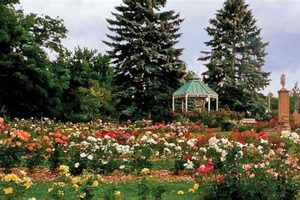
A popular variety within the broader Rosa genus, this particular cultivated flower is admired for its creamy-white blooms and strong, classic fragrance reminiscent of old garden roses. Its formation is typically a full, cupped shape, and it’s categorized as an English or David Austin rose. This specific type is frequently utilized in gardens for its beauty and scent, as well as in floral arrangements and bouquets.
Cultivating this flowering plant offers a visual and aromatic enhancement to gardens. Its robust fragrance and appealing aesthetics contribute to a more sensory and appealing outdoor environment. The classic form and color make it a versatile selection for diverse garden designs, fitting well with both formal and informal settings. Furthermore, it’s a favored choice for commemorative plantings and symbolic gestures because of its delicate beauty and enduring presence.
The following article will delve into the optimal cultivation techniques for this rose variety, detailing essential aspects such as soil preparation, sunlight requirements, watering schedules, and pruning methods to ensure healthy growth and abundant flowering. We will also examine common pests and diseases that affect this plant, providing effective strategies for prevention and treatment. Finally, the discussion will cover the best companion plants and uses in landscape design.
Cultivation Insights
Successful cultivation hinges on understanding its specific needs and providing optimal growing conditions. The following insights offer practical guidance for nurturing healthy, abundant plants.
Tip 1: Soil Preparation: Ensure well-draining soil enriched with organic matter. Amend heavy clay or sandy soils to improve drainage and fertility. A slightly acidic pH, around 6.0-6.5, is ideal for optimal nutrient absorption.
Tip 2: Sunlight Exposure: Provide at least six hours of direct sunlight daily. Insufficient sunlight can lead to weak growth and reduced flowering. Morning sun is particularly beneficial as it allows foliage to dry quickly, minimizing disease risk.
Tip 3: Watering Practices: Water deeply and regularly, especially during dry periods. Avoid overhead watering, which can promote fungal diseases. Instead, water at the base of the plant to keep foliage dry.
Tip 4: Pruning Techniques: Prune in late winter or early spring to remove dead, damaged, or crossing canes. This encourages air circulation and promotes new growth. Shape the plant to maintain its desired form and size.
Tip 5: Fertilization Schedule: Apply a balanced rose fertilizer in early spring and again after the first flush of blooms. Follow the manufacturer’s instructions carefully to avoid over-fertilization, which can damage the plant.
Tip 6: Disease Prevention: Implement preventative measures against common rose diseases, such as black spot and powdery mildew. Apply a fungicide regularly, especially during periods of high humidity and rainfall. Ensure good air circulation around the plant to minimize disease risk.
Tip 7: Pest Control: Monitor for pests, such as aphids and spider mites, and take action promptly. Use insecticidal soap or horticultural oil to control infestations. Encourage beneficial insects, such as ladybugs, to help manage pest populations naturally.
Adhering to these cultivation techniques ensures vigorous growth, abundant blooms, and a lasting display of beauty. Proper care enhances the plant’s resilience and minimizes the need for intensive interventions.
The article will now transition to a discussion of companion plants, exploring suitable pairings that enhance growth, repel pests, and create a visually appealing garden environment.
1. Creamy-white blooms

The creamy-white bloom represents a defining characteristic of the rose in question. This coloration is not merely an aesthetic feature but a key descriptor that aids in identification and differentiates it from other rose varieties. The specific hue, often described as ivory or a soft, muted white, is a direct result of the rose’s genetic makeup and the environmental conditions under which it is cultivated. Variations in sunlight exposure, soil composition, and temperature can influence the exact shade and intensity of the bloom.
The prevalence of creamy-white blooms in this rose variety affects its usability in various contexts. Its neutrality in color makes it a versatile option for floral arrangements, bridal bouquets, and garden designs. The blooms complement a wide range of color palettes and add an element of understated elegance. The demand for this rose in the floristry industry is intrinsically linked to its distinctive color, which often dictates its selection for specific events or aesthetic preferences. For instance, the creamy-white hue is often associated with purity and romance, rendering it a popular choice for weddings and anniversaries.
In summary, the creamy-white blooms are integral to the identity and appeal of this cultivated rose. They are more than a visual attribute; they influence its market value, its use in specific applications, and its overall recognition. Understanding the factors that contribute to the blooms’ unique coloration, from genetic factors to environmental influences, is crucial for growers seeking to cultivate and maintain the rose’s distinctive characteristics. Further study might focus on improving its resistance to environmental color change or enhancing the intensity of its fragrance in tandem with bloom color quality.
2. Strong fragrance
The robust fragrance exhibited by this garden rose is not merely a pleasant attribute but a defining characteristic that significantly contributes to its desirability and overall value. It represents a key element that distinguishes this particular cultivar from others and plays a vital role in its appeal to gardeners and florists alike.
- Aromatic Compounds and Composition
The intensity and complexity of the rose’s fragrance are determined by the specific blend of volatile organic compounds (VOCs) it produces. These compounds, which include terpenes, alcohols, and esters, are synthesized within the petals and released into the air. The exact composition of these VOCs varies depending on genetic factors, environmental conditions, and the rose’s stage of development. The resulting aroma is often described as a classic “rose” scent with potential undertones of citrus, spice, or fruit. The presence of specific compounds, such as damascenone, contributes significantly to the perceived strength and quality of the fragrance.
- Pollinator Attraction and Ecological Role
In its natural evolutionary context, a strong fragrance serves as a crucial attractant for pollinators, primarily bees and other insects. The aroma signals the availability of nectar and pollen, enticing these creatures to visit the flower and facilitate pollination. This, in turn, promotes genetic diversity and the continuation of the species. While cultivated for ornamental purposes, the strong fragrance of this rose still functions to attract pollinators in the garden setting, potentially benefiting other plant species in the vicinity.
- Sensory Experience and Emotional Impact
Beyond its biological function, the potent fragrance elicits a powerful sensory experience for humans. The aroma is often associated with positive emotions, such as relaxation, joy, and nostalgia. This connection is rooted in both personal experiences and cultural associations, where the rose has long been a symbol of love, beauty, and remembrance. The strong fragrance contributes significantly to the overall aesthetic pleasure derived from growing or displaying this garden rose. Its therapeutic benefits include stress reduction and mood enhancement.
- Commercial Value and Market Demand
The strength and quality of the fragrance directly influence the commercial value of this rose variety. Cultivators and breeders prioritize fragrance as a key selection criterion, recognizing its importance to consumers. Roses with a strong and appealing scent command higher prices in the floral market and are more sought after for use in perfumes and other fragrance products. The ability to propagate and maintain this desirable fragrance is crucial for ensuring the long-term commercial success of this specific cultivated rose.
In summary, the robust fragrance inherent to this particular rose represents a confluence of chemical composition, ecological function, sensory experience, and commercial value. The strength of its scent not only distinguishes it from other rose varieties but also contributes to its overall appeal and its enduring presence in gardens and floral arrangements. Understanding the complex factors that influence this fragrance is crucial for both its cultivation and its appreciation.
3. Cupped flower form

The cupped flower form constitutes a defining morphological characteristic integral to the recognition and appreciation of the specific garden rose in question. This term denotes a particular arrangement of petals, where they curve inwards, creating a cup-like shape. This is not merely an aesthetic trait; it contributes significantly to the overall visual impact and distinguishes it from roses with other forms, such as flat or high-centered blooms. The cupped shape affects the way light interacts with the petals, influencing perceived color and texture. For example, a strongly cupped bloom may appear to have greater depth of color due to the increased shading within its center. The cause of this specific form is attributable to genetic factors inherent in the cultivar’s breeding and development.
The importance of the cupped form extends beyond mere visual appeal. This form often correlates with other desirable traits, such as a higher petal count and a greater density of fragrance. A greater number of petals, arranged in a cupped formation, can contribute to a longer bloom duration, as the inner petals are shielded from environmental stresses. The cupped shape can also trap and concentrate volatile aromatic compounds, enhancing the perceived fragrance. Consider the visual differences between a ‘Knock Out’ rose (typically having a flatter, less complex form) and a David Austin ‘Gertrude Jekyll’ rose (characterized by its deeply cupped blooms); the cupped form contributes significantly to the perceived elegance and sophistication of the latter. In practical terms, understanding the cupped form allows for more accurate identification and selection of plants that align with desired aesthetic preferences. It also informs pruning strategies, as preserving the structural integrity of the cup is crucial for maintaining the flower’s appearance.
In conclusion, the cupped flower form is more than simply a shape; it is an essential component of this particular rose’s identity and influences its visual impact, fragrance, and overall appeal. Understanding this characteristic allows for informed cultivation practices and a greater appreciation of the plant’s unique qualities. Challenges in maintaining this form, particularly in adverse weather conditions, necessitate careful management of environmental factors and appropriate pruning techniques to preserve the distinctive cupped aesthetic. The prevalence of the cupped form connects it to the broader trend of selecting rose cultivars that exhibit classic, romantic characteristics, contributing to its continued popularity and desirability.
4. English rose heritage

The term “English rose heritage” in the context of this particular garden rose signifies its lineage and the breeding principles that underpin its development. These roses, often associated with the work of David Austin, are characterized by their attempts to blend the form and fragrance of old garden roses with the repeat-flowering capabilities and disease resistance of modern hybrids. The inclusion of ‘English rose’ in its description underscores the intention to evoke a specific aesthetic and sensory experience, distinct from more modern, often scentless, rose cultivars. The effect is that this term immediately signals a certain expectation of flower form, fragrance intensity, and overall garden presence. For example, the Old English Roses typically have large, multi-petaled blooms, strong fragrances and are known for their relatively good disease resistance compared to the earlier hybrid tea roses.
The importance of understanding this heritage lies in its practical implications for cultivation and selection. Roses bred with English rose characteristics often require specific pruning techniques to maintain their shape and promote repeat blooming. Furthermore, their disease resistance, while generally improved compared to older varieties, is still a factor to consider in garden planning and maintenance. The success of breeders like David Austin hinges on the skillful blending of desirable traits from different rose classes, addressing challenges such as black spot susceptibility and limited color palettes in old garden roses. For instance, breeders carefully select parent plants to inherit the fragrance of old garden roses and combine them with disease resistant genes.
In conclusion, the designation of “English rose heritage” is not merely a marketing label but a crucial descriptor that provides insight into its expected characteristics, cultivation needs, and overall garden value. Understanding this heritage allows gardeners to make informed decisions regarding plant selection and care, maximizing their enjoyment of this popular rose variety. The association with English rose breeding also reflects a broader trend in horticulture towards reclaiming and preserving the qualities of older plant varieties while enhancing their modern performance and resilience. The connection between heritage and rose quality will continue to be a vital component of rose breeding and horticultural practices worldwide.
5. Garden focal point

The term “garden focal point” denotes a specific element within a landscape design intended to draw the eye and establish visual interest. A planting may serve as this focal point due to its unique color, form, size, or placement. In the context of this cultivated flowering plant, its attributes, particularly its bloom characteristics and fragrance, often lend itself to fulfilling this role. Its placement within a garden design often strategically determines where the eye is naturally drawn. The cause and effect relationship is straightforward: the inherent qualities of the flowering plant, combined with deliberate placement, creates a visual anchor. Without a designated focal point, a garden can appear disorganized and lack a sense of purpose. This rose, with its classic form and creamy-white blooms, provides a strong visual anchor, enhancing the overall aesthetic appeal of the garden. For instance, one specimen positioned at the center of a circular flower bed immediately establishes dominance, directing attention to its delicate form. The practical significance of understanding this lies in the ability to deliberately create visual harmony and direct visitor attention within a garden setting.
The strategic use of this particular cultivated plant as a garden focal point has several practical applications. A single, well-maintained example can serve as a centerpiece in a small, formal garden. In larger, more informal settings, groupings of them can create multiple points of interest, drawing the eye through the landscape. The effectiveness as a focal point depends on several factors including the contrast of the plant with its surroundings. The contrast in color, texture, or height can significantly enhance the plant’s visibility and impact. For example, juxtaposing its creamy-white blooms against a backdrop of darker green foliage creates a striking visual contrast. Furthermore, careful consideration must be given to the scale of the planting in relation to the overall garden size. A single, diminutive plant may be lost in a vast landscape, whereas an over-scaled planting can overwhelm a smaller space. The plant’s fragrance can also contribute to its role as a focal point, enticing visitors to approach and engage with it more closely. However, reliance on the bloom alone presents seasonal limitations. Incorporating evergreen shrubs or ornamental grasses nearby provides year-round structural interest and maintains a sense of focal point even when the rose is not in bloom.
In summary, the inherent qualities of this particular rose combined with strategic placement and contextual awareness enables it to serve effectively as a garden focal point. Its impact extends beyond aesthetics, influencing the perception and appreciation of the entire garden space. Challenges include maintaining the plant’s health and appearance over time and ensuring that it remains visually compelling throughout the changing seasons. The understanding of its function as a visual anchor is essential for creating harmonious and engaging garden designs, contributing to a broader trend of creating intentional and aesthetically pleasing outdoor spaces. The integration of this plant, or other flowering plants with strong aesthetic qualities, remains a key consideration for garden designers seeking to establish a sense of balance and visual hierarchy in their landscapes.
6. Arrangement versatility
The arrangement versatility of this particular garden rose constitutes a significant factor in its desirability within both horticultural and floristry contexts. Its inherent characteristics lend themselves to diverse applications, ranging from simple home bouquets to elaborate event decorations, thus broadening its appeal and market value.
- Form and Structure Adaptability
The cupped flower form, combined with sturdy stems, enables this cultivated plant to maintain its aesthetic appeal across various arrangement styles. It can be effectively incorporated into both tightly packed, traditional arrangements and looser, more contemporary designs. The bloom’s structure provides sufficient support, preventing premature drooping and ensuring longevity within the arrangement.
- Color Palette Compatibility
The creamy-white blooms exhibit a neutral hue, facilitating seamless integration with a broad spectrum of color palettes. This adaptability renders it suitable for both monochromatic arrangements, where it complements varying shades of white and cream, and polychromatic designs, where it serves as a calming counterpoint to more vibrant colors. Its neutrality avoids clashing with other floral elements.
- Scale and Proportion Flexibility
The moderate bloom size allows this rose to be utilized in arrangements ranging from petite posies to grand centerpieces. Its proportions do not overwhelm smaller compositions, nor does it appear insignificant within larger displays. This scaling flexibility maximizes its utility across various event sizes and venue dimensions.
- Longevity and Vase Life
With proper care and handling, the flowers exhibit a relatively extended vase life, maintaining their aesthetic integrity for a reasonable duration post-harvest. This durability reduces the risk of premature wilting or discoloration, ensuring that arrangements remain visually appealing throughout the intended display period. The extended lifespan contributes to its economic value within the floral industry.
These facets underscore the arrangement versatility of this notable rose, solidifying its position as a favored choice for diverse floral applications. The plant’s inherent adaptability, combined with its relatively extended vase life, contributes to its continued demand within both professional and amateur floral design settings.
7. Disease susceptibility

The susceptibility of this cultivated plant to various diseases forms a crucial component of its overall profile, significantly impacting its cultivation requirements and long-term health. This is not merely an ancillary issue, but a core characteristic that dictates the level of care required and the probability of successful growth. A cause-and-effect relationship exists: specific environmental conditions coupled with the plant’s genetic predisposition can lead to disease manifestation. Disease susceptibility is important because it determines the plants aesthetic appeal and vigor. A specimen severely afflicted with black spot, for instance, loses its visual appeal and may experience reduced flowering. This is evident in regions with high humidity, where fungal diseases, like black spot and powdery mildew, are prevalent, resulting in defoliation and stunted growth. The practical consequence of this susceptibility is the need for vigilant monitoring and proactive disease management strategies to maintain plant health.
The practical applications of understanding its disease susceptibility are manifold. Firstly, it informs the selection of appropriate planting locations, favoring sites with adequate air circulation and sunlight to minimize fungal growth. Secondly, it dictates the need for preventative fungicide applications, particularly during periods of high humidity or rainfall. Thirdly, it influences pruning practices, emphasizing the removal of diseased foliage and the promotion of airflow within the plant. As an example, a gardener in a humid climate might choose to plant the rose in a location with morning sun and prune it aggressively to increase air circulation, while also implementing a regular fungicide spray program. Furthermore, knowledge of disease susceptibility drives the development of more disease-resistant cultivars through selective breeding programs, aiming to reduce the reliance on chemical interventions and promote sustainable gardening practices.
In summary, the inherent disease susceptibility is a key consideration in the cultivation and management. Addressing the challenge requires proactive measures, informed by an understanding of the plants vulnerabilities and the environmental factors that contribute to disease development. Its susceptibility dictates management strategies, informing selection of planting locations to diligent monitoring and fungicide application. Acknowledging this characteristic is vital for achieving sustained plant health and preserving its ornamental qualities, connecting to the broader theme of responsible and informed horticultural practices and also drives the development of more disease-resistant varieties through breeding.
Frequently Asked Questions
The following addresses common inquiries regarding the characteristics, cultivation, and care of this specific flowering plant. This aims to provide clear and concise information to assist in its successful growth and enjoyment.
Question 1: What are the key identifying features of this particular garden rose cultivar?
This cultivar is distinguished by its creamy-white, fully double blooms exhibiting a cupped form. The fragrance is intensely floral, reminiscent of classic old garden roses. The growth habit is generally upright and bushy.
Question 2: What are the optimal growing conditions for this rose?
This plant thrives in well-draining soil enriched with organic matter. It requires at least six hours of direct sunlight daily. Consistent watering, particularly during dry periods, is essential. Avoid overhead watering to minimize the risk of fungal diseases.
Question 3: How should this rose be pruned?
Pruning should be performed in late winter or early spring, removing dead, damaged, or crossing canes. Prune to maintain an open center, promoting air circulation. Remove spent blooms throughout the growing season to encourage repeat flowering.
Question 4: What are the most common diseases and pests affecting this rose?
Common diseases include black spot, powdery mildew, and rust. Pests may include aphids, spider mites, and Japanese beetles. Regular monitoring and appropriate treatment are crucial to prevent severe infestations.
Question 5: Is this rose suitable for container gardening?
Yes, this plant can be successfully grown in containers, provided the container is large enough to accommodate its root system. Ensure adequate drainage and regular fertilization. Monitor moisture levels closely, as container-grown plants tend to dry out more quickly.
Question 6: What is the expected lifespan of this rose?
With proper care and maintenance, this plant can thrive for many years. Regular pruning, fertilization, and disease management are essential for maximizing its lifespan.
In summary, consistent attention to environmental conditions, proactive pest and disease management, and appropriate pruning techniques contribute significantly to the successful cultivation of this flowering plant.
The article will now transition to a discussion of sourcing reliable nurseries and vendors for acquiring healthy and authentic specimens of this specific cultivar.
Conclusion
This article has comprehensively explored the patience garden rose, detailing its identifying characteristics, optimal cultivation practices, common challenges, and diverse applications. Key aspects highlighted include its distinctive creamy-white blooms, strong fragrance, cupped flower form, English rose heritage, its potential as a garden focal point, versatility in floral arrangements, and inherent susceptibility to disease. Understanding these multifaceted elements is crucial for successful cultivation and appreciation of this particular cultivar.
The enduring appeal and horticultural significance of the patience garden rose warrant continued research into disease resistance and optimal growing techniques. Gardeners and horticulturalists are encouraged to apply the knowledge shared within this article to foster healthy growth and fully appreciate the aesthetic and sensory qualities of this cherished rose variety, furthering its legacy in gardens and floral displays worldwide.

![Find Rose Garden Funeral Home Obituaries: [Location] Tributes | The Ultimate Gardening Guide: Grow a Thriving Garden Year-Round](https://MyGardenPatch.com/wp-content/uploads/2025/07/th-1895-300x200.jpg "Find Rose Garden Funeral Home Obituaries: [Location] Tributes The Ultimate Gardening Guide: Grow a Thriving Garden Year-Round")