The process of tidying and systematizing a detached outdoor structure used for storing gardening tools and supplies constitutes a significant undertaking for homeowners and gardening enthusiasts. Effective arrangement involves sorting items, implementing storage solutions, and establishing a system for easy retrieval and placement of tools and materials. For example, this might involve installing shelving to maximize vertical space or grouping similar items together in labeled containers.
Maintained order in such a structure yields numerous advantages. It enhances efficiency, allowing for quicker access to needed tools and equipment, thus saving time and effort. Furthermore, it contributes to the longevity of the items stored by protecting them from damage and deterioration caused by disarray and exposure to the elements. Historically, maintaining garden structures and the equipment within has been a vital practice for ensuring the sustained productivity and aesthetic appeal of gardens and landscapes.
Therefore, the subsequent discussion will explore practical strategies and considerations for optimizing the arrangement of these outdoor storage spaces, focusing on space utilization, organizational techniques, and the selection of appropriate storage systems.
Strategies for Shed Arrangement
The following guidelines are designed to facilitate a structured and efficient arrangement of outdoor storage structures dedicated to gardening equipment.
Tip 1: Conduct a Comprehensive Inventory. Prior to implementing any arrangement, a thorough assessment of all items within the structure is necessary. This involves removing all contents, categorizing them, and identifying items that are obsolete, damaged, or no longer required.
Tip 2: Implement Vertical Storage Solutions. Maximize available space by utilizing vertical storage options. Shelving units, wall-mounted racks, and pegboards are effective for storing tools, pots, and other gardening accessories. Consider adjustable shelving to accommodate items of varying sizes.
Tip 3: Establish Designated Zones. Divide the space into specific zones based on item categories, such as tools, potting supplies, or fertilizers. Clearly label each zone to ensure easy identification and retrieval of items. Consistent placement reinforces the organization and minimizes clutter.
Tip 4: Utilize Clear, Durable Containers. Store smaller items, such as seeds, gloves, and hand tools, in transparent, weatherproof containers. These containers should be labeled to facilitate quick identification of contents without requiring the removal of the lid. Opt for durable materials that can withstand environmental conditions.
Tip 5: Employ Tool Storage Racks. Install a tool storage rack or system specifically designed for holding long-handled tools such as shovels, rakes, and hoes. These racks secure tools in an upright position, preventing them from falling and creating hazards. Select a rack with appropriate weight-bearing capacity.
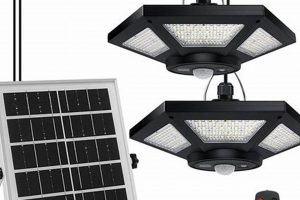
Tip 6: Optimize Lighting. Ensure adequate lighting within the structure. Insufficient lighting can hinder the ability to locate items and can increase the risk of accidents. Install a durable, weather-resistant light fixture that provides ample illumination throughout the space.
Tip 7: Implement a Maintenance Schedule. Regular maintenance is essential to sustain organizational efforts. Implement a schedule for periodic cleaning and reorganization. This will prevent the accumulation of clutter and maintain the efficiency of the established system.
Effective arrangement of this storage structure requires a strategic approach that emphasizes space utilization, categorization, and consistent maintenance. Adhering to these principles will enhance efficiency and preserve the longevity of gardening equipment.
The subsequent sections will delve into the ongoing upkeep and adjustments necessary to maintain an efficient storage system, ensuring long-term effectiveness.
1. De-clutter

De-cluttering serves as a foundational step in achieving an effectively organized garden shed. It directly impacts the feasibility and efficiency of subsequent organizational efforts. The accumulation of unnecessary or obsolete items within the structure impedes access to frequently used tools and materials and contributes to a chaotic and potentially hazardous environment. This preliminary process involves the systematic removal of items that are broken, redundant, or no longer relevant to gardening activities.
The practical significance of de-cluttering is evident in scenarios where a cluttered shed necessitates excessive time and effort to locate a specific tool. For instance, a gardener may spend several minutes searching through a pile of unused pots, broken equipment, and outdated fertilizers to find a pair of pruning shears. This lost time diminishes productivity and can lead to frustration. Furthermore, accumulated clutter can conceal potential hazards, such as exposed nails or unstable stacks of materials, increasing the risk of accidents. By removing these obstructions, the remaining items can be arranged more strategically, optimizing space utilization and improving overall accessibility.
In conclusion, de-cluttering is not merely an aesthetic improvement but a practical imperative for organizing a garden shed. It establishes the groundwork for a functional and safe workspace, streamlining gardening tasks and minimizing potential risks. Failure to address de-cluttering as an initial step undermines the effectiveness of any subsequent organizational strategies and can lead to a perpetuation of inefficiency and disarray. Addressing this step ensures all future endeavors are more effective.
2. Verticality

The concept of verticality is paramount in optimizing the spatial efficiency of a garden shed. Given the typically limited square footage of such structures, maximizing vertical space becomes a critical component in organizing tools, equipment, and supplies. Strategic implementation of vertical storage solutions transforms underutilized wall and ceiling areas into functional organizational zones.
- Shelving Systems
Shelving units represent a primary method for implementing vertical storage. Adjustable shelving allows for customization to accommodate items of varying heights and dimensions. By extending storage upwards, shelving minimizes floor clutter and enhances accessibility to frequently used items. For instance, multiple shelves can house seed packets, small hand tools, and potting supplies, consolidating them in an easily accessible location.
- Wall-Mounted Racks
Wall-mounted racks are specifically designed for the vertical storage of long-handled tools, such as shovels, rakes, and hoes. These racks secure tools in an upright position, preventing them from falling and creating hazards. The vertical orientation also reduces the footprint required for storage, freeing up valuable floor space. A common example is a rack with spring-loaded clips that grip tool handles, ensuring secure and organized storage.
- Pegboards and Hanging Systems
Pegboards offer a versatile solution for organizing smaller tools and accessories. Hooks and containers can be attached to the pegboard to hold items such as screwdrivers, pliers, and gardening gloves. This vertical organization method allows for clear visibility and easy access to tools. Similarly, hanging systems, such as wire grids or mesh panels, can be used to suspend larger items, such as watering cans or coiled hoses, from the walls or ceiling.
- Loft or Overhead Storage
In sheds with sufficient height, a loft or overhead storage platform can be constructed to utilize the upper reaches of the structure. This area can be used to store seasonal items, such as winter covers or dormant gardening equipment. Careful planning is necessary to ensure safe access and weight distribution. For example, sturdy platforms with secure railings can house bins of stored bulbs or bags of potting soil.
The successful integration of verticality into a garden shed’s design is integral to its overall functionality. By employing shelving, racks, pegboards, and overhead storage solutions, the organization maximizes available space, enhances accessibility, and creates a safer and more efficient gardening environment.
3. Zoning

Zoning, in the context of organizing a garden shed, constitutes the deliberate division of the storage space into designated areas based on item categories or functions. This strategic allocation of space directly enhances the efficiency and usability of the structure. Without zoning, items become intermingled, leading to increased search times, disorganization, and potential damage to equipment. The implementation of zoning within a garden shed, therefore, promotes systematic organization and facilitates streamlined workflow. For example, designating one zone for hand tools, another for power equipment, and a third for fertilizers and soil amendments creates a readily accessible and logically arranged environment. This approach minimizes the time spent searching for specific items and reduces the likelihood of misplacing or damaging tools due to improper storage.
The practical application of zoning can be observed in numerous real-world scenarios. Consider a gardener who regularly uses various tools for planting, pruning, and lawn care. By establishing separate zones for each of these activities, the gardener can quickly locate the necessary equipment without sorting through a chaotic jumble of items. A potting zone might include pots, soil, trowels, and watering cans, while a lawn care zone would house lawnmowers, trimmers, and edging tools. Furthermore, zoning can also accommodate seasonal variations in gardening activities. A designated area for winter storage of delicate plants or summer equipment can maintain order and protect items from damage. The effectiveness of zoning hinges on clear labeling and consistent adherence to the established categories. Proper signage ensures that items are returned to their designated zones after use, thereby preserving the integrity of the system and preventing the recurrence of disorganization.
In conclusion, zoning is a critical component in organizing a garden shed. Its deliberate division of space based on function translates directly into increased efficiency, reduced search times, and improved overall organization. Challenges in implementing zoning may include limited space or the need to adapt zones based on changing gardening needs. However, the benefits of a well-zoned garden shed far outweigh the potential challenges, contributing to a more productive and enjoyable gardening experience. The effective organization provides a well-optimized storage solution.
4. Containers
The strategic employment of containers is integral to achieving a systematized and functional arrangement of a garden shed. These receptacles serve as critical tools for categorization, protection, and space optimization, directly contributing to the overall organization and efficiency of the storage environment.
- Categorization and Consolidation
Containers facilitate the grouping of similar items, creating discernible categories within the storage space. By consolidating small, disparate objects into designated containers, clutter is reduced, and retrieval becomes more efficient. For example, storing various seed packets in a labeled, airtight container protects them from moisture and pests while enabling quick identification and access.
- Protection from Environmental Factors
Appropriate containers safeguard items from detrimental environmental conditions that can accelerate deterioration. Weatherproof bins protect tools from rust and corrosion, while opaque containers shield light-sensitive materials, such as certain fertilizers or chemicals, from degradation. The use of containers thus contributes to the longevity of stored items, reducing replacement costs and environmental impact.
- Space Optimization and Stackability
Many containers are designed for stackability, maximizing vertical space and minimizing the footprint required for storage. This feature is particularly valuable in sheds with limited floor space. Standardized container sizes further streamline arrangement, allowing for efficient nesting and maximizing storage density. Stacking containers also prevents items from being scattered and reduces the risk of accidental damage.
- Visibility and Accessibility
Transparent or clearly labeled containers enhance visibility, allowing for quick identification of contents without the need to open each container. This expedites the retrieval process and reduces the likelihood of displacing other items during the search. Furthermore, containers with ergonomic handles or easy-access lids facilitate convenient handling and minimize the physical strain associated with accessing stored items.
The judicious selection and application of containers, therefore, represent a cornerstone of effective garden shed arrangement. By enabling categorization, protection, space optimization, and enhanced visibility, containers contribute significantly to creating a well-organized and functional storage area. A variety of storage options are available to suit different storage shed needs. Effective planning and implementation are essential for realizing the full benefits of this approach.
5. Maintenance

Sustained order within a garden shed is contingent upon the implementation of consistent maintenance procedures. Initial organizational efforts, while crucial, are insufficient to ensure long-term tidiness and efficiency. The absence of a structured maintenance plan will inevitably lead to a gradual return to disarray, negating the benefits of the initial organizational undertaking.
- Regular Inventory Assessment
Periodic evaluation of stored items is essential. This involves identifying and removing items that are damaged, obsolete, or no longer required. The failure to conduct such assessments leads to the accumulation of unnecessary clutter, hindering access to frequently used tools and supplies. For example, discarding broken pots or expired fertilizers prevents them from occupying valuable storage space and contributing to disorganization.
- Structural Upkeep
Maintenance extends beyond the arrangement of contents and encompasses the physical structure of the shed. Addressing structural issues such as leaks, damaged siding, or faulty doors is crucial for preventing damage to stored items. Water infiltration, for instance, can lead to rust and corrosion of tools and equipment. Prompt repairs ensure the integrity of the storage environment and protect its contents.
- Pest Control Measures
Garden sheds, particularly those constructed of wood, are susceptible to pest infestations. Implementing preventative measures, such as sealing cracks and crevices, employing pest repellents, and periodically inspecting for signs of infestation, is necessary to safeguard stored items. Rodents and insects can damage tools, seeds, and other gardening supplies, compromising their usability and longevity.
- System Reinforcement and Adjustment
Organizational systems are not static; they require periodic evaluation and adjustment to accommodate changing needs and usage patterns. Regularly reviewing the placement of items and the effectiveness of storage solutions allows for optimization and refinement. For example, if a frequently used tool is located in a less accessible area, its relocation to a more convenient location enhances efficiency and reduces frustration.
The integration of these maintenance facets ensures the continued functionality and order of a garden shed. Without a proactive approach to upkeep, initial organizational efforts are rendered temporary, and the benefits of a well-arranged storage space are diminished. Consistent maintenance promotes long-term efficiency, protects stored items, and fosters a more productive gardening environment. The absence of a proper plan can reverse a storage system to chaotic level.
Frequently Asked Questions
The following questions and answers address common inquiries regarding the systematic arrangement of outdoor storage structures for gardening implements.
Question 1: What constitutes the initial step in effectively arranging a garden shed?
The initial step entails a comprehensive inventory and de-cluttering process. All items should be removed from the structure, assessed for functionality and relevance, and unnecessary items discarded. This creates space and clarity for subsequent organizational efforts.
Question 2: Why is vertical storage emphasized in the context of organizing garden sheds?
Vertical storage maximizes the utilization of limited space within the structure. Shelving units, wall-mounted racks, and pegboards leverage wall and ceiling areas, freeing up valuable floor space and enhancing accessibility.
Question 3: What is the purpose of implementing zoning within a garden shed arrangement?
Zoning involves dividing the storage space into designated areas based on item categories or functions. This systematic allocation facilitates efficient retrieval of tools and supplies and prevents the intermingling of unrelated items.
Question 4: Why is the selection of appropriate containers considered essential for garden shed organization?
Containers enable categorization, consolidation, and protection of smaller items. Transparent or labeled containers enhance visibility and accessibility, while weatherproof containers safeguard against environmental damage.
Question 5: How does consistent maintenance contribute to the long-term order of a garden shed?
Regular maintenance, including inventory assessments, structural upkeep, and pest control measures, prevents the accumulation of clutter and protects stored items from deterioration. Periodic adjustments ensure the organizational system remains optimized and adaptable to changing needs.
Question 6: What are the potential consequences of neglecting to organize a garden shed?
Neglecting to organize a garden shed can lead to reduced efficiency, increased search times, damage to equipment, and potential safety hazards. Disorganization can also hinder gardening productivity and diminish the overall aesthetic appeal of the outdoor space.
In summation, effective organization relies on a multifaceted approach that encompasses de-cluttering, vertical storage, zoning, container utilization, and consistent maintenance.
The succeeding section will explore advanced strategies for optimizing space in challenging shed configurations.
Organize a Garden Shed
The preceding analysis has explored the critical aspects of how to organize a garden shed, emphasizing the importance of de-cluttering, vertical space utilization, zoning strategies, appropriate container usage, and ongoing maintenance. Each element contributes significantly to creating a functional and efficient storage environment that supports gardening endeavors.
Effective arrangement of these outdoor structures transcends mere tidiness; it represents a commitment to maximizing productivity, safeguarding valuable tools and resources, and ensuring a safe and accessible workspace. The consistent application of these principles ensures that the garden shed remains a valuable asset, contributing to the overall success and enjoyment of gardening activities. It is therefore prudent to adopt these methods to reap lasting benefits.