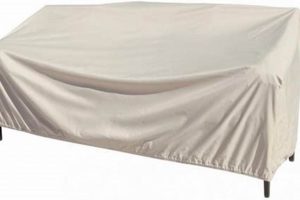
Furnishings designed for outdoor spaces that incorporate small pieces of tile, glass, or stone to create decorative patterns are a popular choice for enhancing patios, decks, and gardens. These items frequently feature intricate designs embedded within tabletops, seat surfaces, or decorative accents, adding visual interest to the setting.
The incorporation of such decorated pieces provides both functional seating and artistic expression within an outdoor area. Their durability withstands various weather conditions, contributing to their longevity as landscape accents. Historically, the technique employed reflects artistic traditions dating back centuries, imbuing each piece with a sense of craftsmanship and timelessness.
The subsequent sections will explore the different styles, materials, care requirements, and selection considerations related to these decorative and functional outdoor furnishings, providing a comprehensive overview for those seeking to integrate them into their external living spaces.
Selecting Mosaic-Adorned Outdoor Furnishings
The selection of outdoor furniture featuring mosaic elements requires careful consideration to ensure both aesthetic appeal and long-term durability. The following tips provide guidance for making informed decisions.
Tip 1: Assess Material Quality: Prioritize furnishings constructed with weather-resistant materials. For tabletops, consider sealed stone or glass mosaics applied to a sturdy base like powder-coated steel or treated wood. The grout used should be specifically designed for outdoor use to prevent water damage and cracking.
Tip 2: Evaluate Frame Construction: The underlying frame should be robust enough to support the mosaic surface and withstand outdoor conditions. Aluminum or powder-coated steel frames offer good corrosion resistance. Ensure all joints are securely welded or bolted together.
Tip 3: Inspect Grout Integrity: Examine the grout lines for uniformity and completeness. Gaps or cracks can allow water infiltration, leading to damage during freeze-thaw cycles. A high-quality grout sealant should be applied regularly to protect the mosaic surface.
Tip 4: Consider the Mosaic Pattern: Select patterns that complement the existing outdoor dcor and personal preferences. Intricate designs may require more maintenance and cleaning. Simpler geometric patterns often offer a more timeless and versatile aesthetic.
Tip 5: Check for Stability: Before purchasing, ensure the furniture is stable and level on a flat surface. Unevenness can indicate poor construction or potential for tipping. Adjustable feet can be a helpful feature for addressing minor irregularities in the patio or garden surface.
Tip 6: Determine Weight and Portability: Consider the weight of the furniture if frequent relocation is anticipated. Lighter materials like aluminum are easier to move, while heavier options provide greater stability in windy conditions.
By carefully evaluating these factors, individuals can acquire outdoor furnishings featuring mosaic designs that offer both lasting beauty and functional performance, enhancing the enjoyment of outdoor living spaces for years to come.
The following sections will delve into the care and maintenance required to preserve the beauty of mosaic surfaces and extend the lifespan of these distinctive outdoor pieces.
1. Material Durability

The longevity and aesthetic preservation of mosaic garden furniture are inextricably linked to the durability of the constituent materials. Exposure to environmental elements, including ultraviolet radiation, precipitation, and temperature fluctuations, imposes significant stress. Consequently, the selection of resistant substances is paramount. Inferior materials are susceptible to degradation, leading to cracking, fading, and ultimately, structural failure. For example, the use of non-vitreous tile in regions experiencing freeze-thaw cycles will invariably result in water absorption, expansion, and subsequent fracturing of the mosaic surface. Similarly, a metal frame lacking a protective coating will corrode, compromising the furniture’s structural integrity and rendering it unusable.
The choice of durable materials extends beyond the mosaic tiles and frame to include the grout and adhesive employed. Grout, if not properly sealed and resistant to mold and mildew, becomes a breeding ground for biological growth, discoloring the mosaic surface and requiring frequent and intensive cleaning. Adhesives lacking weather resistance can fail, causing tiles to detach from the substrate, necessitating costly repairs. A practical example of informed material selection involves using porcelain tiles, known for their low water absorption and resistance to staining, coupled with epoxy grout, which offers superior durability and resistance to chemical degradation. This combination, while potentially more expensive upfront, minimizes long-term maintenance and extends the lifespan of the furniture.
In summary, material durability represents a foundational aspect of mosaic garden furniture. The selection of resistant materials is not merely a matter of aesthetic preference but a critical factor in determining the furniture’s long-term viability. The challenge lies in balancing aesthetic considerations with the practical requirements of outdoor exposure. By prioritizing durable materials and employing proper construction techniques, the longevity and beauty of mosaic garden furniture can be ensured, providing years of enjoyment in outdoor settings.
2. Design Complexity

The level of intricacy inherent in mosaic patterns significantly influences various aspects of garden furniture, ranging from aesthetic appeal to structural integrity and maintenance requirements. The subsequent points address critical considerations arising from the complexity of mosaic design.
- Tile Size and Arrangement
Smaller tile sizes and more elaborate arrangements introduce greater surface area with associated grout lines. While enhancing visual detail, this necessitates increased precision during construction. Irregular or densely packed patterns are more prone to stress fractures due to differential expansion and contraction under varying temperature conditions. Furthermore, intricate designs may present cleaning challenges, as debris can accumulate within the numerous grout lines, potentially fostering mold growth and discoloration.
- Color Palette and Shading
The utilization of a broad color palette and nuanced shading techniques increases the visual interest of mosaic garden furniture. However, the long-term colorfastness of individual tiles becomes a critical factor. Variations in pigment stability can lead to uneven fading under prolonged sun exposure, diminishing the overall aesthetic coherence of the design. Furthermore, complex color schemes may require specialized cleaning agents to prevent color bleeding or alteration of the mosaic surface.
- Geometric vs. Organic Patterns
Geometric patterns, characterized by precise lines and symmetrical arrangements, demand meticulous alignment during the mosaic application process. Even minor deviations from the intended design can disrupt the visual harmony and detract from the furniture’s overall appearance. Organic patterns, while offering greater design flexibility, may pose challenges in terms of achieving a balanced composition. The distribution of elements and the integration of negative space require careful consideration to prevent the design from appearing cluttered or unbalanced.
- Substrate Compatibility
The design complexity of a mosaic pattern must be carefully considered in relation to the underlying substrate. Intricate designs applied to curved or irregular surfaces require specialized techniques to ensure proper adhesion and prevent tile displacement. Moreover, the weight of the mosaic surface must be compatible with the load-bearing capacity of the furniture frame. Overly complex designs using heavy materials can compromise the structural integrity of the furniture, particularly under dynamic loading conditions.
In conclusion, design complexity serves as a critical determinant of both the visual impact and long-term performance of mosaic garden furniture. A careful balance between aesthetic aspirations and practical considerations is essential to ensure that the chosen design enhances the furniture’s appeal without compromising its durability or ease of maintenance.
3. Structural Integrity

Structural integrity is a paramount attribute of mosaic garden furniture, representing its ability to withstand imposed loads and environmental stresses without catastrophic failure or unacceptable deformation. The intricate nature of mosaic construction, where individual tesserae are adhered to a substrate, inherently introduces potential weak points. Consequently, the overall robustness of the furniture hinges not only on the quality of the individual materials but also on the method of assembly and the distribution of load-bearing capacity.
A primary factor influencing structural integrity is the composition and construction of the furniture frame. Frames constructed from materials susceptible to corrosion, such as untreated steel, compromise the long-term viability of the mosaic surface. The corrosion process undermines the frame’s ability to provide consistent support, leading to cracking and displacement of the mosaic tiles. For instance, consider a mosaic-topped table with a wrought-iron frame exposed to prolonged moisture. The resulting rust weakens the frame, causing the tabletop to sag and the mosaic to detach. Similarly, inadequately supported substrates beneath the mosaic surface can deflect under load, generating tensile stresses within the mosaic layer. This can lead to cracking along grout lines or even through the tiles themselves. A real-world example includes mosaic benches with insufficient internal bracing. Over time, the weight of occupants causes the bench to bow, resulting in extensive damage to the mosaic finish.
In conclusion, structural integrity is not merely an abstract engineering concept but a tangible requirement for the satisfactory performance of mosaic garden furniture. The selection of durable, weather-resistant frame materials, coupled with sound engineering principles for substrate design and mosaic application, is essential for ensuring longevity and preventing premature failure. Neglecting structural integrity in the design and construction phases inevitably leads to costly repairs, reduced lifespan, and ultimately, dissatisfaction with the product.
4. Grout Maintenance

Grout, the material filling the spaces between mosaic tiles in garden furniture, is susceptible to degradation from environmental exposure and regular use. Its primary role is to provide structural stability, prevent water infiltration, and contribute to the aesthetic appearance of the mosaic surface. Inadequate maintenance leads to a cascade of negative effects. For instance, unsealed grout absorbs moisture, creating a breeding ground for mold and mildew. This not only discolors the grout lines, diminishing the visual appeal, but also weakens the grout structure, allowing water to penetrate further and potentially damage the underlying substrate. The effect is amplified by freeze-thaw cycles, which cause the absorbed water to expand and contract, leading to cracking and crumbling of the grout. A common scenario involves a mosaic tabletop left uncovered during winter months. Water seeps into the grout, freezes, and expands, resulting in extensive grout damage and potential tile displacement.
Effective maintenance practices involve regular cleaning and sealing. Cleaning removes dirt, debris, and biological growth, preventing discoloration and maintaining a hygienic surface. A mild detergent and soft brush are typically sufficient for routine cleaning. Harsh chemicals should be avoided, as they can damage the grout and potentially discolor the mosaic tiles. Sealing the grout creates a barrier against water penetration, preventing moisture absorption and minimizing the risk of mold and mildew growth. Sealants should be applied periodically, following the manufacturer’s instructions. The frequency of application depends on the type of sealant used and the level of exposure to environmental elements. For example, furniture located in areas with heavy rainfall or frequent exposure to sunlight may require more frequent sealing than furniture placed in sheltered locations.
In summary, grout maintenance is an indispensable aspect of preserving the integrity and appearance of mosaic garden furniture. Neglecting grout maintenance leads to aesthetic degradation, structural damage, and ultimately, a shortened lifespan for the furniture. Consistent cleaning and periodic sealing are crucial for mitigating these risks, ensuring that mosaic garden furniture remains a visually appealing and durable addition to outdoor spaces. The challenge lies in recognizing the subtle signs of grout deterioration and implementing proactive maintenance measures to prevent more extensive and costly repairs.
5. Weather Resistance
The susceptibility of exterior furnishings to environmental elements makes weather resistance a critical factor in the longevity and aesthetic preservation of mosaic garden furniture. The cyclical exposure to precipitation, solar radiation, and temperature variations exerts considerable stress on the constituent materials. Failure to adequately address weather resistance results in degradation, diminished structural integrity, and ultimately, a reduced lifespan for the furniture. Solar radiation, particularly ultraviolet (UV) rays, causes fading and discoloration of mosaic tiles and grout. Moisture penetration, accelerated by porous materials and compromised grout, facilitates freeze-thaw damage, leading to cracking and displacement of tiles. For instance, a mosaic tabletop constructed with non-frost-resistant tiles in a region experiencing sub-zero temperatures will exhibit significant damage within a few seasons, rendering the furniture unusable. Similarly, metal frames lacking a protective coating are prone to corrosion, weakening the structural support and compromising the mosaic surface.
Practical applications of weather-resistant design and material selection are evident in the specifications of high-quality mosaic garden furniture. Manufacturers employ UV-resistant pigments in the production of mosaic tiles to minimize fading. They utilize frost-proof materials, such as porcelain or vitreous glass, to mitigate freeze-thaw damage. Frames are constructed from corrosion-resistant metals, such as aluminum or powder-coated steel, or from treated wood that resists rot and insect infestation. Furthermore, grout is sealed with waterproof compounds to prevent moisture penetration and subsequent damage. An illustrative example is the implementation of epoxy grout, which exhibits superior water resistance and durability compared to traditional cement-based grout. Proper drainage channels are also incorporated into the design to facilitate water runoff and prevent accumulation on the mosaic surface.
In conclusion, weather resistance is not merely a desirable attribute but an essential requirement for mosaic garden furniture intended for prolonged outdoor use. A comprehensive understanding of the environmental stressors involved, combined with the judicious selection of durable, weather-resistant materials and appropriate construction techniques, is critical for ensuring the long-term performance and aesthetic appeal of these furnishings. The challenge lies in balancing cost considerations with the need for robust weather protection, prioritizing investments in materials and construction methods that provide lasting value and minimize the need for frequent repairs or replacements.
6. Weight Distribution

Weight distribution within mosaic garden furniture is a crucial factor influencing stability, structural integrity, and user safety. The inherent construction of mosaic surfaces, comprising numerous individual tiles adhered to a substrate, introduces a unique set of weight-related challenges. Uneven weight distribution can lead to stress concentrations within the frame and mosaic surface, potentially resulting in fractures, instability, and premature failure. For example, a mosaic-topped table with inadequate support beneath a particularly dense or heavy mosaic pattern will exhibit a tendency to warp or even collapse under its own weight or when subjected to additional loads. Similarly, chairs or benches with unevenly distributed weight may become unstable, posing a safety hazard to users. The concentration of weight on one side can cause tipping or structural failure in the frame connections.
Practical implications of understanding weight distribution extend to the design and manufacturing processes. Designers must carefully consider the density and composition of the mosaic pattern in relation to the load-bearing capacity of the supporting frame. Reinforcements, such as internal bracing or thicker support structures, may be necessary to compensate for uneven weight distribution. Manufacturers should implement quality control measures to ensure that mosaic tiles are evenly applied and that the grout is consistently filled to minimize stress concentrations. The use of computer-aided design (CAD) and finite element analysis (FEA) tools enables engineers to simulate weight distribution and identify potential weak points in the design before production begins. Real-world examples of this approach include companies that meticulously analyze the stress patterns in mosaic furniture designs, reinforcing areas prone to high stress with thicker materials or additional supports.
In summary, weight distribution plays a vital role in the performance and longevity of mosaic garden furniture. Uneven distribution compromises stability, structural integrity, and user safety, whereas thoughtful design and manufacturing processes that prioritize balanced weight distribution mitigate these risks. A thorough understanding of these principles ensures that mosaic garden furniture remains both aesthetically pleasing and functionally sound. Further research and development into lightweight yet durable materials will continue to enhance the design and performance of these furnishings.
7. Aesthetic Harmony

The integration of mosaic garden furniture into an outdoor space necessitates careful consideration of aesthetic harmony, ensuring that the pieces complement their surroundings and contribute to a cohesive visual experience. Aesthetic harmony involves the selection of colors, patterns, and styles that align with the existing landscape, architectural elements, and overall design intent.
- Color Palette Integration
The color palette of mosaic furniture must harmonize with the existing environment. If the garden features predominantly cool tones (blues, greens), selecting mosaic pieces with similar hues creates a sense of calm and unity. Conversely, introducing contrasting colors, such as warm yellows or oranges, can create focal points and add visual interest, provided they are used judiciously. For example, a mosaic table incorporating shades of blue and green will seamlessly integrate into a garden with lush green foliage and a blue-tiled water feature. However, a table with clashing colors might disrupt the overall aesthetic, drawing unwanted attention and creating a discordant visual effect.
- Pattern Scale and Proportion
The scale and proportion of mosaic patterns should correspond to the dimensions of the furniture and the size of the surrounding space. Large, bold patterns may overwhelm smaller areas, while intricate, detailed patterns may be lost in larger settings. Selecting patterns that are appropriately scaled to the furniture and the garden ensures visual balance. A small mosaic bistro set with a delicate floral pattern is well-suited for a compact balcony garden, while a large mosaic dining table with a geometric design complements a spacious patio.
- Style Consistency
Maintaining stylistic consistency between the mosaic furniture and the overall design theme of the garden enhances aesthetic harmony. A rustic, Mediterranean-style garden, for example, benefits from mosaic pieces incorporating earthy tones, natural materials, and handcrafted patterns. A modern, minimalist garden, on the other hand, calls for sleek, geometric designs and a more restrained color palette. Mismatched styles can create visual confusion and undermine the intended aesthetic effect. Integrating mosaic furniture with the established design language of the garden, whether formal or informal, maximizes its visual impact.
- Material Complementarity
The materials used in mosaic furniture should complement the natural materials present in the garden. Incorporating natural stone, terracotta, or reclaimed wood elements into the mosaic design creates a sense of connection to the environment. Juxtaposing contrasting materials, such as metal and glass, can also be effective, provided it is done thoughtfully and with a clear design intent. For example, a mosaic bench with a stone base blends seamlessly into a natural stone pathway, while a mosaic table with a metal frame adds a touch of contemporary flair to a traditional garden setting.
By carefully considering these facets of aesthetic harmony, the integration of mosaic garden furniture can transform an outdoor space into a visually appealing and cohesive environment. The selection of appropriate colors, patterns, styles, and materials ensures that the mosaic pieces not only serve a functional purpose but also contribute to the overall beauty and tranquility of the garden.
Frequently Asked Questions
This section addresses common inquiries regarding the selection, maintenance, and longevity of mosaic garden furniture. The following questions and answers provide guidance based on established best practices and material science principles.
Question 1: What materials are best suited for mosaic garden furniture intended for year-round outdoor use?
Optimal materials for year-round exposure include frost-resistant tiles (e.g., porcelain, vitreous glass), corrosion-resistant frames (e.g., powder-coated aluminum or steel), and epoxy grout. These materials exhibit superior resistance to moisture, temperature fluctuations, and ultraviolet radiation.
Question 2: How frequently should mosaic grout be sealed to prevent water damage?
Grout should be sealed annually, or more frequently in regions with high rainfall or extreme temperature variations. A penetrating sealant designed for outdoor use is recommended to provide optimal protection against water absorption and subsequent freeze-thaw damage.
Question 3: What cleaning agents are safe for use on mosaic surfaces?
Mild, pH-neutral detergents are generally safe for cleaning mosaic surfaces. Abrasive cleaners, harsh chemicals, and acidic solutions should be avoided, as they can damage the tiles and grout. A soft brush or sponge is recommended for gentle cleaning.
Question 4: How can fading of mosaic tiles be minimized?
Selecting tiles with UV-resistant pigments is essential. Additionally, shading the furniture during peak sunlight hours or applying a UV-protective coating can help mitigate fading. Darker colors are generally more susceptible to fading than lighter colors.
Question 5: What are the key indicators of structural weakness in mosaic garden furniture?
Indicators of structural weakness include frame corrosion, grout cracking, tile displacement, and instability. Regular inspection for these signs allows for early intervention and prevents further damage.
Question 6: How can the lifespan of mosaic garden furniture be extended?
The lifespan can be extended through proper material selection, regular cleaning and sealing, protecting the furniture from extreme weather conditions (e.g., covering it during winter), and promptly addressing any signs of damage or deterioration.
In summary, proactive maintenance and the selection of appropriate materials are crucial for preserving the beauty and functionality of mosaic garden furniture. Adhering to these guidelines ensures long-term enjoyment of these distinctive outdoor pieces.
The following section provides expert insights on selecting specific mosaic designs to enhance your outdoor space.
Mosaic Garden Furniture
The preceding analysis has elucidated the multifaceted considerations inherent in the selection, maintenance, and longevity of mosaic garden furniture. From material durability and design complexity to structural integrity, grout maintenance, weather resistance, weight distribution, and aesthetic harmony, each aspect contributes significantly to the overall performance and enduring appeal of these outdoor furnishings. Understanding these dimensions empowers informed decision-making and optimized ownership.
The cultivation of outdoor spaces remains a pursuit deeply entwined with human well-being. As such, the responsible integration of mosaic garden furniture, mindful of the principles outlined, represents a commitment to both aesthetic enrichment and sustainable practices. Continued advancements in material science and design innovation promise further enhancements in the durability and versatility of these furnishings, ensuring their continued relevance in the evolving landscape of outdoor living.

![Protect & Extend: Garden Furniture Feet Protectors [Buy Now] | The Ultimate Gardening Guide: Grow a Thriving Garden Year-Round](https://MyGardenPatch.com/wp-content/uploads/2025/07/th-3169-300x200.jpg "Protect & Extend: Garden Furniture Feet Protectors [Buy Now] The Ultimate Gardening Guide: Grow a Thriving Garden Year-Round")