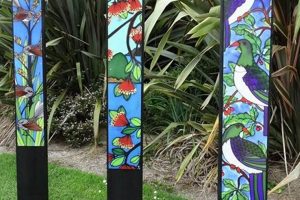
This renowned location is situated on Madeira Island, specifically within the city of Funchal. It comprises a botanical garden showcasing a diverse collection of exotic plants from around the globe, alongside oriental gardens featuring koi ponds, pagodas, and sculptures. Its elevated position provides panoramic views of Funchal and the Atlantic Ocean.
The site serves as a significant tourist attraction, contributing to the local economy and promoting Madeira’s natural beauty. Furthermore, it offers a space for relaxation, education about plant life, and appreciation of art and culture. The historical context involves the vision of Jos Berardo, who acquired the property and transformed it into its current state, opening it to the public.
This article will explore specific aspects of this prominent landmark, including its distinct garden sections, the artistic elements incorporated throughout the grounds, and practical visitor information.
Visiting the Location
Maximizing the experience requires thoughtful planning. The following tips provide guidance for prospective visitors.
Tip 1: Allocate Sufficient Time: The area encompasses a considerable expanse. Allow at least three to four hours to explore the diverse gardens, art installations, and viewpoints thoroughly.
Tip 2: Wear Comfortable Footwear: Extensive walking is required, often on inclined paths and uneven terrain. Proper footwear is essential for navigating the grounds comfortably.
Tip 3: Check the Weather Forecast: Funchal’s weather can be unpredictable. Consult the forecast before visiting and dress accordingly. Layered clothing is advisable.
Tip 4: Utilize the Cable Car: Accessing the site via the Funchal cable car provides a scenic ascent and reduces walking. Consider purchasing a round-trip ticket for convenience.
Tip 5: Bring Water and Snacks: While a caf is located within the area, bringing personal refreshments ensures hydration and sustenance throughout the visit.
Tip 6: Study the Map: Familiarize yourself with the garden layout. Maps are available at the entrance and can aid in navigating specific areas of interest efficiently.
Tip 7: Respect the Environment: Adhere to posted guidelines regarding plant life and designated pathways. Avoid littering and maintain a respectful distance from art installations.
Careful consideration of these suggestions enhances the enjoyment and efficiency of the visit.
Following these suggestions will make your experience more enjoyable and memorable, while ensuring respect for this valued environment. The following section will provide further details on specific areas within the location.
1. Exotic Plant Collections

The diverse collection of exotic plants within the location is a central feature, contributing significantly to its appeal and educational value. These collections are not merely decorative; they represent a deliberate effort to showcase botanical diversity from across the globe, fostering appreciation and understanding.
- Origin and Sourcing
Plants are sourced from various continents and climates, representing a broad spectrum of botanical families and species. This global approach provides visitors with a unique opportunity to observe plants not native to Madeira, expanding their knowledge of worldwide flora.
- Thematic Groupings
The collections are often arranged thematically, such as by geographical region (e.g., South African plants, Himalayan flora) or by plant type (e.g., orchids, cycads). These thematic groupings enhance the educational aspect of the garden, allowing for focused study and comparison.
- Conservation Efforts
Some of the plants within the collections are rare or endangered in their natural habitats. Their inclusion in the location contributes to conservation efforts by providing a safe haven and facilitating potential propagation and research.
- Visual and Sensory Experience
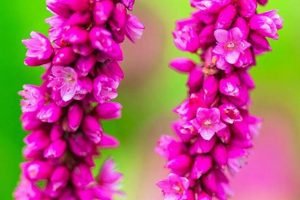
The exotic plants contribute significantly to the overall aesthetic appeal of the site. The diverse shapes, colors, and textures of these plants create a visually stimulating environment, enhancing the visitor experience and promoting a sense of wonder.
The exotic plant collections are an integral part of the location’s identity, providing educational opportunities, supporting conservation, and enhancing the aesthetic appeal of the landmark destination.
2. Oriental Garden Design

The incorporation of Oriental garden design principles within the grounds significantly contributes to its distinctive character. These gardens are not merely decorative elements; they represent a deliberate fusion of Eastern aesthetics and philosophies within a Madeiran landscape, creating a unique and contemplative space.
- Harmonious Composition
Oriental garden design emphasizes a balanced and harmonious composition, integrating natural elements such as rocks, water, and plants to create serene and aesthetically pleasing landscapes. Within the location, this is evident in the carefully arranged koi ponds, the strategic placement of stones, and the meticulous pruning of trees to achieve a naturalistic yet controlled appearance.
- Symbolic Elements
Many elements within Oriental gardens carry symbolic meaning, reflecting philosophical or religious beliefs. Pagodas, lanterns, and specific plant species are often used to represent concepts such as longevity, prosperity, and enlightenment. The placement of these elements within the location reinforces the garden’s role as a space for contemplation and spiritual reflection.
- Use of Water Features
Water is a central element in Oriental garden design, representing purity, tranquility, and the flow of life. Koi ponds, streams, and waterfalls are often incorporated to create a sense of movement and serenity. Within the location, the presence of these water features contributes to the overall atmosphere of peace and harmony.
- Integration of Architecture
Traditional architecture, such as pagodas and tea houses, is often integrated into Oriental gardens to provide focal points and enhance the overall aesthetic appeal. These structures serve as visual anchors and offer visitors spaces for rest and contemplation, furthering the connection between the natural environment and human presence.
The integration of these design principles within the location’s oriental sections enriches the visitor experience by providing tranquil spaces that invite reflection and appreciation of Eastern aesthetics. These gardens, with their harmonious compositions, symbolic ele
ments, and integrated architecture, contribute significantly to the distinctive identity and appeal.
3. Artistic Sculpture Placement
The strategic placement of sculptures throughout the locale enhances its visual narrative, transforming the gardens into an open-air museum. These artistic elements are not merely decorative additions; they are integral components that contribute to the overall atmosphere and thematic unity of the space.
- Enhancing Thematic Narratives
Sculptures are carefully positioned to complement and reinforce the thematic narratives of specific garden areas. For instance, within the Oriental gardens, sculptures of Buddhas and other figures from Asian mythology enhance the sense of serenity and spiritual reflection. In other areas, sculptures may reflect different cultural or historical themes, contributing to the overall diversity of the experience.
- Creating Visual Focal Points
Sculptures often serve as visual focal points, drawing the viewer’s eye and guiding their movement through the gardens. These focal points can highlight key areas of interest, such as a particularly striking plant collection or a panoramic view. The deliberate placement of sculptures creates a sense of visual rhythm and balance, enhancing the overall aesthetic appeal.
- Adding Depth and Dimension
Sculptures add depth and dimension to the landscape, transforming it from a two-dimensional plane into a three-dimensional environment. The interplay of light and shadow on the sculptures’ surfaces creates a dynamic and engaging visual experience, further enhancing the sense of immersion. The sculptures provide a tangible connection to the artistic vision behind the design.
- Reflecting Cultural Diversity
The collection of sculptures reflects a diversity of cultural influences, mirroring the variety of plants and garden styles within the space. Sculptures from various regions and time periods are strategically placed to highlight the interconnectedness of cultures and the universal appeal of art. This diversity enriches the visitor experience, fostering a sense of global awareness.
The deliberate incorporation of sculptures throughout the gardens significantly enriches the experience, transforming it into a dynamic interplay of art, nature, and cultural expression. This deliberate arrangement underscores the site’s commitment to providing a multifaceted and engaging encounter for every visitor.
4. Panoramic Funchal Views

The elevated positioning of the destination affords visitors unobstructed views of Funchal and the Atlantic Ocean, constituting a significant element of its overall appeal. This vantage point transforms the visitor experience, offering a visual dimension that complements the botanical and artistic features of the grounds.
- Enhanced Scenic Appreciation
The panoramic vistas provide a broader context for appreciating the garden’s beauty. The city below, the coastline, and the ocean create a visual backdrop that enhances the sense of immersion and connection to the surrounding environment. The combination of cultivated gardens and natural landscapes elevates the overall scenic experience.
- Photographic Opportunities
The location serves as a prime location for photography, offering opportunities to capture stunning images of Funchal and the coastline. The elevated perspective and the interplay of light and shadow create visually compelling scenes that are highly sought after by tourists and photographers. These images contribute to the site’s promotion and recognition.
- Spatial Orientation and Perspective
The panoramic views provide visitors with a sense of spatial orientation, allowing them to understand the relationship between the garden, the city, and the broader landscape. This perspective enhances their understanding of Madeira’s geography and urban development. It provides a valuable educational component to the visit.
- Sense of Tranquility and Escape
The open vista of Funchal and the Atlantic can evoke a sense of tranquility and escape from the urban environment. The panoramic views offer a mental respite, allowing visitors to disconnect from the stresses of everyday life and immerse themselves in the beauty of the natural world. This contributes to the site’s reputation as a place of relaxation and rejuvenation.
The availability of expansive views significantly elevates the destination’s attractiveness. These vistas not only complement the botanical and artistic elements but also provide valuable context, fostering appreciation and creating a memorable experience for visitors. In combination, the garden and the vista form a compelling and holistic attraction.
5. Historical Estate Transformation

The transformation of a historical estate into a prominent landmark is central to understanding the present character. This evolution is not merely a change of ownership or function, but a fundamental reimagining of the space, impacting its cultural and economic significance.
- Acquisition and Vision
The acquisition of the pre-existing property by Jos Berardo marked the initiation of its metamorphosis. Berardo’s vision involved converting a private estate into a publicly accessible botanical and artistic haven. This commitment to accessibility reshaped the purpose and value of the space.
- Architectural Adaptation
Existing architectural structures were repurposed and integrated into the new design. While preserving elements of the original estate, Berardo incorporated new construction reflecting diverse cultural influences, most notably East Asian design principles. The architectural blend creates a unique visual tapestry.
- Landscape Redesign
The landscape underwent substantial redesign to accommodate the botanical collections and thematic gardens. Native flora was supplemented with exotic plants from around the globe, transforming the environment into a diverse and vibrant ecosystem. This redesign enhanced the site’s ecological and aesthetic value.
- Public Accessibility and Impact
The transition from a private estate to a public destination dramatically altered its impact on the community. Increased tourism, educational opportunities, and cultural enrichment became integral to its function. The transformation contributed significantly to the local economy and regional identity.
The estate’s evolution exemplifies the potential for adaptive reuse of historical properties. By transforming a private residence into a public attraction, the location serves as a model for cultural preservation and economic development, demonstrating a creative integration of history and innovation. The intersection of history and botanical art became a compelling attraction.
Frequently Asked Questions
The following questions address common inquiries concerning visitations,
features, and the overall management of the prominent landmark.
Question 1: What are the standard operating hours?
The garden is generally open daily, but specific hours may vary depending on the season. It is advisable to consult the official website for the most up-to-date information prior to planning a visit. Occasional closures may occur for maintenance or special events.
Question 2: Is there an admission fee?
Yes, entry requires the purchase of a ticket. Pricing structures are typically available on the official website and may vary depending on visitor categories (adults, children, seniors). Combination tickets, including cable car access, may also be offered.
Question 3: Are guided tours available?
Guided tours can often be arranged, either in advance or upon arrival, subject to availability. These tours provide deeper insights into the history, botanical collections, and artistic elements of the garden. Enquiries regarding tour schedules and booking procedures should be directed to the visitor information center.
Question 4: Is the location accessible to individuals with mobility limitations?
While some areas are accessible via ramps and paved pathways, certain sections may pose challenges for those with mobility issues due to uneven terrain and stairs. It is recommended to inquire about accessible routes and facilities prior to or upon arrival.
Question 5: Are pets allowed within the garden?
Generally, pets are not permitted within the premises, with the exception of service animals. This policy is enforced to ensure the safety and well-being of the plant collections and other visitors. Confirmation of this policy is recommended prior to visiting.
Question 6: What types of plant species are showcased?
The location showcases a diverse assortment of plant species sourced from around the world, encompassing both exotic and indigenous varieties. The collections are organized thematically and geographically, providing visitors with a comprehensive overview of global flora.
These answers provide clarification on key aspects of visiting the popular site. Further inquiries can be directed to the official website or on-site information desk.
The subsequent section will explore practical aspects of planning a visit.
Concluding Remarks
This examination of monte palace tropical garden funchal has illuminated its diverse attributes, ranging from its botanical collections and artistic integrations to its historical context and panoramic views. The preceding sections have detailed the elements that collectively contribute to its prominence as a cultural and tourist destination.
The location represents a significant intersection of botanical diversity, artistic expression, and historical preservation. Its continued maintenance and accessibility are crucial for fostering cultural appreciation and environmental awareness. Its legacy as a space for reflection, education, and aesthetic engagement remains paramount.