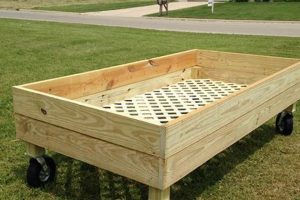
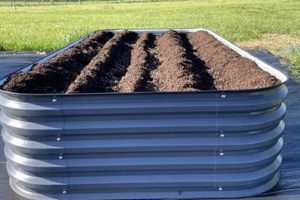
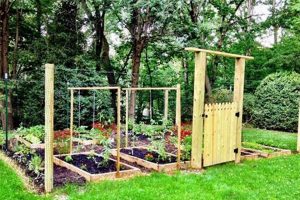
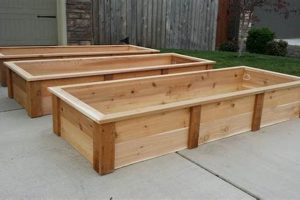
Elevated planting structures, often characterized by clean lines, durable materials, and efficient designs, offer a controlled environment for cultivating various plants. These constructions, which lift the growing area above ground level, can range from simple wooden boxes to complex, multi-tiered systems incorporating advanced irrigation. An example would be a galvanized steel planter with self-watering reservoirs used on a rooftop patio.
Such structures provide numerous advantages, including improved soil drainage, reduced back strain during planting and harvesting, and enhanced pest control. The contained environment allows for customized soil composition, leading to optimal plant growth. Historically, similar methods have been employed to overcome poor native soil conditions, with contemporary adaptations focusing on aesthetics and sustainability. This approach is especially valuable in urban settings or areas with limited space.
The following sections will delve into specific aspects of elevated planting areas, covering optimal material selection, construction techniques, irrigation strategies, and plant selection tailored to these unique garden environments.
Guidance for Optimal Elevated Planting Structures
The subsequent recommendations offer actionable advice for maximizing the yield and longevity of an elevated planting structure. Careful consideration of these points is vital for successful implementation.
Tip 1: Material Selection is Paramount: Opt for rot-resistant woods like cedar or redwood, or consider durable alternatives such as galvanized steel or composite materials. This minimizes decomposition and extends the structure’s lifespan. Untreated wood will degrade rapidly, requiring frequent replacement.
Tip 2: Ensure Adequate Drainage: Incorporate drainage holes or a gravel layer at the base of the structure. Waterlogged soil leads to root rot and inhibits plant growth. Regularly inspect drainage to prevent clogging.
Tip 3: Soil Composition Matters: Utilize a well-draining soil mix specifically formulated for raised beds. This typically includes a combination of topsoil, compost, and perlite or vermiculite. Heavy clay soil will compact and impede root development.
Tip 4: Proper Depth is Essential: Aim for a minimum depth of 12 inches for most vegetables and herbs. Deeper beds allow for more extensive root systems and improved water retention. Shallow beds restrict root growth and increase watering frequency.
Tip 5: Strategic Plant Placement: Consider the sun exposure and plant height when arranging plants. Taller plants should be positioned to avoid shading smaller ones. Evaluate the mature size of each plant to prevent overcrowding.
Tip 6: Implement Efficient Irrigation: Utilize soaker hoses or drip irrigation to deliver water directly to the roots. This minimizes water waste and reduces the risk of foliar diseases. Overhead watering can promote fungal growth.
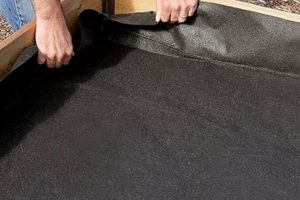
Tip 7: Regular Maintenance is Key: Remove weeds promptly and replenish the soil with compost annually. Address any structural issues immediately to prevent further damage. Neglecting maintenance will shorten the structure’s lifespan and reduce its productivity.
Following these guidelines will contribute to a thriving and sustainable elevated planting structure. The benefits include increased yields, reduced maintenance, and enhanced aesthetic appeal.
The subsequent section will explore common challenges associated with elevated planting structures and strategies for overcoming them.
1. Ergonomic Design

Ergonomic design principles are paramount to maximizing the utility and accessibility of elevated planting structures. Careful consideration of these principles mitigates physical strain and enhances the overall gardening experience. Optimizing height, width, and accessibility features are critical components.
- Optimized Height and Reach
Appropriate height reduces bending and stooping, minimizing back and knee strain. Structures built to a height of approximately 30-36 inches offer comfortable access for most individuals. Reach should also be considered; narrow beds allow for easier access to all plants without excessive stretching or reaching. Structures should accommodate users with limited mobility, and follow recommendations from accessibility guidelines where applicable.
- Accessible Width and Depth
The width of the planting structure should be limited to allow comfortable reach across the bed. A maximum width of approximately 4 feet is generally recommended, enabling gardeners to access plants from either side. The depth of the bed should also be considered in relation to the height to prevent excessive leaning. Narrower beds or cutouts can improve accessibility for wheelchair users. These dimensions facilitate planting, weeding, and harvesting activities with minimal physical exertion.
- Durable and User-Friendly Edging
The edges of the structure should be smooth and sturdy to provide support without causing injury. Rounded edges and non-slip surfaces enhance safety. The edging material should also be durable enough to withstand regular use and exposure to the elements. A sturdy edge facilitates safe and comfortable leaning, sitting, or kneeling while tending to the plants. A well-designed edge can also serve as a visual cue for individuals with visual impairments.
- Integrated Tool Storage
Incorporating tool storage directly into the planting structure minimizes the need for repeated trips to a separate storage area. This can include hooks for hanging tools or shelves for storing supplies. Integrated storage streamlines the gardening process and reduces the risk of injury from carrying heavy tools. Accessible tool storage also contributes to a more organized and efficient gardening space.
In summary, ergonomic design considerations are integral to the successful implementation of modern raised gardens. By prioritizing user comfort and accessibility, these structures can promote sustainable gardening practices and enhance the enjoyment of the activity for a wider range of individuals. Attention to detail in height, width, edging, and storage results in a more functional and user-friendly elevated planting environment.
2. Material Durability

Material durability is a critical determinant of the lifespan and overall performance of elevated planting structures. The inherent connection lies in the exposure of these structures to varying environmental conditions, including moisture, temperature fluctuations, and direct sunlight. The choice of materials directly impacts the structure’s resistance to degradation, thereby influencing its longevity and reducing the need for frequent repairs or replacements. For example, untreated lumber, when used in an elevated garden bed, will rapidly decay due to moisture absorption, necessitating costly replacements within a few years. Conversely, using naturally rot-resistant wood like cedar or redwood, or employing durable materials like galvanized steel or composite lumber, extends the lifespan considerably.
The selection of durable materials not only affects the structural integrity but also the health and safety of the planting environment. Materials that leach harmful chemicals into the soil can negatively impact plant growth and potentially contaminate edible crops. Therefore, non-toxic materials, such as powder-coated steel or untreated wood, are often preferred. Furthermore, material durability impacts the overall cost-effectiveness of the garden. While initially more expensive, durable materials often prove more economical over the long term due to reduced maintenance and replacement expenses. A concrete raised bed, while requiring a higher initial investment, offers superior longevity and stability compared to a less expensive, but less durable, plastic alternative.
In conclusion, material durability is inextricably linked to the success and sustainability of elevated planting structures. It is not merely a matter of aesthetics, but rather a fundamental consideration that influences the structural integrity, environmental safety, and long-term cost-effectiveness of the garden. Selecting appropriate, durable materials is crucial for ensuring the longevity, health, and overall value of the planting structure and underscores the essential connection within the modern raised garden context. The challenge lies in balancing initial costs with long-term performance and environmental considerations.
3. Efficient Drainage

The implementation of effective drainage systems is a foundational element in the design and functionality of modern raised gardens. The elevated nature of these structures inherently alters water dynamics compared to in-ground gardens, necessitating deliberate management of moisture levels. Poor drainage results in waterlogged soil, creating an anaerobic environment detrimental to root health and predisposing plants to root rot and fungal diseases. The causal relationship is direct: inadequate drainage impedes oxygen flow to the roots, hindering nutrient uptake and ultimately leading to plant decline. In contrast, proper drainage facilitates gas exchange, allowing roots to thrive and ensuring optimal nutrient absorption.
The practical significance of efficient drainage becomes apparent when considering different construction materials and soil compositions used in raised gardens. For instance, a raised bed constructed with a solid, impermeable base requires drainage holes to prevent water accumulation. Similarly, heavy clay soil, if used in the bed, will retain excessive moisture, exacerbating drainage problems. In such cases, incorporating drainage layers such as gravel or coarse sand at the base of the bed, along with amending the soil with organic matter like compost and perlite, is essential. These modifications improve soil structure and facilitate water percolation, thereby mitigating the risk of waterlogging. Furthermore, modern raised garden designs often incorporate advanced drainage solutions, such as integrated drainage channels or self-watering systems with overflow mechanisms, which regulate moisture levels and prevent over-saturation. These innovations exemplify the integral role of drainage in sustaining healthy plant growth within controlled elevated environments.
Effective drainage is not merely a desirable feature but a prerequisite for the long-term success of a modern raised garden. The proper management of water flow ensures a balanced soil environment, promotes healthy root development, and minimizes the risk of disease. While the specific drainage solutions may vary depending on the garden’s design, materials, and environmental conditions, the fundamental principle remains constant: a well-drained soil is essential for optimal plant growth and overall garden health. Ignoring this critical aspect can result in plant failure and undermine the benefits of elevated gardening.
4. Sustainable Sourcing

Sustainable sourcing within the context of elevated planting structures involves the conscientious procurement of materials and resources, minimizing environmental impact and promoting ethical labor practices. This approach prioritizes the use of renewable, recycled, or reclaimed materials, reducing the demand for virgin resources and diminishing the carbon footprint associated with manufacturing and transportation. Integrating sustainable sourcing into the construction and maintenance of elevated planting systems is crucial for aligning gardening practices with broader environmental responsibility.
- Recycled and Reclaimed Materials
The utilization of recycled plastics, reclaimed lumber, or repurposed metal components significantly reduces waste and lessens the environmental burden associated with new material production. For example, constructing a raised bed from recycled plastic lumber diverts plastic waste from landfills and provides a durable, weather-resistant alternative to virgin wood. Similarly, reclaiming old pallets for garden bed construction minimizes deforestation and repurposes a readily available resource. The benefits extend beyond waste reduction to include energy savings and decreased greenhouse gas emissions associated with manufacturing new materials.
- Locally Sourced Materials
Prioritizing locally sourced materials minimizes transportation distances, thereby reducing fuel consumption and associated carbon emissions. Supporting local suppliers also bolsters regional economies and fosters community resilience. Sourcing lumber from a nearby mill, for instance, reduces transportation costs and emissions compared to obtaining materials from distant suppliers. Furthermore, local sourcing often ensures greater transparency regarding material origin and production practices, facilitating informed decision-making regarding environmental and social impact.
- Certified Sustainable Lumber
When new lumber is necessary, opting for certified sustainable options ensures responsible forestry practices that minimize deforestation, protect biodiversity, and uphold worker rights. Certifications such as the Forest Stewardship Council (FSC) provide assurance that timber originates from sustainably managed forests that adhere to rigorous environmental and social standards. Using FSC-certified lumber for the construction of an elevated garden bed supports responsible forest management and promotes the long-term health and viability of forest ecosystems.
- Organic Soil Amendments and Fertilizers
The sourcing of soil amendments and fertilizers should align with sustainable agricultural practices. Opting for organic compost, worm castings, and other natural soil enhancers reduces reliance on synthetic fertilizers, which can contribute to water pollution and soil degradation. Sourcing these amendments from local composting facilities or creating them through home composting further minimizes environmental impact and promotes closed-loop systems. Utilizing organic fertilizers also fosters healthier soil ecosystems, benefiting plant growth and reducing the need for chemical interventions.
The principles of sustainable sourcing are fundamental to the ethical and environmental integrity of modern raised gardens. By prioritizing recycled, reclaimed, and locally sourced materials, as well as certified sustainable lumber and organic soil amendments, these structures can minimize their ecological footprint and contribute to a more sustainable and resilient food system. The careful consideration of material origins and production practices is essential for ensuring that elevated gardening not only enhances plant growth but also promotes environmental stewardship.
5. Space Optimization
In contemporary urban environments and constrained residential landscapes, space optimization is a critical design consideration for gardening endeavors. Elevated planting structures offer a strategic solution for maximizing cultivation potential within limited areas. The inherent design characteristics of these structures facilitate intensive planting strategies and efficient resource utilization, making them indispensable for space-conscious gardening enthusiasts.
- Vertical Tiered Systems
Vertical tiered systems capitalize on vertical space, effectively increasing the planting area without expanding the footprint. These configurations, often resembling staircases or stacked containers, allow for the cultivation of various plants in close proximity. For instance, a tiered planter against a building wall can accommodate herbs, vegetables, and flowering plants in a compact arrangement. The impact is a significant increase in yield per square foot compared to traditional horizontal gardening methods, allowing individuals with limited ground space to cultivate a diverse range of plants.
- Container Clustering and Arrangement
Strategic clustering and arrangement of individual planting containers within an elevated structure maximizes plant density and minimizes wasted space. Utilizing containers of varying sizes and shapes allows for tailored placement of plants based on their growth habits and space requirements. An example involves grouping smaller herb pots around larger vegetable plants, optimizing light exposure and preventing overcrowding. This organized approach to container placement enhances aesthetic appeal while ensuring efficient utilization of the available space.
- Integrating Companion Planting Strategies
Companion planting, the practice of growing mutually beneficial plant species in close proximity, optimizes space utilization by enhancing growth and suppressing pests naturally. Integrating these strategies into the design of elevated planting structures allows for efficient allocation of resources and improved overall productivity. An instance is planting basil alongside tomatoes to deter pests and enhance tomato flavor, utilizing the limited space to achieve multiple benefits simultaneously. This integrated approach maximizes yield while minimizing the need for chemical interventions.
- Multi-Functional Design Elements
The incorporation of multi-functional design elements further enhances space optimization in elevated planting structures. Structures can be designed to serve dual purposes, such as integrating seating or storage compartments, maximizing functionality within a limited area. An example is a raised bed with built-in benches, providing both a planting space and a comfortable seating area. These innovative design features transform the elevated garden into a versatile outdoor space, seamlessly integrating gardening with relaxation and social interaction.
These space-optimizing strategies are integral to the effective utilization of elevated planting structures in contemporary gardening. By maximizing plant density, integrating companion planting, and incorporating multi-functional design elements, these structures enable individuals to cultivate thriving gardens within limited spaces. The ability to efficiently utilize available space transforms elevated planting into a vital solution for urban gardening and resource-conscious cultivation.
6. Aesthetic Integration

Aesthetic integration within the framework of elevated planting structures refers to the harmonious blending of the garden structure with its surrounding environment. This facet of design transcends mere functionality, emphasizing the visual appeal and contextual relevance of the planting area within the broader landscape. The goal is to create a unified and visually pleasing composition that enhances the overall aesthetic value of the space.
- Material Palette and Consistency
The selection of materials for the planting structure should complement the existing architectural style and landscaping elements. Consistency in color, texture, and material type creates a cohesive visual effect. For example, a raised bed constructed from reclaimed brick would seamlessly integrate with a brick patio, while a sleek, stainless-steel planter would align with a modern architectural design. Incongruent material choices can disrupt the visual harmony and detract from the overall aesthetic appeal. Therefore, careful consideration of the material palette is essential for achieving successful aesthetic integration.
- Form and Proportionality
The shape and dimensions of the elevated planting structure should be proportional to the surrounding space and architectural features. Oversized structures can overwhelm a small area, while undersized structures may appear insignificant. The form should also complement the overall design aesthetic. A minimalist rectangular planter would be appropriate for a contemporary setting, while a more ornate, curvilinear design may suit a traditional garden. Careful attention to form and proportionality ensures that the planting structure enhances, rather than detracts from, the visual balance of the environment.
- Color Harmony and Contrast
The color scheme of the elevated planting structure should harmonize with or provide a deliberate contrast to the surrounding landscape. Complementary colors can create a vibrant and dynamic effect, while analogous colors offer a more subdued and cohesive appearance. For instance, a grey planter filled with vibrant green foliage provides a visually appealing contrast, while a green planter blending with a lush green lawn offers a more seamless integration. Understanding color theory and applying it judiciously is crucial for achieving the desired aesthetic effect.
- Plant Selection and Arrangement
The selection and arrangement of plants within the elevated structure contribute significantly to its overall aesthetic integration. Plant height, texture, and color should be considered in relation to the surrounding landscape. A well-designed planting arrangement can create visual interest, guide the eye, and enhance the overall composition. For example, cascading plants spilling over the edge of a raised bed can soften its lines and create a more naturalistic effect. The deliberate placement of plants with complementary colors and textures further enhances the aesthetic appeal and reinforces the integration with the surrounding environment.
These facets underscore the importance of deliberate design choices in achieving aesthetic integration. The harmonious blending of elevated planting structures with their environment necessitates careful consideration of materials, form, color, and plant selection. Successfully integrating these elements transforms the planting structure from a mere functional element into a visually compelling and aesthetically pleasing component of the overall landscape.
Frequently Asked Questions
The following questions address common inquiries and misconceptions concerning elevated planting structures, providing clarity and guidance for successful implementation.
Question 1: What is the optimal height for a modern raised garden bed?
The optimal height typically ranges from 30 to 36 inches, facilitating comfortable access and reducing back strain. This height allows for ease of planting, weeding, and harvesting without excessive bending.
Question 2: Which materials are most suitable for constructing a durable raised garden?
Rot-resistant woods such as cedar and redwood, along with galvanized steel and composite lumber, offer superior durability and longevity. Untreated wood is prone to decay and is therefore not recommended.
Question 3: How can proper drainage be ensured in an elevated planting structure?
Implementing drainage holes or a gravel layer at the base of the structure is crucial. These measures prevent waterlogging and promote healthy root development. The use of a well-draining soil mix is also essential.
Question 4: What type of soil is recommended for raised garden beds?
A soil mix specifically formulated for raised beds, typically consisting of topsoil, compost, and perlite or vermiculite, is recommended. This composition provides optimal drainage and nutrient retention.
Question 5: How can the lifespan of a raised garden be extended?
Regular maintenance, including weed removal, soil replenishment with compost, and prompt repair of structural issues, is essential for extending the lifespan. Neglecting maintenance can lead to premature degradation.
Question 6: Is companion planting beneficial in elevated planting structures?
Yes, companion planting can enhance growth, deter pests, and optimize space utilization within the confined environment of a raised garden. Strategic plant combinations can yield improved results.
The information provided addresses fundamental aspects of modern raised gardens, offering valuable insights for successful gardening practices.
The subsequent section will explore advanced techniques and specialized applications for elevated planting structures.
Conclusion
This exploration of the modern raised garden underscores its multifaceted benefits and essential design considerations. From ergonomic advantages and material durability to efficient drainage, sustainable sourcing, space optimization, and aesthetic integration, these elements collectively contribute to the success and sustainability of elevated planting structures. Careful attention to these details ensures optimal plant growth, reduced maintenance, and enhanced visual appeal, making the raised garden a valuable asset in diverse environments.
The principles and techniques outlined herein provide a foundation for informed decision-making in the design, construction, and maintenance of elevated planting systems. The adoption of these practices promotes environmentally responsible gardening and contributes to the long-term viability of these valuable resources. Continued innovation in materials, design, and cultivation strategies will further enhance the utility and importance of the modern raised garden in the future.