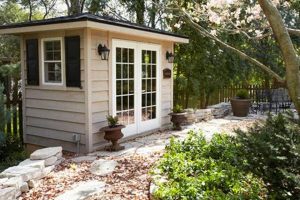
A contemporary outdoor structure designed for storage and utility within a garden or backyard setting often incorporates clean lines, durable materials, and functional design. These structures deviate from traditional designs by emphasizing aesthetics and integration with the surrounding landscape. An example includes a shed constructed with composite siding, large windows for natural light, and a sloped roof for water runoff.
These outdoor buildings provide secure space for gardening tools, equipment, and seasonal items, freeing up valuable space in the home. Historically, simple sheds were purely utilitarian; however, current designs often serve as extensions of the living space, blurring the lines between indoor and outdoor areas. The benefits extend to increased property value and improved organization of outdoor spaces.
The subsequent sections will delve into specific aspects of these contemporary builds, including materials, design trends, cost considerations, and regulatory compliance related to construction.
Essential Considerations for Optimizing Outdoor Storage Structures
This section outlines key guidelines to ensure the effective utilization and long-term maintenance of outdoor storage buildings.
Tip 1: Site Selection: Choose a location that offers adequate drainage to prevent water damage. Elevated platforms or gravel bases can further mitigate moisture accumulation beneath the structure.
Tip 2: Material Durability: Prioritize materials resistant to local weather conditions. Composite siding, pressure-treated lumber, or metal cladding offers enhanced protection against rot, pests, and UV degradation.
Tip 3: Structural Integrity: Adhere to local building codes and regulations regarding foundation requirements and structural load-bearing capacity. Obtain necessary permits before commencing construction.
Tip 4: Ventilation and Airflow: Incorporate vents to promote airflow and prevent moisture buildup inside the structure. This minimizes the risk of mold and mildew growth, preserving stored items.
Tip 5: Security Measures: Implement robust locking mechanisms and consider installing security lighting to deter unauthorized access. Secure all doors and windows to protect valuable contents.
Tip 6: Organization and Storage Solutions: Maximize internal space through the use of shelving, wall-mounted organizers, and overhead storage racks. Efficient organization facilitates easy access to stored items and prevents clutter.
Tip 7: Regular Maintenance: Conduct periodic inspections to identify and address any signs of damage, such as leaks, cracks, or pest infestations. Prompt repairs extend the lifespan of the structure.
Adherence to these guidelines ensures that outdoor storage structures remain functional, secure, and aesthetically pleasing additions to the landscape.
The subsequent section presents a summary of the key considerations discussed and a conclusion to this article.
1. Material Selection

The choice of materials significantly influences the longevity, aesthetic appeal, and overall functionality of any outdoor storage structure. In the context of a contemporary garden building, the selection process involves balancing durability, cost-effectiveness, and design considerations.
- Wood Composites
Wood-plastic composites (WPC) offer resistance to rot, decay, and insect infestation, mitigating common issues associated with traditional lumber. These materials often require less maintenance and offer consistent appearance, contributing to the shed’s long-term structural integrity and aesthetic appeal. Examples include composite siding mimicking natural wood grain, and trim pieces designed to withstand harsh weather.
- Metal Cladding
Steel or aluminum cladding provides a durable and weather-resistant exterior. Metal panels are often coated with protective finishes to prevent corrosion and maintain their appearance over time. This material choice is particularly suitable for regions with high precipitation or extreme temperature variations. Metal roofing and siding solutions can offer decades of protection with minimal upkeep.
- Natural Wood
While requiring more maintenance, natural wood offers aesthetic warmth and can be treated to enhance its durability. Pressure-treated lumber resists rot and insect damage, extending the lifespan of wooden structures. Cedar and redwood are naturally resistant to decay but may require periodic sealing or staining to preserve their appearance and protective properties. Consideration for sustainable forestry practices is paramount when selecting natural wood.
- Transparent Polymers
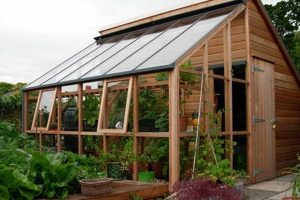
Polycarbonate or acrylic panels provide natural light while offering impact resistance. These materials are frequently used for windows or skylights, enhancing the interior environment. UV-resistant coatings prevent discoloration and maintain transparency over time. Transparent polymer applications improve energy efficiency by reducing the need for artificial lighting during daylight hours.
The integration of these varied materials into the construction of a modern garden storage building allows for customization and optimized performance based on specific needs and environmental conditions. Careful evaluation of material properties is essential to achieve a balance of functionality, aesthetics, and long-term value.
2. Spatial Optimization

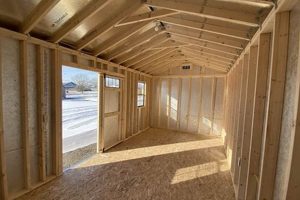
Spatial optimization, in the context of a contemporary outdoor storage structure, refers to the strategic arrangement and utilization of interior volume to maximize storage capacity and accessibility. This is a core element in the effective design and functionality of the structure. Inadequate spatial planning can result in underutilized space, difficult retrieval of stored items, and an overall reduction in the structure’s practical value. Conversely, a well-optimized design ensures that the structure efficiently serves its purpose while maintaining a manageable footprint in the garden or landscape. For example, a shed incorporating vertical shelving, overhead storage racks, and strategically placed work surfaces allows for the organized storage of tools, equipment, and gardening supplies within a relatively compact space.
The practical application of spatial optimization principles involves a careful consideration of storage needs, the size and shape of stored items, and the user’s workflow. This involves implementing adjustable shelving systems to accommodate varying item heights, utilizing wall-mounted organizers for small tools and accessories, and incorporating clear pathways for easy navigation within the structure. A real-world illustration is a small footprint design employing a loft area for storing seasonal items, freeing up floor space for more frequently used equipment. The cost-effectiveness of optimizing spatial dimensions can lead to avoiding having to increase footprint which can have additional expenses.
In summary, spatial optimization is vital in maximizing the usability of an outdoor storage building. Achieving an effective balance between storage capacity, accessibility, and internal organization translates to a more functional and aesthetically pleasing addition to a garden or property. Challenges include adapting to changing storage needs and integrating spatial solutions into prefabricated structures. The overall goal is to create a structure that not only provides secure storage but also enhances the user’s experience and workflow within the garden environment.
3. Structural Integrity

Structural integrity, pertaining to outdoor storage buildings, ensures the ability to withstand applied loads and environmental stressors without failure. In the context of a contemporary garden structure, this aspect is paramount for safety, longevity, and the protection of stored contents.
- Foundation Requirements
Proper foundation construction is the bedrock of structural integrity. Whether a concrete slab, gravel base, or pier system, the foundation must be designed to distribute the weight of the structure evenly and prevent settling or shifting. Example: A poorly compacted gravel base can lead to uneven settling, causing doors to jam and walls to become misaligned, compromising the building’s structural soundness.
- Framing and Load-Bearing Capacity
The framing system, typically composed of lumber or steel, provides the skeletal support. The size and spacing of framing members (studs, rafters, joists) must be calculated to withstand anticipated loads from snow, wind, and the weight of the roof and stored items. Example: Insufficient rafter spacing can result in roof sagging under heavy snow, potentially leading to structural collapse.
- Connection Details
The manner in which structural components are connected using nails, screws, bolts, or adhesives significantly impacts overall strength. Proper fastening techniques and the use of appropriate connectors are essential for transferring loads between members. Example: Incorrectly installed or undersized fasteners can weaken connections, making the structure vulnerable to wind damage.
- Material Selection and Treatment
The inherent strength and durability of construction materials, coupled with appropriate treatments, contribute to structural integrity. Pressure-treated lumber resists rot and insect infestation, while corrosion-resistant coatings protect metal components from degradation. Example: Using untreated lumber in a damp environment can lead to rapid decay, compromising the structural integrity of the frame.
These facets illustrate how structural integrity is a multifaceted consideration. By addressing these elements, the lifespan and usefulness of any contemporary structure designed to secure the contents of your garden will be ensured, protecting against the forces of nature and providing a safe area.
4. Aesthetic Integration

Aesthetic integration refers to the seamless blending of a garden structure with its surrounding environment, transforming it from a mere utility building into a visually harmonious element of the landscape. This principle is particularly relevant to the design and construction of modern garden sheds, where the goal extends beyond functionality to encompass visual appeal and contextual relevance.
- Material Harmony
The selection of exterior materials should complement the existing landscape. Natural wood siding can blend with wooded areas, while metal cladding might suit contemporary architectural styles. Color choices should consider the existing palette of the garden and surrounding structures. For instance, using a muted earth tone on a shed in a cottage garden would allow it to recede visually, while a bold color could make it a focal point in a more modern setting.
- Architectural Style
The shed’s design should echo or complement the architectural style of the main residence and other structures on the property. A minimalist design with clean lines aligns with a modern home, while a more traditional design with pitched roofs and decorative trim would suit a Victorian or cottage-style house. Employing similar window shapes and door styles further reinforces the visual connection.
- Landscaping Integration
Incorporating landscaping around the shed softens its visual impact and integrates it into the garden. Planting shrubs, flowers, and climbing vines around the base of the structure can create a seamless transition from the building to the surrounding garden beds. Strategic placement of trees can provide shade and further blend the shed into the landscape. Creating pathways leading to and from the structure enhances accessibility and integrates it into the overall garden design.
- Scale and Proportion
The size and proportions of the shed must be carefully considered in relation to the surrounding landscape. An overly large or disproportionate shed can dominate the garden and detract from its aesthetic appeal. Smaller structures may be more appropriate in compact gardens, while larger sheds might be suitable for expansive properties. Maintaining balanced proportions between the shed’s height, width, and depth ensures visual harmony within the landscape.
In summation, these components of aesthetic integration play a crucial role in elevating a functional garden shed into a refined and visually appealing element within the garden setting. When materials, architectural style, landscaping and structural design have been factored into consideration, a modern garden shed ceases to be simply a storage space, and becomes a seamless element of an integrated garden.
5. Security Features

Security features within a contemporary garden structure are essential for protecting valuable tools, equipment, and personal belongings from theft and vandalism. These features represent a critical aspect of design and construction, directly impacting the building’s ability to safeguard its contents and provide peace of mind.
- Reinforced Entry Points
Reinforcing doors and windows is fundamental to deterring unauthorized access. Solid-core doors, metal-clad frames, and shatter-resistant window glazing increase resistance to forced entry. High-quality deadbolt locks with hardened steel components provide enhanced security. For example, installing a steel security door with a multi-point locking system significantly impedes forced entry compared to a standard wooden door with a basic latch.
- Alarm Systems and Surveillance
Integrating alarm systems and surveillance technologies offers an additional layer of protection. Motion sensors, door/window contact sensors, and security cameras can detect and record unauthorized activity, alerting homeowners and potentially deterring intruders. Wireless alarm systems with remote monitoring capabilities provide enhanced flexibility and control. For instance, a surveillance camera positioned to monitor the shed’s entrance can capture video evidence of any attempted break-ins.
- Secure Fasteners and Anchoring
Securing the shed to its foundation and using tamper-proof fasteners further enhances security. Anchoring the structure to a concrete slab or using ground anchors prevents it from being easily moved or overturned. Tamper-resistant screws and bolts secure exterior panels and prevent unauthorized disassembly. As an illustration, using concrete anchors to secure the shed’s frame to a concrete foundation makes it significantly harder to forcibly remove the structure from its location.
- Concealment and Camouflage
Strategically concealing or camouflaging the shed can reduce its visibility and make it less attractive to potential thieves. Planting dense shrubbery around the perimeter of the structure or painting it in colors that blend with the surrounding landscape can help it blend in with its surroundings. Storing valuables out of sight and avoiding outward displays of expensive equipment further minimizes the risk of theft. The location itself is a potential security feature, if well concealed by the features mentioned above.
Incorporating these security measures into the design and construction elevates the garden structure beyond simple storage; securing contents and potentially reducing insurance premiums through theft prevention. From door reinforcement to camera installation, these features secure the modern garden shed.
6. Accessibility Design

Accessibility design, when applied to structures designed for outdoor storage and utility, ensures usability by individuals with a range of physical abilities. This principle is relevant to the design of modern garden sheds, given their increasing role as functional extensions of residential spaces. Addressing accessibility from the outset enhances usability for all occupants.
- Ramp Access and Thresholds
Incorporating ramps or minimizing threshold heights at entry points allows for easy passage for individuals using wheelchairs, walkers, or other mobility aids. Gradual slopes and non-slip surfaces enhance safety and ease of access. A practical illustration involves replacing a traditional step-up entrance with a ramp that meets ADA (Americans with Disabilities Act) slope requirements, enabling seamless entry for individuals with mobility limitations. This also improves access for those using wheelbarrows or other wheeled equipment.
- Doorway Widths and Clearances
Ensuring adequate doorway widths and interior clearances accommodates wheelchair maneuverability and reduces the risk of collisions. Wider doorways and open floor plans facilitate ease of movement and accessibility for individuals with mobility devices. For instance, designing a shed with a minimum doorway width of 36 inches and a turning radius of 60 inches allows for comfortable wheelchair navigation within the structure.
- Ergonomic Hardware and Controls
Selecting door handles, latches, and other hardware that are easy to grip and operate with limited hand strength or dexterity enhances usability for individuals with arthritis or other hand-related conditions. Lever-style handles and push-button latches require minimal force to operate. Installing light switches and outlets at accessible heights further improves convenience and usability. An example is replacing traditional doorknobs with lever handles, making it easier for individuals with limited hand mobility to open and close the shed door.
- Interior Layout and Storage Solutions
Optimizing the interior layout and storage solutions promotes accessibility and prevents obstacles that could impede movement. Adjustable shelving, pull-out drawers, and vertical storage systems allow for easy access to stored items. Clearly labeling storage containers and organizing items by frequency of use further enhances usability. Providing adequate lighting and minimizing clutter contributes to a safe and accessible environment. Designing a shed with adjustable shelves and pull-out drawers, for example, enables users to easily reach and retrieve items without bending or straining.
These facets are essential components when approaching accessibility design. The consideration of ramp access, doorway width, ergonomic hardware, and interior layouts are relevant to garden structures, reflecting a focus on inclusivity and ease of use. This is essential in the contemporary designs of outdoor structures that enhance both utility and usability.
7. Climate Resilience

Climate resilience, in the context of contemporary outdoor storage structures, defines the ability to withstand and recover from the effects of varying and extreme weather patterns. The structural integrity and longevity of a modern garden building are inextricably linked to its capacity to resist degradation caused by precipitation, temperature fluctuations, wind forces, and ultraviolet (UV) radiation. Failure to address these environmental stressors can result in premature deterioration, compromising both functionality and aesthetic appeal. A real-world example is a shed constructed with non-UV-resistant plastic components, which become brittle and prone to cracking after prolonged exposure to sunlight, leading to structural weaknesses and potential leaks.
Effective strategies for enhancing climate resilience include selecting appropriate materials, employing robust construction techniques, and implementing preventative maintenance measures. Pressure-treated lumber, metal cladding with protective coatings, and UV-resistant polymers offer enhanced protection against weather-related damage. Proper roof design, including adequate slope and overhang, facilitates efficient water runoff and prevents water accumulation. Strategic ventilation minimizes moisture buildup and reduces the risk of mold and mildew growth. For example, a shed with a properly sealed metal roof and adequate ventilation can withstand heavy rainfall and extreme temperature variations without experiencing water damage or structural degradation. The selection of materials and proper designs of each component will give you the most climate resilient garden shed.
In summary, climate resilience is a fundamental consideration in the design and construction of outdoor storage structures. By prioritizing weather-resistant materials, employing sound building practices, and implementing preventative maintenance, the lifespan and utility of the modern garden building can be significantly extended. Neglecting these aspects exposes the structure to premature failure, resulting in costly repairs and potential loss of stored contents. Ultimately, a climate-resilient design safeguards the investment and ensures long-term functionality.
Frequently Asked Questions
This section addresses common inquiries regarding the design, construction, and maintenance of modern outdoor storage buildings.
Question 1: What distinguishes a modern garden structure from a traditional shed?
Modern garden structures often incorporate contemporary design elements, such as clean lines, minimalist aesthetics, and sustainable materials. Traditional sheds typically feature simpler construction and prioritize functionality over visual appeal.
Question 2: Are permits required for the construction of a garden structure?
Permitting requirements vary by jurisdiction. Local building codes should be consulted to determine whether a permit is necessary based on the structure’s size, location, and intended use.
Question 3: Which materials offer the best combination of durability and aesthetics?
Wood-plastic composites (WPC), metal cladding with protective coatings, and treated natural wood provide a balance of durability, weather resistance, and visual appeal. The specific choice depends on aesthetic preferences and environmental conditions.
Question 4: How can spatial optimization enhance the functionality?
Spatial optimization involves strategically arranging interior space to maximize storage capacity and accessibility. This may include the use of adjustable shelving, vertical storage systems, and clearly defined organization strategies.
Question 5: What security measures can be implemented?
Security measures include reinforced entry points, alarm systems, surveillance cameras, secure fasteners, and strategic concealment of the structure and its contents.
Question 6: How can ensure long-term maintenance?
Long-term care includes inspecting the area, identifying problems and making appropriate repairs as the seasons change. Also, the ability to respond quickly after periods of inclement weather will ensure structural integrity.
Proper planning, material selection, and construction techniques will improve an outside garden building’s overall performance.
The subsequent section will offer a summary and concluding thoughts.
Modern Garden Shed
This exploration of the modern garden shed has examined the multifaceted considerations inherent in its design and construction. From material selection and spatial optimization to structural integrity and climate resilience, each element contributes to the structure’s long-term performance and aesthetic value. Security measures and accessibility design further enhance its utility and integration into the residential landscape.
The modern garden shed transcends its historical role as mere storage, evolving into an extension of the living space and a reflection of contemporary design sensibilities. Responsible implementation of the principles outlined herein will ensure a structure that is not only functional and secure but also a harmonious and valuable addition to the property for years to come. Further research and innovation in sustainable materials and modular construction techniques will continue to shape the future of the garden structure, maximizing its benefits and minimizing its environmental impact.