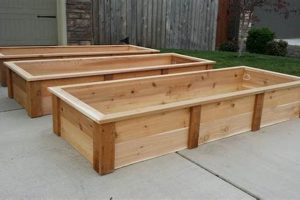
The selection of materials for constructing elevated planting structures represents a crucial decision for both amateur and experienced gardeners. Two prevalent choices are metallic and wooden frameworks, each exhibiting distinct characteristics that influence durability, longevity, and overall suitability for various horticultural applications. These construction methods offer opportunities for improved soil management, accessibility, and aesthetic integration within landscape designs.
The choice between these materials directly impacts several key factors including the lifespan of the structure, the potential for soil contamination, and the required maintenance. Historically, wood has been a readily available and cost-effective option, while metal alternatives provide enhanced resistance to decay and pests. The decision should be based on factors like budget, environmental concerns, and desired aesthetic.
This analysis will compare the attributes of these two materials, detailing their respective strengths and weaknesses with regards to structural integrity, cost, environmental impact, and aesthetic considerations to inform a sound decision when choosing materials for constructing elevated planting structures.
Construction Tips for Elevated Planting Structures
Selecting the appropriate material requires careful consideration of environmental conditions and intended use. The following guidance assists in optimizing the construction and maintenance of raised garden beds, ensuring longevity and maximizing horticultural output.
Tip 1: Material Selection: Prioritize treated lumber for wooden frameworks to mitigate rot and insect infestation. For metallic structures, galvanized or powder-coated steel offers superior rust resistance.
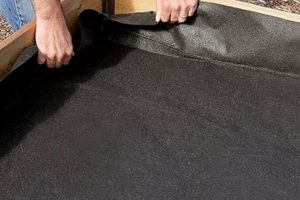
Tip 2: Soil Compatibility: Avoid direct contact between treated wood and edible plants by using a liner. Similarly, ensure any metallic bed is certified safe for garden use, preventing leaching of harmful substances into the soil.
Tip 3: Drainage Considerations: Regardless of material, ensure adequate drainage. Wooden beds benefit from a gravel base, while metallic beds may require drainage holes to prevent waterlogging.
Tip 4: Structural Reinforcement: Reinforce corners and sides of both wooden and metallic beds. This prevents bowing or collapse, especially when filled with heavy soil.
Tip 5: Pest Control: Regularly inspect wooden structures for signs of termites or decay. Metallic structures are inherently less susceptible but should still be monitored for rust.
Tip 6: Height Optimization: Determine the appropriate bed height based on physical limitations and intended plant selection. Higher beds minimize bending, while shallow-rooted plants require less soil depth.
Tip 7: Aesthetic Integration: Choose a material and design that complements existing landscape features. Natural wood offers a rustic appeal, while metal provides a modern, clean aesthetic.
Effective implementation of these strategies will improve the functionality and longevity of raised garden beds. Careful attention to material selection and construction techniques results in a successful and sustainable gardening endeavor.
These tips prepare the groundwork for the overall success and long life of an elevated planting area. By thinking carefully about materials and how you build, gardeners can ensure these structures are not only efficient but also look good and last for many years.
1. Lifespan

The lifespan of a raised garden bed is a primary factor influencing material selection. It determines the long-term cost-effectiveness and sustainability of the gardening structure.
- Material Degradation
Wooden beds are susceptible to rot, decay, and insect infestation, particularly when exposed to moisture and soil contact. Metal beds, especially those made from galvanized steel or aluminum, exhibit superior resistance to these degradation factors, leading to extended lifespans.
- Environmental Factors
Climate conditions significantly affect the lifespan of both metal and wooden beds. In humid environments, wooden beds degrade more rapidly, while metal beds may experience accelerated corrosion. Exposure to UV radiation can also degrade certain types of wood and metal coatings, reducing overall lifespan.
- Maintenance Practices
Regular maintenance can extend the lifespan of both types of beds. Wood requires periodic treatments with preservatives or sealants to prevent rot and insect damage. Metal beds may require occasional cleaning and rust prevention measures. Neglecting maintenance can significantly shorten the lifespan of either material.
- Construction Quality
The quality of construction also influences lifespan. Properly assembled wooden beds with reinforced corners and adequate drainage last longer. Similarly, well-welded metal beds with durable coatings provide superior resistance to structural failure and corrosion.
Considering these factors, the choice between metal and wood for raised garden beds should reflect a balance between initial cost, maintenance requirements, and desired lifespan, aligning with specific environmental conditions and gardening objectives.
2. Cost

Cost constitutes a primary consideration when selecting materials for raised garden beds. A comprehensive cost analysis incorporates initial material expenses, construction costs, and long-term maintenance expenditures, thereby influencing the overall economic viability of either metallic or wooden structures.
- Initial Material Investment
The upfront expenditure on materials often dictates the initial choice between metal and wood. Untreated lumber represents the most affordable option, while treated lumber and composite wood alternatives incur higher costs. Metallic options, such as galvanized steel, can range from moderately priced to more expensive, depending on gauge and coating. Aluminum and specialized metal alloys command a premium due to their enhanced durability and corrosion resistance.
- Construction Labor and Resources
Construction costs encompass the labor involved in assembling the raised bed, alongside any specialized tools or equipment required. Wooden beds often require more intricate cutting and assembly, potentially increasing labor expenses. Metal beds, particularly those available as pre-fabricated kits, can simplify the construction process, reducing labor time. However, welding or specialized fastening techniques may be necessary for custom metal designs, impacting overall cost.
- Long-Term Maintenance Expenses
Long-term maintenance expenses significantly affect the total cost of ownership. Wooden beds necessitate periodic treatments with preservatives or sealants to mitigate rot and insect damage, incurring recurring material and labor costs. Metal beds generally require less frequent maintenance, primarily involving rust prevention or coating repairs. However, neglecting maintenance can lead to structural degradation, necessitating costly repairs or replacements.
- Replacement and Disposal Costs
The expected lifespan of the raised bed influences replacement costs. Wooden beds, with shorter lifespans, require more frequent replacements compared to metal beds. Disposal costs also vary. Untreated wood can often be composted or repurposed, while treated wood requires specialized disposal methods due to chemical content. Metal beds, when no longer usable, can typically be recycled, potentially offsetting disposal costs.
Ultimately, evaluating the cost-effectiveness of metal versus wood raised garden beds necessitates a holistic approach, incorporating initial investment, construction expenses, long-term maintenance, and potential replacement costs. The ideal choice aligns with budgetary constraints, desired lifespan, and commitment to ongoing maintenance practices, ensuring a sustainable and economically sound gardening solution.
3. Aesthetics
Aesthetics play a significant role in the selection of materials for raised garden beds, impacting the visual integration of the structure within the surrounding landscape. The inherent characteristics of metal and wood offer distinct aesthetic qualities, influencing the overall design and perceived harmony of the garden. The choice directly affects the visual appeal and contributes to the desired atmosphere of the outdoor space. The preference for either material is often rooted in personal taste and existing architectural styles.
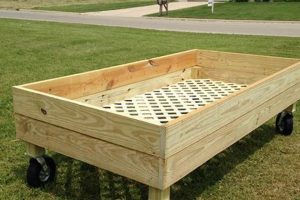
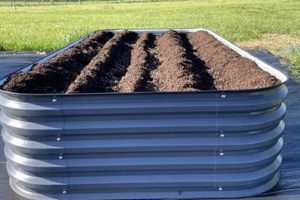
Wooden raised beds, particularly those constructed from natural or reclaimed lumber, often evoke a sense of rustic charm and organic integration. Examples include cedar beds that naturally weather to a silver-gray, blending seamlessly with naturalistic garden settings. Conversely, metal beds, especially those with sleek, powder-coated finishes, project a more contemporary and minimalist aesthetic. For instance, dark-colored metal beds can provide a striking contrast against vibrant greenery, creating a modern, structured look. The selection is therefore driven by a desire to complement the existing environment or to introduce a specific design element.
Ultimately, the aesthetic consideration when choosing between metal and wood for raised garden beds is a matter of individual preference and design goals. A thorough assessment of the surrounding landscape, architectural style, and desired aesthetic outcome ensures a harmonious integration of the raised bed within the overall garden design, enhancing both its functionality and visual appeal. Ignoring the impact of aesthetics can lead to a visual discord, undermining the intended design and the overall enjoyment of the gardening space.
4. Maintenance

Maintenance requirements represent a critical factor in evaluating the long-term viability of metal versus wood raised garden beds. The chosen material directly influences the frequency and intensity of upkeep necessary to ensure structural integrity and prevent degradation. Neglecting appropriate maintenance practices can lead to premature failure, necessitating costly repairs or replacements, and potentially compromising the health of the plants cultivated within the beds. The relationship between maintenance and material selection is therefore a key determinant of the overall cost-effectiveness and sustainability of a raised garden bed system.
Wood, being an organic material, is inherently susceptible to decay, rot, and insect infestation. Consequently, wooden raised beds require regular treatment with preservatives, sealants, or paints to protect against moisture damage and pest attacks. For instance, applying a non-toxic wood preservative annually to a cedar raised bed can significantly extend its lifespan. Metal, conversely, exhibits greater resistance to these degradation factors. However, certain metals, such as untreated steel, are prone to rust, particularly in humid environments. Galvanized steel and powder-coated aluminum offer improved corrosion resistance, reducing the need for frequent maintenance. Regularly inspecting and cleaning metal beds, as well as addressing any signs of rust promptly, prevents further deterioration.
In summary, maintenance considerations are inextricably linked to the choice between metal and wood raised garden beds. Wood demands consistent preventative measures to combat organic decay, while metal necessitates vigilance against corrosion. The level of maintenance commitment, coupled with the material’s inherent properties, dictates the long-term performance and aesthetic appeal of the raised garden bed. Careful consideration of these factors enables informed decision-making, ensuring a sustainable and functional gardening solution.
5. Soil Contamination

The potential for soil contamination represents a critical consideration when selecting materials for raised garden beds. Both metal and wood, depending on their composition and treatment, can introduce harmful substances into the soil, thereby impacting plant health and potentially posing risks to human consumers. Understanding the mechanisms and sources of soil contamination is therefore paramount in ensuring the safety and sustainability of raised bed gardening. This consideration directly affects the choice between metallic and wooden frameworks, emphasizing the need for informed material selection and construction practices. The absence of due diligence can lead to the accumulation of toxins within the soil, negating the benefits of raised bed gardening and presenting long-term environmental concerns. For instance, using pressure-treated lumber containing chromated copper arsenate (CCA) in a raised bed can result in the leaching of arsenic into the soil, contaminating edible plants.
Further analysis reveals that certain metallic materials, particularly those not specifically designed for gardening applications, may also contribute to soil contamination. Galvanized steel, while generally considered safe, can release zinc into the soil over time, potentially impacting plant growth and soil pH. Additionally, recycled or repurposed metal materials may contain lead or other heavy metals, posing a significant contamination risk. Practical application of this understanding involves selecting materials certified for garden use, implementing barrier liners between the soil and the bed frame, and regularly testing soil samples for contaminants. Employing these strategies mitigates the risk of soil contamination, safeguarding plant health and protecting consumers from exposure to harmful substances.
In conclusion, soil contamination represents a significant challenge in raised bed gardening, directly influenced by the choice of materials. Metal and wood, if improperly selected or treated, can introduce harmful substances into the soil, impacting plant health and potentially posing risks to human consumers. Adopting preventative measures, such as selecting certified materials, employing barrier liners, and conducting regular soil testing, is essential to mitigate contamination risks. Understanding the potential for soil contamination is crucial to the decision between metal and wood for raised beds, ensuring the creation of a safe and sustainable gardening environment. This understanding links to the broader theme of environmental stewardship, emphasizing the importance of responsible material selection and construction practices in gardening endeavors.
6. Thermal Properties

The thermal properties of materials employed in raised garden bed construction exert a direct influence on soil temperature, moisture retention, and ultimately, plant growth. Metal and wood exhibit contrasting thermal characteristics, necessitating careful consideration of climate, plant selection, and desired growing conditions. Metal, generally possessing higher thermal conductivity, absorbs and dissipates heat more rapidly than wood. This characteristic can lead to significant temperature fluctuations within the soil, particularly in regions with extreme temperature variations. For example, a metal raised bed exposed to direct sunlight in a hot climate may experience excessively high soil temperatures, potentially damaging plant roots. Conversely, in cooler climates, the rapid heat dissipation of metal can inhibit soil warming, slowing plant growth. The practical significance of this understanding lies in mitigating these temperature extremes through appropriate strategies such as shading, mulching, and selecting plants tolerant of temperature fluctuations.
Wood, with its lower thermal conductivity, provides a more insulating effect, buffering soil temperature from external fluctuations. This property makes wooden raised beds advantageous in regions with fluctuating temperatures, preventing rapid overheating or cooling of the soil. However, the insulating effect of wood can also be detrimental in certain situations. In warmer climates, wooden beds may retain excessive heat, particularly if poorly ventilated. Conversely, in cooler climates, the insulating properties of wood can slow soil warming in the spring, delaying planting. The selection of wood species and the addition of reflective coatings or ventilation systems can mitigate these temperature-related challenges. Practical application includes using lighter-colored wood or painting wooden beds white to reflect sunlight, reducing heat absorption.
In summary, the thermal properties of metal and wood significantly influence soil temperature dynamics in raised garden beds. Metal’s high thermal conductivity can lead to rapid temperature fluctuations, while wood’s insulating properties provide greater temperature stability. Informed material selection, coupled with appropriate management techniques, is essential to optimize soil temperature for plant growth and maximize the benefits of raised bed gardening. The understanding of thermal properties forms a key link between material science and horticultural practice, contributing to the creation of sustainable and productive gardening systems. Challenges remain in predicting the precise thermal behavior of raised beds under varying environmental conditions, underscoring the need for ongoing research and experimentation.
7. Pest Resistance

Pest resistance constitutes a significant differentiator between metal and wood raised garden beds, directly impacting the longevity and overall success of gardening endeavors. Wooden structures are inherently susceptible to infestation by various wood-boring insects, such as termites and carpenter ants, as well as fungal decay. These biological agents compromise the structural integrity of the wood, leading to eventual failure and necessitating costly repairs or replacements. The use of untreated wood exacerbates this vulnerability, creating a favorable environment for pests to thrive. For example, a raised bed constructed from untreated pine is highly susceptible to termite infestation, potentially leading to structural collapse within a few years. In contrast, metal raised beds, particularly those constructed from galvanized steel or aluminum, offer inherent resistance to these biological threats, providing a more durable and pest-resistant alternative.
While metal beds are not entirely immune to pest-related issues, their resistance stems from the inorganic nature of the material, precluding it as a food source or habitat for wood-boring insects and fungi. Certain insects, such as slugs and snails, may still be attracted to the moist environment within the raised bed, but they do not directly compromise the structural integrity of the metal itself. Measures such as copper tape barriers or diatomaceous earth can be employed to mitigate these issues without compromising the bed’s overall pest resistance. For instance, a galvanized steel raised bed with a copper tape barrier effectively prevents slug and snail access, protecting vulnerable plants from damage. This underlines the importance of integrated pest management strategies even when using inherently pest-resistant materials. The selection of materials therefore has a direct bearing on reducing the need for harmful chemical treatments, promoting a more sustainable gardening approach.
In summary, pest resistance represents a critical advantage of metal raised garden beds over their wooden counterparts. The inherent susceptibility of wood to biological degradation necessitates ongoing maintenance and eventual replacement, while metal offers a more durable and pest-resistant solution. Understanding the implications of pest resistance informs material selection, reducing maintenance costs and promoting long-term sustainability in gardening practices. The choice between metal and wood, therefore, directly reflects a commitment to minimizing environmental impact and maximizing the lifespan of gardening structures. The information presented aids in making informed decisions that contribute to the creation of resilient and productive gardening environments. The reduced need for chemical treatments associated with metal beds aligns with growing concerns about environmental protection and sustainable agriculture.
Frequently Asked Questions
This section addresses common inquiries regarding the selection of materials for raised garden beds, focusing on the relative merits of metal and wood. The information presented aims to provide clarity and facilitate informed decision-making.
Question 1: What is the typical lifespan disparity between metal and wood raised garden beds?
Metal beds, particularly those constructed from galvanized steel or aluminum, typically exhibit a longer lifespan than wooden beds. Properly maintained metal beds can last for several decades, while wooden beds may require replacement within 5-10 years, depending on the type of wood and environmental conditions.
Question 2: Does the material of a raised garden bed affect soil temperature?
Yes, material choice influences soil temperature. Metal tends to heat up and cool down more rapidly than wood, potentially leading to greater temperature fluctuations within the soil. Wood provides a more insulating effect, buffering soil temperature from external variations.
Question 3: What are the environmental considerations associated with metal and wood raised garden beds?
The environmental impact varies. Treated wood may leach chemicals into the soil, while the production of metal involves energy consumption and potential pollution. Sustainable wood sourcing and the use of recycled metal can mitigate these concerns.
Question 4: Is there a risk of soil contamination from metal raised garden beds?
Yes, there is a potential risk if inappropriate metals are used. Galvanized steel can release zinc into the soil over time. Utilizing food-grade or powder-coated metals minimizes this risk. It is imperative to verify the composition and suitability of metal materials before use.
Question 5: How does the cost of metal and wood raised garden beds compare?
The cost varies based on material quality and size. Untreated wood is often the least expensive option, while specialized metals, such as stainless steel or aluminum, can be more costly. Considering long-term maintenance expenses provides a more accurate cost comparison.
Question 6: What maintenance is required for metal versus wood raised garden beds?
Wooden beds require regular treatment to prevent rot and insect infestation. Metal beds may need occasional cleaning and rust prevention. The specific maintenance requirements depend on the climate and the type of material used.
The selection of materials for raised garden beds involves careful consideration of multiple factors, including lifespan, environmental impact, and cost. Metal generally offers greater durability and pest resistance, while wood provides a more natural aesthetic and insulating properties. Understanding the relative merits of each material facilitates informed decision-making.
The subsequent section examines specific plant selection strategies for raised garden beds, optimizing plant growth and yield.
Conclusion
The preceding analysis has explored the multifaceted considerations inherent in selecting either metal or wood for raised garden beds. Factors such as structural longevity, potential for soil contamination, initial investment costs, and aesthetic integration have been thoroughly examined. The inherent properties of each material, including thermal dynamics and resistance to biological degradation, exert considerable influence on the long-term viability and overall performance of the gardening structure. A balanced assessment of these attributes is essential for informed decision-making.
Ultimately, the optimal choice between metal and wood for raised garden beds rests upon a careful evaluation of specific environmental conditions, budgetary constraints, and long-term maintenance capabilities. Prudent consideration of these elements will ensure the creation of a sustainable and productive gardening system, maximizing both yield and aesthetic appeal. Further research into innovative material applications and environmentally conscious construction practices remains crucial to advancing the field of sustainable horticulture.