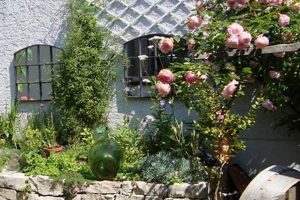
A commemorative marker placed within an outdoor space provides a tangible and lasting tribute to a person, event, or beloved pet. Typically crafted from durable materials such as granite, slate, or cast stone, it serves as a personalized monument designed to withstand the elements and provide a focal point for reflection and remembrance in a garden setting. Examples include engraved stones with names and dates, markers displaying meaningful quotes, or even stones incorporating the ashes of the deceased.
The incorporation of such a marker into a garden offers a personal sanctuary for contemplation and remembrance. These physical memorials provide comfort and a sense of connection to the past. Historically, stone markers have been used in gardens and landscapes across various cultures to commemorate significant figures or events, transforming outdoor spaces into living memorials.
This discussion will explore various aspects of these personalized garden features, including design considerations, material selection, installation techniques, and the different ways these markers can be used to create meaningful and lasting tributes in outdoor settings.
Tips for Selecting and Integrating a Garden Memorial
Careful consideration of several factors can ensure a garden memorial is both aesthetically pleasing and a fitting tribute. Attention to detail in planning and execution will maximize its longevity and emotional significance.
Tip 1: Material Selection: Choose materials that complement the garden’s existing aesthetic and withstand local climate conditions. Granite and slate offer durability, while softer stones like sandstone provide a more rustic appearance. Consider the long-term maintenance requirements of each material.
Tip 2: Engraving and Personalization: Select fonts and messages that are legible and meaningful. Ensure the engraving process is professional and resistant to weathering. Consider incorporating images, symbols, or quotes that reflect the individual or event being commemorated.
Tip 3: Location and Placement: Choose a location that is both visually appealing and conducive to quiet reflection. Consider the surrounding plants, lighting, and overall garden design. Ensure the chosen location is accessible and allows for comfortable viewing and interaction.
Tip 4: Size and Scale: The dimensions should be proportional to the surrounding landscape and the overall size of the garden. A large, imposing marker may overwhelm a small garden, while a small, inconspicuous one might be easily overlooked in a larger space.
Tip 5: Integration with Landscaping: Incorporate the memorial seamlessly into the garden’s design by surrounding it with complementary plants, flowers, or pathways. Consider using plants that hold special significance or have personal meaning to the individual being remembered.
Tip 6: Consider Longevity: Select durable materials and employ proper installation techniques to ensure the memorial remains intact and aesthetically pleasing for many years. Regular cleaning and maintenance can help preserve its appearance and prevent deterioration.
Tip 7: Professional Installation: For larger or more complex installations, consider engaging a professional landscaper or stonemason. Proper installation ensures the memorial is stable, secure, and aesthetically integrated into the garden landscape.
Thoughtful selection and integration of a memorial can transform a garden into a personal sanctuary of remembrance, providing solace and a lasting tribute to loved ones.
The subsequent sections will address specific design ideas and explore the potential for creating personalized and meaningful garden tributes.
1. Remembrance

The establishment of a garden memorial is intrinsically linked to the concept of remembrance. A stone serves as a tangible locus for memorializing individuals, events, or cherished animals. The presence of this physical object within a garden setting cultivates an environment conducive to reflection and sustained remembrance. The selection, personalization, and placement of the stone are influenced directly by the desire to encapsulate and perpetuate specific memories. For example, a stone engraved with the name and dates of a deceased family member creates a designated site for mourning and remembrance within the family’s living space. Similarly, a marker dedicated to a beloved pet provides a lasting reminder of the animal’s contribution to the household.
The act of placing a commemorative stone in a garden often triggers a process of active remembrance. The stone serves as a visual cue, prompting individuals to recall specific events, anecdotes, or shared experiences associated with the person or event being memorialized. This active engagement with memory is distinct from more passive forms of remembrance. The design and placement of the stone further enhance this process. Incorporating symbols, quotes, or even specific types of stone associated with the deceased strengthens the commemorative impact. For instance, planting a specific flower variety around the marker, a type the deceased favored, further intertwines the memorial with personal memories.
In summary, the creation and integration of a garden memorial is fundamentally driven by the need for remembrance. These stones serve as persistent reminders, fostering active engagement with memory and providing a tangible connection to the past. Understanding this connection allows for the creation of more meaningful and personalized memorials. Challenges may arise in balancing personal desires for remembrance with the practical constraints of space, budget, and garden design. Nonetheless, the core purpose remains constant: to create a lasting tribute that honors and perpetuates cherished memories.
2. Personalization

The incorporation of unique, individual elements transforms a garden marker from a simple stone into a meaningful and resonant memorial. This process of imbuing the marker with personal significance enhances its ability to evoke cherished memories and serve as a lasting tribute.
- Engraving and Inscription
The most direct method of personalization involves engraving the stone with names, dates, and epitaphs that hold special meaning. This may extend to incorporating a favorite quote, a line from a meaningful poem, or a personal message to the deceased. The choice of font, size, and style further contributes to the overall aesthetic and personal expression. For instance, a stone dedicated to a poet might feature a font reminiscent of classic typography, while a stone for a child might employ a more playful or whimsical style.
- Material Selection Reflecting Personal Preference
The type of stone selected for the memorial can also be a form of personalization. Choosing a stone that the deceased admired, a stone sourced fr
om a place of significance, or a stone that simply resonates with the family’s aesthetic preferences adds a layer of personal connection. For example, a geologist might be memorialized with a particularly interesting or rare geological specimen. - Integration of Symbolic Elements
The inclusion of symbols or imagery that held personal significance for the deceased provides another avenue for personalization. This may involve incorporating religious symbols, emblems representing hobbies or interests, or artistic motifs that reflect their personality or values. A musician’s stone might feature a carved musical note, while an artist’s marker could include a representation of their signature style.
- Placement and Contextual Landscaping
The location of the stone within the garden and the surrounding landscaping also contribute to personalization. Placing the stone near a favorite tree, flowerbed, or water feature, or surrounding it with plants that held special meaning for the deceased, transforms the memorial into a personalized sanctuary. Planting forget-me-nots around a stone serves as a symbolic and visual reminder of the person being remembered.
These personalized elements contribute significantly to the emotional impact of the garden marker. Through thoughtful customization, the stone transcends its function as a mere object and becomes a potent symbol of remembrance, reflecting the unique life and legacy of the individual being honored.
3. Materiality

The physical composition of a garden memorial, its materiality, is a critical determinant of its longevity, aesthetic impact, and overall suitability as a tribute. The selection of appropriate materials directly impacts the memorial’s ability to withstand environmental conditions, its visual integration within the garden landscape, and its capacity to convey the intended message of remembrance.
- Durability and Resistance to Weathering
The primary function of any outdoor memorial is to endure. Therefore, materials must be selected for their resistance to weathering agents such as rain, snow, frost, sunlight, and temperature fluctuations. Granite, for example, is a commonly chosen material due to its inherent durability and resistance to degradation. In contrast, softer stones like sandstone or limestone, while aesthetically appealing, may require more frequent maintenance or be unsuitable for harsh climates. The choice directly affects the long-term viability of the memorial as a lasting tribute.
- Aesthetic Compatibility with the Garden Landscape
The material of the memorial should complement the existing aesthetic of the garden. A rustic garden might benefit from the inclusion of naturally weathered stone, while a more formal garden may call for polished granite or marble. The color, texture, and shape of the stone should harmonize with the surrounding plants, pathways, and other landscape elements. A mismatch can detract from the overall visual appeal and dilute the memorial’s intended impact. For example, a starkly modern, polished steel memorial might seem incongruous in a traditional cottage garden.
- Engraving and Carving Properties
The ease and quality with which a material can be engraved or carved is another crucial consideration. Fine-grained stones like slate or marble allow for detailed inscriptions and intricate designs, while coarser materials may limit the level of detail achievable. The chosen engraving technique (e.g., sandblasting, laser etching, hand carving) must also be compatible with the material’s properties. A poorly executed inscription can detract from the memorial’s aesthetic value and reduce its legibility over time.
- Sustainability and Environmental Impact
In contemporary memorial design, sustainability is an increasingly important factor. Sourcing locally quarried stone or utilizing recycled materials can reduce the environmental footprint of the memorial. Consideration should also be given to the long-term environmental impact of the chosen material, including its potential for leaching chemicals into the soil or contributing to resource depletion. Opting for ethically sourced and environmentally responsible materials aligns the memorial with principles of sustainability and responsible stewardship.
The careful consideration of these material properties is paramount in creating a garden memorial that is both aesthetically pleasing and enduring. The selection of a suitable material ensures that the memorial will serve as a lasting tribute, capable of withstanding the test of time and continuing to evoke cherished memories for generations to come. Ignoring the connection between materiality and the intended purpose of the memory stone diminishes its emotional impact and long-term value.
4. Placement

The location of a memorial within a garden directly influences its visibility, accessibility, and symbolic resonance. Strategic positioning maximizes the memorial’s impact, transforming a simple marker into a focal point for contemplation and remembrance. The chosen location affects not only the aesthetic integration of the stone within the landscape but also the emotional response it elicits from visitors. Placement, therefore, is a critical element in realizing the full potential of a garden memorial. For example, a stone placed at the end of a winding path creates a sense of discovery and anticipation, while a stone positioned near a frequently used seating area offers opportunities for quiet reflection.
Specific examples illustrate the practical significance of thoughtful placement. A memorial dedicated to a gardener might be positioned near their favorite plants, creating a living tribute that connects the stone with their passion. Alternatively, a stone placed beneath a significant tree, such as one planted in their honor, establishes a symbiotic relationship between the natural world and the memory being honored. The aspect of the memorial its orientation towards the rising or setting sun can also be considered, imbuing the location with symbolic meaning related to beginnings, endings, or the passage of time. The surrounding environment also plays a role; proximity to water features, for instance, can enhance the sense of tranquility and peace.
Ultimately, the effective integration of a garden memorial hinges on careful consideration of its placement. Challenges may arise in balancing aesthetic considerations with practical constraints, such as site limitations or accessibility requirements. However, by prioritizing thoughtful and deliberate placement, the memorial can become a powerful and enduring symbol of remembrance, enhancing the gardens emotional landscape and providing a lasting tribute to the individual or event being honored.
5. Longevity

The concept of longevity is intrinsically linked to the purpose of a garden memorial. The objective of erecting a such stone is to create a lasting tribute, ensuring that the memory of an individual, event, or pet endures through time. Consequently, the durability and long-term maintenance of the stone are paramount considerations in its design and selection.
- Material Durab
ility and Resistance to Environmental FactorsThe selection of robust materials, such as granite, slate, or certain types of treated stone, is essential for ensuring the memorials longevity. These materials exhibit superior resistance to weathering, erosion, and other environmental factors that can degrade the stone over time. For instance, granite, a naturally occurring igneous rock, is highly resistant to scratching, staining, and fading, making it a suitable choice for outdoor memorials exposed to harsh climatic conditions. The long-term appearance and structural integrity of the stone depend directly on the inherent durability of the chosen material.
- Engraving Techniques and Inscription Preservation
The method employed for engraving or inscribing the stone significantly affects the longevity of the memorial. Deeply etched inscriptions, created using techniques like sandblasting or laser engraving, are more resistant to wear and tear than surface-level engravings. Furthermore, the use of durable inks or paints for filling the inscriptions can protect them from fading or weathering. For example, inscriptions filled with epoxy-based paints are less susceptible to degradation from sunlight and moisture compared to those filled with water-based paints. The preservation of the inscription is critical for maintaining the memorials legibility and conveying its intended message over extended periods.
- Proper Installation and Foundation Stability
The stability of the foundation upon which the is placed is crucial for preventing cracking, tilting, or displacement over time. A well-constructed foundation, typically made of compacted gravel or concrete, provides a stable base that can withstand soil movement and frost heave. Proper drainage around the base of the stone is also essential for preventing water damage and erosion. Incorrect installation can compromise the structural integrity of the memorial, leading to premature deterioration and the need for costly repairs or replacements. Therefore, professional installation is often recommended to ensure the long-term stability of the memorial.
- Regular Maintenance and Cleaning Protocols
Implementing a regular maintenance schedule can significantly extend the lifespan of a garden memorial. Periodic cleaning to remove dirt, moss, and algae can prevent the buildup of harmful substances that can accelerate weathering. Applying protective sealants or coatings can also shield the stone from moisture and UV radiation. The frequency and type of maintenance required depend on the specific material and environmental conditions. For example, a limestone memorial may require more frequent cleaning and sealing than a granite memorial in the same location. Consistent maintenance efforts contribute to preserving the aesthetic appearance and structural integrity of the memorial, ensuring its longevity as a lasting tribute.
These multifaceted considerations highlight the critical importance of longevity in the context of a garden memorial. By selecting durable materials, employing robust engraving techniques, ensuring proper installation, and implementing a regular maintenance program, it is possible to create a lasting tribute that endures for generations, serving as a tangible link to the past and a source of comfort and remembrance for those who visit the garden.
Frequently Asked Questions
This section addresses common inquiries regarding the selection, installation, and maintenance of memorial stones intended for placement within a garden setting. The information provided aims to offer clarity and guidance to those considering incorporating such a tribute into their outdoor space.
Question 1: What stone materials are best suited for garden memorials exposed to harsh weather conditions?
Granite and slate are generally considered the most durable options for outdoor memorials. These materials exhibit superior resistance to weathering, erosion, and extreme temperature fluctuations. Limestone and sandstone, while aesthetically pleasing, may require more frequent maintenance and are less suitable for regions with severe climates.
Question 2: How can one ensure the engraved inscription on a garden memorial remains legible for an extended period?
Employing deep etching techniques, such as sandblasting or laser engraving, is crucial for inscription longevity. Filling the etched areas with durable, weather-resistant paints or epoxy resins further enhances the inscriptions lifespan. Periodic cleaning and maintenance can also prevent the accumulation of debris that obscures the inscription.
Question 3: What are the key considerations when selecting a location for a garden memorial?
The chosen location should be readily accessible, visually prominent, and conducive to quiet reflection. Consideration should be given to the surrounding landscape, including existing plants, pathways, and other garden features. Proper drainage is also essential to prevent water damage to the memorial stone.
Question 4: Is professional installation necessary for all garden memorial stones?
While smaller, lighter stones may be installed by the homeowner, professional installation is recommended for larger or more complex memorials. A professional installer can ensure proper foundation construction, leveling, and stabilization, preventing future structural issues.
Question 5: What routine maintenance procedures are recommended for preserving the appearance of a garden memorial?
Regular cleaning with a mild detergent and water is generally sufficient to remove dirt and debris. Avoid using harsh chemicals or abrasive cleaners that can damage the stone surface. Applying a sealant or protective coating can further enhance the memorials resistance to weathering.
Question 6: Are there any restrictions or regulations regarding the placement of garden memorials in residential landscapes?
Local zoning regulations or homeowners association guidelines may impose restrictions on the size, location, or type of memorial stones permitted in residential areas. It is advisable to consult with local authorities or association representatives before installing a memorial to ensure compliance with applicable regulations.
Proper planning and careful execution are essential to create a garden memorial that will stand the test of time. Thoughtful material selection, professional installation, and ongoing maintenance are the foundations for realizing this goal.
The subsequent section will delve into various design possibilities for personalized garden tributes.
Memory Stone for Garden
This exploration has addressed the key considerations involved in selecting, personalizing, installing, and maintaining a memory stone for garden use. It emphasized the importance of material durability, inscription legibility, strategic placement, and adherence to relevant regulations. The elements, when carefully addressed, contribute to a successful memorial.
The integration of these tangible markers into outdoor spaces offers a lasting means of honoring loved ones, commemorating significant events, or preserving cherished memories. Thoughtful planning and dedicated maintenance are essential to ensuring the continued relevance and integrity of these garden memorials for generations to come, providing ongoing comfort and remembrance.