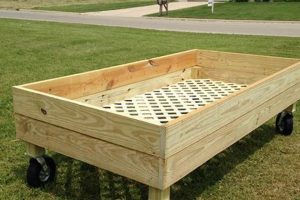
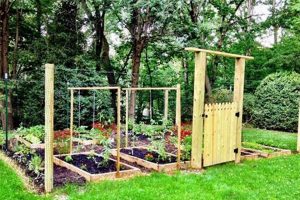
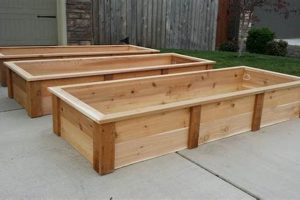
Structures crafted from felled trees, arranged to contain soil above ground level, facilitate horticultural practices. These enclosures, often rectangular or square, offer an alternative to traditional in-ground planting, providing a defined space for cultivation. An example would be a gardener utilizing repurposed timber to construct a four-sided enclosure, filling it with amended soil to cultivate vegetables.
The elevated nature of these garden features offers several advantages. Improved drainage, reduced soil compaction, and mitigation of pest infestations are commonly observed. Furthermore, ergonomic benefits arise from minimizing the need to bend extensively, easing physical strain during planting and maintenance. Historically, similar techniques have been employed in various cultures to manage challenging soil conditions or optimize growing environments.
The following discussion will delve into the specific construction techniques, material selection considerations, optimal soil composition, and suitable plant choices for elevated gardens of this type. Factors influencing long-term durability and sustainability will also be addressed.
Essential Guidance for Timber-Framed Elevated Gardens
The following recommendations are presented to optimize the construction, maintenance, and productivity of elevated gardens utilizing natural wood materials.
Tip 1: Wood Selection: Employ naturally decay-resistant wood species such as cedar, redwood, or black locust to prolong the structure’s lifespan. Untreated pine or fir will degrade more rapidly.
Tip 2: Proper Assembly: Ensure tight joints and secure connections between timber pieces. Overlapping the corners and using landscape screws or timberlok screws provide structural integrity. Avoid nails, which can pull out over time.
Tip 3: Soil Composition: Utilize a well-draining soil mix composed of equal parts topsoil, compost, and perlite or vermiculite. This prevents waterlogging and ensures adequate aeration for root development.
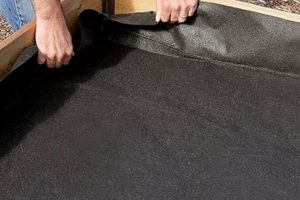
Tip 4: Liner Installation: Install a permeable landscape fabric liner within the frame to prevent soil erosion and migration into the surrounding environment. This barrier also inhibits weed growth from below.
Tip 5: Height Considerations: Design the structure with a height that minimizes physical strain during gardening activities. An optimal height typically ranges from 24 to 36 inches.
Tip 6: Drainage Enhancement: Incorporate a layer of gravel or coarse sand at the base of the bed to improve drainage and prevent root rot. This is particularly important in regions with heavy rainfall.
Tip 7: Sun Exposure Assessment: Position the garden structure in a location that receives a minimum of six hours of direct sunlight daily for optimal plant growth. Track sun patterns throughout the growing season.
Following these guidelines will contribute to the creation of a durable, productive, and aesthetically pleasing elevated garden space. Prioritizing material selection, construction integrity, and appropriate soil management will yield the greatest long-term benefits.
The subsequent section will explore advanced techniques for managing soil fertility and mitigating common pest and disease issues within these enclosed garden systems.
1. Wood Selection

The selection of appropriate wood species is paramount to the longevity and overall success of timber-framed elevated gardens. The inherent properties of different wood types directly impact the structure’s resistance to decay, insect infestation, and structural degradation, all critical factors in outdoor applications.
- Natural Decay Resistance
Certain wood species, such as cedar, redwood, and black locust, possess natural compounds that inhibit fungal growth and decay. These species exhibit a significantly longer lifespan compared to untreated softwoods like pine or fir. The use of decay-resistant wood reduces the need for chemical treatments, promoting a more environmentally sound gardening practice.
- Insect Resistance
Some wood species contain oils or resins that deter wood-boring insects, such as termites and carpenter ants. These insects can compromise the structural integrity of the garden bed, leading to premature failure. Selecting insect-resistant wood minimizes the risk of infestation and extends the service life of the garden bed.
- Structural Integrity and Dimensional Stability
The density and grain pattern of wood influence its strength and resistance to warping or cracking. Dense hardwoods generally offer superior structural support compared to softwoods. Furthermore, wood with stable dimensional characteristics is less prone to expansion and contraction due to moisture fluctuations, minimizing stress on joints and fasteners.
- Cost and Availability
While decay and insect resistance are critical, cost and local availability also play a significant role in wood selection. Durable wood types can be more expensive and harder to source, depending on geographic location. Gardeners may need to balance durability considerations with budgetary constraints and resource accessibility.
In conclusion, the careful consideration of wood species characteristics is fundamental to the long-term performance of timber-framed elevated gardens. By prioritizing natural decay resistance, insect resistance, structural integrity, and balancing these factors with cost and availability, gardeners can ensure a durable and sustainable growing environment.
2. Joint Construction

The method of connecting timber elements in elevated gardens dictates the structure’s overall integrity and resistance to environmental forces. The selection and execution of robust joints are essential for long-term stability and preventing premature failure.
- Corner Joints: Mortise and Tenon Alternatives
Traditional mortise and tenon joints, while robust, can be labor-intensive. Effective alternatives for timber-framed elevated gardens include overlapping corner joints secured with heavy-duty landscape screws or timberlok screws. These methods offer ease of assembly while providing sufficient strength to withstand soil pressure and seasonal expansion/contraction. A poorly constructed corner joint will be the first point of failure in a decaying timber elevated bed, causing bowing and instability.
- Mid-Span Support: Preventing Bowing
For longer beds, the use of mid-span supports becomes crucial to prevent the outward bowing of the side timbers due to the weight of the soil. These supports can be constructed using vertical posts integrated into the side walls, or internal cross-bracing secured with appropriate fasteners. Without such supports, the sidewalls are liable to warp and deform, compromising the garden bed’s structural integrity.
- Fastener Selection: Corrosion Resistance
The choice of fasteners, such as screws or bolts, is critical for durability. Galvanized or stainless-steel fasteners are essential to resist corrosion caused by soil moisture and environmental exposure. Standard steel fasteners will rust and weaken over time, potentially leading to joint failure. Careful consideration must be given to ensure compatibility with the selected wood species to prevent galvanic corrosion.
- Surface Preparation: Enhancing Joint Integrity
Proper preparation of mating surfaces, such as ensuring they are clean, flat, and free of debris, contributes significantly to joint integrity. The use of a waterproof adhesive between joint surfaces can further enhance stability and prevent moisture intrusion. Smooth, even surfaces allow for maximum contact area between timbers, maximizing the effectiveness of the chosen fastening method.
In summary, the meticulous execution of joint construction is a cornerstone of durable timber-framed elevated gardens. Through careful selection of joint methods, support structures, corrosion-resistant fasteners, and diligent surface preparation, the overall lifespan and structural resilience of these garden features are significantly enhanced.
3. Soil Composition

The soil within elevated timber-framed gardens fundamentally determines plant health and productivity. Due to the contained environment, the soil’s composition requires careful consideration to ensure adequate drainage, nutrient availability, and structural support for plant roots.
- Drainage and Aeration
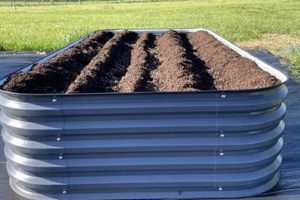
Elevated beds, unlike in-ground gardens, rely entirely on the provided soil for drainage. A mixture too high in clay content will retain excessive moisture, leading to root rot and stunted growth. Conversely, a soil lacking in organic matter may drain too rapidly, depriving plants of essential hydration. An optimal blend incorporating components like perlite or vermiculite ensures proper aeration and water retention.
- Nutrient Availability and Retention
Plants require a range of macro- and micronutrients for healthy development. Soil lacking in organic matter often exhibits poor nutrient retention, necessitating frequent fertilization. Compost, well-rotted manure, and other organic amendments provide a slow-release source of nutrients and enhance the soil’s capacity to retain applied fertilizers. The specific needs of the intended plants should guide the selection of amendments.
- Soil Structure and Root Support
The physical structure of the soil impacts root penetration and stability. Compacted soil restricts root growth, hindering nutrient uptake and water absorption. A well-structured soil, achieved through the addition of organic matter and coarse aggregates, provides ample pore space for root expansion and anchorage. This is especially crucial for larger plants or those with extensive root systems.
- pH Level and Plant Compatibility
The soil’s pH level dictates the availability of certain nutrients to plants. Different plant species have varying pH preferences. Testing the soil’s pH and adjusting it as needed through amendments like lime (to raise pH) or sulfur (to lower pH) ensures optimal nutrient uptake and prevents nutrient deficiencies. A pH range of 6.0 to 7.0 is generally suitable for a wide range of garden plants.
The composition of the soil directly influences the overall success of elevated gardens. By prioritizing drainage, nutrient availability, soil structure, and pH balance, a gardener can create a thriving environment that promotes robust plant growth and maximizes yields in these contained systems.
4. Liner Utilization

The implementation of liners within timber-framed elevated gardens serves as a critical component in managing soil conditions and extending the lifespan of the wooden structure. These barriers, typically constructed from landscape fabric or plastic sheeting, provide a range of benefits relevant to the enclosed growing environment.
- Soil Retention and Erosion Control
Liners prevent the gradual loss of soil through the gaps and imperfections inherent in the timber frame. Over time, the repeated wetting and drying cycles of the soil can cause fine particles to leach out, reducing the overall volume of growing medium and potentially destabilizing the bed. Liners act as a physical barrier, retaining the soil within the confines of the frame and preventing erosion into the surrounding area. The use of landscape fabric still permits adequate drainage of the bed, unlike solid plastic sheeting.
- Weed Suppression
Weeds can infiltrate elevated gardens from the underlying soil or airborne seeds. Liners, particularly those made from tightly woven landscape fabric, impede the upward growth of weeds from the ground beneath the bed. This reduces competition for nutrients and resources, allowing cultivated plants to thrive. It also simplifies garden maintenance by minimizing the need for weeding.
- Moisture Management
While proper drainage is essential, liners can also play a role in moisture retention, especially in dry climates. By slowing the rate of water evaporation from the soil, liners help to maintain consistent moisture levels, reducing the frequency of watering and minimizing plant stress. This is particularly important in elevated beds, where soil can dry out more rapidly than in ground-level gardens.
- Wood Preservation
Direct contact between saturated soil and wood accelerates the decomposition process. Liners create a barrier that reduces moisture exposure to the timber frame, helping to prevent rot and extend the lifespan of the wooden structure. By minimizing the wood’s direct contact with moisture, liners significantly contribute to its long-term durability.
The strategic use of liners within timber-framed elevated gardens offers tangible advantages, ranging from improved soil management and weed suppression to enhanced wood preservation. The selection of appropriate liner materials and their proper installation are essential for maximizing these benefits and ensuring the long-term success of the garden.
5. Structural Height

The structural height of timber-framed elevated gardens significantly influences both the functionality and accessibility of these horticultural systems. Optimizing this dimension is paramount for maximizing user comfort, enhancing plant health, and facilitating effective gardening practices. The following points address key considerations for determining an appropriate structural height.
- Ergonomic Considerations
The structural height directly impacts the physical strain experienced by the gardener. A height that is too low necessitates excessive bending, increasing the risk of back pain and discomfort. Conversely, an excessively high structure may require reaching and stretching, potentially leading to shoulder or arm strain. An ideal height range minimizes bending and reaching, promoting a comfortable and sustainable gardening experience. For most adults, a height between 24 and 36 inches is generally considered ergonomically sound.
- Soil Volume and Root Development
The structural height determines the volume of soil available for root development. Certain plants require a greater soil depth to accommodate their root systems. A shallow structure may restrict root growth, leading to stunted development and reduced yields. Consideration must be given to the intended plants’ root requirements when determining the structural height. Deeper-rooted vegetables, such as tomatoes and carrots, necessitate a greater soil depth than shallow-rooted herbs or leafy greens.
- Accessibility for Diverse Users
The structural height can significantly affect accessibility for individuals with mobility limitations or those using wheelchairs. A higher structure can make gardening more accessible for wheelchair users, allowing them to work without excessive bending or straining. Similarly, elevated beds can provide a more accessible gardening experience for individuals with limited mobility or chronic pain. Planning for inclusive design ensures a wider range of gardeners can enjoy the benefits of these structures.
- Pest Control and Environmental Factors
Elevated beds can offer a degree of protection from certain ground-dwelling pests. Raising the growing surface can deter slugs, snails, and other crawling insects. Furthermore, the structural height can influence soil temperature and drainage. Higher beds tend to warm up more quickly in the spring and may offer better drainage in areas with heavy rainfall. However, they may also dry out more quickly in hot, arid climates, requiring more frequent watering.
Careful consideration of these facets during the design phase is crucial for maximizing the benefits of timber-framed elevated gardens. Balancing ergonomic needs, plant requirements, accessibility considerations, and environmental factors allows for the creation of a functional, sustainable, and enjoyable gardening space. The selection of an appropriate structural height is integral to the overall success of these horticultural systems.
6. Drainage Provision

Effective drainage is paramount in timber-framed elevated gardens to facilitate healthy root development and prevent conditions conducive to disease. Inadequate drainage can lead to waterlogged soil, inhibiting oxygen availability to plant roots and promoting the growth of anaerobic bacteria. The following facets explore critical aspects of drainage provision within these enclosed garden systems.
- Gravel Base Layer
The inclusion of a gravel or coarse aggregate layer at the base of the raised bed enhances drainage capabilities. This layer allows excess water to percolate away from the soil profile, preventing water accumulation. The depth of the gravel layer should be proportionate to the expected rainfall in the region, with a minimum depth of 4-6 inches recommended in areas with high precipitation. Proper gravel selection is also essential; avoid fine sands that can compact and impede water flow. For instance, a gardener in a rainy climate might incorporate a 6-inch layer of pea gravel beneath the soil to safeguard against waterlogged conditions.
- Permeable Liner Selection
While liners are valuable for soil retention, impermeable plastic liners can impede drainage if not properly managed. Opting for a permeable landscape fabric liner allows water to pass through while still preventing soil erosion. This fabric facilitates drainage while preventing soil particles from clogging the underlying gravel layer. Conversely, solid plastic liners require the implementation of drainage holes to prevent water accumulation. An example of this is using a landscape fabric in the raised log bed garden and install in a way that allows excess water escape from the soil.
- Soil Composition Optimization
The composition of the soil mix significantly influences drainage. A soil with a high clay content will retain excessive moisture, while a sandy soil may drain too rapidly. An optimal blend incorporates a balance of organic matter, topsoil, and coarse aggregates such as perlite or vermiculite. These amendments enhance soil structure, promoting both drainage and water retention. A gardener might incorporate compost, topsoil, and perlite in equal amounts for optimal drainage.
- Drainage Outlet Implementation
In situations where natural drainage is insufficient, the installation of drainage outlets may be necessary. These outlets can consist of perforated pipes or drainage tiles embedded within the gravel layer, directing excess water away from the garden bed. Drainage outlets are particularly beneficial in heavy clay soils or areas with poor site drainage. Connecting a perforated pipe system to a French drain at the garden bed base will help to alleviate excess water to runoff location.
In summary, effective drainage provision is integral to the health and longevity of timber-framed elevated gardens. By implementing these strategies and carefully considering site-specific conditions, gardeners can create an environment that promotes optimal plant growth and minimizes the risk of water-related issues. The interrelation between material selection, soil composition, and physical drainage systems ensures a balanced and sustainable growing environment.
7. Sunlight Exposure

Sunlight exposure is a critical determinant of success in elevated timber-framed gardens. Photosynthesis, the process by which plants convert light energy into chemical energy, directly depends on adequate sunlight. Insufficient sunlight leads to reduced photosynthetic rates, resulting in stunted growth, diminished yields, and increased susceptibility to disease. For instance, vegetables such as tomatoes, peppers, and cucumbers require a minimum of six hours of direct sunlight daily to thrive. Failure to provide sufficient light can result in poor fruit set and underdeveloped produce. Positioning elevated gardens strategically to maximize sunlight capture is, therefore, essential.
The orientation of the elevated timber frame also impacts light exposure. A north-south orientation typically maximizes sunlight capture throughout the day, particularly in temperate climates. Overhanging structures, such as trees or buildings, can cast shadows that significantly reduce sunlight exposure. Careful monitoring of sunlight patterns throughout the growing season is necessary to identify and mitigate potential shading issues. If shading is unavoidable, selecting shade-tolerant plant species is crucial. Examples include leafy greens such as lettuce and spinach, which can tolerate partial shade. Furthermore, reflective surfaces, such as white-painted walls or reflective films, can be used to redirect sunlight towards the garden, increasing light intensity.
In conclusion, optimal sunlight exposure is indispensable for the productivity of elevated timber-framed gardens. Strategic site selection, careful orientation, shading mitigation, and the selection of appropriate plant species are all critical considerations. A comprehensive understanding of sunlight patterns and plant light requirements is essential for maximizing yields and promoting healthy plant growth within these enclosed gardening systems. Addressing light limitations through careful planning and adaptive strategies ensures a successful and sustainable gardening endeavor.
Frequently Asked Questions Regarding Log Raised Garden Beds
The following questions address common inquiries and concerns related to the construction, maintenance, and utilization of garden beds crafted from timber.
Question 1: What species of wood are most suitable for constructing log raised garden beds?
Wood species with natural resistance to decay and insect infestation are optimal. Cedar, redwood, and black locust offer superior longevity compared to untreated softwoods like pine or fir. Treatment with appropriate preservatives can extend the life of less durable woods, but consider potential impacts on soil and plant health.
Question 2: How can one ensure the structural integrity of log raised garden beds?
Secure joints are crucial. Overlapping corners fastened with heavy-duty screws or timber-lok screws provide stability. For beds exceeding four feet in length, internal cross-bracing or mid-span supports prevent bowing of the sidewalls. Consistent monitoring and prompt repair of any structural weaknesses are essential for long-term stability.
Question 3: Is a liner necessary for log raised garden beds?
A liner offers several benefits. It prevents soil erosion, inhibits weed growth, and protects the wood from direct contact with moisture, extending its lifespan. A permeable landscape fabric is preferable to impermeable plastic, as it allows for drainage while still retaining soil particles.
Question 4: How does soil composition affect the performance of log raised garden beds?
Soil composition is a primary determinant of plant health. A well-draining mix consisting of topsoil, compost, and a drainage amendment such as perlite is recommended. Clay-heavy soils retain excessive moisture, while sandy soils drain too rapidly. Regular soil testing and amendment are necessary to maintain optimal nutrient levels and pH.
Question 5: What measures can be taken to prevent pest infestations in log raised garden beds?
Maintaining healthy soil and plants is the first line of defense. Barriers, such as copper tape around the perimeter, can deter slugs and snails. Regular inspection for signs of insect damage and prompt treatment with appropriate organic pesticides, if necessary, is crucial. Beneficial insects can also be introduced to control pest populations.
Question 6: How should one manage drainage in log raised garden beds?
Adequate drainage is essential to prevent waterlogged soil. A base layer of gravel facilitates drainage. The use of a permeable liner allows water to escape while retaining soil. Adjusting soil composition to incorporate drainage amendments also contributes to effective water management. Proper drainage is vital for root health and plant vigor.
In conclusion, proper material selection, construction techniques, and ongoing maintenance are all critical for maximizing the lifespan and productivity of log raised garden beds.
The subsequent section will explore case studies demonstrating successful implementation and innovative approaches to log raised garden bed design and utilization.
Conclusion
This exploration of timber-framed elevated gardens has illuminated the critical factors influencing their construction, maintenance, and productive capacity. From selecting durable wood species and employing robust joint construction methods to optimizing soil composition, providing effective drainage, and ensuring adequate sunlight exposure, each element contributes significantly to the overall success and longevity of these horticultural systems. A comprehensive understanding of these principles is essential for maximizing plant health and yield within these contained growing environments.
The information presented underscores the importance of informed decision-making in the creation and management of elevated gardens. By prioritizing sound construction practices, appropriate material selection, and diligent maintenance, individuals can foster sustainable and productive gardening spaces. Continued research and innovation in this area will further refine best practices and promote the widespread adoption of these valuable horticultural techniques.