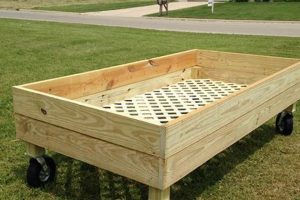
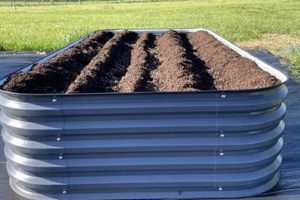
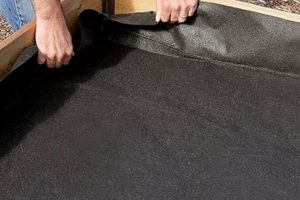
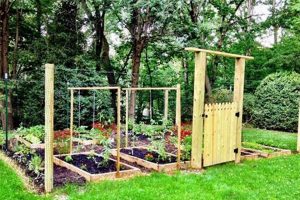
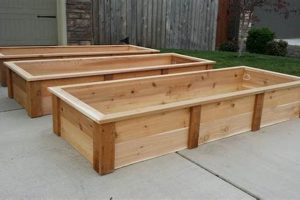
A barrier placed inside a framed garden structure is designed to separate the soil from the frame material. This serves to extend the lifespan of the structure and create a more controlled growing environment. Examples include plastic sheeting, landscape fabric, and even repurposed materials like tarps.
This protective layer is crucial for preventing wood rot in wooden frames by minimizing direct contact with moist soil. It can also help regulate soil temperature, improve drainage in some instances, and prevent leaching of potentially harmful chemicals from the frame material into the soil. The adoption of this practice stems from the desire to improve the longevity and sustainability of elevated gardening projects.
The selection of appropriate materials for this barrier requires consideration of factors such as durability, permeability, and environmental impact. Examining these considerations alongside installation techniques and alternative barrier solutions will be the focus of the subsequent sections.
Enhancing Raised Garden Bed Longevity
The following guidelines promote effective usage and maximize the benefits of internal barriers within elevated gardening structures.
Tip 1: Material Selection: Consider the properties of different materials. Untreated wood deteriorates rapidly in contact with moist soil. Select high-quality, durable materials that are suitable for prolonged soil contact and resistant to degradation.
Tip 2: Proper Installation: Ensure the material is correctly installed to completely separate the soil from the frame. Overlap seams and secure edges to prevent soil contact with the frame material. Consider using staples or tacks appropriately to ensure it is secure.
Tip 3: Drainage Considerations: When using impermeable materials such as plastic, ensure adequate drainage to prevent waterlogging. Perforate the material in the lower portion to facilitate water runoff.
Tip 4: Avoid Toxic Materials: Refrain from utilizing materials that may leach harmful chemicals into the soil. Some treated lumber and plastics are unsuitable for vegetable gardens. Research the composition of the material thoroughly before installation.
Tip 5: Monitor and Maintain: Regularly inspect the barrier for damage, tears, or deterioration. Promptly repair any compromised sections to maintain its protective function. This will ensure a long life span for your raised garden bed.
Tip 6: Consider Breathability: Some materials like landscape fabric allow for some breathability, which may be preferable in certain climates or for specific plants. Balance drainage needs with the need for breathability in certain applications.
By employing these strategies, gardeners can significantly prolong the lifespan of their raised beds, reduce maintenance requirements, and create a more favorable growing environment.
The next section will discuss alternative construction methods and further considerations for optimal raised bed design.
1. Material Durability

Material durability is paramount when selecting internal barriers for elevated gardening structures. The longevity and effectiveness of the barrier, and consequently, the raised bed itself, are directly proportional to the material’s resistance to degradation.
- Resistance to Degradation
A durable liner must withstand constant exposure to moisture, soil microorganisms, and fluctuating temperatures. Materials prone to rapid decomposition, such as thin plastics or untreated fabrics, compromise the barrier’s integrity, leading to soil contact with the frame and accelerated deterioration. Selecting materials designed for prolonged burial ensures sustained protection.
- Puncture and Tear Resistance
Soil often contains sharp objects, roots, and stones that can puncture or tear a liner. A material with high puncture and tear resistance maintains its barrier function even under stress, preventing soil and moisture from compromising the raised bed’s structure. Woven geotextiles and reinforced plastics offer superior resistance compared to thinner, non-woven alternatives.
- UV Resistance
Although primarily buried, the upper edges of the liner are often exposed to sunlight. Prolonged UV exposure degrades many materials, causing them to become brittle and crack. Opting for UV-resistant materials, or protecting exposed edges with additional covering, extends the liner’s lifespan and preserves its protective qualities.
- Chemical Stability
The material should be chemically stable and inert to prevent leaching of harmful substances into the soil. Recycled materials, if used, must be carefully evaluated to ensure they do not contain contaminants that could negatively impact plant growth or soil health. Selecting virgin materials or those specifically designed for horticultural applications mitigates this risk.
The selection of a durable material is a fundamental decision in constructing and maintaining raised garden beds. Investing in higher-quality, long-lasting materials translates to reduced maintenance, prolonged structural integrity, and a more sustainable gardening practice. Failing to prioritize durability can lead to premature failure of the barrier, necessitating costly repairs or replacements.
2. Soil Isolation

Effective soil isolation is a primary function facilitated by internal barriers within elevated gardening structures. The placement of a physical barrier between the soil and the frame prevents direct contact. This separation is crucial for mitigating the decomposition of wooden frames and inhibiting the migration of potentially harmful substances from the frame material into the soil. For instance, untreated wooden frames in direct contact with moist soil are susceptible to rot and decay due to microbial activity, a process significantly slowed or prevented by a proper soil barrier.
The importance of soil isolation extends beyond structural preservation. It also plays a critical role in maintaining soil quality within the raised bed. Without a proper barrier, components of the framesuch as preservatives in treated lumbercan leach into the soil, altering its chemical composition and potentially impacting plant growth. An effective barrier ensures a more stable and controlled growing environment. A practical example is the use of polyethylene sheeting in conjunction with treated lumber, preventing the preservatives from contaminating the soil and ensuring a safe environment for growing edible plants.
In conclusion, soil isolation is an indispensable aspect of elevated gardening, enabled by appropriate lining materials. While challenges may exist in selecting suitable, non-toxic, and durable barrier materials, the benefits of structural longevity and controlled soil composition far outweigh the initial investment and effort. Furthermore, a comprehensive understanding of the link between soil isolation and liner selection is essential for optimizing the performance and sustainability of elevated gardening systems.
3. Water Management

The interplay between water management and internal barriers within elevated gardening structures significantly influences plant health and the longevity of the structure itself. The barrier’s impact on drainage and moisture retention dictates the soil’s suitability for various plant species. For example, an impermeable barrier, such as plastic sheeting without drainage perforations, can lead to waterlogging, creating an anaerobic environment detrimental to most plants. Conversely, a highly permeable barrier, such as loosely woven burlap, may result in excessively rapid drainage, requiring more frequent watering and potentially increasing the risk of nutrient leaching.
The selection of an appropriate material necessitates careful consideration of plant-specific water requirements and local environmental conditions. For plants requiring well-drained soil, landscape fabric or perforated plastic are viable options. For plants thriving in consistently moist conditions, a less permeable barrier, combined with strategic drainage holes, may be preferred. Furthermore, the barrier can influence the overall water efficiency of the raised bed. By preventing water from directly contacting and saturating the frame material, especially wood, the barrier minimizes moisture-induced decay and extends the lifespan of the structure. This translates to reduced maintenance costs and a more sustainable gardening practice. An illustration would be a wood raised bed with no liner where water from the soil contacts the wood causing rot over time, a barrier mitigates the moisture contact.
In conclusion, effective water management is an intrinsic component of barrier selection and installation in elevated gardening. By carefully considering the material’s permeability, drainage characteristics, and potential impact on soil moisture, gardeners can create an optimal growing environment, minimize structural decay, and promote efficient water utilization. The inherent challenge lies in balancing water retention and drainage to meet the specific needs of the plants being cultivated. Further research into regionally appropriate materials and their long-term performance is crucial for advancing sustainable elevated gardening practices.
4. Chemical Inertness

Chemical inertness, in the context of internal barriers for elevated gardening structures, refers to the material’s resistance to chemical reactions or leaching that could negatively impact soil composition and plant health. The selection of materials with a high degree of chemical inertness is paramount to ensuring a safe and productive growing environment.
- Prevention of Leaching
Many common materials, particularly plastics and treated wood, contain chemicals that can leach into the surrounding soil over time. These chemicals may include plasticizers, stabilizers, or wood preservatives, which can disrupt soil pH, inhibit nutrient uptake by plants, or even introduce toxins. A chemically inert liner prevents this leaching, maintaining the integrity of the soil and protecting plant health. An example of leaching can be observed when using non-food-grade plastics, which can release phthalates into the soil.
- Resistance to Soil Acidity
Soil pH can fluctuate considerably, and acidic conditions can accelerate the degradation of certain liner materials. A chemically inert material resists degradation from acidic soil, ensuring its long-term effectiveness as a barrier. For example, some metals can corrode in acidic environments, releasing metallic ions into the soil. Inert polymers, on the other hand, exhibit resistance to acidic breakdown.
- Compatibility with Fertilizers and Amendments
Gardeners often use fertilizers and soil amendments to enhance plant growth. Some liner materials may react with these substances, either degrading the liner or altering the composition of the fertilizers themselves. A chemically inert liner remains stable when exposed to common gardening chemicals, ensuring that the intended benefits of fertilizers and amendments are realized without adverse effects on the liner or the soil. For example, limestone is used to increase the pH level in acidic soil, if a non-inert liner is used then it can affect the overall plant growth.
- Minimizing Environmental Impact
The use of chemically inert materials minimizes the potential for environmental contamination. By preventing leaching and degradation, these materials reduce the risk of harmful substances entering the surrounding ecosystem. This is particularly important in areas where runoff from gardens can affect waterways or groundwater sources. For example, landscape fabric made from polypropylene is an inert material that can be used for a long-period.
In summary, the chemical inertness of internal barriers for elevated gardening structures is a critical consideration for ensuring soil health, plant safety, and environmental protection. The selection of appropriate materials that resist leaching, soil acidity, and interactions with gardening chemicals is essential for creating a sustainable and productive growing environment. This can be achieved by selecting materials which have chemical stability and prevent harmful substances from effecting soil quality.
5. Structural Protection

Structural protection, in the context of elevated gardening systems, refers to the preservation of the raised bed’s physical integrity and longevity through various protective measures. The strategic application of internal barriers is a primary method for achieving this protection.
- Prevention of Wood Rot
Wooden raised beds are susceptible to rot and decay due to constant exposure to moisture and soil microorganisms. Internal barriers, such as polyethylene sheeting or landscape fabric, create a physical separation between the soil and the wood, preventing direct contact with moisture and significantly reducing the risk of rot. For example, a properly installed liner in a cedar raised bed can extend its lifespan by several years, mitigating the need for frequent repairs or replacements.
- Mitigation of Corrosion
Metal raised beds, particularly those constructed from untreated steel, are vulnerable to corrosion. Soil moisture and acidity can accelerate the rusting process, compromising the structural integrity of the bed. The use of liners can create a buffer zone, minimizing contact between the soil and the metal, thereby slowing down corrosion. Consider a galvanized steel bed with a liner, this delays corrosion by reducing direct soil contact.
- Reduced Frame Distortion
The weight of wet soil can exert significant pressure on the walls of a raised bed, potentially causing them to bow outwards or warp over time. A liner can help distribute this pressure more evenly, reducing stress on the frame. For example, a sturdy liner, especially when combined with corner reinforcements, can help maintain the shape of a large raised bed, preventing unsightly and structurally damaging distortion.
- Prevention of Soil Erosion and Leaching
Erosion can occur within the bed itself over time and it can cause the nutrient rich topsoil to be removed, while soil leaching will leave an unfertile soil behind. Liners not only protect the frame but also help to prevent the soil within it from being washed away over time. They ensure the growth medium remains where intended, rather than being slowly lost through gaps or the base of the structure.
The various facets of structural protection underscore the integral role of internal barriers in maintaining the longevity and functionality of elevated gardening systems. By mitigating wood rot, corrosion, frame distortion, soil erosion, and leaching, these barriers contribute to a more sustainable and cost-effective gardening practice. Ignoring these protective measures can lead to premature structural failure, necessitating costly repairs or replacements. Careful selection and proper installation of liners are essential for maximizing the benefits of raised bed gardening.
Frequently Asked Questions
The following addresses common inquiries related to the function, selection, and utilization of internal barriers within elevated gardening structures.
Question 1: Are barrier materials universally necessary for all raised garden beds?
While not strictly mandatory, the inclusion of a barrier material is strongly recommended, particularly for wooden structures. Barriers mitigate soil-to-frame contact, significantly extending the lifespan of the bed. The necessity may be reduced if using naturally rot-resistant materials like redwood or cedar, however, even in these instances, a barrier can offer additional protection.
Question 2: What constitutes an appropriate material for barrier construction?
Suitable materials exhibit durability, chemical inertness, and appropriate permeability. Options include high-density polyethylene (HDPE), landscape fabric, and specialized geomembranes. Untreated lumber, thin plastics, and materials containing potentially harmful chemicals are unsuitable.
Question 3: Does the utilization of an internal barrier impede drainage within the bed?
The impact on drainage is contingent upon the chosen material. Impermeable materials, such as solid plastic sheeting, necessitate the inclusion of drainage perforations to prevent waterlogging. Permeable materials, like landscape fabric, allow for natural drainage. Selection should align with plant-specific water requirements and local climatic conditions.
Question 4: Is the implementation of a barrier financially justifiable?
While a barrier introduces an initial cost, it contributes to long-term savings by extending the structural integrity of the raised bed. Reduced maintenance, fewer repairs, and delayed replacement offset the initial expense, making it a financially prudent investment.
Question 5: How does the installation process impact the barrier’s effectiveness?
Proper installation is crucial. The material must completely isolate the soil from the frame, with overlapping seams and secure attachment points. Failure to properly install the barrier can negate its protective benefits, leading to premature structural failure.
Question 6: Do alternative methods exist for achieving comparable structural protection?
Alternative methods include utilizing naturally rot-resistant materials for the frame, applying wood preservatives (with careful consideration of potential chemical leaching), and elevating the bed to improve drainage. However, these methods often prove less effective or introduce additional complexities compared to the implementation of a well-chosen and properly installed barrier.
The strategic utilization of internal barriers represents a practical approach to maximizing the longevity and sustainability of elevated gardening structures. Careful consideration of material selection, installation techniques, and drainage requirements ensures optimal performance and long-term benefits.
The subsequent discussion will explore advanced techniques for optimizing soil composition within raised garden beds.
Conclusion
The preceding discussion has comprehensively explored the function, selection, and implementation of liners for raised garden beds. The necessity for appropriate materials, strategic installation, and consideration of drainage are critical to ensuring the long-term structural integrity of elevated gardening systems. Effective barrier solutions mitigate wood rot, corrosion, and chemical leaching, promoting both plant health and environmental sustainability. Furthermore, careful material selection allows for optimized water management, leading to reduced maintenance and improved overall gardening efficiency.
The continued advancement of raised bed gardening depends on rigorous material testing, refined installation techniques, and a deeper understanding of soil dynamics within these enclosed environments. Ongoing research into environmentally friendly and durable liner alternatives is essential for promoting sustainable gardening practices. Further exploration of advanced drainage solutions and techniques for optimizing soil composition within raised beds represents a crucial avenue for future development, enhancing the productivity and longevity of these gardening systems.