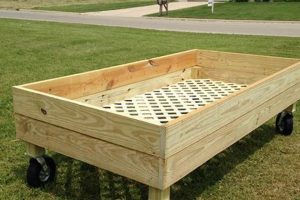
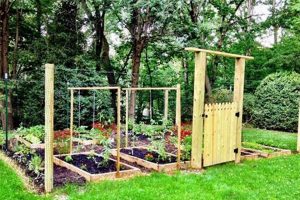
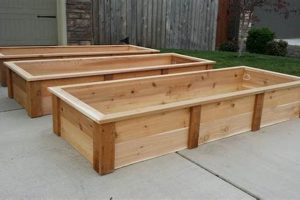
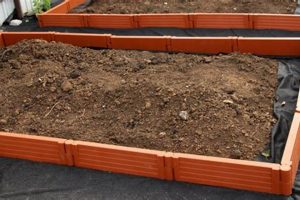
A contained planting structure elevated above ground level, enhanced with a protective layer, offers a controlled environment for horticultural endeavors. This construction typically consists of a frame, often built from wood, metal, or composite materials, and an internal barrier designed to isolate the soil from the frame and surrounding environment. For instance, a wooden frame holding soil and vegetables, and incorporating a plastic sheet to prevent wood rot, exemplifies this type of gardening method.
Utilizing this method presents several advantages, including improved drainage, soil control, and accessibility for individuals with limited mobility. The elevated structure minimizes soil compaction, fosters optimal root development, and mitigates weed intrusion. Historically, these structures have been employed to overcome challenges posed by poor native soil conditions, allowing cultivation in areas previously deemed unsuitable for gardening.
The subsequent sections will delve into the materials selection for frame construction, the variety of protective barrier options available, proper soil composition for optimal plant growth, and effective techniques for maintaining the integrity and longevity of such a gardening system.
Maximizing the Benefits
The following guidelines offer practical insights for constructing and maintaining an effective contained elevated planting system, ensuring optimal growing conditions and extended structural lifespan.
Tip 1: Select Durable Frame Materials: Opt for rot-resistant wood species, such as cedar or redwood, or utilize composite materials engineered for outdoor use. These choices minimize degradation caused by moisture and soil contact, extending the frame’s service life.
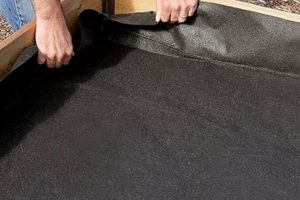
Tip 2: Implement a Robust Protective Barrier: A durable, food-grade plastic sheeting or specialized garden fabric isolates the soil from the frame, preventing wood rot and leaching of potentially harmful chemicals from the frame into the soil. Securely fasten the barrier to the frame to prevent shifting or tearing.
Tip 3: Ensure Proper Drainage: Incorporate drainage holes at the base of the structure to prevent waterlogging, which can lead to root rot. A layer of gravel or crushed stone beneath the soil further facilitates drainage.
Tip 4: Optimize Soil Composition: Employ a well-draining soil mix specifically formulated for elevated gardening. Combine topsoil, compost, and peat moss or coconut coir to achieve the desired balance of water retention and aeration.
Tip 5: Provide Adequate Support: For deeper structures, consider adding internal bracing to prevent bowing or bulging of the frame walls due to soil pressure. This reinforcement is particularly important when using heavier soil mixes.
Tip 6: Consider Location: Position the structure in an area that receives adequate sunlight for the intended plants. Orient the bed to maximize sun exposure, particularly in regions with shorter growing seasons.
Tip 7: Regularly Inspect and Maintain: Periodically examine the structure for signs of damage, such as cracks, rot, or tears in the protective layer. Promptly address any issues to prevent further degradation and maintain structural integrity.
Adherence to these guidelines promotes a thriving and sustainable gardening environment, yielding healthier plants and minimizing the need for costly repairs or replacements.
The concluding section will summarize the advantages of utilizing this gardening method and offer resources for further exploration.
1. Soil moisture retention

Soil moisture retention, the ability of soil to hold water for plant uptake, is fundamentally impacted by the presence and characteristics of the protective layer within a contained, elevated planting system. This interface significantly affects water availability, influencing plant health and overall gardening success.
- Material Composition of the Protective Layer
The type of material used for the protective barrier dictates its permeability and, consequently, the rate of water loss. Impermeable materials, such as plastic sheeting, drastically reduce evaporation from the soil surface and prevent drainage from the sides, resulting in increased moisture retention compared to exposed soil. Conversely, more porous materials, like some geotextiles, allow for greater air circulation and drainage, potentially reducing moisture retention. The choice of material must therefore be carefully considered based on the water requirements of the intended plants and the ambient climate.
- Soil Type Interaction
The relationship between soil type and the protective layer is critical. Sandy soils, known for their rapid drainage, benefit most from an impermeable layer to prevent excessive water loss. Clay soils, which naturally retain more water, may require a more permeable layer to avoid waterlogging, which can lead to root rot. The barrier must complement the soil’s inherent properties to maintain an optimal moisture balance for plant growth.
- Drainage Control
The inclusion of drainage holes in the structure, coupled with the protective layer, provides a degree of control over soil moisture levels. Strategic placement and sizing of drainage holes allow for the release of excess water, preventing anaerobic conditions. The protective barrier, in conjunction with the drainage system, enables a more consistent and manageable moisture environment, particularly in regions with heavy rainfall.
- Mulch Application Impact
The effectiveness of surface mulches, such as wood chips or straw, in conserving soil moisture is amplified within this type of planting system. The protective layer minimizes water loss from the sides and bottom, directing moisture towards the soil surface where the mulch can effectively reduce evaporation. This synergistic effect further enhances water conservation and reduces the need for frequent irrigation.
The protective layer within a contained, elevated planting system directly mediates the delicate balance of soil moisture retention. By carefully selecting materials, understanding soil interactions, managing drainage, and leveraging mulching techniques, gardeners can optimize water availability for thriving plant growth, even in challenging environmental conditions.
2. Root protection improvement

The implementation of a protective layer within a contained, elevated planting system, directly enhances root protection for cultivated plants. This improvement stems from several factors: physical barrier against pests, regulated soil temperature, and controlled soil environment. The protective material, often plastic or specialized fabric, physically prevents soilborne pests, such as nematodes and certain insect larvae, from accessing the root zone. This reduces the incidence of root damage and subsequent plant stress. The enclosed environment buffers the soil temperature, mitigating extreme fluctuations that can harm root systems, particularly during periods of intense heat or frost. The liner’s containment properties also allow for the creation of a tailored soil composition, free from the contaminants or imbalances present in native soil, further safeguarding root health.
Consider, for example, a garden bed situated in an area with heavy clay soil, prone to waterlogging and root rot. Constructing an elevated bed with a protective layer, filled with a well-draining soil mix, effectively isolates the plants from the problematic native soil. This enables the roots to develop in an optimal environment, free from the detrimental effects of excessive moisture and poor aeration. Similarly, in regions with pervasive soilborne pests, the physical barrier provided by the protective layer drastically reduces the need for chemical interventions, promoting a healthier, more sustainable gardening practice. The enhanced control over soil composition also permits the addition of beneficial microorganisms, such as mycorrhizae, which form symbiotic relationships with plant roots, improving nutrient uptake and disease resistance.
The understanding of root protection improvement within these systems is crucial for optimizing plant growth and yield. While the initial investment in constructing an elevated bed with a protective layer may be higher than traditional in-ground gardening, the long-term benefits of reduced pest pressure, improved soil conditions, and enhanced root health often outweigh the initial costs. A challenge remains in selecting the appropriate protective material that balances durability, permeability, and environmental impact. Continued research and innovation in this area are essential for maximizing the benefits of this gardening technique while minimizing its environmental footprint.
3. Frame material preservation

The longevity and structural integrity of a raised garden bed are intrinsically linked to the preservation of its frame material. Direct contact with moisture-rich soil accelerates the decay process in many common frame materials, such as untreated wood. The inclusion of a protective layer between the soil and the frame, a defining characteristic of a lined raised garden bed, serves as a crucial barrier against this destructive interaction. Without such a barrier, the frame is susceptible to rot, fungal growth, and pest infestation, leading to premature failure and the need for costly repairs or replacements. For instance, a wooden frame directly exposed to damp soil may exhibit signs of decay within a year, whereas a frame protected by a durable liner can last for several years or even decades, depending on the material’s resistance to degradation.
The selection of appropriate liner materials is paramount to achieving effective frame material preservation. Durable, waterproof options like polyethylene sheeting or specialized pond liners provide a robust barrier against moisture and soilborne microorganisms. These materials effectively isolate the frame from the corrosive effects of constant dampness, significantly extending its lifespan. Furthermore, the liner prevents the leaching of chemicals from treated wood into the soil, safeguarding the growing environment for plants and minimizing potential health risks. The proper installation of the liner is equally important. Gaps or tears in the liner compromise its protective function, allowing moisture to penetrate and initiate the decay process. Therefore, careful attention to detail during installation is essential for maximizing the liner’s effectiveness.
In summary, frame material preservation is a critical component of a lined raised garden bed, ensuring its structural integrity and long-term functionality. The strategic use of appropriate liner materials and meticulous installation techniques are vital for preventing premature frame decay and minimizing the need for costly repairs. The understanding of this relationship enables gardeners to make informed decisions about material selection and construction practices, ultimately contributing to a more sustainable and productive gardening experience.
4. Weed barrier effectiveness

The suppression of weed growth is a critical factor in the success and maintenance of any garden, including those utilizing a liner raised garden bed system. The effectiveness of weed control measures directly impacts plant health, nutrient availability, and the overall aesthetic of the gardening space. The liner within the raised bed plays a significant role in minimizing weed intrusion, providing a barrier against soilborne weed seeds and rhizomes.
- Physical Impedance of Weed Growth
The liner itself acts as a physical barrier, preventing weed seeds present in the underlying soil from germinating and penetrating the growing medium within the raised bed. This is particularly relevant in areas with persistent weed problems, where traditional gardening methods often require extensive manual weeding or herbicide application. A properly installed liner significantly reduces the need for such interventions, promoting a more sustainable and less labor-intensive gardening approach. For example, a raised bed placed on top of compacted clay soil, notorious for its weed seed bank, will benefit immensely from the liner’s ability to prevent those seeds from accessing the cultivated soil above.
- Isolation from Contaminated Soil
In many urban or previously cultivated areas, the existing soil may be contaminated with weed seeds or persistent rhizomes, making in-ground gardening challenging. A liner raised garden bed effectively isolates the growing medium from this contaminated soil, providing a weed-free environment for plants to thrive. This is especially beneficial when growing vegetables or other edible plants, as it minimizes the risk of contamination and ensures a cleaner, healthier harvest. Consider a situation where a garden is established on a site previously used for agricultural purposes and subjected to herbicide application. The liner prevents any residual herbicides from leaching into the raised bed’s soil, protecting the plants from potential damage.
- Control over Soil Composition
By using a liner, gardeners have greater control over the composition of the growing medium within the raised bed. This allows for the selection of soil mixes that are less conducive to weed growth, such as those with a high organic matter content and good drainage. These mixes provide a competitive advantage to the desired plants, making it more difficult for weeds to establish and thrive. An example would be using a soilless mix of peat moss, vermiculite, and perlite, which contains no weed seeds and provides excellent drainage, inhibiting the germination of many common weed species.
- Enhanced Mulch Effectiveness
The liner enhances the effectiveness of mulch, which is another key component of weed control. By preventing weed seeds from germinating from below, the liner allows the mulch to focus on suppressing weed growth from above. This synergistic effect significantly reduces weed pressure and minimizes the need for manual weeding. For instance, a thick layer of wood chips or straw mulch placed on top of the soil within a liner raised garden bed will effectively block sunlight from reaching any weed seeds that may have been introduced from above, preventing their germination and establishment.
In conclusion, the weed barrier effectiveness provided by a liner in a raised garden bed is a crucial aspect of its overall success. By physically impeding weed growth, isolating the growing medium from contaminated soil, providing control over soil composition, and enhancing mulch effectiveness, the liner creates a more favorable environment for cultivated plants and reduces the need for labor-intensive weed control measures.
5. Soil contamination prevention

The use of a liner in a raised garden bed presents a critical strategy for preventing soil contamination, a significant concern in urban and industrial areas. This approach mitigates the risk of plants absorbing harmful substances present in the underlying native soil, ensuring the safety of produce and the overall health of the gardening ecosystem.
- Physical Barrier Against Contaminants
The liner acts as a physical barrier, preventing direct contact between the growing medium within the raised bed and potentially contaminated soil beneath. This is particularly relevant in locations with a history of industrial activity, pesticide use, or lead paint exposure. The liner effectively isolates the plants’ root systems from pollutants such as heavy metals, petroleum hydrocarbons, and persistent organic compounds, which can accumulate in plant tissues and pose health risks to consumers. For example, in urban gardens located on former industrial sites, a liner prevents plants from absorbing lead and arsenic present in the soil.
- Control Over Growing Medium Composition
Utilizing a liner enables precise control over the composition of the growing medium within the raised bed. Gardeners can select soil mixes that are free from contaminants and optimized for plant growth. This contrasts with relying on native soil, which may be deficient in essential nutrients or contain harmful substances that inhibit plant development. The ability to create a tailored growing environment ensures that plants receive the nutrients they need without exposure to toxins. Consider a situation where a garden is established on a site with highly alkaline soil. By using a liner and a custom soil mix, gardeners can create a pH-balanced environment suitable for a wider range of plants.
- Reduced Leaching of Contaminants
The liner minimizes the leaching of contaminants from the surrounding soil into the raised bed’s growing medium. Rainfall and irrigation can mobilize pollutants in the soil, carrying them into the root zone of plants. The liner reduces this risk by preventing the downward migration of contaminants, protecting the plants from exposure. This is especially important in areas with high rainfall or frequent irrigation, where the potential for leaching is increased. As an example, in areas with acid rain, a liner can prevent the acidification of the soil within the raised bed, protecting plants from pH-related stress.
- Prevention of Erosion and Runoff
The liner helps to prevent erosion and runoff, which can contribute to the spread of soil contamination. By containing the soil within the raised bed, the liner reduces the risk of soil particles being carried away by wind or water, preventing the transport of contaminants to other areas. This is particularly important in sloped or exposed locations where erosion is more likely. As an illustration, a liner can prevent soil erosion from a raised bed located on a hillside, preventing the contamination of nearby water sources.
In conclusion, the incorporation of a liner in a raised garden bed provides a multifaceted approach to preventing soil contamination, safeguarding plant health and promoting sustainable gardening practices. By acting as a physical barrier, enabling control over growing medium composition, reducing leaching, and preventing erosion, the liner contributes to a cleaner and healthier growing environment, particularly in areas with a history of soil pollution.
Frequently Asked Questions
The following section addresses common inquiries regarding the construction, maintenance, and benefits of a gardening system incorporating a protective layer within an elevated structure.
Question 1: What materials are suitable for constructing the frame of a structure for contained gardening?
Durable materials such as cedar, redwood, or composite lumber are recommended due to their resistance to rot and insect damage. Untreated wood is generally discouraged due to its susceptibility to degradation upon prolonged contact with soil.
Question 2: What type of material is best suited for the internal protective layer?
Food-grade polyethylene plastic sheeting or specialized pond liners are effective options. The material should be non-toxic, durable, and resistant to tearing. Ensure the selected material is appropriate for contact with soil and intended plants.
Question 3: Is drainage necessary in structures for elevated gardening?
Adequate drainage is crucial to prevent waterlogging and root rot. Drainage holes should be strategically placed at the base of the structure to allow excess water to escape. Gravel or crushed stone beneath the soil mix can further enhance drainage.
Question 4: How does the inclusion of a protective layer contribute to weed control?
The protective layer acts as a physical barrier, preventing weed seeds present in the underlying soil from germinating and penetrating the growing medium. This significantly reduces the need for manual weeding or herbicide application.
Question 5: Does the use of a barrier assist in preventing soil contamination?
A properly installed protective layer isolates the growing medium from potentially contaminated native soil, minimizing the risk of plants absorbing harmful substances such as heavy metals or pesticides.
Question 6: What are the maintenance requirements for a structure incorporating a protective layer?
Regular inspection of the frame and protective layer is essential. Promptly repair any cracks, tears, or signs of rot to maintain the structural integrity and prevent soil contamination.
These responses provide a foundational understanding of key considerations when implementing this gardening technique. Proper material selection, construction practices, and ongoing maintenance are crucial for maximizing the benefits and ensuring the long-term viability of the system.
The following section will present resources for further research and exploration of advanced techniques for optimizing elevated gardening practices.
Conclusion
This exploration has illuminated the multifaceted benefits and practical considerations associated with the use of a liner raised garden bed. From the preservation of frame materials and the mitigation of soil contamination to the enhancement of root protection and effective weed control, the integration of a protective layer within an elevated planting system offers a distinct advantage in controlled horticultural environments. The preceding sections have detailed material selection, construction techniques, and maintenance protocols essential for realizing the full potential of this gardening method.
The information presented underscores the critical role of informed decision-making in establishing and maintaining a successful liner raised garden bed. Continued research and adherence to best practices are vital for optimizing plant health, promoting environmental sustainability, and ensuring the long-term viability of these controlled cultivation systems. The diligent application of these principles will contribute to a more productive and environmentally conscious approach to gardening.