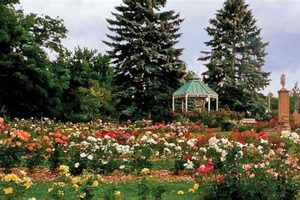
A curated collection of Rosa cultivars situated adjacent to a body of water, commonly a lake, creates a specialized horticultural display. Such a garden integrates the aesthetic appeal of flowering shrubs with the natural serenity of a waterside location. For example, a municipality might establish this type of garden as a public attraction, offering residents and visitors a place for recreation and appreciation of botanical beauty.
The presence of these floral arrangements near water features can yield several advantages. The proximity to the water source potentially simplifies irrigation efforts. Furthermore, the reflective properties of the lake may enhance the visual impact of the display, creating a more immersive and appealing environment. Historically, these gardens have been developed as integral components of estates and public parks, serving as focal points for leisure and social gatherings.
The subsequent sections will delve into the specific considerations for establishing and maintaining these botanical spaces, including soil composition, cultivar selection, pest management, and design principles. These elements are critical to ensuring the long-term health and aesthetic success of such a cultivated landscape.
Cultivation Strategies for Waterside Rosa Collections
This section presents essential strategies for the successful cultivation of Rosa cultivars in a lakeside setting. Adherence to these guidelines will optimize plant health, enhance floral displays, and ensure the long-term viability of such gardens.
Tip 1: Soil Amendment is Crucial. The soil in proximity to bodies of water often exhibits high moisture content and potentially poor drainage. Incorporate substantial quantities of organic matter, such as composted bark or well-rotted manure, to improve soil structure, aeration, and drainage capabilities. Conduct regular soil testing to determine pH levels and nutrient deficiencies, adjusting accordingly with appropriate amendments.
Tip 2: Select Disease-Resistant Cultivars. The humid microclimate near a lake can exacerbate fungal diseases, such as black spot and powdery mildew. Prioritize cultivars recognized for their inherent resistance to these common ailments. Consider Rosa varieties bred specifically for disease resilience to minimize the need for chemical intervention.
Tip 3: Implement Strategic Pruning Practices. Regular pruning is essential for maintaining plant vigor and promoting abundant flowering. Remove dead, diseased, or crossing canes promptly. Employ appropriate pruning techniques for the specific Rosa variety to encourage optimal bloom production and maintain desired plant shape.
Tip 4: Optimize Irrigation Management. While proximity to a lake provides access to water, it is crucial to avoid overwatering. Implement a well-drained planting system. Utilize drip irrigation or soaker hoses to deliver water directly to the root zone, minimizing foliar wetting and reducing the risk of fungal diseases. Monitor soil moisture levels to ensure adequate hydration without saturation.
Tip 5: Control Pests Vigilantly. Regularly inspect plants for signs of insect infestations, such as aphids, spider mites, or Japanese beetles. Implement integrated pest management (IPM) strategies, utilizing beneficial insects, horticultural oils, or insecticidal soaps as needed. Prompt intervention prevents widespread infestations and minimizes plant damage.
Tip 6: Provide Adequate Air Circulation. Planting Rosa cultivars with sufficient spacing promotes air circulation, reducing humidity and minimizing the risk of fungal diseases. Avoid overcrowding and prune surrounding vegetation to ensure adequate airflow around the plants.
Successful cultivation hinges on meticulous attention to detail, consistent monitoring, and proactive management practices. Implementing these strategies will foster a thriving collection of roses, adding significant aesthetic value to the lakeside environment.
The subsequent sections will focus on specific design considerations and the selection of complementary plant species to further enhance the overall aesthetic appeal of the waterside floral display.
1. Location's Microclimate

The microclimate of a lakeside location exerts a profound influence on the viability and aesthetic characteristics of a rose garden. This localized climatic condition, characterized by factors such as humidity, temperature fluctuations, and wind exposure, directly impacts plant health, disease susceptibility, and overall bloom quality. A waterside microclimate typically exhibits elevated humidity levels due to evaporative processes, potentially fostering fungal diseases like black spot and powdery mildew, which disproportionately affect certain Rosa cultivars. Similarly, temperature differentials between the land and the water body can create microclimatic zones that either accelerate or retard plant development, leading to asynchronous blooming patterns within the garden. For example, a rose garden situated on the leeward side of a lake may experience reduced wind exposure, resulting in a more stable temperature regime and reduced evapotranspiration stress, but potentially increasing the risk of fungal proliferation due to stagnant air.
Effective management of a waterside rose garden necessitates a thorough understanding of the prevailing microclimatic conditions. This understanding informs cultivar selection, planting location, and irrigation strategies. Selection of disease-resistant cultivars, such as those belonging to the ‘Knock Out’ series, is often crucial in high-humidity environments. Strategic planting locations can capitalize on favorable microclimatic conditions, such as positioning plants on elevated ground to improve drainage and air circulation. Implementing irrigation systems that minimize foliar wetting, such as drip irrigation, is essential for reducing the risk of fungal infections. Furthermore, windbreaks or strategically placed shrubs can mitigate the effects of excessive wind exposure, protecting delicate blooms from damage and reducing evapotranspiration rates. These interventions demonstrate the practical significance of microclimate analysis in optimizing the performance of a lakeside rose garden.
In conclusion, the localized climatic conditions near a water body significantly impact the health and appearance of roses. Awareness of a location’s microclimate enables informed decisions regarding cultivar selection, planting design, and ongoing maintenance practices. This knowledge is not merely academic but essential for cultivating a thriving and visually appealing floral display in a challenging lakeside environment. Addressing microclimatic concerns proactively mitigates potential problems and fosters long-term horticultural success.
2. Cultivar Suitability

The selection of appropriate Rosa cultivars constitutes a cornerstone of success for waterside floral installations. The unique environmental conditions inherent to these locations demand careful consideration of various cultivar characteristics to ensure plant health, longevity, and aesthetic appeal.
- Disease Resistance
Proximity to water sources often results in elevated humidity levels, creating an environment conducive to fungal diseases such as black spot, powdery mildew, and rust. Cultivars exhibiting inherent resistance to these pathogens are paramount. For example, ‘Knock Out’ roses are known for their robust disease resistance, making them a suitable choice for lakeside plantings where disease pressure is high. Failure to select resistant cultivars necessitates increased reliance on chemical treatments, potentially disrupting the local ecosystem and increasing maintenance costs.
- Tolerance to Soil Conditions
Soil composition near water bodies can vary significantly, ranging from poorly drained clay soils to sandy soils with limited nutrient retention. Cultivars capable of tolerating these specific soil conditions are essential. Rosa rugosa, for instance, demonstrates a high degree of tolerance to sandy, nutrient-poor soils, making it a viable option for certain waterside locations. Selecting cultivars incompatible with the prevailing soil conditions leads to stunted growth, nutrient deficiencies, and increased susceptibility to pests and diseases.
- Bloom Characteristics
The aesthetic impact of a waterside rose garden depends heavily on the bloom characteristics of the selected cultivars, including flower color, form, and fragrance. Consideration should be given to the overall design aesthetic and the desired visual effect. For instance, pastel-colored cultivars, such as those found in the ‘Iceberg’ family, can create a serene and harmonious atmosphere when planted near water. Conversely, vibrant, contrasting colors may provide a more dramatic and visually stimulating effect. Mismatched or clashing color schemes detract from the overall aesthetic appeal of the garden.
- Growth Habit and Size
The growth habit and mature size of Rosa cultivars must be carefully considered in relation to the available space and the overall design of the garden. Cultivars with vigorous, sprawling growth habits may require extensive pruning and management to prevent them from encroaching on neighboring plants or obstructing pathways. Conversely, cultivars that remain compact and well-behaved are often better suited for smaller gardens or formal settings. Failure to account for growth habit can result in overcrowding, reduced air circulation, and increased maintenance requirements.
The preceding facets highlight the crucial role of cultivar suitability in the creation and maintenance of successful waterside Rosa collections. Selecting cultivars that are well-adapted to the unique environmental conditions of a lakeside location is essential for ensuring plant health, longevity, and aesthetic success. The integration of disease-resistant varieties, soil-tolerant species, complementary bloom characteristics, and appropriately sized specimens ensures both the vitality of the plants and the visual appeal of the overall garden design. Neglecting these considerations can lead to horticultural challenges and a diminished aesthetic experience.
3. Soil Properties

Soil properties are paramount in establishing and sustaining thriving rose gardens situated near bodies of water. The inherent characteristics of the soil medium directly influence root development, nutrient availability, water retention, and drainage capabilities, thereby dictating the overall health and vigor of Rosa cultivars within the lakeside ecosystem.
- Drainage Capacity
The ability of the soil to effectively drain excess water is critical in preventing root rot and other moisture-related diseases that commonly afflict roses. Lakeside soils often exhibit poor drainage due to high water tables and the presence of clay particles. Inadequate drainage leads to anaerobic conditions, inhibiting root respiration and fostering the growth of harmful pathogens. Amending the soil with organic matter, such as composted bark or peat moss, improves drainage and aeration. The installation of drainage systems, such as French drains, may be necessary in areas with severely compacted or poorly draining soils. Soil saturation detrimentally impacts rose health.
- Nutrient Content and Availability
Roses are heavy feeders, requiring a balanced supply of essential nutrients for optimal growth and abundant flowering. Lakeside soils may lack sufficient levels of key nutrients, such as nitrogen, phosphorus, and potassium, or may contain these nutrients in forms that are not readily accessible to plants. Soil testing provides valuable information regarding nutrient deficiencies and pH imbalances. Amendments such as bone meal and well-rotted manure can address nutrient deficiencies. Maintaining an optimal pH range (typically between 6.0 and 6.5) ensures proper nutrient uptake by the plants. Nutrient imbalance compromises rose bloom potential.
- Soil Structure and Texture
The physical structure and texture of the soil influence root penetration, aeration, and water-holding capacity. Compacted soils restrict root growth and limit access to water and nutrients. Sandy soils, conversely, drain rapidly but retain minimal moisture. A loamy soil, characterized by a balanced mixture of sand, silt, and clay, provides an optimal environment for rose cultivation. Amending heavy clay soils with coarse sand and organic matter improves structure and aeration. Maintaining a crumbly soil structure promotes healthy root development and vigorous plant growth. Inadequate soil structure impedes rose development.
- Organic Matter Content
The presence of organic matter in the soil plays a vital role in enhancing soil fertility, improving water retention, and promoting beneficial microbial activity. Organic matter serves as a slow-release source of nutrients, improves soil structure, and buffers against pH fluctuations. Regular incorporation of compost, leaf mold, or other organic amendments enriches the soil and supports a healthy soil ecosystem. Soils lacking sufficient organic matter are less able to support vigorous rose growth and are more susceptible to nutrient deficiencies and water stress. Rose vitality benefits from healthy soil.
Therefore, careful assessment and management of soil properties are essential for the success of lakeside rose gardens. Addressing drainage issues, nutrient deficiencies, structural limitations, and organic matter depletion ensures a thriving root environment and promotes the long-term health and aesthetic appeal of the floral display. The discussed soil facets require management to optimize rose sustainability.
4. Water Management

Water management constitutes a critical factor influencing the success and longevity of any lakeside rose garden. The proximity to a body of water presents a dual challenge: ensuring adequate hydration while mitigating the risks associated with overwatering and excessive humidity. Improper water management practices directly contribute to the development of fungal diseases, such as black spot and powdery mildew, which commonly afflict Rosa cultivars. For instance, overhead irrigation, while seemingly efficient, wets the foliage, creating an environment conducive to fungal spore germination. Conversely, insufficient watering leads to drought stress, weakening the plants and rendering them more susceptible to pest infestations. The cause-and-effect relationship between water management and plant health is undeniable. The integration of efficient systems such as drip irrigation, which delivers water directly to the root zone, promotes optimal hydration without fostering foliar disease. Examples include the widespread adoption of drip systems in public rose gardens near lakes, showcasing marked improvements in plant vigor and a reduction in fungicide applications.
Beyond disease prevention, water management plays a crucial role in optimizing bloom production. Consistent and appropriate watering practices ensure that roses receive the necessary moisture to support flower development and prolonged blooming periods. Fluctuations in soil moisture levels, caused by irregular watering schedules, can induce bud drop and shorten the lifespan of individual blooms. Implementing soil moisture sensors provides real-time data on hydration levels, allowing for precise irrigation adjustments. In practice, this translates to a more visually appealing and floriferous rose garden throughout the growing season. Furthermore, sustainable water management practices minimize water waste and reduce the environmental impact of garden maintenance. Selecting drought-tolerant rose varieties reduces water consumption, aligning with environmentally responsible gardening principles.
In summary, effective water management is not merely a secondary consideration but an indispensable component of maintaining a healthy and aesthetically pleasing waterside rose garden. The careful balance between providing sufficient hydration and preventing moisture-related diseases is paramount. The practical significance of understanding the connection between water management and rose health cannot be overstated. Challenges such as fluctuating water levels and varying microclimates necessitate adaptive watering strategies. By prioritizing efficient irrigation systems, monitoring soil moisture levels, and selecting appropriate cultivars, the long-term success and beauty of the lakeside rose garden can be assured. This understanding links directly to the broader themes of sustainable gardening and environmental stewardship.
5. Pest Control

The management of pest populations constitutes a critical element in the sustainable cultivation of Rosa cultivars within lakeside settings. The unique environmental conditions inherent to these locations often exacerbate pest pressures, necessitating proactive and integrated pest management strategies to safeguard plant health and maintain aesthetic value.
- Increased Humidity and Pest Proliferation
Lakeside environments typically exhibit elevated humidity levels, creating a microclimate conducive to the proliferation of various rose pests. Aphids, spider mites, and Japanese beetles thrive in humid conditions, exhibiting accelerated reproductive cycles and increased feeding activity. The increased moisture also promotes fungal diseases that weaken plants, making them more susceptible to pest infestations. Consistent monitoring and preventative measures are essential to mitigate the impact of humidity-driven pest outbreaks. An untreated aphid infestation, for example, can decimate new growth and distort bloom formation, significantly diminishing the aesthetic quality of a lakeside rose display.
- Proximity to Natural Habitats
Lakeside gardens are often situated adjacent to or surrounded by natural habitats, increasing the likelihood of pest incursions from native insect populations. Herbivorous insects readily migrate from surrounding vegetation to cultivated roses, causing defoliation and transmitting diseases. The presence of standing water also provides breeding grounds for mosquitoes and other nuisance pests, potentially deterring visitors and diminishing the enjoyment of the garden. Effective pest management strategies must address both established infestations and ongoing risks of pest migration from adjacent habitats. Physical barriers, such as netting or row covers, can help to prevent pest access to susceptible plants.
- Integrated Pest Management (IPM) Strategies
Effective pest control in lakeside rose gardens necessitates the implementation of integrated pest management (IPM) strategies that prioritize non-chemical approaches. IPM involves a combination of cultural practices, biological controls, and targeted applications of selective pesticides only when necessary. Cultural practices include proper pruning, fertilization, and sanitation to promote plant health and reduce pest susceptibility. Biological controls involve the introduction of beneficial insects, such as ladybugs and lacewings, to prey on pest populations. Chemical controls should be used judiciously and only as a last resort, selecting pesticides with minimal environmental impact. A holistic IPM approach minimizes the risk of pesticide resistance and protects the health of beneficial organisms and the surrounding ecosystem.
- Impact on Water Quality
The use of pesticides in lakeside environments poses a potential threat to water quality and aquatic ecosystems. Pesticide runoff can contaminate surface water, harming fish and other aquatic organisms. It is essential to select pesticides that are non-toxic to aquatic life and to apply them carefully, avoiding overspray and drift. Implementing buffer zones around water bodies can help to prevent pesticide runoff. The responsible use of pesticides, coupled with alternative pest control methods, safeguards the health of the aquatic ecosystem and protects the long-term sustainability of the lakeside rose garden.
The interplay between pest control and the lakeside rose garden necessitates a comprehensive and environmentally conscious approach. Ignoring the specific pest pressures and ecological considerations inherent to these locations can lead to significant plant damage, diminished aesthetic appeal, and potential harm to the surrounding ecosystem. By adopting integrated pest management strategies and prioritizing sustainable practices, it is possible to cultivate thriving rose gardens while minimizing environmental impact.
6. Aesthetic Integration

Aesthetic integration, as applied to a lakeside rose garden, refers to the deliberate and harmonious blending of the cultivated floral display with the surrounding natural landscape. This integration is not merely decorative; it serves a functional purpose in enhancing the visual appeal of the garden while minimizing its environmental impact. Failure to achieve aesthetic integration can result in a discordant and visually jarring environment, diminishing the overall sensory experience and potentially disrupting local ecosystems. The selection of Rosa cultivars, for instance, must consider the existing color palette of the surrounding flora and fauna. Overly vibrant or clashing colors can detract from the natural beauty of the lakeside environment, whereas muted or complementary tones tend to blend seamlessly. A well-integrated garden evokes a sense of place and continuity, strengthening the connection between the cultivated space and the natural world.
Practical applications of aesthetic integration extend beyond color selection to encompass the layout and design of the garden. The use of natural materials, such as locally sourced stone or wood, in pathways and structures helps to create a cohesive and unified aesthetic. The incorporation of native plant species, alongside the Rosa cultivars, provides habitat for local wildlife and enhances the ecological diversity of the garden. Furthermore, the careful consideration of sightlines and vantage points ensures that the garden is viewed in its most favorable light, maximizing its visual impact and creating a sense of discovery and delight. The aesthetic decisions made in the creation of a lakeside rose garden have direct consequences for its visual appeal and ecological footprint.
Achieving effective aesthetic integration presents several challenges, including the need to balance the aesthetic preferences of the garden’s creators with the ecological realities of the lakeside environment. Maintaining a sense of naturalness while managing the intensive cultivation of roses requires careful planning and ongoing monitoring. Despite these challenges, the benefits of aesthetic integration are substantial. A well-integrated lakeside rose garden not only provides a visually stunning and sensory-rich experience but also serves as a model for sustainable gardening practices, demonstrating the possibility of harmonizing human design with the natural world. This understanding directly supports the broader themes of environmental stewardship and the appreciation of natural beauty.
Frequently Asked Questions
The following addresses common inquiries concerning the establishment and maintenance of Rosa cultivars in proximity to bodies of water.
Question 1: What are the primary challenges associated with cultivating roses near a lake?
Elevated humidity levels, fluctuating temperatures, and potential for soil saturation pose significant challenges. These conditions can exacerbate fungal diseases and impact root health.
Question 2: Are specific Rosa cultivars better suited for lakeside environments?
Yes. Disease-resistant varieties, such as those within the ‘Knock Out’ series, and species tolerant of varying soil moisture levels are generally preferred.
Question 3: How does proximity to water influence irrigation strategies?
Precise irrigation techniques, such as drip irrigation, are crucial to minimize foliar wetting and prevent overwatering, mitigating the risk of fungal diseases.
Question 4: What soil amendments are recommended for lakeside rose gardens?
Incorporating organic matter, such as composted bark or peat moss, enhances drainage and aeration, counteracting the potential for soil compaction and waterlogging.
Question 5: How is pest control managed responsibly in a lakeside rose garden?
Integrated pest management (IPM) strategies, emphasizing biological controls and targeted applications of selective pesticides, minimize environmental impact.
Question 6: What design considerations enhance the aesthetic integration of a rose garden with its lakeside surroundings?
The use of native plants, locally sourced materials, and complementary color palettes fosters visual harmony and minimizes ecological disruption.
Successful lakeside rose cultivation demands a proactive approach, addressing the specific environmental challenges through informed horticultural practices.
The next article section will delve into case studies of successful lakeside rose gardens, highlighting practical applications of the principles discussed herein.
lakeside rose garden
This exploration has underscored the complexities inherent in cultivating Rosa specimens within the unique parameters of a waterside environment. Critical factors, including microclimate considerations, cultivar selection, soil property management, strategic water distribution, proactive pest mitigation, and aesthetic coherence, collectively determine the long-term sustainability and visual impact of such installations. The interplay between these elements necessitates a meticulous and informed approach to ensure horticultural success.
The informed implementation of these principles is paramount. Sustainable beauty hinges upon a commitment to responsible horticultural practice, balancing the aesthetic aspirations of garden design with the ecological realities of the lakeside ecosystem. Continued research and application of these insights will contribute to the enduring legacy of thriving Rosa collections in these distinctive locations.

![Find Rose Garden Funeral Home Obituaries: [Location] Tributes | The Ultimate Gardening Guide: Grow a Thriving Garden Year-Round](https://MyGardenPatch.com/wp-content/uploads/2025/07/th-1895-300x200.jpg "Find Rose Garden Funeral Home Obituaries: [Location] Tributes The Ultimate Gardening Guide: Grow a Thriving Garden Year-Round")