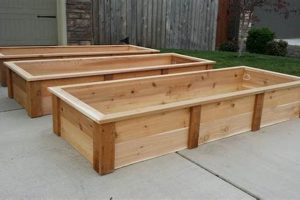
Controlling ant populations within elevated planting structures necessitates a multi-faceted approach, given the potential disruption these insects can cause to plant health and soil composition. Ants can indirectly harm plants by farming aphids, mealybugs, and other sap-sucking insects, while their tunneling activities can disturb roots and dry out the soil. Therefore, effective management focuses on eliminating the colony and preventing future infestations.
Maintaining the integrity of the raised bed ecosystem is paramount for successful gardening. An uncontrolled ant infestation can lead to reduced crop yields, increased pest pressure from other insects, and potentially damage to the structural components of the bed itself. Historically, gardeners have employed various methods, from natural repellents to chemical treatments, to mitigate the impact of ants on their cultivated spaces. A holistic strategy, however, proves most sustainable in the long run, balancing pest control with environmental stewardship.
Effective ant management in this specific garden environment encompasses several key strategies. These include employing non-toxic deterrents, utilizing physical barriers, and, when necessary, resorting to targeted insecticide applications. Further, understanding ant behavior and the conditions that attract them to raised beds is crucial for preventing re-infestation and maintaining a healthy garden.
Strategies for Ant Control in Raised Garden Beds
The following strategies offer effective methods for managing ant populations within raised garden beds, promoting a healthy and productive growing environment.
Tip 1: Employ Diatomaceous Earth (DE): Food-grade diatomaceous earth, composed of fossilized algae, acts as a desiccant, damaging the exoskeletons of ants and leading to dehydration. Apply a thin layer around plants and along ant trails, ensuring to reapply after rainfall or watering.
Tip 2: Utilize Boric Acid Baits: Create a bait by mixing boric acid with a sweet substance like sugar or honey. Place the bait near ant trails; the ants will carry the mixture back to the colony, effectively poisoning the entire population. Use low concentrations of boric acid to ensure ants are not immediately killed, allowing time to return to the colony.
Tip 3: Introduce Beneficial Nematodes: Certain species of nematodes are parasitic to insects, including ants. Introduce these microscopic worms into the soil of the raised bed. They will seek out and infect ant larvae and pupae, reducing the colony’s population.
Tip 4: Apply Citrus Oil: Citrus oil, particularly lemon or orange oil, acts as a natural repellent. Dilute the oil with water and spray directly onto ant trails and around the base of plants. The strong scent disrupts the ants’ pheromone trails, discouraging them from returning.
Tip 5: Plant Ant-Repelling Herbs: Incorporate herbs known to repel ants, such as peppermint, spearmint, tansy, and rosemary, around the perimeter of the raised bed. These herbs release natural compounds that deter ants from entering the area.
Tip 6: Improve Soil Drainage: Ants often thrive in overly moist soil. Improving drainage by amending the soil with compost or other organic matter can make the raised bed less hospitable to ant colonies.
Tip 7: Disrupt Ant Trails: Regularly disrupt ant trails by sweeping, washing away with water, or disturbing the soil where they are prevalent. This disrupts their pheromone trails and hinders their ability to navigate to food sources.
The implementation of these strategies, either individually or in combination, can effectively manage ant infestations in raised garden beds, promoting a healthier and more productive garden environment. Consistent monitoring and proactive intervention are crucial for long-term control.
These control methods should be integrated into an overall garden management plan to promote a balanced ecosystem and minimize the potential for pest problems.
1. Identify ant species

Effective implementation of strategies to manage ant infestations within a raised garden bed hinges significantly on accurate identification of the ant species present. Different ant species exhibit varying behaviors, nesting habits, and dietary preferences, impacting the efficacy of control methods. For example, pavement ants (Tetramorium caespitum) are often found nesting under stones and paving, requiring different bait placement strategies compared to carpenter ants (Camponotus spp.), which nest within wood and may indicate a structural problem with the raised bed itself. Misidentification can lead to the application of inappropriate treatments, resulting in ineffective pest control and potentially exacerbating the infestation.
Knowing whether the ants are primarily protein-seeking or sugar-seeking directly influences the choice of bait used. Protein-seeking ants, such as Argentine ants (Linepithema humile), will be more attracted to protein-based baits, while sugar-seeking ants will be drawn to sugary solutions. Correct identification also informs decisions regarding the necessity of professional pest control intervention. Some species, like fire ants (Solenopsis invicta), pose a stinging hazard and require specialized treatment due to their aggressive nature and extensive colony size. Observing ant characteristics, such as size, color, and presence of spines or nodes on their bodies, helps in utilizing field guides or consulting with local agricultural extension offices for accurate identification.
In conclusion, identifying the ant species is not merely an academic exercise but a practical imperative for achieving successful ant management in raised garden beds. This knowledge underpins the selection of appropriate treatment methods, optimizes bait placement, and informs decisions regarding the need for professional assistance, ultimately leading to a healthier and more productive garden. Failure to accurately identify the species can result in wasted resources, ineffective pest control, and continued damage to plants and the raised bed structure.
2. Eliminate food sources
The presence of readily available food sources directly contributes to ant infestations within raised garden beds. Ants, as social insects, establish colonies near areas where they can reliably obtain sustenance. This sustenance typically comprises sugars, proteins, and fats, often sourced from garden pests such as aphids and mealybugs, plant nectaries, decaying organic matter, and improperly stored compost. Therefore, eliminating these attractants is a foundational step in achieving effective ant control; neglecting this aspect renders other control measures less effective.
The interdependency between ants and sap-sucking insects highlights the importance of integrated pest management. Ants actively protect aphids and mealybugs from predators in exchange for honeydew, a sugary excretion. Addressing aphid and mealybug infestations reduces the ants’ primary food source, diminishing the attractiveness of the raised bed. Furthermore, maintaining clean garden practices, such as promptly removing fallen fruit and vegetable debris and properly storing compost away from the raised bed, deprives ants of alternative food options. These proactive measures contribute significantly to long-term ant control by reducing the incentive for colonies to establish themselves within the garden.
In summary, eliminating food sources represents a critical component of any comprehensive ant management strategy for raised garden beds. By reducing or removing readily available food sources, the attractiveness of the raised bed to ants diminishes, enhancing the effectiveness of other control methods and promoting a healthier garden ecosystem. This approach demands a commitment to diligent garden maintenance, integrated pest management, and a holistic understanding of the factors that contribute to ant infestations. Failure to address this key element will inevitably lead to recurring ant problems and hinder the long-term success of gardening endeavors.
3. Disrupt colony location

Disrupting colony location is a fundamental strategy in ant management within raised garden beds. The approach aims to force ant colonies to relocate, thereby removing their presence and impact from the immediate vicinity of cultivated plants. This tactic, when implemented effectively, diminishes the ants’ ability to access food sources, protect sap-sucking insects, and disturb the soil structure within the raised bed.
- Physical Barriers
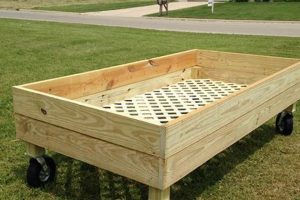
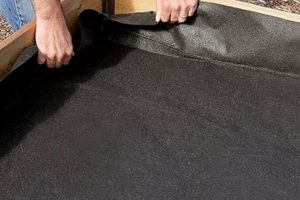
Installing physical barriers around or beneath the raised bed restricts ant access and prevents colony establishment. Examples include lining the base of the bed with fine mesh or applying sticky barriers to the legs of the structure. This tactic is most effective when implemented during the construction of the raised bed or during a complete soil replacement. The long-term implication is reduced ant pressure and the protection of plant roots from disruption.
- Soil Disturbance
Regularly disturbing the soil within the raised bed discourages ants from establishing colonies. Ants prefer stable, undisturbed environments for nesting. Tilling or turning the soil periodically disrupts ant tunnels and forces them to expend energy on rebuilding their nests. The impact is twofold: it physically disrupts the colony and reduces the attractiveness of the raised bed as a nesting site. However, excessive soil disturbance can also negatively impact beneficial soil organisms, so moderation is advised.
- Water Saturation
Saturating the soil with water can flood ant nests and force relocation. Ants require dry, well-drained environments for their colonies. Excessive watering, especially if combined with poor drainage, can make the raised bed inhospitable. This method is most effective against shallow-nesting ant species. The consequence of water saturation is the physical displacement of the colony and the potential drowning of ant larvae and pupae.
- Repellent Application
Applying ant repellents to the soil or surrounding areas can deter ants from establishing colonies in the raised bed. Natural repellents, such as diatomaceous earth or citrus oil, can disrupt ant pheromone trails and make the area less attractive. The application of repellents provides a chemical or physical barrier that discourages nesting. However, the effectiveness of repellents can vary depending on the ant species and environmental conditions, requiring periodic reapplication.
These methods, when combined with other strategies, offer a comprehensive approach to ant control in raised garden beds. The successful disruption of colony location relies on an understanding of ant behavior, persistent effort, and the integration of various techniques to create an environment less conducive to ant habitation. Ultimately, this contributes to the health and productivity of the garden by minimizing the negative impacts of ant infestations.
4. Apply targeted treatments

The implementation of targeted treatments represents a critical phase in ant management within raised garden beds, necessitating a precise and deliberate approach. This strategy distinguishes itself from broad-spectrum methods by focusing on the direct elimination of ant colonies while minimizing potential harm to beneficial organisms and the surrounding environment. Targeted treatments aim to exploit specific vulnerabilities in ant behavior or physiology, ensuring maximum efficacy with minimal collateral damage.
- Bait Application
The strategic deployment of ant baits is a cornerstone of targeted treatments. Baits consist of a slow-acting insecticide combined with an attractant food source. Ants consume the bait and transport it back to the colony, disseminating the toxin throughout the population, including the queen. The key lies in selecting the correct bait formulation based on the ant species’ dietary preferences (e.g., sugar-based for sugar-loving ants, protein-based for protein-loving ants) and ensuring the bait is readily accessible to the ants while protected from non-target organisms. Improper bait placement or formulation can result in ineffective control and potential harm to the ecosystem.
- Direct Nest Treatment
When the ant nest location is identifiable, direct nest treatment offers a rapid and effective solution. This involves applying an insecticide directly into the nest entrance or injecting it into the colony’s tunnels. Insecticides used for direct nest treatment are typically fast-acting and formulated to penetrate the nest structure, reaching the queen and other colony members. However, careful consideration must be given to the type of insecticide used to avoid contaminating the surrounding soil or harming plant roots. This approach requires meticulous application and an understanding of ant colony structure to ensure complete elimination.
- Localized Insecticide Application
Localized insecticide applications target specific areas where ant activity is concentrated, such as along ant trails or around plant bases. This method minimizes the overall use of insecticides by focusing only on areas of infestation. Insecticides used for localized application are typically contact poisons that kill ants upon direct exposure. However, it’s crucial to select insecticides that are safe for use around edible plants and to follow application instructions carefully to avoid harming beneficial insects or contaminating produce. Regular monitoring and reapplication may be necessary to maintain control.
- Using Boric Acid
Boric acid, a naturally occurring compound, serves as a key component in targeted ant treatments. When used in low concentrations and mixed with an attractant like sugar or honey, boric acid acts as a slow-acting poison that ants carry back to the colony. The ants ingest the boric acid during grooming and food sharing, leading to dehydration and eventual death. Boric acid’s low toxicity to mammals makes it a safer alternative to some synthetic insecticides. However, care should be taken to prevent access by children and pets. Proper mixing and placement of boric acid baits are essential for effective ant control.
The successful application of targeted treatments necessitates accurate identification of ant species, selection of appropriate control methods, and diligent monitoring of results. These treatments, when implemented correctly, offer an environmentally responsible approach to ant management in raised garden beds, minimizing the potential for harm to non-target organisms and the ecosystem. Ultimately, a well-executed targeted treatment strategy contributes to a healthy and productive garden environment by effectively eliminating ant infestations and preventing their recurrence.
5. Prevent future infestations
Preventing future ant infestations in raised garden beds constitutes a critical extension of initial control measures. Eradicating an existing ant colony provides only temporary relief if underlying conditions that attract ants persist. Implementing preventative strategies ensures long-term protection of plants and maintenance of a balanced garden ecosystem.
- Maintain Consistent Moisture Levels
Ants frequently seek nesting sites in environments with stable moisture levels. Consistent watering practices, avoiding both excessive saturation and prolonged dryness, discourage ant colonization. Utilizing soaker hoses or drip irrigation delivers water directly to plant roots, reducing surface moisture that attracts ants. Proper soil drainage is also essential to prevent water accumulation and subsequent ant habitation.
- Regularly Remove Plant Debris and Decaying Matter
Decomposing organic material serves as a food source and nesting habitat for ants. Regularly removing fallen leaves, dead plant matter, and overripe fruits or vegetables from the raised bed and surrounding area minimizes the availability of these resources. Compost piles should be located away from the garden bed and maintained in a manner that prevents ant access. This reduces the attractiveness of the garden to potential ant colonies.
- Monitor and Control Sap-Sucking Insects
Ants cultivate relationships with sap-sucking insects such as aphids, mealybugs, and scale, protecting them from predators in exchange for honeydew, a sugary excretion. Implementing integrated pest management strategies to control these insects reduces the ants’ primary food source. Introducing beneficial insects, using insecticidal soap, or applying horticultural oils effectively manages sap-sucking insect populations, thereby discouraging ant presence.
- Employ Physical Barriers and Repellents Proactively
Proactively deploying physical barriers and ant repellents helps prevent new colonies from establishing in the raised bed. Applying diatomaceous earth around the base of plants or creating barriers with copper tape can deter ant entry. Planting ant-repellent herbs, such as mint or tansy, around the perimeter of the bed can also discourage ant activity. These methods create a less hospitable environment for ants, reducing the likelihood of future infestations.
The implementation of these preventative measures reinforces the effectiveness of initial ant control efforts. By addressing the underlying factors that attract ants to raised garden beds, gardeners can create a less hospitable environment, reducing the likelihood of future infestations and promoting a healthy and productive garden. A proactive approach to ant prevention is essential for long-term garden management.
6. Maintain garden hygiene

Sustained garden hygiene plays a pivotal role in managing ant populations within raised garden beds. The cleanliness of the garden environment directly influences the availability of food sources and suitable nesting sites for ants, thereby affecting the likelihood of infestation and the efficacy of control measures.
- Removal of Decaying Organic Matter
Decomposing plant material, fallen fruits, and vegetable scraps provide a readily accessible food source for many ant species. Regular removal of this organic waste deprives ants of sustenance, discouraging colony establishment and proliferation within the raised garden bed. The consistent elimination of decaying matter minimizes the attractiveness of the environment, reducing the incentive for ants to forage and nest in the area.
- Control of Sap-Sucking Insects
Ants often establish symbiotic relationships with sap-sucking insects such as aphids, mealybugs, and scale, protecting them from predators in exchange for honeydew, a sugary excrement. Maintaining control over these pest populations reduces the availability of this honeydew, diminishing the ants’ primary food source. Integrated pest management strategies, including the introduction of beneficial insects and the application of horticultural oils, effectively manage sap-sucking insect populations and, consequently, ant presence.
- Proper Compost Management
Improperly managed compost piles can attract ants seeking food and nesting sites. Compost should be contained in designated bins or enclosed areas located away from the raised garden bed. Regularly turning and maintaining appropriate moisture levels in the compost discourages ant infestation. Preventing ant access to compost piles minimizes the risk of them spreading into the garden bed in search of additional resources.
- Weed Control and Soil Management
Weeds can provide shelter and alternative food sources for ants. Consistent weed removal eliminates these habitats and reduces the overall attractiveness of the garden bed. Furthermore, proper soil management practices, such as amending with organic matter and ensuring adequate drainage, create an environment less conducive to ant nesting. Maintaining a clean and well-managed soil structure discourages ant colony establishment.
In summation, maintaining diligent garden hygiene represents a proactive and essential component of ant management in raised garden beds. By minimizing food sources, eliminating nesting sites, and promoting a clean and well-maintained environment, the likelihood of ant infestation is significantly reduced, contributing to the overall health and productivity of the garden. Neglecting garden hygiene undermines other control measures and increases the probability of recurring ant problems.
7. Monitor plant health
Consistent monitoring of plant health serves as an early detection system for ant-related issues within raised garden beds. Ants, while not directly feeding on plants in many cases, establish symbiotic relationships with sap-sucking insects such as aphids, mealybugs, and scale. These insects, in turn, extract vital nutrients from plants, leading to stunted growth, discoloration, leaf deformation, and reduced yields. The presence of ants, therefore, frequently indicates an underlying infestation of these sap-sucking pests, and observable decline in plant vigor acts as a signal that intervention is required. For instance, the curling of leaves on tomato plants coupled with the presence of ants warrants close inspection for aphids, triggering targeted ant control measures focused on eliminating the aphid population, thereby indirectly mitigating the ant problem. Without consistent observation, subtle signs of plant distress might be overlooked, allowing both the sap-sucking insect population and the ant colony to expand, leading to more significant damage and requiring more extensive interventions later.
Furthermore, the physical activity of ants can directly impact plant health. Ant tunneling can disturb root systems, reducing the plants’ ability to absorb water and nutrients. This is particularly problematic for young seedlings and transplants with underdeveloped root structures. Monitoring plant stability and observing soil disturbance around the base of plants can reveal ant tunneling activity. Moreover, certain ant species construct nests at the base of plants, disrupting soil aeration and drainage, contributing to root rot and other soilborne diseases. Therefore, actively monitoring plant health extends beyond visual inspection for pests; it encompasses assessing root health, soil structure, and overall plant stability, providing a more holistic understanding of the ant-related issues affecting the raised garden bed. A plant exhibiting signs of wilting despite adequate watering, coupled with noticeable ant activity around the base, suggests root disturbance requiring immediate attention.
In conclusion, diligent monitoring of plant health is not merely a supplementary task but an integral component of effective ant management in raised garden beds. It provides an early warning system for ant-related problems, allowing for timely intervention before significant damage occurs. This proactive approach, encompassing visual inspection for pests, assessment of root health, and observation of soil structure, enables gardeners to implement targeted control measures that address the root cause of the issue, thereby promoting a healthy and productive garden ecosystem. Overlooking plant health monitoring can lead to undetected infestations and increased dependence on reactive control measures, ultimately hindering long-term garden sustainability.
Frequently Asked Questions
The following questions address common concerns and misconceptions regarding ant management within raised garden bed environments.
Question 1: What attracts ants to raised garden beds in the first place?
Ants are attracted to raised garden beds primarily by the presence of food sources, such as sap-sucking insects (aphids, mealybugs) that produce honeydew, decaying organic matter, and moisture. The sheltered environment within a raised bed also provides an ideal nesting location.
Question 2: Are ants directly harmful to plants in a raised garden bed?
While ants do not typically consume plant tissue directly, they can indirectly harm plants by protecting and farming sap-sucking insects. Their tunneling activity can also disturb plant roots and alter soil structure, affecting water drainage and nutrient uptake.
Question 3: Is it necessary to completely eliminate ants from a raised garden bed, or is some level of coexistence acceptable?
Complete elimination is often not necessary or even desirable, as some ant species can contribute to soil aeration and decomposition. However, when ant populations become excessive or their activities negatively impact plant health, control measures are warranted.
Question 4: What are some environmentally friendly methods for controlling ants in a raised garden bed?
Environmentally friendly methods include applying diatomaceous earth, using boric acid baits, introducing beneficial nematodes, employing citrus oil repellents, and planting ant-repelling herbs.
Question 5: How frequently should control measures be applied to maintain an ant-free raised garden bed?
The frequency of application depends on the severity of the infestation, the control methods used, and environmental conditions. Regular monitoring of ant activity and plant health is essential to determine the appropriate application schedule.
Question 6: Can using insecticides in a raised garden bed contaminate the soil or plants?
Yes, the use of insecticides carries the potential for soil and plant contamination. It is crucial to select insecticides specifically labeled for use around edible plants and to follow all application instructions carefully to minimize risks. Opting for organic or natural control methods is often a safer alternative.
Effective ant management in raised garden beds requires a comprehensive approach that addresses both the symptoms (ant infestations) and the underlying causes (food sources, nesting sites). Integrating preventative measures with targeted control strategies is key to long-term success.
The next section provides a summary of actionable steps to ensure a pest-free raised garden bed.
Conclusion
The preceding analysis has detailed a comprehensive strategy for ant management within raised garden bed environments. From identifying ant species and eliminating food sources to disrupting colony locations and employing targeted treatments, the outlined methods provide a framework for mitigating the impact of these insects. Sustained success relies upon vigilant monitoring of plant health and consistent maintenance of garden hygiene to prevent future infestations.
Effective pest management represents an ongoing commitment to ecological balance within the garden. Consistent application of the outlined strategies, tailored to specific conditions and ant species, is paramount. The integration of these methods contributes to a thriving garden ecosystem, ensuring the vitality of cultivated plants and long-term productivity.