The challenge of safeguarding cultivated areas from cervids, commonly known as deer, is a frequent concern for horticulturists and landowners. The primary objective involves implementing strategies that discourage these animals from consuming or damaging plants within a designated garden space.
Protecting a garden from deer offers numerous advantages, including preserving aesthetic value, ensuring the health and productivity of plants, and preventing economic losses associated with damaged crops. Historically, various methods have been employed, ranging from physical barriers to scent-based repellents, reflecting ongoing efforts to coexist with wildlife while maintaining agricultural and horticultural interests.
Effective deer deterrence can be achieved through a combination of methods, including physical barriers, the use of repellent substances, and the selection of deer-resistant plant species. Further discussion will elaborate on each of these techniques, providing practical guidance for implementing a comprehensive deer management strategy.
Strategies for Cervid Deterrence in Horticultural Settings
Effective management of deer populations within garden environments requires a multifaceted approach. The following strategies offer practical solutions for mitigating deer-related damage and preserving plant life.
Tip 1: Physical Barriers. Install fencing that is at least eight feet tall to prevent deer from jumping into the garden area. Consider electric fencing as a supplementary deterrent, particularly in areas with high deer pressure.
Tip 2: Repellent Application. Utilize commercially available deer repellents containing ingredients such as putrescent egg solids, garlic, or capsaicin. Apply repellents regularly, especially after rainfall, to maintain efficacy.
Tip 3: Plant Selection. Choose plant species that deer are less likely to consume. Examples include plants with strong scents, thorny textures, or toxic compounds. Research local deer browsing preferences to inform planting decisions.
Tip 4: Motion-Activated Sprinklers. Deploy motion-activated sprinkler systems to startle deer and discourage them from entering the garden. Position sprinklers strategically to cover vulnerable areas.
Tip 5: Scent Deterrents. Place bags of human hair or bars of strongly scented soap around the garden perimeter. These scents can mimic the presence of humans and deter deer from approaching.
Tip 6: Companion Planting. Incorporate plants known to repel deer, such as marigolds, lavender, or mint, among susceptible plants. The strong scents of these companion plants can mask the attractiveness of nearby vegetation.
Tip 7: Noise Deterrents. Employ devices that emit ultrasonic sounds or sudden noises when deer are detected. These devices can create an unpleasant environment that discourages deer from lingering in the garden.
Implementing these strategies can significantly reduce deer browsing and protect valuable plants. Consistent application and adaptation to local deer behavior are crucial for long-term success.
Consider integrating these techniques into a comprehensive garden management plan for optimal deer deterrence.
1. Fencing

Fencing represents a primary physical barrier method employed in safeguarding gardens from deer. Its effectiveness is directly proportional to its design, construction, and maintenance, serving as a crucial element in deer management strategies.
- Height and Material Considerations
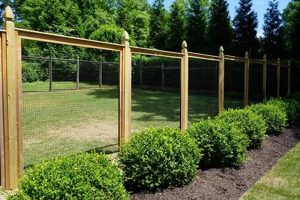
The primary function of a deer fence is to impede access based on height and material. A standard recommendation is a fence at least eight feet tall, as deer are capable of jumping considerable heights. Materials range from woven wire mesh to polypropylene netting. The selection must consider the deer population’s pressure and the landscape’s aesthetic requirements.
- Fence Design and Configuration
Beyond simple perimeter fencing, innovative designs can enhance efficacy. Slanted fencing, where the fence angles outward, increases the perceived barrier height. Multi-strand electric fences, properly grounded, deliver a deterrent shock. The configuration should account for terrain irregularities and potential entry points.
- Installation and Maintenance
Proper installation is essential for the longevity and effectiveness of a fence. Posts must be deeply anchored to withstand deer impact and environmental stresses. Regular maintenance involves checking for breaches, repairing damaged sections, and ensuring the fence remains taut and upright. Neglecting maintenance compromises the barrier’s integrity.
- Integration with Other Deterrents
Fencing’s effectiveness can be amplified when used in conjunction with other deterrent methods. A lower fence combined with motion-activated sprinklers or repellent applications creates a multi-layered defense. This integrated approach addresses deer behavior from multiple angles, reducing the likelihood of successful browsing.
The implementation of a well-designed, properly installed, and diligently maintained fence system significantly contributes to mitigating deer damage in gardens. While fencing presents an upfront investment, its long-term benefits in plant preservation and reduced maintenance efforts justify its role as a cornerstone deer management strategy.
2. Repellents

The application of repellents forms a significant component in deer management within horticultural settings. The connection between repellents and maintaining a deer-free garden stems from their capacity to deter deer through olfactory, gustatory, or visual means. Repellents function by creating an undesirable environment, influencing deer to seek alternative food sources elsewhere. The effectiveness of repellents is directly related to their active ingredients, method of application, and environmental conditions.
Specific examples of effective repellent ingredients include putrescent egg solids, capsaicin, garlic, and predator urine. These substances trigger avoidance behaviors in deer. Application methods vary, ranging from liquid sprays to granular formulations. The selection of an appropriate repellent and its consistent application are critical. Environmental factors, such as rainfall, can reduce repellent efficacy, necessitating frequent reapplication. The integration of multiple repellent types, alternating them periodically, can also prevent habituation.
In summary, repellents offer a non-lethal approach to mitigating deer browsing. Their successful deployment relies on informed selection, diligent application, and an understanding of local deer behavior. While repellents may not provide absolute protection, they constitute a valuable tool within a comprehensive de
er management strategy, particularly when combined with physical barriers and habitat modification techniques. Addressing the inherent challenges associated with repellent use, such as the need for regular reapplication, is essential for sustained efficacy.
3. Plant Selection

Plant selection significantly influences the effectiveness of deer management strategies within gardens. The inherent palatability of specific plant species directly determines their vulnerability to deer browsing. Utilizing a principle of avoidance, deliberate plant selection strategies can reduce deer attraction and subsequent damage.
The incorporation of deer-resistant plants into garden designs serves as a passive deterrent. Species exhibiting strong scents (e.g., lavender, sage), coarse textures (e.g., ornamental grasses), or toxic compounds (e.g., daffodils, foxglove) are typically less appealing to deer. Examples demonstrating this principle include the substitution of hostas (highly palatable) with ferns (deer-resistant) in shaded areas, or the inclusion of heavily scented herbs near vulnerable vegetable patches. Local extension services or horticultural societies provide regionally specific lists of deer-resistant plants, offering practical guidance tailored to local deer browsing preferences.
Strategic plant selection constitutes a proactive and sustainable approach to deer management. While not a guarantee of complete protection, the thoughtful integration of deer-resistant species minimizes browsing pressure and contributes to the overall health and aesthetic appeal of the garden. Combining plant selection with other methods, such as fencing or repellents, provides a comprehensive defense against deer damage, addressing both plant vulnerability and deer behavior.
4. Motion Detectors

Motion detectors, when integrated into a comprehensive deer management strategy, serve as a proactive tool for deterring deer from entering garden areas. Their effectiveness lies in their ability to trigger immediate, aversive stimuli upon detecting animal movement, thus creating an unwelcome environment.
- Activation of Sprinkler Systems
Motion detectors can be connected to sprinkler systems, delivering a sudden burst of water when deer approach. This unexpected shower startles the animals, often causing them to retreat from the area. The strategic placement of these systems can protect vulnerable plants and establish a learned avoidance behavior in deer populations.
- Triggering of Audible Deterrents
Motion detectors can activate devices that emit loud noises or ultrasonic sounds. While deer may habituate to constant noises, sudden, unexpected sounds can be effective in deterring them. The specific sound and volume should be adjusted to maximize deterrent effect while minimizing disturbance to neighbors.
- Illumination of Garden Areas
Motion-activated lights can startle deer, particularly at night. The sudden illumination disrupts their nocturnal foraging patterns, discouraging them from lingering in the garden. Bright, wide-beam lights are generally more effective than dim, focused beams.
- Integration with Security Systems
Advanced motion detection systems can be integrated with existing home security systems. This allows for remote monitoring and notification of deer activity, providing valuable information for adjusting deer management strategies. The data collected can inform decisions about repellent application, fencing adjustments, or other deterrent measures.
The successful implementation of motion detectors requires careful consideration of placement, sensitivity settings, and integration with other deterrent methods. While motion detectors alone may not provide complete protection, they represent a valuable component in a multi-faceted approach to mitigating deer damage in gardens.
5. Scent Barriers

Scent barriers, as a component within a comprehensive deer management strategy, aim to deter deer through olfactory means. These barriers function on the principle that deer possess a highly developed sense of smell, making them susceptible to odors perceived as unpleasant or indicative of danger. The establishment of scent barriers influences deer behavior, discouraging them from entering treated areas, thereby contributing to plant preservation.
The effectiveness of scent barriers relies on the strategic deployment of various scent-based repellents. Common materials include human hair, strong-smelling soaps, garlic-based sprays, and commercially available deer repellents containing putrescent egg solids or predator urine. For example, hanging mesh bags filled with human hair around the perimeter of a garden introduces the scent of humans, a perceived threat. Similarly, scattering soap bars releases volatile organic compounds, creating an olfactory distraction or deterrent. The regular replenishment and rotation of scents are essential to prevent habituation. Furthermore, scent barriers are often more effective when used in conjunction with other deterrent methods, such as physical barriers or visual deterrents, creating a layered defense against deer encroachment.
In summary, scent barriers present a non-lethal and often cost-effective approach to mitigating deer damage. Their successful implementation hinges on consistent application, strategic placement, and the selection of appropriate scent repellents. While not offering guaranteed protection against determined deer, scent barriers contribute significantly to an integrated deer management plan, reducing browsing pressure and protecting valuable plants within horticultural settings.
6. Netting

Netting, as a physical barrier, provides a direct means of protecting individual plants or entire garden sections from deer browsing. Its effectiveness stems from its ability to create a physical obstruction, preventing deer from accessing foliage, fruits, and vegetables. The choice of netting material, mesh size, and installation method directly influences its success in preventing deer damage and supporting overall plant health.
Specific applications of netting include draping it over vulnerable shrubs, constructing enclosures around vegetable gardens, and utilizing tree netting to safeguard young saplings. Examples demonstrating its practical significance include protecting fruit trees from deer depredation, which ensures harvest yields, and preserving ornamental plants, which maintains aesthetic value. The deployment of netting necessitates careful consideration of mesh size; it must be small enough to exclude deer while allowing adequate sunlight and airflow to reach the plants. Proper anchoring is crucial to prevent deer from lifting or circumventing the netting. Netting also minimizes the need for chemical repellents, aligning with environmentally conscious gardening practices.
In summary, netting serves as a tangible and readily deployable solution within a holistic deer management
program. Its application directly addresses the problem of deer browsing by creating a physical barrier. While the initial investment and installation require effort, the sustained protection and reduced reliance on other deterrents justify its role in mitigating deer-related damage within horticultural settings. Continued innovation in netting materials and installation techniques promises further enhancements to its effectiveness and user-friendliness.
7. Habitat Modification

Habitat modification, as a deer management strategy, directly influences the attractiveness of a garden environment to deer. The underlying principle involves altering landscape features to reduce the availability of food, water, and shelter, thereby diminishing the garden’s appeal and encouraging deer to seek resources elsewhere. This approach addresses the root causes of deer intrusion rather than merely treating the symptoms.
Implementing habitat modification techniques encompasses several practical measures. Removing or limiting access to favored food sources, such as highly palatable ornamental plants, reduces the incentive for deer to enter the garden. Clearing dense vegetation, like brush piles and overgrown shrubs, eliminates potential bedding sites and reduces the sense of security that attracts deer. Ensuring adequate drainage minimizes standing water, which can serve as a water source. Examples include replacing susceptible plants with deer-resistant varieties, thinning dense shrubbery, and installing proper irrigation systems. These actions collectively contribute to creating a less inviting habitat for deer. Furthermore, coordinating habitat modification efforts with neighboring properties can amplify the benefits, creating a broader zone of reduced deer attraction.
In conclusion, habitat modification represents a proactive and sustainable method for deterring deer. Its effectiveness lies in altering the underlying environmental factors that attract deer, making it a valuable component within a comprehensive deer management plan. While habitat modification requires a commitment to long-term changes, the reduced reliance on other, more intensive deterrent methods justifies its role in safeguarding gardens from deer browsing. Combining habitat modification with other strategies, such as fencing and repellent use, maximizes the overall effectiveness of deer control efforts.
Frequently Asked Questions
The following questions address common concerns regarding the implementation of strategies aimed at deterring deer from cultivated areas. The responses provide concise information to aid in effective deer management.
Question 1: What is the most effective method for preventing deer from entering a garden?
A physical barrier, such as a fence at least eight feet tall, provides the most reliable form of deer exclusion. The fence’s design should prevent both jumping and penetration.
Question 2: How frequently should deer repellents be applied?
Deer repellents require reapplication every 2-4 weeks, or more frequently following rainfall. The specific product label provides application guidelines.
Question 3: Do ultrasonic devices effectively deter deer?
The effectiveness of ultrasonic devices is variable. Some deer may initially be deterred, but habituation often occurs over time. These devices are typically more effective when used in conjunction with other deterrent methods.
Question 4: Are there specific plant species that deer consistently avoid?
Deer tend to avoid plants with strong fragrances, coarse textures, or toxic compounds. Local extension services offer comprehensive lists of deer-resistant plants specific to regional deer browsing preferences.
Question 5: How can motion-activated sprinklers best be utilized to deter deer?
Motion-activated sprinklers should be strategically placed to cover vulnerable areas. Adjust sensitivity settings to minimize false triggers while maximizing deterrent effect. Regular maintenance ensures proper functionality.
Question 6: Is it necessary to rotate deer repellent products?
Rotating repellent products with different active ingredients can help prevent deer from habituating to a single scent or taste. This practice enhances the long-term efficacy of repellent strategies.
Effective deer management involves a combination of strategies tailored to the specific environment and deer behavior. No single method guarantees complete protection; an integrated approach yields the best results.
Further information regarding specific deer management techniques is available through local agricultural extension offices and horticultural societies.
Conclusion
This exploration of how do I keep deer away from my garden has presented a range of strategies, from physical barriers and repellent applications to plant selection and habitat modification. Each approach offers varying degrees of efficacy, and their successful implementation often hinges on a combination of techniques tailored to specific environmental conditions and deer behavior patterns.
Effective deer management requires sustained vigilance and adaptation. By understanding the principles underlying each deterrent method and consistently applying them, property owners can mitigate deer browsing and protect their cultivated areas. Continued research and innovation in deer management techniques promise further advancements in safeguarding horticultural interests.