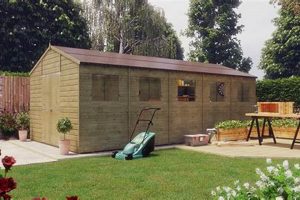
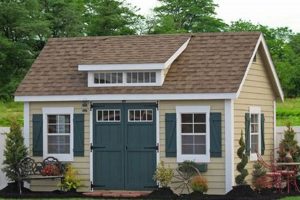
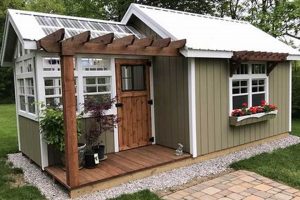
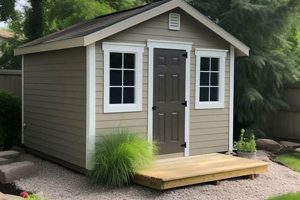
A repurposed outbuilding in residential properties, designed initially for gardening tools and supplies, can be transformed into a dedicated exercise space. This adaptation provides a cost-effective and spatially efficient solution for homeowners seeking a private fitness area separate from the main dwelling. Examples range from simple conversions with minimal equipment to elaborately furnished spaces with specialized flooring, ventilation systems, and a wide array of exercise machines.
The advantages of such a setup include enhanced privacy during workouts, noise reduction for other household members, and the creation of a personalized training environment tailored to specific fitness goals. Historically, individuals often relied on public gyms or improvised spaces within their homes for exercise. The concept of converting existing structures addresses the increasing demand for convenient and accessible fitness options, leveraging available resources to promote physical well-being and potentially increasing property value.
The following sections will delve into considerations for planning, designing, and constructing such a space, covering essential aspects like structural integrity, climate control, equipment selection, and safety measures. These elements are critical for ensuring a functional, secure, and enjoyable exercise environment.
Optimizing Your Outbuilding Exercise Space
Considerations for creating a functional and safe exercise area from a garden outbuilding. These tips focus on practicality and long-term usability.
Tip 1: Structural Assessment. Prioritize a thorough inspection of the building’s foundation, walls, and roof. Address any signs of rot, insect infestation, or structural weakness before commencing any conversion work. Reinforcement may be necessary to support heavy exercise equipment.
Tip 2: Climate Control. Implement adequate insulation to regulate temperature extremes. Install a heating and cooling system appropriate for the size of the structure. Consider dehumidification options to manage moisture and prevent mold growth, especially in humid climates.
Tip 3: Flooring Selection. Choose durable, impact-resistant flooring designed for exercise environments. Rubber flooring or interlocking foam tiles provide cushioning and protect the existing structure from damage caused by dropped weights or heavy equipment. Prioritize non-slip surfaces for safety.
Tip 4: Ventilation. Ensure adequate airflow to prevent the build-up of moisture and odors. Install exhaust fans or consider cross-ventilation strategies using windows and vents. Proper ventilation contributes to a healthier and more comfortable workout environment.
Tip 5: Electrical Infrastructure. Evaluate the existing electrical capacity and add circuits as needed to accommodate exercise equipment, lighting, and climate control systems. Ensure all electrical work complies with local building codes and is performed by a qualified electrician.
Tip 6: Security Measures. Enhance security to protect equipment and deter theft. Install reinforced doors, secure windows, and consider a security system with motion sensors and alarms. Proper security measures provide peace of mind.
The careful application of these principles contributes to the creation of a secure, comfortable, and effective exercise space separate from the main residence. Prioritizing structural integrity, climate control, and safety is crucial for long-term usability and value.
The concluding section will summarize the advantages and present a final perspective.
1. Structure Reinforcement

The conversion of a garden outbuilding into a dedicated exercise space necessitates a rigorous assessment and potential reinforcement of the existing structure. The installation and use of fitness equipment, particularly weightlifting apparatus and heavy machinery, impose significant loads on the flooring and supporting walls. Without adequate structural reinforcement, the outbuilding may experience accelerated deterioration, including floor sagging, wall cracking, and potential roof instability. This poses both a safety risk to the user and a financial risk to the property owner.
Instances of structural failure in improperly reinforced outbuildings used as exercise areas are documented across various regions. For example, unmodified garden sheds with lightweight wooden frames have been known to collapse under the combined weight of multiple exercise machines and accumulated weight plates. Conversely, outbuildings that have undergone professional structural reinforcement, involving the installation of additional support beams, reinforced flooring, and strengthened wall connections, have proven capable of withstanding the dynamic loads generated during intense workouts. The practical significance of this understanding lies in the prevention of property damage and the safeguarding of individuals engaging in physical exercise. It also ensures long-term usability of the outbuilding as a dedicated home fitness area.
In summary, structural reinforcement is a critical prerequisite for transforming a standard garden outbuilding into a safe and functional exercise environment. The absence of such reinforcement introduces unacceptable risks, while its proper implementation ensures the longevity and safety of the converted space. Ongoing monitoring of the structure and regular maintenance are also essential to detect and address any emerging issues promptly. The challenges associated with structure reinforcement often lie in the cost and complexity of the required modifications, but these are outweighed by the benefits of a safe and reliable exercise area.
2. Climate Regulation

Climate regulation within a garden outbuilding repurposed as an exercise space is a critical factor determining the usability, longevity, and safety of the structure and its occupants. Uncontrolled temperature and humidity fluctuations can degrade equipment, encourage mold growth, and compromise the health and performance of individuals exercising within the space. Effective climate management is therefore essential for maximizing the benefits of this type of fitness facility.
- Temperature Control
Maintaining a consistent and comfortable temperature range is paramount. Without insulation and a dedicated heating and cooling system, the interior temperature of a garden outbuilding can fluctuate significantly, rendering the space unusable during extreme weather conditions. For instance, in colder climates, unheated outbuildings can become dangerously cold, inhibiting muscle function and increasing the risk of injury. Conversely, in warmer climates, excessive heat can lead to dehydration, heatstroke, and reduced performance. Implementing insulation, coupled with a suitable heating and cooling solution, stabilizes temperature, facilitating year-round usability.
- Humidity Management
High humidity levels promote the growth of mold and mildew, which can damage equipment, trigger allergic reactions, and contribute to respiratory problems. Conversely, excessively dry air can cause discomfort and exacerbate respiratory issues. Effective humidity control involves employing dehumidifiers or humidifiers, as needed, to maintain optimal humidity levels. Proper ventilation is also critical for preventing moisture buildup. Ignoring humidity management can lead to costly repairs and compromise the health of individuals using the exercise space.
- Ventilation Systems
Adequate ventilation is integral to removing stale air, dissipating odors, and controlling humidity. Passive ventilation, through the use of windows and vents, can be effective in milder climates. However, in more extreme climates, mechanical ventilation systems, such as exhaust fans or air exchangers, may be necessary to ensure sufficient airflow. Insufficient ventilation can lead to the accumulation of carbon dioxide, reducing performance and increasing the risk of fatigue. Properly designed ventilation systems contribute to a healthier and more comfortable exercise environment.
- Insulation Materials
The choice of insulation materials significantly impacts the effectiveness of climate regulation. Materials such as fiberglass, cellulose, or spray foam provide varying levels of thermal resistance, influencing the amount of heat gained or lost through the walls and roof. Selecting the appropriate insulation material depends on the local climate, the building’s construction, and the desired temperature range. Inadequate insulation results in higher energy costs and less effective temperature control, ultimately impacting the usability of the space.
The interdependency of temperature control, humidity management, ventilation systems, and insulation materials highlights the multifaceted nature of climate regulation. Ignoring any of these elements undermines the effectiveness of the overall system. When these facets are addressed comprehensively, the repurposed outbuilding transforms into a comfortable and effective exercise area, irrespective of external weather conditions. Conversely, neglecting climate regulation results in a space that is uncomfortable, potentially hazardous, and susceptible to premature deterioration.
3. Equipment Weight Capacity

Equipment weight capacity is a critical structural consideration when repurposing a garden outbuilding for use as a home exercise facility. The existing structure of a garden shed is often designed for minimal static loads associated with gardening tools and supplies, not the dynamic and concentrated loads imposed by exercise equipment and users. Failure to adequately assess and address equipment weight capacity can result in structural damage, equipment failure, and potential injury.
The consequences of exceeding the designed weight capacity of the structure manifest in several ways. Flooring may sag or buckle under the weight of loaded weight racks or heavy exercise machines like treadmills or elliptical trainers. Walls may develop cracks or become unstable, especially if they are supporting a significant portion of the load. In extreme cases, the entire structure may collapse, leading to costly repairs and potential harm to anyone inside. For example, a standard garden shed with a plywood floor might only be designed to support a distributed load of a few hundred pounds per square foot. A weightlifter using a squat rack with several hundred pounds of weights could easily exceed this capacity in a concentrated area. This illustrates the importance of professional structural evaluation before installing any heavy equipment. Concrete floors would be better, the thicker the better.
Therefore, a comprehensive assessment of the outbuilding’s structural integrity is essential. This should involve evaluating the foundation, flooring, walls, and roof supports to determine their ability to withstand the anticipated loads. If the existing structure is insufficient, reinforcement measures, such as adding support beams, strengthening the flooring, or replacing structural components with heavier-duty materials, are necessary. Ignoring equipment weight capacity creates a substantial safety hazard and compromises the longevity of the converted exercise space. It is a non-negotiable aspect of responsible and safe conversion of an existing garden structure.
4. Acoustic Dampening
Acoustic dampening is a critical, often overlooked, component when transforming a garden outbuilding into a functional home exercise space. The use of fitness equipment, especially weightlifting apparatus, treadmills, and sound systems, generates considerable noise. Without adequate acoustic dampening, this noise can propagate beyond the structure, disturbing neighbors, household members, and potentially violating local noise ordinances. The direct effect is a reduction in the usability and enjoyment of the space, potentially leading to strained relationships with neighbors or legal repercussions. This is especially prevalent in densely populated residential areas where outbuildings are in close proximity to other dwellings.
The implementation of acoustic dampening measures addresses this problem by mitigating noise transmission. Strategies include installing sound-absorbing materials on walls and ceilings, such as acoustic panels, mineral wool insulation, or dense fiberglass. These materials convert sound energy into heat, reducing the amplitude of sound waves. Furthermore, using resilient flooring, like rubber mats, absorbs impact noises generated by weights and exercise equipment. Proper sealing of windows and doors is also crucial to prevent sound leakage. For instance, consider two identical outbuildings; one without and one with acoustic dampening. The second outbuilding significantly reduces noise complaints and allows users to exercise at higher volumes without disruption.
In summary, integrating acoustic dampening into the design of a home exercise outbuilding is essential for maintaining a harmonious environment. Ignoring this factor can lead to noise-related conflicts and limitations on the use of the space. While implementing effective acoustic dampening measures may involve additional costs, the benefits of reduced noise pollution and improved user satisfaction outweigh the initial investment. This consideration is pivotal for responsible and sustainable use of garden outbuildings as home fitness areas.
5. Security Protocols

The implementation of robust security protocols is a critical, yet often underestimated, aspect of converting a garden outbuilding into a dedicated home exercise facility. The presence of valuable exercise equipment, coupled with the relative isolation of such structures, renders them attractive targets for theft and vandalism. Therefore, a comprehensive security strategy is essential to protect assets, prevent unauthorized access, and ensure peace of mind.
- Perimeter Security
Perimeter security constitutes the first line of defense against unauthorized entry. Reinforcing entry points, such as doors and windows, with heavy-duty hardware is paramount. Installing solid-core doors, rather than hollow-core alternatives, provides increased resistance to forced entry. Similarly, replacing standard window glass with reinforced or laminated glass deters smash-and-grab attempts. The addition of exterior lighting, particularly motion-activated floodlights, further enhances security by deterring potential intruders and improving visibility for surveillance purposes. Inadequate perimeter security makes the outbuilding an easy target for opportunistic thieves.
- Alarm Systems
An alarm system provides an additional layer of protection by detecting and alerting authorities to unauthorized entry or activity. Modern alarm systems offer a range of features, including door and window sensors, motion detectors, and glass break detectors. These systems can be configured to trigger a loud audible alarm, alert a monitoring service, and notify the property owner via smartphone. The presence of a visible alarm system can act as a deterrent, discouraging potential intruders from targeting the outbuilding. Furthermore, a monitored alarm system ensures a rapid response from security personnel in the event of a break-in, increasing the likelihood of apprehending perpetrators and recovering stolen property. An alarm system without adequate perimeter security is only going to alert. It won’t prevent.
- Surveillance Systems
Closed-circuit television (CCTV) surveillance systems provide visual monitoring and recording of activity around the outbuilding. Cameras can be strategically placed to cover entry points, access routes, and vulnerable areas. Modern CCTV systems offer features such as night vision, motion detection, and remote viewing via smartphone or computer. The footage recorded by a surveillance system can be used to identify perpetrators, provide evidence for law enforcement, and deter future criminal activity. The cost of security cameras has dropped over the years, so a good investment.
- Inventory Control
Maintaining a detailed inventory of exercise equipment, including serial numbers and identifying features, is crucial for insurance purposes and recovery efforts in the event of theft. Photographing each item and storing the information securely can expedite the claims process and assist law enforcement in tracking down stolen property. Implementing a system for regularly verifying the presence and condition of equipment can also help to detect and prevent internal theft or unauthorized removal. It’s always good practice to keep receipts.
These facets are essential for the proper utilization of the outbuilding as a personal health and fitness place. By integrating security protocols into the design and operation of a converted garden outbuilding, individuals can mitigate the risk of theft and vandalism, protect their investment, and enjoy their private exercise space with a heightened sense of security. Furthermore, a secure environment contributes to a more relaxed and focused workout experience, enhancing the overall benefits of the fitness regimen. Conversely, neglecting security measures exposes the outbuilding to unnecessary risks, undermining its long-term value and utility.
Frequently Asked Questions
This section addresses common inquiries regarding the conversion of a garden outbuilding into a dedicated home exercise space, focusing on practical considerations and potential challenges.
Question 1: Is planning permission required to convert a garden shed into a home gym?
Planning permission requirements vary depending on local regulations, the size of the outbuilding, and the extent of modifications. Generally, if the structure falls within permitted development limits and does not involve significant alterations to its external appearance, planning permission may not be necessary. However, it is imperative to consult with the local planning authority to confirm compliance with all applicable regulations prior to commencing any work.
Question 2: What are the primary structural considerations when converting a garden shed for exercise use?
Structural considerations include the load-bearing capacity of the flooring, the stability of the walls, and the integrity of the roof. The addition of heavy exercise equipment and the dynamic loads generated during workouts can place significant stress on the existing structure. Reinforcement may be necessary to ensure structural stability and prevent damage. A professional structural assessment is highly recommended.
Question 3: How can adequate ventilation be achieved in a converted garden shed gym?
Adequate ventilation is essential for maintaining air quality, controlling humidity, and preventing the build-up of odors. Options include natural ventilation through windows and vents, mechanical ventilation using exhaust fans, or a combination of both. The specific ventilation requirements will depend on the size of the structure, the climate, and the intensity of exercise activities. Ventilation minimizes dampness and improves air quality.
Question 4: What type of flooring is most suitable for a home gym in a garden shed?
The optimal flooring choice depends on the types of exercise activities planned and the existing floor surface. Rubber flooring, interlocking foam tiles, or a poured rubber surface are commonly used to provide cushioning, impact resistance, and a non-slip surface. The flooring must be durable enough to withstand the weight of exercise equipment and the impact of dropped weights.
Question 5: What security measures should be implemented to protect a converted garden shed gym?
Security measures should include reinforcing doors and windows, installing an alarm system, and considering the use of security cameras. Proper lighting around the perimeter of the structure can also deter potential intruders. Maintaining an inventory of equipment and documenting serial numbers can aid in recovery efforts in the event of theft.
Question 6: How can noise pollution from a home gym in a garden shed be minimized?
Noise pollution can be mitigated through the use of sound-absorbing materials on walls and ceilings, such as acoustic panels or mineral wool insulation. Resilient flooring, like rubber mats, can also reduce impact noise. Sealing windows and doors and considering the placement of the outbuilding relative to neighboring properties are additional strategies for minimizing noise transmission.
These FAQs provide a foundation for understanding the complexities involved in creating a functional and safe home gym within a garden outbuilding. Careful planning and attention to detail are crucial for a successful conversion.
The following sections will explore specific design considerations for these spaces.
Home Gym Garden Shed
The preceding analysis has elucidated the multifaceted considerations inherent in repurposing a garden outbuilding as a home exercise facility. Structural integrity, climate regulation, equipment weight capacity, acoustic dampening, and security protocols have been identified as critical elements governing the functionality, safety, and sustainability of such conversions. Successful implementation necessitates meticulous planning, adherence to local building codes, and potentially, professional expertise to ensure compliance and mitigate risks.
Ultimately, the decision to pursue a home gym garden shed conversion warrants careful deliberation, balancing potential benefits against inherent challenges. A thorough assessment of the existing structure, coupled with a realistic appraisal of resource availability and commitment to ongoing maintenance, will determine the viability and long-term success of this undertaking. Prioritizing safety and compliance ensures a beneficial addition to both personal wellness and property value.