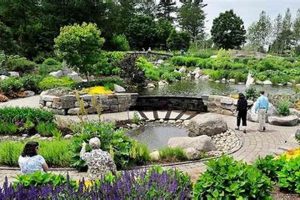
A cultivated area at the earth’s surface, prepared for the growth of plants, can provide a practical and aesthetically pleasing addition to a property. This type of planting utilizes the existing soil structure, often amended to improve drainage and nutrient content, for the direct sowing or transplanting of various flora. An example includes a dedicated section within a residential yard designated for vegetables, flowers, or herbs.
Such spaces offer numerous advantages, from enhancing biodiversity and promoting local ecosystems to providing a source of fresh produce and contributing to overall well-being. Historically, these areas have been essential for sustenance and continue to play a significant role in sustainable living practices, promoting connection with nature and reducing reliance on external food sources. The creation of these spaces often serves as a recreational outlet, fostering physical activity and reducing stress through interaction with the natural world.
The following sections will delve into specific aspects of creating and maintaining successful outdoor cultivated areas. Topics covered will include soil preparation techniques, plant selection strategies appropriate for different climates and regions, pest management approaches, and irrigation methods, all crucial for maximizing yields and ensuring the longevity of this valued resource.
Ground Garden Cultivation Tips
This section provides practical recommendations for establishing and maintaining productive cultivated areas. These guidelines aim to optimize plant health, increase yields, and promote sustainable gardening practices.
Tip 1: Soil Assessment is Critical. Prior to planting, conduct a thorough analysis of the existing soil composition. Determine the pH level, nutrient content, and drainage capacity. Amend the soil as needed with organic matter, such as compost or aged manure, to improve its structure and fertility.
Tip 2: Strategic Plant Selection. Choose plant varieties that are well-suited to the local climate, soil conditions, and available sunlight. Consider factors such as hardiness zones, water requirements, and resistance to common pests and diseases. Group plants with similar needs together to simplify care and maximize resource utilization.
Tip 3: Implement Proper Irrigation Techniques. Water plants deeply and infrequently to encourage strong root development. Utilize soaker hoses or drip irrigation systems to deliver water directly to the root zone, minimizing water loss through evaporation and reducing the risk of foliar diseases.
Tip 4: Effective Weed Management. Regularly remove weeds to prevent competition for water, nutrients, and sunlight. Employ organic mulches, such as straw or wood chips, to suppress weed growth, conserve moisture, and regulate soil temperature.
Tip 5: Integrated Pest Management (IPM). Implement an IPM approach to control pests and diseases, prioritizing non-chemical methods whenever possible. Encourage beneficial insects and other natural predators to maintain a healthy ecosystem. Monitor plants regularly for signs of infestation or disease and take prompt action to prevent widespread problems.
Tip 6: Regular Fertilization. Provide plants with the necessary nutrients to support healthy growth and abundant yields. Use organic fertilizers, such as compost tea or fish emulsion, to supplement soil fertility and promote microbial activity. Follow recommended application rates to avoid over-fertilization, which can harm plants and pollute the environment.
Tip 7: Crop Rotation Practices. Rotate crops annually to prevent the buildup of soilborne pests and diseases, improve soil health, and balance nutrient levels. Avoid planting the same crop in the same location for consecutive years. Group plants into families and rotate them in a systematic manner to maximize the benefits of this practice.
By implementing these tips, individuals can cultivate thriving outdoor cultivated areas that provide fresh produce, enhance the environment, and promote a connection with nature. Careful planning, diligent maintenance, and a commitment to sustainable practices are essential for long-term success.
The following sections will explore advanced techniques and specialized applications related to developing successful cultivated earth areas.
1. Soil Composition

Soil composition is a foundational element governing the success or failure of a ground garden. It directly affects nutrient availability, water retention, root development, and overall plant health. Understanding and managing soil composition are therefore critical for maximizing yield and promoting sustainable gardening practices.
- Organic Matter Content
The proportion of decomposed plant and animal residues within the soil profoundly impacts its structure and fertility. Higher organic matter levels enhance water retention, improve drainage, and provide a slow-release source of essential nutrients. Soils deficient in organic matter often exhibit poor water infiltration, compaction, and reduced nutrient availability, hindering plant growth within the cultivated area.
- Nutrient Availability
The presence and balance of macronutrients (nitrogen, phosphorus, potassium) and micronutrients (iron, manganese, zinc, etc.) are crucial for plant development. Deficiencies or imbalances in nutrient levels can manifest as stunted growth, leaf discoloration, or reduced yields. Soil testing and appropriate amendments are necessary to ensure adequate nutrient supply for the specific plants being cultivated.
- Soil Texture and Structure
Soil texture, determined by the relative proportions of sand, silt, and clay particles, influences drainage, aeration, and root penetration. Sandy soils drain rapidly but retain little water or nutrients, while clay soils retain water and nutrients but can be poorly drained and compacted. Loamy soils, a mixture of sand, silt, and clay, offer a balance of these properties and are generally considered ideal for most plants. Soil structure, the arrangement of soil particles into aggregates, further impacts aeration and water infiltration.
- pH Level
Soil pH, a measure of its acidity or alkalinity, significantly affects nutrient availability. Most plants thrive in a slightly acidic to neutral pH range (6.0-7.0). Extreme pH levels can inhibit nutrient uptake, even if those nutrients are present in the soil. Soil pH can be adjusted through the addition of lime to raise pH or sulfur to lower pH, depending on the specific needs of the plants being cultivated.
In summary, the careful assessment and manipulation of soil composition is fundamental to realizing the full potential of any ground garden. By addressing deficiencies, balancing nutrients, and optimizing soil structure and pH, gardeners can create an environment conducive to robust plant growth and sustained productivity. Neglecting these factors inevitably leads to reduced yields, increased susceptibility to pests and diseases, and ultimately, a less successful gardening endeavor.
2. Sunlight Exposure

Sunlight exposure is a pivotal determinant of success in any ground garden. It provides the energy necessary for photosynthesis, the process by which plants convert carbon dioxide and water into carbohydrates, fueling growth and development. Inadequate or excessive sunlight can significantly impede plant health and productivity.
- Photosynthetic Requirements
Different plant species exhibit varying sunlight requirements. Plants are broadly categorized as full-sun, partial-sun, or shade-tolerant. Full-sun plants, such as tomatoes and sunflowers, require at least six hours of direct sunlight per day for optimal growth and fruit production. Partial-sun plants, like lettuce and spinach, thrive with four to six hours of direct sunlight. Shade-tolerant plants, such as hostas and ferns, can tolerate less than four hours of direct sunlight. Matching plant selection to the available sunlight is essential for maximizing yields and minimizing stress within a cultivated area.
- Light Intensity and Quality
Light intensity refers to the amount of light received by plants, while light quality refers to the spectrum of light available. High-intensity light promotes rapid growth and increased yields, while lower-intensity light may result in leggy growth and reduced flowering. The specific wavelengths of light also play a role in plant development, with blue light promoting vegetative growth and red light promoting flowering and fruiting. The spectral quality of natural light varies throughout the day and seasonally, and gardeners must consider these variations when planning the layout and orientation of their ground garden.
- Orientation and Shading
The orientation of a ground garden significantly impacts sunlight exposure. South-facing gardens generally receive the most sunlight, while north-facing gardens receive the least. The presence of trees, buildings, or other structures can create shade patterns that alter sunlight availability. Careful consideration of these factors is necessary when designing the garden layout to ensure that all plants receive adequate sunlight. Strategic pruning of trees and the use of reflective surfaces can help maximize sunlight exposure in shaded areas.
- Seasonal Variations
The angle of the sun changes throughout the year, resulting in variations in sunlight intensity and duration. During the summer months, plants receive more direct sunlight, promoting rapid growth. During the winter months, sunlight intensity decreases, and the angle of the sun is lower, potentially shading certain areas of the garden. Gardeners must adapt their planting strategies to account for these seasonal variations, selecting plants that are well-suited to the available sunlight and adjusting planting times accordingly.
In conclusion, understanding the intricate relationship between sunlight exposure and plant growth is paramount for successful ground garden cultivation. By carefully considering photosynthetic requirements, light intensity and quality, orientation and shading, and seasonal variations, gardeners can optimize sunlight availability and create a thriving environment for their plants. Effective management of sunlight exposure contributes directly to increased yields, improved plant health, and a more rewarding gardening experience.
3. Water Management

Effective water management is an indispensable component of a productive ground garden. It directly influences plant health, nutrient uptake, and overall yield. Inadequate or mismanaged irrigation can lead to water stress, nutrient deficiencies, increased susceptibility to diseases, and ultimately, crop failure. A comprehensive understanding of water requirements, efficient irrigation techniques, and water conservation strategies is therefore essential for successful cultivation.
- Irrigation Techniques and Efficiency
Various irrigation methods exist, each with varying levels of efficiency and suitability for different soil types and plant species. Surface irrigation, such as flood or furrow irrigation, is often the least efficient due to high evaporative losses and uneven water distribution. Sprinkler irrigation offers better coverage but can still be susceptible to evaporation and wind drift. Drip irrigation, delivering water directly to the root zone, is generally considered the most efficient method, minimizing water waste and promoting uniform soil moisture. The selection of an appropriate irrigation technique should consider factors such as water availability, soil permeability, plant water requirements, and cost.
- Plant Water Requirements and Stress Indicators
Different plant species exhibit varying water requirements depending on factors such as growth stage, climate, and soil type. Understanding the specific water needs of each plant species within the ground garden is crucial for implementing effective irrigation strategies. Visual indicators of water stress, such as wilting leaves, leaf curling, and stunted growth, can provide valuable clues about the need for irrigation. Soil moisture sensors can also be used to monitor soil water content and schedule irrigations based on actual plant needs, preventing overwatering and underwatering.
- Water Conservation Strategies and Rainwater Harvesting
In regions with limited water resources, implementing water conservation strategies is paramount for sustainable gardening practices. Mulching with organic materials, such as straw or wood chips, helps reduce evaporation from the soil surface, conserve moisture, and suppress weed growth. Planting drought-tolerant species and grouping plants with similar water requirements can further minimize water consumption. Rainwater harvesting, collecting rainwater from roofs or other surfaces, provides a valuable source of irrigation water, reducing reliance on municipal water supplies. Proper design and maintenance of rainwater harvesting systems are essential to ensure water quality and prevent contamination.
- Drainage and Waterlogging Prevention
While adequate irrigation is essential, preventing waterlogging and ensuring proper drainage are equally important. Poorly drained soils can lead to root rot, nutrient deficiencies, and reduced plant growth. Improving soil drainage through the addition of organic matter, the construction of raised beds, or the installation of drainage systems can prevent waterlogging and create a more favorable environment for root development. Selecting plant species that are tolerant of wet conditions is also an option for gardens with poorly drained soils.
In summary, effective water management is a critical component of successful ground garden cultivation. By employing efficient irrigation techniques, understanding plant water requirements, implementing water conservation strategies, and preventing waterlogging, gardeners can optimize water use, promote healthy plant growth, and maximize yields. Neglecting water management can lead to significant problems, including water stress, nutrient deficiencies, and increased susceptibility to diseases, ultimately hindering the success of the gardening endeavor. Thoughtful planning and diligent monitoring of water resources are essential for sustainable and productive ground garden practices.
4. Pest Control

The intersection of pest control and a ground garden is a critical area requiring careful management to ensure plant health and productivity. Pests, encompassing insects, weeds, diseases, and even vertebrate animals, pose a significant threat to cultivated areas, potentially decimating crops and hindering overall garden success. The presence of these unwanted organisms necessitates the implementation of proactive and reactive control strategies.
Effective pest management within a ground garden begins with preventative measures. Proper soil preparation, crop rotation, and the selection of disease-resistant plant varieties can reduce the likelihood of pest infestations. Maintaining a healthy garden ecosystem, which includes beneficial insects and pollinators, can naturally control pest populations. For instance, ladybugs prey on aphids, a common garden pest. Physical barriers, such as row covers and netting, can also protect plants from insect pests and browsing animals. When preventative measures are insufficient, targeted control strategies become necessary. The choice of control method should prioritize environmental sustainability and minimize harm to non-target organisms. Common approaches include handpicking insects, using insecticidal soap or horticultural oil, and applying biological control agents like Bacillus thuringiensis (Bt) for caterpillar control. Chemical pesticides should be used as a last resort, following all label instructions and safety precautions.
Ultimately, successful pest control in a ground garden relies on a holistic approach that integrates preventative measures, monitoring, and targeted interventions. Understanding the life cycles of common garden pests and the specific vulnerabilities of cultivated plants is essential for developing effective management strategies. A proactive and informed approach to pest control not only protects crops but also promotes the long-term health and sustainability of the garden ecosystem.
5. Nutrient balance
The prosperity of any ground garden is inextricably linked to the equilibrium of nutrients within the soil. This balance dictates the availability of essential elements required for plant growth, development, and reproduction. Nutrient deficiencies or excesses directly impact plant health, rendering them susceptible to disease, reducing yields, and diminishing the overall vitality of the cultivated area. For instance, a lack of nitrogen manifests as yellowing leaves and stunted growth, while a phosphorus deficiency hinders root development and flowering. Conversely, an overabundance of nitrogen can lead to excessive vegetative growth at the expense of fruit or flower production. Therefore, achieving and maintaining appropriate nutrient levels is a fundamental prerequisite for establishing a flourishing garden.
Practical application of this principle involves several steps. Soil testing provides a baseline understanding of existing nutrient levels, allowing for targeted amendments. Organic matter, such as compost and manure, serves as a slow-release source of nutrients, improving soil structure and water retention simultaneously. Fertilization, whether through organic or synthetic means, addresses specific deficiencies identified by soil testing. Crop rotation prevents the depletion of particular nutrients, as different plants have varying nutrient demands. Legumes, for example, fix nitrogen in the soil, benefiting subsequent crops. Careful observation of plant health and growth patterns provides ongoing feedback regarding nutrient status, enabling timely adjustments to fertilization or amendment strategies. Precision agriculture techniques, including variable-rate fertilization, offer a sophisticated approach to optimizing nutrient delivery based on spatially varying soil conditions.
In summary, nutrient balance is not merely a desirable attribute of a ground garden but a foundational requirement for sustained productivity and plant health. The challenge lies in achieving and maintaining this balance through careful soil assessment, targeted amendment strategies, and continuous monitoring of plant responses. By understanding and addressing the complex interplay of nutrients within the soil ecosystem, cultivators can unlock the full potential of their ground gardens and ensure long-term success.
6. Plant Selection

Strategic plant selection is a critical determinant of success in any ground garden. The intentional choice of plant species directly impacts the garden’s aesthetic appeal, ecological balance, and, most importantly, its productivity and sustainability. A well-considered plant selection strategy minimizes resource competition, maximizes yields, and enhances the overall resilience of the garden ecosystem.
- Climate Suitability
Matching plant species to the prevailing climate is paramount. Hardiness zones, average temperatures, rainfall patterns, and frost dates must be considered. Selecting plants adapted to the local climate reduces the need for excessive irrigation, fertilization, and pest control. For example, drought-tolerant species are well-suited for arid regions, while cold-hardy varieties are essential in areas with harsh winters. Failure to account for climate suitability can result in stunted growth, disease susceptibility, and ultimately, plant failure.
- Soil Compatibility
Soil type and composition exert a significant influence on plant growth. Understanding the pH level, nutrient content, and drainage characteristics of the soil is crucial for selecting compatible plant species. Some plants thrive in acidic soils, while others prefer alkaline conditions. Likewise, some species require well-drained soils, while others tolerate wetter conditions. Amending the soil to improve its suitability for selected plants is often necessary, but choosing plants naturally adapted to the existing soil conditions minimizes the need for extensive modifications.
- Growth Habits and Spatial Requirements
Consideration of plant growth habits and spatial requirements is essential for optimizing garden layout and preventing overcrowding. Understanding the mature size, growth rate, and spreading tendencies of different plant species allows for effective spacing and resource allocation. Taller plants should be positioned to avoid shading shorter ones, and aggressive spreaders should be contained to prevent them from outcompeting less vigorous species. Careful planning of plant arrangements ensures adequate sunlight, air circulation, and nutrient availability for all garden inhabitants.
- Pest and Disease Resistance
Selecting plant varieties with inherent resistance to common pests and diseases reduces the need for chemical interventions and promotes a more sustainable gardening approach. Disease-resistant cultivars are less susceptible to fungal infections, bacterial blights, and viral diseases. Insect-resistant varieties deter common garden pests, minimizing the risk of infestation. Prioritizing resistant plants reduces the reliance on pesticides and herbicides, safeguarding beneficial insects and promoting a healthier garden ecosystem.
The interrelation of these aspects demonstrates the crucial link between appropriate plant se
lection and the overall performance of a ground garden. Optimal plant selection supports ecological health, resource efficiency, and aesthetic gratification within the cultivated landscape. By diligently considering climate, soil, growth habits, and resistance characteristics, garden managers can develop thriving landscapes.
7. Spatial Design

Spatial design within a ground garden context encompasses the deliberate arrangement of elements to optimize functionality, aesthetics, and ecological interactions. The layout directly influences resource utilization, plant health, and ease of maintenance. Poor spatial planning can result in inadequate sunlight exposure, restricted airflow, and increased vulnerability to pests and diseases. Conversely, thoughtful design promotes efficient irrigation, minimizes weed proliferation, and enhances overall garden productivity. An example includes the strategic placement of taller plant varieties to the north of shorter ones, preventing the shading of sun-sensitive crops. Likewise, incorporating pathways of adequate width facilitates access for cultivation and harvesting. These decisions, rooted in an understanding of plant needs and environmental factors, represent the practical application of spatial design principles.
Further considerations involve integrating companion planting arrangements, where mutually beneficial species are positioned in close proximity. This can involve planting basil near tomatoes to deter pests or intercropping legumes with other vegetables to improve soil fertility. The spatial arrangement of elements also extends to the inclusion of physical structures, such as trellises for climbing plants or raised beds to improve drainage in areas with heavy clay soils. The integration of these design elements directly influences the garden’s microclimate, impacting temperature, humidity, and wind exposure. A well-designed ground garden should therefore be viewed as an interconnected system, where each element contributes to the overall health and productivity of the landscape.
In conclusion, spatial design is not merely an aesthetic consideration within a ground garden; it is a fundamental element influencing resource efficiency, plant health, and the overall sustainability of the system. Challenges include the need to balance competing demands, such as maximizing sunlight exposure while providing adequate wind protection. The effectiveness of the spatial design directly impacts the success of the cultivated plot, linking careful planning to the broader goal of creating a thriving and productive landscape.
Frequently Asked Questions About Outdoor Cultivated Areas
The following addresses common inquiries regarding the establishment and maintenance of these valuable resources.
Question 1: What constitutes a suitable location for establishing a cultivated space?
Optimal locations receive a minimum of six hours of direct sunlight daily, possess well-draining soil, and are sheltered from prevailing winds. Proximity to a water source is also a significant consideration.
Question 2: What are the initial steps in preparing an area for planting?
Preparation involves clearing existing vegetation, conducting soil tests to determine nutrient deficiencies or pH imbalances, and amending the soil with organic matter such as compost or aged manure.
Question 3: How frequently should an outdoor cultivated space be watered?
Watering frequency depends on climate, soil type, and plant species. A general guideline is to water deeply and infrequently, allowing the soil to dry slightly between irrigations. Avoid frequent shallow watering, which can lead to shallow root development.
Question 4: What methods are recommended for weed control?
Effective weed control strategies include hand-pulling, hoeing, and the application of organic mulches such as straw or wood chips. Herbicides should be used sparingly and with caution, following label instructions carefully.
Question 5: How can plant diseases and pests be effectively managed?
Integrated pest management (IPM) practices are recommended. These include selecting disease-resistant plant varieties, encouraging beneficial insects, and using organic pesticides as a last resort. Regular monitoring for signs of disease or pest infestation is crucial.
Question 6: What is the role of fertilization in maintaining a thriving space?
Fertilization provides essential nutrients for plant growth. Soil tests should guide fertilizer application, ensuring that plants receive adequate amounts of nitrogen, phosphorus, and potassium, as well as micronutrients. Organic fertilizers are preferred for their slow-release properties and minimal environmental impact.
These responses provide a foundational understanding of ground garden management. Diligence and knowledge are critical to long-term success.
Subsequent sections will address common issues encountered in the maintenance of outdoor cultivated areas and their remedies.
Conclusion
This exploration has underscored the multifaceted nature of the ground garden. Key aspects include the importance of soil composition, sunlight exposure, water management, pest control, nutrient balance, strategic plant selection, and informed spatial design. Addressing each of these elements contributes significantly to the vitality and productivity of the cultivated area. A disregard for any single factor can have cascading negative effects, impacting plant health and overall yield.
The establishment and maintenance of a successful ground garden necessitates a commitment to ongoing learning and adaptation. Challenges are inherent, but the potential rewards enhanced biodiversity, fresh produce, and a deeper connection with the natural world are substantial. Continuous improvement of cultivation techniques and the application of sustainable practices are essential to ensure the longevity and resilience of this valuable resource.