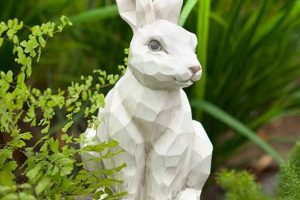
An outdoor space featuring sculpted figures reminiscent of ancient Hellenic art represents a specific aesthetic and cultural expression. These areas often incorporate replicas or interpretations of classical forms set within a designed landscape. For example, a carefully curated collection of marble figures depicting mythological characters positioned amidst manicured lawns and flowering plants embodies this artistic style.
The creation of such spaces offers various benefits, including aesthetic enhancement of properties and the provision of culturally enriching environments. Historically, these installations served as symbols of wealth, education, and a connection to the classical world, reflecting the owner’s appreciation for art and history. They continue to provide opportunities for contemplation and artistic appreciation.
The following sections will explore various aspects related to the design, construction, and maintenance of these outdoor displays. Further analysis will delve into the artistic merit, historical significance, and practical considerations involved in creating and preserving such installations.
Creating and Maintaining a Hellenic-Inspired Outdoor Display
The following guidelines offer practical advice for establishing and preserving an outdoor space featuring classical sculptures, ensuring both aesthetic appeal and long-term structural integrity.
Tip 1: Material Selection: Opt for weather-resistant materials such as marble, cast stone, or high-quality resin composites. These materials withstand exposure to the elements, minimizing degradation and extending the lifespan of the sculpted figures.
Tip 2: Site Preparation and Placement: Conduct a thorough site assessment to determine soil stability, drainage patterns, and sunlight exposure. Position sculpted figures on level, reinforced bases to prevent settling or tipping, particularly in areas prone to seismic activity.
Tip 3: Horticultural Integration: Carefully select plant species that complement the sculpted figures without overshadowing or obscuring them. Consider using low-growing, evergreen varieties to provide a subtle backdrop and maintain year-round visual appeal.
Tip 4: Illumination Strategies: Implement a strategic lighting plan to accentuate the sculpted figures and enhance their visibility during evening hours. Employ low-voltage spotlights or strategically placed pathway lighting to highlight key features and create dramatic effects.
Tip 5: Regular Cleaning and Maintenance: Establish a routine cleaning schedule to remove dirt, debris, and biological growth from the sculpted figures. Use mild detergents and soft brushes to avoid damaging the surface and preserve the aesthetic qualities.
Tip 6: Winter Protection: In regions with harsh winter climates, provide adequate protection for the sculpted figures to prevent freeze-thaw damage. Consider covering them with protective tarpaulins or moving them to a sheltered location during the coldest months.
Tip 7: Professional Consultation: Engage with qualified landscape architects or art conservators to obtain expert advice on design, installation, and maintenance strategies. Their expertise can ensure the long-term preservation and aesthetic integrity of the outdoor display.
Implementing these strategies allows for the creation of an aesthetically pleasing and enduring outdoor display. Careful planning and maintenance are crucial for maximizing the visual impact and extending the longevity of the sculptural elements.
The subsequent sections will further elaborate on specific design considerations and provide detailed guidance on addressing potential challenges encountered in establishing and maintaining such installations.
1. Sculptural Selection

Sculptural selection forms the cornerstone of any outdoor space inspired by classical Hellenic art. It dictates the thematic coherence, historical accuracy, and aesthetic impact of the environment. Thoughtful consideration must be given to factors such as subject matter, artistic style, and material compatibility to create a cohesive and visually compelling display.
- Mythological Figures
The inclusion of figures representing deities or heroes from Greek mythology is a common practice. Sculptures of Zeus, Athena, Apollo, or Hercules, for example, evoke the religious and cultural narratives of ancient Greece. The accurate depiction of these figures, informed by historical research and artistic precedents, is crucial for maintaining authenticity. Misinterpretations or anachronistic representations can detract from the intended effect.
- Philosophical and Intellectual Figures
Sculpted portraits of prominent philosophers, poets, and orators, such as Socrates, Plato, Homer, or Demosthenes, represent the intellectual legacy of ancient Greece. These figures convey a sense of learning, wisdom, and civic virtue. Their inclusion in an outdoor space suggests a reverence for knowledge and a connection to the intellectual heritage of classical antiquity.
- Architectural Fragments and Ornamentation
Beyond freestanding figures, the incorporation of architectural fragments, such as columns, friezes, or pediments, contributes to the overall atmosphere. These elements evoke the grandeur of ancient temples and public buildings. Replicas of classical orders, such as Doric, Ionic, or Corinthian, can serve as decorative accents or structural components, reinforcing the architectural themes of the space.
- Representations of Daily Life
While mythological and intellectual figures are prevalent, sculptures depicting scenes from daily life offer a more intimate perspective on ancient Greek society. Replicas of athletes, dancers, or artisans engaged in everyday activities provide a glimpse into the customs and practices of the time. These figures add a human element to the space and create a sense of connection to the past.
The strategic selection of these sculptural elements collectively defines the narrative and aesthetic identity of the space. Through careful curation and placement, a cohesive and historically informed environment can be achieved, fostering an appreciation for the artistic and cultural achievements of ancient Greece. The integration of these elements demonstrates an understanding of the historical context of these sculptures.
2. Landscape Integration

Landscape integration represents a critical component in the successful realization of an outdoor display featuring classical sculptures. It entails a carefully orchestrated interaction between sculpted figures and the surrounding natural elements, aiming to create a harmonious and visually compelling environment. The arrangement of vegetation, pathways, and water features around the sculptures significantly impacts the overall aesthetic and experiential quality of the space. Inappropriate landscaping can detract from the sculpted figures, while thoughtful integration enhances their presence and historical context.
The importance of landscape integration becomes evident when considering the cause-and-effect relationships within such a setting. For instance, employing drought-resistant plants in regions with arid climates not only reduces maintenance requirements but also contributes to a more sustainable and authentic presentation. Conversely, the planting of invasive species can disrupt the ecosystem and obscure the sculptures, diminishing their visual impact. Similarly, the strategic placement of pathways and seating areas encourages visitor interaction with the artwork while preserving the integrity of the landscape. An example can be seen at Villa Borghese in Rome, where classical sculptures are meticulously placed amidst formal gardens, creating a serene and evocative atmosphere. Another illustration lies within Dumbarton Oaks in Washington, D.C., whose Byzantine garden features sculptures that blend seamlessly with its terraced landscape design.
Effective landscape integration requires a comprehensive understanding of horticultural principles, architectural design, and the historical context of the sculptures. This ensures that the landscape serves not merely as a backdrop but as an integral part of the artistic expression. Challenges inherent in this process include selecting plant species compatible with the local climate, controlling vegetation growth to prevent obscuring the sculptures, and maintaining the aesthetic integrity of the space over time. Therefore, understanding the practical significance of landscape integration provides enhanced visual appreciation of this kind of garden.
3. Material Durability
Material durability stands as a critical consideration in the establishment and long-term preservation of an outdoor display featuring classical sculptures. The selection of materials directly impacts the sculptures’ ability to withstand environmental stressors, including temperature fluctuations, precipitation, solar radiation, and biological growth. The degradation of materials compromises the aesthetic qualities of the sculptures and necessitates costly repairs or replacements. A lack of durable materials directly leads to the deterioration of features, diminishing the overall impact.
The inherent properties of various materials dictate their suitability for outdoor use. For instance, marble, favored in classical antiquity, possesses a natural resistance to weathering but is susceptible to acid rain and staining. Bronze, another historically significant material, exhibits excellent corrosion resistance but may require periodic cleaning to maintain its patina. Modern materials, such as cast stone and high-quality resin composites, offer viable alternatives with enhanced durability and reduced maintenance requirements. A real-world example can be observed at the Glyptothek in Munich, where meticulous preservation efforts have ensured the longevity of its classical marble sculptures, while the use of protective coatings has mitigated the effects of environmental pollution. Another illustration arises from contemporary sculptors employing bronze alloys known for their resistance to atmospheric corrosion in their modern creations.
In summary, material durability is not merely a technical consideration but a fundamental aspect of preserving artistic integrity and cultural heritage in sculpted outdoor spaces. Prioritizing durable materials ensures the long-term viability of these installations, allowing them to be appreciated by future generations. Challenges associated with material selection include balancing aesthetic preferences with practical considerations and identifying materials that are both durable and historically accurate. By understanding the practical implications of material durability, we enhance the appreciation and enjoyment of these open-air galleries.
4. Historical Accuracy

Historical accuracy serves as a foundational principle in the conception and execution of any outdoor display aspiring to emulate ancient Hellenic artistic traditions. Fidelity to historical precedents informs the selection of sculptural subjects, the replication of artistic styles, and the arrangement of elements within the space. The absence of historical accuracy diminishes the educational and cultural value of the installation, transforming it into a pastiche rather than a reflection of classical antiquity.
- Sculptural Subject Matter
The selection of figures depicted in the sculptures must align with the pantheon, mythology, and cultural norms of ancient Greece. Representations of Roman deities or anachronistic artistic styles compromise the historical integrity of the space. For example, the inclusion of figures not found within the Greek pantheon, or the presence of Renaissance-era sculpting techniques, would undermine the intended historical representation. The British Museum’s collection of Greek sculptures, meticulously researched and displayed, exemplifies adherence to this principle.
- Artistic Style and Technique
The sculpting techniques employed in creating the figures should reflect the stylistic conventions of ancient Greek art, encompassing archaic, classical, and Hellenistic periods. The use of modern sculpting techniques or the incorporation of non-Greek artistic influences detracts from the authenticity of the installation. The Louvre’s collection of Greek antiquities, showcasing the evolution of Greek sculpting styles, underscores the importance of stylistic fidelity. Any divergence from established techniques would disrupt the historical narrative.
- Material Authenticity
The materials used in creating the sculptures should emulate those employed by ancient Greek artisans, such as marble, bronze, and terracotta. The use of materials alien to ancient Greek art, such as plastics or synthetic resins, diminishes the historical credibility of the display. The Getty Villa’s use of marble sourced from quarries historically utilized by Greek sculptors exemplifies a commitment to material authenticity. Deviation from these materials would diminish the connection to Greek sculpture and culture.
- Contextual Setting and Arrangement
The arrangement of sculptures within the space should reflect the contextual settings of ancient Greek gardens, sanctuaries, and public spaces. The placement of sculptures in anachronistic or inappropriate settings undermines the historical narrative. For instance, the placement of a sculpture of a Greek god in a purely geometric, modern garden setting would be incongruous with historical precedent. The careful placement of sculptures within the reconstructed ancient Greek garden at the Villa Getty Museum showcases the importance of contextual accuracy. Deviation from these arrangements diminishes the effect.
The facets of historical accuracy, when diligently observed, collectively contribute to the creation of an outdoor display that authentically represents and celebrates the artistic and cultural legacy of ancient Greece. These considerations ensure that the space serves not only as an aesthetic enhancement but also as an educational resource, promoting an appreciation for historical accuracy.
5. Spatial Arrangement

Spatial arrangement within an outdoor display featuring Hellenic sculptures fundamentally governs visitor experience and thematic coherence. The strategic distribution of sculpted figures, architectural fragments, and landscaping elements determines circulation patterns, visual focal points, and the overall narrative of the space. Effective spatial organization establishes a sense of harmony, balance, and historical context, enhancing the appreciation of individual works and their relationship to the environment. Inadequate planning results in a cluttered or disjointed display, diminishing its aesthetic impact and educational value. Consequently, attention to spatial arrangement transforms a collection of individual sculptures into a unified and immersive artistic experience.
Considerations for spatial planning encompass several key factors. Scale and proportion of sculptures must be balanced against the dimensions of the surrounding space to prevent overcrowding or visual imbalance. Circulation patterns should guide visitors through the space in a logical sequence, revealing sculptures gradually and maximizing their impact. The interspersing of architectural fragments, such as columns or friezes, can create visual pauses and historical allusions, while the integration of landscaping elements, such as hedges or water features, enhances the sculptures’ visual setting. Examples can be observed at the Vatican Museums, where the placement of classical sculptures within carefully designed courtyards showcases their grandeur and artistic merit. Similarly, at Hadrian’s Villa, the spatial arrangement reflects the historical context of a Roman imperial estate, offering insights into the lives and values of ancient civilizations.
The understanding of spatial arrangement promotes informed decision-making when planning such displays. By recognizing the interplay between sculptural elements, architectural features, and natural surroundings, designers can create environments that are both aesthetically pleasing and historically resonant. Despite aesthetic considerations, there are also difficulties, such as balancing the desire for historical accuracy with the realities of modern space and the need to accommodate visitor traffic. Mastering these challenges ensures the enduring appeal and cultural significance of sculpted outdoor displays.
6. Maintenance Protocols

The longevity and aesthetic integrity of an outdoor display of classical sculptures are inextricably linked to the implementation of comprehensive maintenance protocols. These protocols serve as a proactive defense against the detrimental effects of environmental factors, biological growth, and human interaction, thereby preserving the historical and artistic value of the installation. The absence of systematic maintenance leads to the gradual degradation of materials, the obscuring of sculptural details, and ultimately, the irreversible loss of cultural heritage. Sculptural material deterioration and aesthetic damage are a direct consequence of neglected maintenance protocols, transforming a once-vibrant display into a dilapidated and unappealing environment.
Effective maintenance protocols encompass a range of activities tailored to the specific materials, environmental conditions, and spatial context of the display. Regular cleaning removes surface contaminants, while periodic inspections identify potential structural issues or material degradation. Protective coatings mitigate the effects of acid rain and solar radiation, while targeted treatments control biological growth. For example, the meticulous cleaning regimen employed at the Acropolis Museum in Athens ensures the preservation of its marble sculptures, while the use of laser technology removes stubborn stains without damaging the underlying stone. Another illustration arises from the application of protective waxes to bronze sculptures at the Getty Villa, shielding them from atmospheric corrosion.
Understanding the practical significance of maintenance protocols enables informed decision-making and effective resource allocation. By recognizing the cause-and-effect relationship between maintenance and preservation, custodians can prioritize activities that maximize the long-term viability of their sculpted outdoor displays. Despite the importance of maintenance protocols, challenges such as funding limitations, labor shortages, and the complexity of treating delicate materials can hinder their implementation. Overcoming these challenges ensures the enduring beauty and cultural importance of these spaces.
Frequently Asked Questions
This section addresses common inquiries concerning the establishment and preservation of outdoor displays reminiscent of classical Hellenic art. The following questions and answers aim to provide clarity on essential aspects of design, maintenance, and historical accuracy.
Question 1: What differentiates such spaces from typical gardens?
These outdoor areas are distinguished by their focus on sculpted figures inspired by ancient Greek art, as opposed to a primary emphasis on plant life. While plant life is often incorporated, the sculptures serve as the central artistic element, defining the aesthetic and thematic direction.
Question 2: What are the primary materials considered suitable for outdoor placement?
Durable and weather-resistant materials are paramount. Marble, cast stone, bronze, and high-quality resin composites are commonly employed due to their ability to withstand environmental conditions, thereby minimizing degradation and extending the lifespan of the sculpted figures.
Question 3: How is historical accuracy ensured in these outdoor installations?
Historical accuracy is achieved through meticulous research and adherence to artistic styles, materials, and subject matter consistent with ancient Greek art and culture. Replicas of mythological figures, philosophical figures, or architectural fragments should be faithful representations of their historical counterparts.
Question 4: What maintenance procedures are essential for preserving sculpted figures?
Regular cleaning is crucial to remove dirt, debris, and biological growth. Periodic inspections identify potential structural issues or material degradation. Protective coatings may be applied to mitigate the effects of acid rain and solar radiation.
Question 5: What design considerations guide the spatial arrangement of sculptures?
Spatial arrangement should prioritize visual balance, thematic coherence, and visitor experience. Sculptures should be positioned to maximize their impact, create visual focal points, and guide visitors through the space in a logical sequence.
Question 6: Are there specific plant species that complement sculpted figures effectively?
Plant species should be selected to complement the sculptures without overshadowing or obscuring them. Low-growing, evergreen varieties are often favored for their subtle backdrop and year-round visual appeal. Plants with historical associations to ancient Greece may also be considered.
In summary, the creation and preservation of a sculpted outdoor space require careful consideration of materials, historical accuracy, maintenance protocols, spatial arrangement, and landscape integration. The implementation of these guidelines enhances the aesthetic and cultural value of the installation.
The following sections will delve into specific case studies and examples of successfully designed and maintained displays, providing practical insights and inspiration for prospective designers and custodians.
Conclusion
The preceding analysis has elucidated the multifaceted nature of the greek statue garden, underscoring its significance as an art form blending sculpture, landscape architecture, and historical representation. The examination of material durability, historical accuracy, spatial arrangement, and maintenance protocols reveals the complexities involved in creating and preserving these spaces. Further, the discussion of sculptural selection and landscape integration highlights the artistic considerations necessary for a cohesive and impactful design.
The continued creation and preservation of these gardens serve as a testament to the enduring influence of classical art and culture. It is incumbent upon designers, curators, and custodians to approach these projects with a commitment to authenticity, sustainability, and long-term stewardship. The enduring appeal and cultural significance of greek statue garden necessitate their continued study, preservation, and appreciation for generations to come.