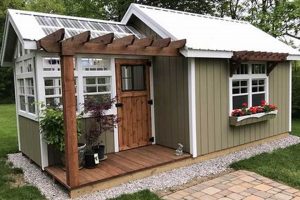
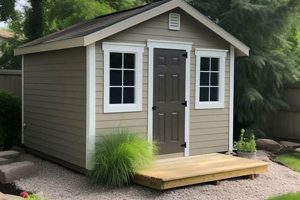
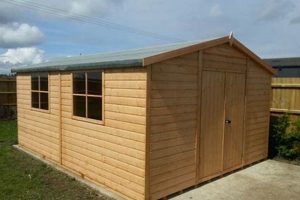
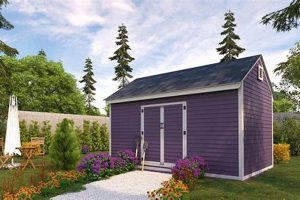
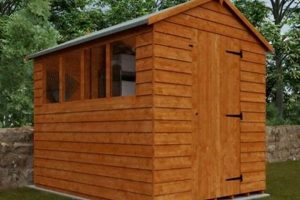
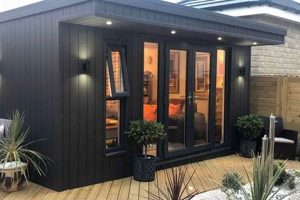
These structures represent a fusion of two distinct outdoor elements, combining the open, airy design of a gazebo with the practical storage capabilities of a garden shed. Characterized by their solid walls and roofing, they offer enclosed space unlike traditional open-sided gazebos, but possess an aesthetic appeal often absent in conventional storage units. One might use this outdoor building for storing gardening tools while also providing a sheltered spot for relaxation.
The melding of form and function provides several advantages. They enhance the visual appeal of landscapes while simultaneously addressing storage requirements. Historically, gazebos served primarily as ornamental features, whereas sheds were purely utilitarian. This hybrid structure offers a compromise, integrating both purposes into a single, harmonious design. This innovation effectively addresses the demand for optimized outdoor spaces.
The following will explore various design considerations, material options, and practical applications related to these outdoor structures. Subsequent sections will also discuss permits, construction advice, and maintenance tips relevant to these additions to outdoor environments. The aim is to present a comprehensive overview for those considering incorporating such a structure into their properties.
Practical Considerations for Integrating Outdoor Combination Structures
Effective planning and construction are paramount when considering the addition of these multi-functional structures to outdoor spaces. Implementing the following tips can contribute to a successful project.
Tip 1: Conduct a thorough site assessment. Evaluate the intended location for soil stability, drainage patterns, and proximity to property lines. This assessment will inform foundation requirements and ensure compliance with local regulations.
Tip 2: Prioritize structural integrity. Given their dual-purpose design, these structures must withstand environmental stressors. Ensure appropriate load-bearing capacity of the roof and walls, accounting for potential snow accumulation or wind resistance.
Tip 3: Opt for durable, weather-resistant materials. Selection of suitable materials is crucial for longevity. Consider treated lumber, composite materials, or metal components, all of which offer resistance to decay, insects, and moisture damage.
Tip 4: Plan for adequate ventilation. Proper ventilation is essential to prevent moisture buildup inside the enclosed space, mitigating the risk of mold and mildew growth. Strategically placed vents can promote airflow without compromising security.
Tip 5: Incorporate appropriate security measures. Secure the storage component with robust locking mechanisms. This is particularly important if valuable tools or equipment are stored within.
Tip 6: Adhere to local building codes and permitting requirements. Research and comply with all applicable regulations to avoid potential fines or removal orders. Obtaining the necessary permits prior to construction is essential.
Tip 7: Consider professional installation. While DIY construction is possible, engaging experienced contractors can ensure structural soundness and compliance with building standards. Professional installation may be a worthwhile investment.
Adherence to these guidelines can result in a durable, functional, and aesthetically pleasing addition to outdoor environments, maximizing its utility and long-term value.
The subsequent sections will delve into specific design choices and maintenance strategies for these combined structures.
1. Combined Functionality

The core concept of a “gazebo garden shed” lies in its combined functionality, offering both storage and recreational space within a single structure. This represents a deliberate departure from single-purpose outdoor buildings. The effect is a more efficient utilization of garden space. Instead of requiring a separate shed for tools and a gazebo for relaxation, both needs are met by a single unit. This consolidation is particularly advantageous in smaller gardens where space is at a premium. Examples include using one section for storing gardening equipment, while the other is fitted with seating for outdoor dining or quiet contemplation. The presence of this dual-purpose design affects the structural design and material selection, requiring consideration for both storage needs (durability, security) and recreational needs (aesthetics, comfort). The practical significance lies in the ability to declutter the garden while simultaneously enhancing its usability and aesthetic appeal.
Further, the combined functionality can extend beyond mere storage and relaxation. Some designs incorporate features like potting benches within the storage area, facilitating gardening tasks directly at the source. Others feature screened sections within the gazebo portion, providing insect-free environments for outdoor enjoyment. These additional features enhance the utility and versatility, expanding the possibilities for outdoor living. Consideration of the user’s specific needs and activities is paramount in maximizing the benefits of this design. The integration of these features may also influence the cost and complexity of construction, requiring careful planning and execution.
In conclusion, the combined functionality of these structures is not simply an aesthetic choice, but a deliberate design strategy that optimizes space, enhances utility, and adds value to outdoor living. It is the driving force behind the creation of these hybrid structures. Understanding the practical applications and design considerations associated with this combined functionality is crucial for realizing the full potential of this type of garden building. While challenges exist in balancing the needs of both functions within a single structure, the benefits of space optimization and enhanced usability make these buildings a worthwhile consideration for many homeowners.
2. Aesthetic Integration

Aesthetic integration constitutes a critical element in the successful incorporation of a combined gazebo and garden shed into a landscape. This involves more than simply placing a structure within the garden; it demands a deliberate harmonization with the existing visual and architectural context. Failing to achieve this aesthetic alignment can result in a jarring visual impact, diminishing the overall appeal of the outdoor space.
- Material Selection and Consistency
The choice of materials significantly impacts the visual integration of the structure. Utilizing materials that complement existing structures or garden features, such as fencing, decking, or the house itself, creates a cohesive look. For instance, employing cedar siding on the combination structure to match a cedar fence ensures a seamless transition between elements within the landscape. Discrepancies in material choice can disrupt the visual flow and create an unwelcome focal point.
- Color Palette Coordination
The color scheme of the building must be carefully considered in relation to the surrounding environment. Choosing colors that blend with the existing color palette, either by matching dominant colors or selecting complementary shades, promotes visual harmony. A structure painted in stark contrast to its surroundings can appear out of place. Conversely, a color scheme that echoes the tones of the garden, such as greens, browns, and muted neutrals, can enhance the overall aesthetic appeal. Consideration should also be given to how colors weather over time, ensuring long-term visual compatibility.
- Architectural Style Compatibility
The architectural style of the combination structure should align with the overall style of the house and garden. A modern, minimalist structure may not be suitable for a traditional, cottage-style garden, and vice versa. Matching architectural details, such as rooflines, window shapes, and decorative elements, can contribute to a more harmonious integration. This extends to the scale of the structure; a disproportionately large or small building can disrupt the visual balance of the landscape.
- Landscaping Integration
Integrating the structure with landscaping elements can soften its visual impact and create a more natural appearance. Planting trees, shrubs, and flowers around the base of the building can blend it into the environment. Using climbing plants to adorn the walls or roof can further enhance this integration. The placement of pathways and other garden features should consider the location of the structure, ensuring a seamless flow between elements. Conversely, neglecting landscaping around the building can leave it appearing isolated and out of place.
Achieving aesthetic integration is not merely a superficial concern; it is a fundamental aspect of creating a harmonious and visually appealing outdoor space. It requires careful consideration of materials, colors, architectural styles, and landscaping elements, all working in concert to blend the gazebo and garden shed into the existing environment. The successful application of these principles transforms the structure from a mere addition into an integral and aesthetically pleasing component of the landscape.
3. Structural Materials

The selection of appropriate structural materials represents a critical juncture in the design and construction of gazebo garden sheds. Material choice directly impacts structural integrity, longevity, aesthetic appeal, and overall cost-effectiveness. Consequently, a comprehensive understanding of available options and their inherent properties is essential for informed decision-making.
- Wood Framing and Cladding
Wood remains a prevalent material choice due to its aesthetic versatility and relatively low cost. Pressure-treated lumber offers resistance to decay and insect infestation, making it suitable for framing components. Cladding options include cedar, pine, and redwood, each exhibiting varying degrees of natural durability and visual appeal. However, wood requires regular maintenance, including sealing and painting, to mitigate weathering effects and prevent degradation. Improper treatment or maintenance can compromise structural integrity and reduce lifespan.
- Metal Framing and Cladding
Steel and aluminum provide superior strength and resistance to rot and insect damage compared to wood. Steel framing, often powder-coated or galvanized, offers high load-bearing capacity, enabling larger spans and more robust structures. Aluminum is lightweight and corrosion-resistant, making it suitable for cladding and roofing applications. While metal structures generally require less maintenance than wood, they can be more expensive to install. Condensation and thermal expansion are also considerations requiring careful design and mitigation strategies.
- Composite Materials
Composite materials, typically composed of recycled plastic and wood fibers, offer a balance of durability and aesthetic appeal. These materials resist rot, insect damage, and moisture absorption, requiring minimal maintenance. Composite cladding and decking provide a wood-like appearance without the inherent drawbacks of natural wood. However, composite materials may be more expensive than traditional wood options and can exhibit different thermal expansion properties, requiring specialized installation techniques.
- Roofing Materials
Roofing materials represent a critical consideration, influencing weather resistance, aesthetic appeal, and structural load. Asphalt shingles are a cost-effective option, providing adequate protection against rain and snow. Metal roofing offers superior durability and longevity but can be more expensive. Cedar shingles and shakes provide a natural aesthetic but require regular maintenance. The selection of roofing material should consider the local climate, building codes, and desired aesthetic, ensuring both functional performance and visual integration with the surrounding environment.
The interplay between these structural material choices and the overall design of gazebo garden sheds directly affects their performance and value. Careful consideration of these facets is crucial for achieving a balance between structural integrity, aesthetic appeal, and long-term cost-effectiveness, ultimately contributing to a successful and enduring addition to the outdoor environment.
4. Permitting Regulations
Construction of structures such as gazebos combined with garden sheds often necessitates adherence to local permitting regulations. These regulations exist to ensure safety, property standards, and neighborhood compatibility. Failure to comply with such regulations can result in fines, legal action, or the forced removal of the structure.
- Size and Setback Requirements
Many municipalities impose limitations on the size and placement of accessory structures, including those under consideration. Setback requirements dictate the minimum distance a structure must be from property lines, roads, and other buildings. For example, a town ordinance might specify that a shed cannot exceed 120 square feet and must be at least 5 feet from the property line. Violations of these requirements can lead to rejection of the permit application or subsequent legal penalties.
- Zoning Classifications
Zoning laws dictate the permissible uses of land within a given area. Residential zones typically have restrictions on the types of structures that can be erected and their intended uses. A zoning ordinance might prohibit the construction of a structure that is deemed to be primarily commercial in nature within a residential zone. Therefore, careful review of zoning maps and regulations is essential to ensure compliance before beginning construction.
- Building Codes and Safety Standards
Building codes establish minimum safety standards for construction, addressing aspects such as structural integrity, fire safety, and electrical wiring. A municipality might require that all structures exceeding a certain size undergo inspection to ensure compliance with the applicable building code. Failure to meet these standards can pose safety risks and result in legal repercussions. Therefore, adherence to building codes is paramount for ensuring the safety and legality of the structure.
- Homeowners Association (HOA) Restrictions
In addition to municipal regulations, homeowners associations often impose their own restrictions on the construction and appearance of structures within their jurisdiction. HOA covenants might dictate specific requirements regarding building materials, colors, and architectural styles. Failure to comply with these restrictions can lead to fines or legal action by the HOA. Therefore, it is essential to review and adhere to all applicable HOA covenants before commencing construction.
Therefore, prospective builders of these dual-purpose garden amenities must proactively engage with local authorities, review relevant regulations, and secure the necessary permits before commencing any construction. Neglecting these steps can lead to significant legal and financial ramifications.
5. Spatial Optimization
Spatial optimization, in the context of gazebo garden sheds, refers to the efficient and effective allocation of available outdoor area to maximize usability and minimize wasted space. These combined structures inherently address spatial optimization by consolidating storage and recreational functions into a single footprint. The cause is often limited lot sizes that restrict the ability to have separate structures. The effect is a higher density of use within the property. The importance of this concept lies in its ability to provide homeowners with practical storage solutions and comfortable outdoor living spaces without compromising valuable garden area. Consider a suburban homeowner with a relatively small backyard; constructing a standalone shed and a separate gazebo would consume a significant portion of the available green space. A combined structure, however, integrates both functions within a single, carefully designed unit, preserving valuable open area for other activities.
Further examination reveals that spatial optimization extends beyond the mere consolidation of functions. Intelligent interior design plays a crucial role. For example, incorporating shelving units, vertical storage solutions, and multi-functional furniture within the shed portion of the structure maximizes storage capacity without occupying excessive floor space. Similarly, designing the gazebo portion with flexible seating arrangements and adaptable layouts allows for various activities, such as dining, lounging, or entertaining. The practical application involves careful planning of the structure’s internal layout to accommodate specific storage needs and recreational preferences. Another example is to use a shed roof to shelter an outdoor seating area. This design ensures optimal space utilization, creating a functional and aesthetically pleasing outdoor environment. Real-world examples include homeowners using overhead racks to store seasonal items or designing a fold-down table to be stored flush against the wall when not in use.
In summary, spatial optimization is an intrinsic characteristic of these structures, providing an effective approach to maximizing outdoor space while accommodating both storage and leisure needs. Challenges can arise in balancing the differing spatial requirements of each function and in designing structures that seamlessly integrate both elements. However, the benefits of efficient land use and enhanced outdoor living experiences underscore the practical significance of understanding and implementing spatial optimization principles in the design and construction of these structures.
Frequently Asked Questions About Gazebo Garden Sheds
The following section addresses common inquiries and clarifies potential misconceptions related to combined gazebo and garden shed structures.
Question 1: Are permits invariably required for the construction of a combined gazebo and garden shed?
Permitting requirements vary depending on local regulations. Factors influencing permit necessity include structure size, height, location relative to property lines, and zoning classifications. Consulting the local building department is essential to ascertain specific requirements prior to construction.
Question 2: What is the typical lifespan of a combination gazebo garden shed?
Lifespan is contingent upon material selection, construction quality, and maintenance practices. Structures built with durable materials like treated lumber or metal framing, and properly maintained through regular sealing and cleaning, can last for several decades. Neglecting maintenance or using inferior materials can significantly reduce lifespan.
Question 3: How does the cost of a combined structure compare to separate gazebo and shed installations?
Cost comparisons are complex. A combined structure may be more economical than constructing two separate buildings, especially considering land use efficiency. However, the specific design, materials, and labor costs influence the overall expenditure. Obtaining multiple quotes from qualified contractors is advisable to accurately assess cost differentials.
Question 4: What foundation types are suitable for a combined gazebo garden shed?
Acceptable foundation options include concrete slabs, gravel pads, and pier foundations. The appropriate foundation type depends on soil conditions, structure size, and local building codes. Concrete slabs provide the most stable and durable base, while gravel pads offer a more economical solution for smaller structures. Pier foundations are suitable for uneven terrain.
Question 5: How can the structural integrity of a combined gazebo and garden shed be ensured?
Ensuring structural integrity requires adherence to sound building practices, including proper framing techniques, appropriate load-bearing calculations, and selection of durable materials. Engaging a qualified contractor or structural engineer is recommended, particularly for complex designs or larger structures. Regular inspections and maintenance can also identify and address potential structural issues early on.
Question 6: What are effective strategies for preventing moisture damage in a combined structure?
Preventive measures include proper site drainage, installation of vapor barriers, adequate ventilation, and regular application of protective sealants. Ensuring that the structure is elevated above ground level and that gutters and downspouts effectively divert water away from the foundation is also crucial. Addressing any signs of water intrusion promptly can prevent significant damage.
These questions and answers provide a foundational understanding of common considerations related to these structures. Further research and consultation with professionals are recommended for specific project planning.
The subsequent section will delve into design considerations, including stylistic choices and functional layouts.
Conclusion
The preceding analysis has explored multifaceted aspects of gazebo garden sheds, encompassing structural design, permitting protocols, spatial optimization, and material considerations. The synthesis of recreational and storage functionalities represents a deliberate architectural choice predicated on efficient land utilization. Furthermore, adherence to local building codes and a comprehensive understanding of material properties are paramount for ensuring both structural integrity and regulatory compliance.
Ultimately, the successful integration of these structures hinges upon informed decision-making and meticulous planning. The enduring value of these combined elements is contingent upon a commitment to responsible construction practices and ongoing maintenance. The pursuit of knowledge regarding these structures is therefore encouraged for prospective owners seeking to maximize both utility and aesthetic value within their outdoor environments.